Grow Your Own Red Lemon Tree: A Complete Care Guide for Indian Gardens
There’s something truly special about cultivating citrus fruits in your own garden, and the red lemon tree offers a unique twist on this beloved tradition. With its vibrant, reddish-orange rind and often pinkish flesh, the red lemon is not just a treat for the palate but also a stunning ornamental addition to any Indian home or garden. Imagine plucking a beautiful, blush-toned lemon to garnish your summer drinks or add a zesty punch to your cooking!
Growing a red lemon plant is a rewarding experience, bringing fragrant blooms and exotic fruit right to your fingertips. For those eager to start their citrus journey, Plantrea is the online plant platform by Wynorg, a trusted Indian brand known for delivering healthy live plants safely across India, ensuring you get the best start for your gardening adventures.
Botanical Overview
The red lemon, often a variety of Citrus limon such as ‘Pink Lemonade’ or ‘Eureka Red’, belongs to the Rutaceae family, the same family that boasts all our favourite citrus fruits. While its exact origin as a distinct variety might be a hybrid development, lemons themselves trace their lineage back to parts of Asia, including India. It is primarily grown as an evergreen shrub or a small tree, retaining its lush green foliage throughout the year.
Characterised by a moderately vigorous and bushy growth habit, the red lemon tree can reach a height of 2-4 meters when planted directly in the ground. In pots, it typically stays smaller, usually between 1-2 meters, making it an excellent choice for container gardening. Its evergreen nature ensures your garden has a touch of green vibrancy all year round, even when not laden with its signature colourful fruit.
Why People Love This Plant
Appearance
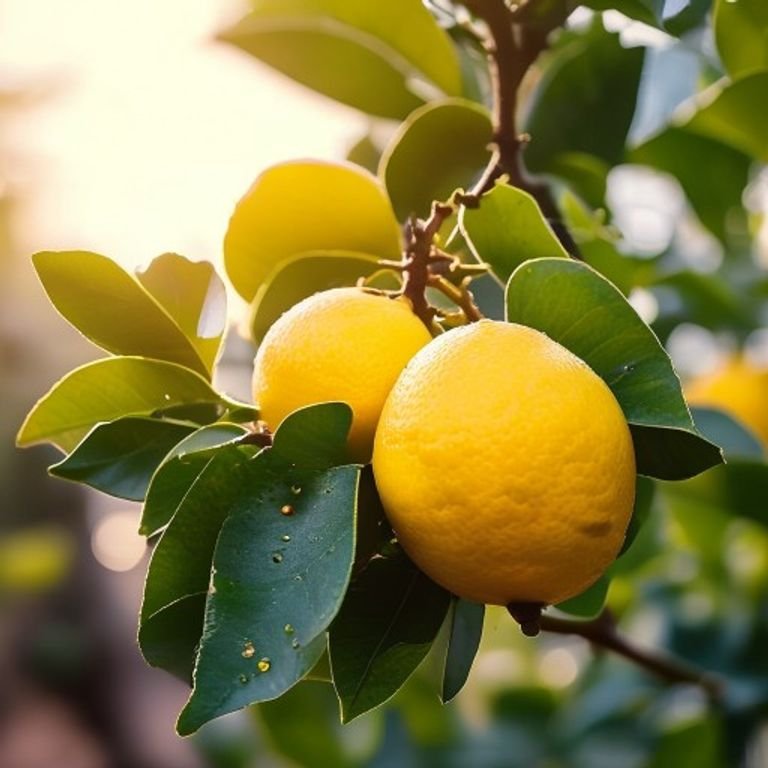
The most striking feature of the red lemon tree is undoubtedly its fruit. Beginning as a standard green, the lemons mature to develop a stunning reddish-orange blush on their rind, often accompanied by streaks of green or yellow, making each fruit a miniature work of art. Inside, the pulp often reveals a lovely pinkish hue, truly earning its ‘red’ moniker. Some cultivars even boast variegated green and white foliage, adding another layer of visual interest.
Flowers
Before the beautiful fruit appears, the red lemon plant delights with fragrant blossoms. These typically small, waxy flowers are predominantly white, but often exhibit a delicate purplish or pinkish tint on their outer petals. Their sweet, intoxicating citrus scent can fill a significant portion of your garden or balcony, making them a joy to be around, especially during their main flowering seasons.
Foliage
The leaves of the red lemon tree are a classic citrus green, glossy, and oval-shaped. As an evergreen, it provides a consistent green backdrop in your garden throughout all seasons, offering a sense of permanence and lushness. Even without fruit, the dense foliage is attractive and provides a pleasant visual texture.
Fragrance
Beyond the visual appeal, the red lemon offers an aromatic feast. The flowers release a delightful, sweet citrus perfume that is a pleasure to experience. The leaves, when gently crushed, also emit a refreshing citrus scent. Of course, the fruit itself carries the unmistakable tangy aroma of lemon, albeit with a unique, subtle twist.
Decorative Value
With its vibrant fruit, fragrant flowers, and evergreen foliage, the red lemon tree is highly prized for its decorative value. It makes an excellent specimen plant in a pot on a patio or balcony, a focal point in a small garden, or a colourful addition to a mixed border. The contrasting colours of the fruit against the green leaves are particularly stunning.
Growing Requirements
To successfully grow a red lemon tree in India, understanding its basic needs is crucial. While adaptable, providing optimal conditions will lead to a healthier plant and more abundant fruit.
Light
The red lemon tree is a sun-worshipper. It thrives in full sunlight, meaning it needs at least 6-8 hours of direct sun exposure every day. In regions with intense summer heat, some afternoon shade can be beneficial, especially for young plants in pots, to prevent leaf scorch. However, too little light will result in poor flowering and fruit production.
Water
Consistent and proper watering is key for any red lemon plant. Water thoroughly when the top 2-3 inches of soil feel dry to the touch. During hot, dry periods, this might mean daily watering, while in cooler months or during the monsoon, frequency will decrease. Ensure good drainage to prevent waterlogging, which is a common cause of root rot in citrus.
Temperature
Red lemon trees prefer warm, subtropical climates, making many parts of India ideal. They thrive in temperatures between 20°C and 35°C. While they can tolerate brief drops to around 5°C, prolonged cold or frost can damage the plant. Protecting potted plants by moving them indoors or to a sheltered spot during cold snaps is advisable.
Humidity
Citrus plants appreciate moderate to high humidity. In drier Indian regions, especially during summer, you might notice leaves curling or drying. Misting the foliage occasionally or placing the pot on a pebble tray filled with water (ensuring the pot doesn’t sit in the water) can help increase local humidity.
Soil
Well-draining soil is paramount for the red lemon tree. A slightly acidic to neutral soil pH (6.0-7.0) is ideal. Heavy clay soils that retain too much water are unsuitable. Amending garden soil with organic matter like compost and sand can improve drainage and fertility.
Potting Mix
For container-grown red lemon plants, a high-quality, well-draining potting mix specifically formulated for citrus or general container plants is best. Avoid cheap, dense mixes. A good mix will often contain perlite, coco peat, and compost, providing both drainage and aeration.
Fertilizer
Red lemon trees are heavy feeders, especially when fruiting. Use a balanced granular citrus fertilizer or a slow-release fertilizer formulated for fruiting plants. During the main growing and flowering seasons (spring and monsoon), fertilize every 4-6 weeks. Reduce frequency in winter. Always follow the manufacturer’s instructions to avoid over-fertilization.
How to Care for This Plant
Here’s a practical, step-by-step guide to keeping your red lemon tree healthy and productive:
- Regular Watering: As mentioned, check the soil moisture regularly. Water deeply until water drains from the bottom of the pot (for container plants), then allow the top layer to dry out before the next watering.
- Pruning for Health and Shape: Prune your red lemon tree annually, ideally in late winter or early spring before new growth begins. Remove any dead, diseased, or crossing branches. You can also prune to maintain a desirable size and shape, encourage bushier growth, and improve air circulation within the canopy.
- Pest and Disease Monitoring: Regularly inspect your plant for any signs of pests (like aphids, scale, or mealybugs) or diseases. Early detection makes treatment much easier.
- Repotting (for Container Plants): Repot your red lemon tree every 1-2 years into a slightly larger pot, or refresh the soil in the same pot if you wish to maintain its size. Spring is the best time for repotting.
- Harvesting: Red lemons are typically ready for harvest when they develop their full colour and feel slightly soft when gently squeezed. They will also release their distinct aroma. Use clean pruning shears to snip the fruit off, leaving a small stem attached.
- Seasonal Care:
- Summer: Increase watering frequency, protect from extreme heat if necessary.
- Monsoon: Ensure excellent drainage to prevent root rot. Reduce supplementary watering if rainfall is heavy.
- Winter: Reduce watering frequency. Protect from frost. Fertilize less frequently.
Common Problems and Solutions
Even with the best care, your red lemon tree might encounter some issues. Here are a few common problems and their solutions:
- Yellow Leaves: This often indicates a nutrient deficiency (especially iron or nitrogen) or improper watering (either too much or too little). Check your watering schedule and apply a balanced citrus fertilizer. For iron deficiency, look for yellowing between green veins (chlorosis) and use an iron supplement.
- Pests (Aphids, Scale, Mealybugs): These common citrus pests can weaken your plant. Treat with neem oil spray, insecticidal soap, or by gently wiping them off with a cotton swab dipped in rubbing alcohol for small infestations.
- Fungal Diseases (Sooty Mold, Canker): Sooty mold is a black, powdery growth caused by honeydew secreted by pests. Treat the underlying pest problem, and the mold will disappear. Citrus canker is a bacterial disease; remove affected parts and ensure good air circulation.
- Root Rot: Caused by overwatering and poor drainage. Symptoms include wilting leaves, yellowing, and eventual plant death. Ensure your pot has drainage holes and your soil drains well. Allow the soil to dry out between waterings.
- Poor Flowering/Fruiting: Insufficient sunlight, lack of nutrients, or improper pruning can all contribute. Ensure your plant gets full sun, fertilize regularly, and prune correctly to encourage blooms.
- Leaf Drop: A common stress response to sudden changes in temperature, light, or watering. Identify the stressor and rectify it. Ensure consistent conditions as much as possible.
Benefits
Beyond its unique appearance, the red lemon tree offers several advantages for the Indian gardener:
- Home Decoration: The sight of a red lemon plant laden with its colourful fruit is incredibly attractive, adding a tropical and vibrant touch to any living space, balcony, or garden.
- Balcony Gardening: Its manageable size when container-grown makes it perfect for urban gardeners with limited space, bringing the joy of homegrown citrus to even small balconies.
- Landscaping: In larger gardens, the red lemon tree can serve as an attractive specimen plant, a colourful hedge, or an interesting addition to an edible landscape design.
- Pollinator Friendly: The fragrant flowers attract bees and other pollinators to your garden, contributing to the local ecosystem and potentially benefiting other flowering plants nearby.
- Culinary Value: The primary benefit! Red lemons can be used just like regular lemons for juice, zest, cooking, and garnishes. Their unique colour makes them especially appealing for cocktails, desserts, and decorative culinary uses. They offer a classic tart lemon flavour, often with a slightly milder or sweeter undertone than standard lemons.
Frequently Asked Questions
Can Red Lemon be grown in pots?
Absolutely! The red lemon tree is an excellent candidate for container gardening. Choosing a large pot (at least 15-20 inches in diameter) with good drainage is essential. Growing them in pots also allows you to move them to sheltered locations during harsh weather or intense heat, which is a great advantage in varying Indian climates.
How often should I water my Red Lemon plant?
The watering frequency for your red lemon plant depends on several factors: climate, pot size, and soil type. A good rule of thumb is to water thoroughly when the top 2-3 inches of soil feels dry to the touch. In hot, dry summers, this might mean daily watering, while in cooler or humid periods, it could be every few days. Always ensure the pot drains well to prevent root rot.
When does the Red Lemon tree produce fruit?
Red lemon trees, like many citrus varieties, can flower and fruit almost continuously in warm, tropical climates like much of India, especially after they are established (usually 2-3 years old from planting). However, you’ll typically see a main flush of flowering in spring, with fruit maturing over the following 6-9 months. With proper care, you can enjoy multiple harvests throughout the year.
Final Thoughts
Cultivating a red lemon tree is a journey filled with delightful fragrances, beautiful blooms, and the ultimate reward of unique, homegrown fruit. Whether you have a sprawling garden or a sunny balcony, this captivating citrus variety can bring a touch of the exotic to your green space. With a little care and attention to its needs, your red lemon plant will thrive, becoming a cherished part of your home.
Plantrea is the online plant platform from Wynorg, helping plant lovers across India discover quality plants, practical growing advice, and trusted nursery sourcing. We are committed to empowering you with the knowledge and resources to make your gardening dreams a reality.
Interested in This Plant?
Are you curious about adding the beautiful red lemon tree to your collection or need more specific advice for your growing conditions? Our Plant Expert chat is here to help! Available at the bottom-right corner of every page, it’s like having a seasoned gardener right by your side.
You can use the Plant Expert to check whether the red lemon plant is currently available for purchase, or to get personalized plant recommendations that perfectly suit your home or garden environment. Have a specific question about red lemon care or maintenance? Our expert is ready to provide tailored advice.
Should the red lemon tree not be available or if you’re looking for something similar, the Plant Expert can also help you find suitable alternatives that will bring just as much joy and beauty to your space. Don’t hesitate to reach out for friendly, knowledgeable assistance on your gardening journey.
Want to buy this plant? Visit https://plantrea.com/shop-2/