Lipote Plant Care Guide: Grow Healthy Lipote Trees in India – Plantrea
The Lipote plant, a hidden gem from the Philippine archipelago, is slowly gaining recognition among Indian gardening enthusiasts for its unique and delicious fruits. Imagine a tree in your garden offering a harvest of tart-sweet, dark purple berries that are perfect for jams, juices, or simply eating fresh! Its attractive foliage and robust nature make it a charming addition to tropical and subtropical landscapes across India.
At Plantrea, we understand the joy of nurturing exotic fruit trees. As the online plant platform by Wynorg, a trusted Indian brand known for delivering healthy live plants safely across India, we’re dedicated to helping you succeed. This comprehensive guide will walk you through everything you need to know to cultivate a thriving Lipote tree in your home garden, ensuring you enjoy its beauty and bounty for years to come.
Botanical Overview
The Lipote plant, botanically known as Syzygium polycephaloides, belongs to the vast and diverse Myrtaceae family, which also includes common plants like guava, eucalyptus, and jamun (Java plum). It is native to the Philippines, where it thrives in tropical rainforest conditions.
This evergreen fruit tree is characterized by its upright and somewhat bushy growth habit. In its natural habitat, it can reach impressive heights of 10 to 15 meters, forming a dense canopy. However, with proper pruning and cultivation, it can be maintained at a more manageable size for home gardens or even large containers, making the Lipote plant a versatile choice for various Indian garden settings.
Why People Love This Plant
The allure of the Lipote plant goes beyond just its exotic appeal. Here’s why gardeners in India are finding a special place for this unique fruit tree:
Appearance
The Lipote tree possesses a naturally appealing structure with a dense crown of foliage. Its sturdy trunk and branches provide a robust framework, making it a good choice for a standalone specimen tree or as part of a mixed orchard.
Flowers
While not overtly showy, the Lipote’s small, creamy-white to greenish-white flowers appear in clusters, often directly on the trunk and older branches (cauliflory). These delicate blooms contribute to the overall charm of the tree and signal the promise of forthcoming fruit. They are mildly fragrant and attract pollinators.
Foliage
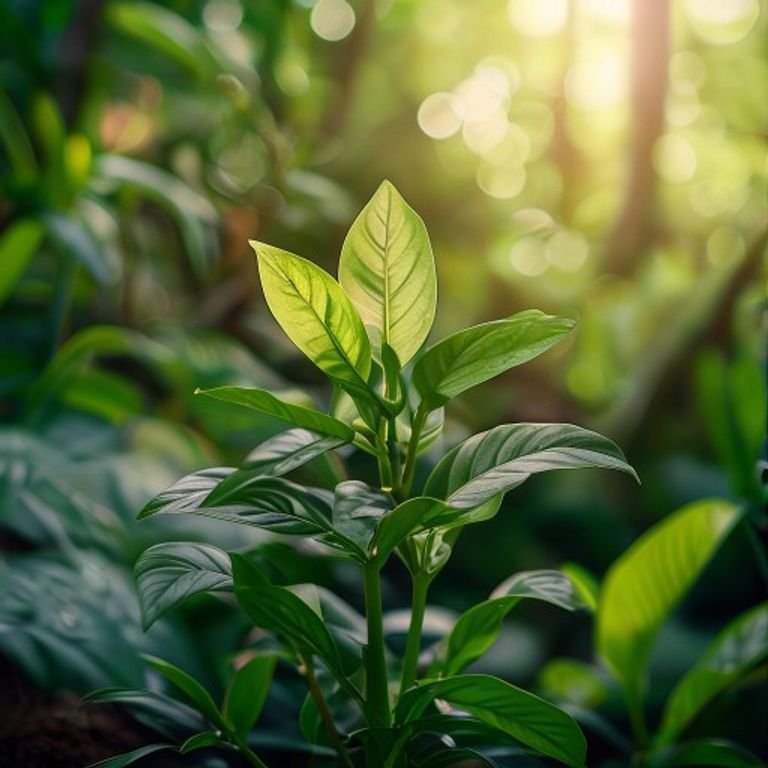
The leaves of the Lipote plant are elliptical to oblong, glossy green, and leathery, providing a lush, evergreen backdrop throughout the year. New flushes of leaves often emerge with a reddish tint before maturing to deep green, adding another layer of visual interest to the plant.
Fragrance
The flowers have a subtle, sweet fragrance that is noticeable up close. However, the most distinctive aroma comes from its ripe fruits, which have a characteristic, pleasant, and slightly tangy scent, hinting at their delicious flavour profile.
Decorative Value
Beyond its fruit-bearing capabilities, the Lipote plant offers significant decorative value. Its dense evergreen canopy provides shade and a lush green aesthetic, making it suitable for landscaping in larger gardens. When laden with its dark purple fruits, it becomes a stunning focal point, offering both beauty and a bountiful harvest.
Growing Requirements
To successfully cultivate a Lipote plant and enjoy its unique fruits in India, understanding its specific growing requirements is crucial. Here’s a detailed look:
Light
The Lipote plant thrives in full sun, meaning at least 6-8 hours of direct sunlight per day. While it can tolerate partial shade, especially in regions with intense summer heat, optimal fruiting is achieved in full sun. In very hot Indian summers, providing some afternoon shade for young plants can prevent leaf scorch.
Water
Consistent watering is key, particularly for young Lipote plants and during the flowering and fruiting stages. The soil should be kept consistently moist but never waterlogged. Deep watering two to three times a week during dry periods is generally sufficient. Reduce watering slightly during cooler, dormant periods. Ensure good drainage to prevent root rot.
Temperature
Being a tropical plant, Lipote prefers warm temperatures. It thrives in typical Indian tropical and subtropical climates, ideally between 20°C to 35°C. It can tolerate short periods of slightly cooler temperatures but is not frost-hardy. Protecting young plants from extreme cold is advisable in regions where winter temperatures dip.
Humidity
High humidity is preferred by the Lipote plant, reflecting its rainforest origins. The natural humidity levels in many parts of India are suitable. In drier regions, occasional misting or placing the plant near other plants can help create a more humid microclimate.
Soil
Lipote plants are not overly fussy about soil but prefer well-draining, fertile, slightly acidic to neutral soil (pH 5.5 to 7.0). A rich loamy soil with good organic matter content is ideal. Avoid heavy clay soils that retain too much water.
Potting Mix
If growing the Lipote plant in a pot, use a high-quality, well-draining potting mix. A good blend would be equal parts garden soil, coco peat or compost, and perlite or coarse sand to ensure excellent drainage. Ensure the pot has ample drainage holes.
Fertilizer
Feed your Lipote plant regularly during its active growing season (spring and monsoon in India). Use a balanced NPK fertilizer (e.g., 10-10-10 or 14-14-14) every 4-6 weeks. Once the plant matures and starts fruiting, switch to a fertilizer higher in potassium (K) to encourage better fruit development. Organic options like well-rotted cow dung manure or compost can also be incorporated annually for continuous soil enrichment.
How to Care for This Plant
Caring for your Lipote plant involves a few simple yet crucial steps to ensure its health and productivity:
- Planting: Choose a sunny spot with well-draining soil. Dig a hole twice as wide as the root ball and just as deep. Gently remove the plant from its nursery pot, loosen any circling roots, and place it in the hole. Backfill with soil, gently firming it around the base. Water thoroughly.
- Pruning: Prune your Lipote plant to maintain its shape, control its size, and encourage better fruiting. Remove dead, diseased, or crossing branches. Light tip pruning can encourage bushiness. The best time for major pruning is after the fruiting season.
- Watering Schedule: Establish a consistent watering routine. Check the soil moisture regularly by sticking your finger about an inch or two into the soil. Water when the top inch feels dry. Adjust frequency based on weather conditions and the plant’s growth stage.
- Pest and Disease Monitoring: Regularly inspect your Lipote plant for any signs of pests or diseases. Early detection is key to effective treatment.
- Mulching: Apply a layer of organic mulch (like wood chips, straw, or compost) around the base of the tree. This helps retain soil moisture, suppress weeds, and regulate soil temperature. Keep the mulch a few inches away from the trunk to prevent collar rot.
- Protection from Extremes: While robust, young Lipote plants might benefit from protection during extreme heatwaves or unexpected cold snaps. Use shade netting during harsh summers and provide temporary cover if temperatures drop significantly.
Common Problems and Solutions
Even with the best care, Lipote plants can sometimes encounter issues. Here are some common problems and their solutions:
- Yellow Leaves:
- Cause: Overwatering (most common), nutrient deficiency (especially iron or nitrogen), or poor drainage.
- Solution: Check soil moisture. Allow soil to dry out slightly between waterings. Improve drainage. Apply a balanced fertilizer or an iron supplement if deficiency is suspected.
- Pests:
- Common Pests: Fruit flies (especially problematic during fruiting), scale insects, mealybugs, aphids.
- Solution: For fruit flies, use fruit fly traps or protective netting around developing fruits. For other pests, hand-pick them off, spray with a strong jet of water, or use neem oil spray or insecticidal soap. Repeat applications may be necessary.
- Fungal Diseases:
- Cause: High humidity, poor air circulation, overwatering.
- Solution: Ensure good air circulation by appropriate pruning. Avoid overhead watering. Remove affected parts. Apply a suitable fungicide if the problem persists.
- Root Rot:
- Cause: Primarily caused by consistently waterlogged soil due to overwatering or poor drainage.
- Solution: Improve drainage immediately. Reduce watering frequency. If in a pot, repot with fresh, well-draining soil. Severely affected plants may not recover.
- Poor Fruiting or Flower Drop:
- Cause: Insufficient sunlight, lack of nutrients, inconsistent watering, stress, or young age of the plant.
- Solution: Ensure adequate sunlight. Fertilize with a phosphorus and potassium-rich fertilizer. Maintain consistent watering. Protect from extreme weather. Be patient; young plants might take a few years to fruit prolifically.
- Slow Growth:
- Cause: Nutrient deficiency, inadequate sunlight, compacted soil, or improper watering.
- Solution: Evaluate light exposure. Ensure regular feeding with a balanced fertilizer. Amend soil with organic matter to improve structure. Maintain proper watering.
Benefits
Incorporating a Lipote plant into your Indian garden offers a multitude of benefits:
- Home Decoration & Landscaping: With its lush evergreen foliage and attractive form, the Lipote plant makes an excellent specimen tree for larger gardens. It provides year-round greenery and can serve as a focal point, especially when adorned with its dark, jewel-like fruits.
- Edible Fruits: The primary benefit of the Lipote plant is its delicious, tart-sweet fruits. These can be enjoyed fresh, used in jams, jellies, juices, wines, or even desserts. They are rich in antioxidants and vitamin C, making them a healthy addition to your diet.
- Pollinator Friendly: The small, fragrant flowers attract bees and other beneficial insects to your garden, contributing to a healthier ecosystem and aiding in the pollination of other plants.
- Balcony Gardening (for dwarf varieties/young plants): While it grows into a tree, a young Lipote plant can be grown in a large container on a sunny balcony for a few years, offering a taste of exotic fruit even in urban spaces.
Frequently Asked Questions
How often should I water my Lipote plant in India?
In India, especially during the active growing season and hot months, aim to water your Lipote plant deeply 2-3 times a week. Always check the top inch or two of the soil; water only when it feels dry. During the cooler, dormant months, you can reduce the frequency, ensuring the soil doesn’t dry out completely.
Can Lipote be grown in a pot, and what soil is best?
Yes, Lipote can be grown in large pots or containers, especially when young or if you wish to control its size. For container growing, use a well-draining potting mix. An ideal blend would be a mix of equal parts good quality garden soil, coco peat or compost, and perlite or coarse sand to ensure excellent drainage and aeration. Ensure your pot has adequate drainage holes.
What are the main pests and diseases that affect Lipote plants?
Common problems for Lipote plants include fruit flies, which can damage developing fruits, and general pests like scale insects, mealybugs, and aphids, especially on new growth. Fungal diseases such as powdery mildew can occur in high humidity with poor air circulation. Root rot is a risk if the plant is consistently overwatered or kept in poorly draining soil. Regular inspection and prompt action with organic sprays like neem oil can help manage most issues.
Final Thoughts
Cultivating a Lipote plant is a rewarding experience for any gardener in India. With its beautiful foliage and unique, flavorful fruits, it adds a touch of the exotic to your home garden or orchard. By providing the right balance of sunlight, water, and nutrients, along with consistent care, you can enjoy a healthy, fruit-bearing Lipote tree that will be a source of pride and delight.
We hope this guide empowers you to embark on your Lipote growing journey with confidence. Remember, Plantrea is the online plant platform from Wynorg, helping plant lovers across India discover quality plants, practical growing advice, and trusted nursery sourcing. Happy gardening!
Interested in This Plant?
Curious to add the unique Lipote plant to your garden, or perhaps explore other exotic fruit trees? Our Plant Expert chat is here to guide you! Located at the bottom-right corner of every page on Plantrea.com, our friendly experts are always ready to help.
You can use the Plant Expert chat to effortlessly check whether the Lipote plant is currently available for delivery to your location. Moreover, if you’re unsure if Lipote is the perfect fit for your specific garden or balcony, our experts can provide personalised plant recommendations tailored to your climate, space, and gardening preferences.
Don’t hesitate to ask any questions you have about Lipote plant care and maintenance, from troubleshooting yellowing leaves to getting tips on encouraging better fruiting. And if for any reason the Lipote plant isn’t available, our Plant Expert can help you discover suitable alternatives that offer similar benefits and beauty. Think of them as your personal gardening assistant, always ready with practical advice and helpful suggestions!
Want to buy this plant? Visit https://plantrea.com/shop-2/