Mint Plant – Pudina for Fresh Chutney & Tea | Wynorg Nursery
There are few aromas as universally loved and instantly refreshing in Indian homes and gardens as that of fresh mint, or Pudina. This vibrant green herb isn’t just a delight to the senses; it’s a cornerstone of Indian culinary traditions, lending its unique flavour to everything from cooling raitas and zesty chutneys to invigorating teas and refreshing summer drinks. Easy to grow and incredibly rewarding, the mint plant is a must-have for any gardener, whether you have a sprawling garden or just a sunny windowsill. For those looking to bring this versatile herb into their lives, Plantrea is the online plant platform by Wynorg, a trusted Indian brand known for delivering healthy live plants safely across India, ensuring your gardening journey starts on the right note.
Beyond its culinary prowess, mint offers a delightful fragrance that can uplift your mood and even deter pesky insects, making it a truly multi-functional addition to your green space. Its rapid growth and adaptability make it a favourite among beginners, promising a continuous supply of fresh leaves with minimal effort. Let’s delve deeper into the world of this beloved herb and discover how you can grow and care for it successfully.
Botanical Overview
The mint plant, commonly known as Pudina in India, belongs to a large and diverse genus. While there are many varieties, the most common culinary mint in India is often Mentha spicata, or spearmint, though other types like peppermint (Mentha piperita) are also popular. This wonderful herb is part of the Lamiaceae family, which also includes other aromatic favourites like basil, oregano, and rosemary.
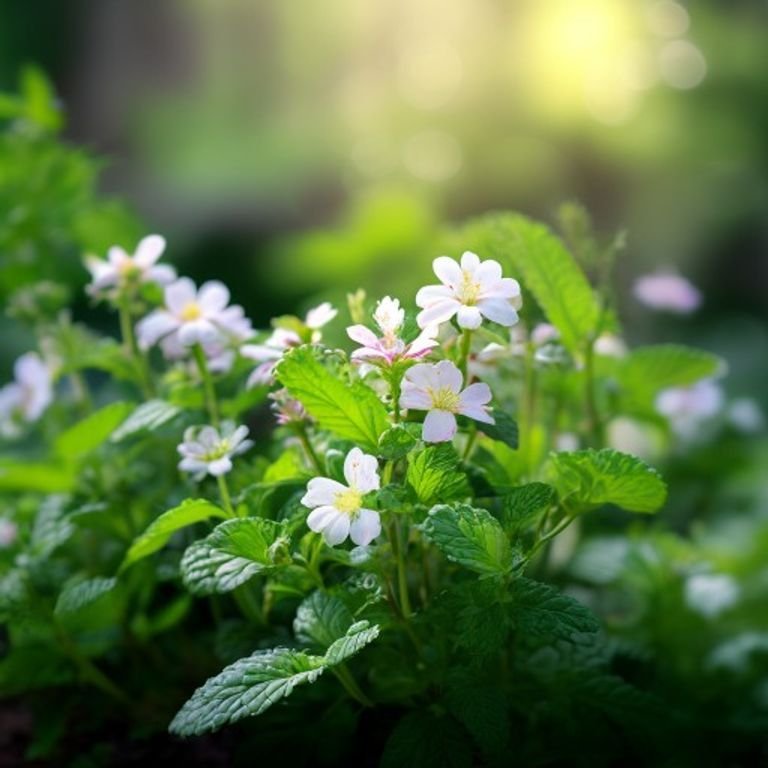
Native to Europe and Asia, mint is a perennial herb, meaning it lives for more than two years, returning year after year with its vigorous growth. It’s characterised by its spreading growth habit, sending out runners both above and below the soil surface, which allows it to colonise an area quite quickly. Typically, a mint plant will reach a height of 1 to 2 feet, forming dense, bushy clumps if allowed to spread freely. Though primarily grown for its leaves, mint does produce small, often inconspicuous flowers, usually white or pink, during the summer months, which can attract pollinators.
Why People Love This Plant
The sheer popularity of the mint plant, or Pudina, stems from a delightful combination of its appearance, fragrance, culinary uses, and general ease of care. It’s a plant that truly gives back to the gardener.
Appearance
Mint plants boast vibrant green leaves, often slightly crinkled or serrated, which vary in shape depending on the variety. The lush foliage creates a dense, attractive bush, making it a beautiful addition to pots, kitchen gardens, and even as a ground cover (with careful management). Its lively green colour provides a refreshing contrast in any plant arrangement.
Flowers
While not the primary reason people grow mint, the plant does produce small, often delicate white or pale pink flowers in upright spikes during the summer. These tiny blooms are quite charming and can add a subtle visual appeal. More importantly, they are a magnet for beneficial insects like bees and butterflies, contributing to the biodiversity of your garden.
Foliage
The true star of the mint plant is undoubtedly its foliage. The leaves are intensely aromatic, releasing a burst of refreshing scent with the slightest touch. This strong, invigorating fragrance is characteristic of Mentha and is what makes Pudina indispensable in Indian cuisine. From a visual standpoint, the leaves are typically oval to lance-shaped, often with deeply serrated margins, adding texture to your plant collection.
Fragrance
The powerful, uplifting fragrance of mint is its most defining feature. It’s cool, clean, and invigorating, instantly conjuring images of fresh chutneys, cooling beverages, and relaxing herbal teas. This natural aroma is also known to have a calming effect and can even help deter certain pests, making it a welcome presence on balconies and near seating areas.
Decorative Value
Despite its humble nature, mint offers significant decorative value. Its bright green leaves and bushy growth make it an excellent choice for container gardening, where its vigour can be contained. It thrives in hanging baskets, spills gracefully over pot edges, and can create a lush, green border in raised beds. For kitchen gardens, a pot of mint is not just practical but also adds a touch of fresh greenery and inviting aroma.
Growing Requirements
Growing fresh Pudina at home is incredibly satisfying, and fortunately, this resilient herb is not too demanding. Understanding its basic needs, especially in the diverse Indian climate, will ensure a bountiful harvest.
Light
Mint thrives in partial sun, especially in the intense heat of the Indian summer. While it can tolerate full sun in cooler regions or during the milder winter months, providing some afternoon shade will prevent the leaves from scorching and keep the plant healthy and vibrant. An ideal spot would receive 4-6 hours of morning sun. If grown indoors, place it near a bright window that gets indirect light for most of the day.
Water
Mint is a water-loving plant and prefers consistently moist soil. It’s important not to let the soil dry out completely, especially during hot spells. Water thoroughly when the top inch of soil feels dry to the touch. In containers, this might mean daily watering during peak summer. Ensure good drainage to prevent waterlogging, which can lead to root issues. Keeping the soil moist but not soggy is key.
Temperature
Mint is quite adaptable to a range of temperatures. It flourishes in the warm, humid conditions prevalent in many parts of India, but can also withstand cooler temperatures, though growth might slow down. It’s generally hardy in most Indian plains and hill stations, though extreme frost should be avoided if possible. During very hot summers, ensure adequate watering and some shade.
Humidity
Mint generally appreciates moderate to high humidity, which is often naturally present in India. If you live in a very dry region, especially when growing indoors, an occasional misting can be beneficial, but it’s rarely a critical factor for outdoor plants.
Soil
This herb isn’t overly fussy about soil type, but it performs best in well-draining, fertile soil rich in organic matter. A slightly acidic to neutral pH (6.0-7.0) is ideal. Avoid heavy, compacted soils that retain too much water and can lead to root problems.
Potting Mix
For container-grown mint, a good quality potting mix designed for herbs or vegetables is perfect. Ensure it’s loose and free-draining. You can enrich it further by adding some compost or well-rotted manure to provide essential nutrients and improve moisture retention without causing waterlogging. A mix of garden soil, coco peat, and compost in equal parts works very well.
Fertilizer
Mint is not a heavy feeder. If planted in rich, organic soil or a good potting mix, it may not require much additional feeding. A light application of a balanced liquid organic fertilizer every 4-6 weeks during the active growing season (spring and summer) can encourage lush foliage. Avoid over-fertilizing, as this can lead to leggy growth and reduced flavour intensity.
How to Care for This Plant
Caring for your mint plant is straightforward, and with a few simple steps, you can ensure a continuous supply of fresh, aromatic leaves. The key is understanding its vigorous growth habit and managing it effectively.
- Contain its Spread: This is perhaps the most crucial care tip for mint. Mint is notorious for its invasive nature, spreading rapidly through underground runners. To prevent it from taking over your garden, always grow mint in pots or containers. If planting directly in the ground, consider sinking a bottomless bucket or a root barrier into the soil to a depth of at least 10-12 inches before planting. This will restrict its root system and keep it contained.
- Regular Watering: As discussed, mint loves consistent moisture. Check the soil daily, especially in hot weather or for container plants. Water deeply until water drains from the bottom of the pot. Never let the soil dry out completely between waterings.
- Provide Adequate Light: Place your mint plant where it receives partial sun – about 4-6 hours of morning sun is ideal, with some shade during the hottest part of the afternoon. In shadier spots, mint may become leggy and less flavourful.
- Harvest Frequently: Regular harvesting is not just for enjoying your mint; it’s essential for the plant’s health and bushiness. Pinch off the top sets of leaves and stems regularly. This encourages the plant to branch out and produce more foliage, preventing it from becoming leggy and going to flower too quickly. Aim to harvest about a third of the plant at a time.
- Pruning for Vigor: Beyond regular harvesting, a more significant prune can rejuvenate an older mint plant. If your mint becomes leggy, woody, or less productive, cut it back by about half its height. This will stimulate new, fresh growth from the base.
- Repotting and Division: Container-grown mint can become root-bound over time, leading to reduced vigour. Every 1-2 years, consider repotting your mint into a slightly larger container with fresh potting mix. This is also an excellent opportunity to divide the plant, separating crowded sections to create new mint plants.
- Pest and Disease Watch: While generally robust, keep an eye out for common problems (detailed in the next section). Good air circulation, proper watering, and regular inspection can help prevent most issues.
- Seasonal Care: In colder regions of India, mint may die back in winter, only to re-emerge in spring. In warmer climates, it will continue to grow year-round. Provide a thin layer of compost around the base in spring to give it a boost.
Common Problems and Solutions
Even with its easy-going nature, your mint plant might occasionally encounter a few hiccups. Here are some common problems and practical solutions:
- Yellow Leaves:
- Problem: Often a sign of overwatering or underwatering. Nutrient deficiency can also be a cause.
- Solution: Check soil moisture. If soggy, reduce watering; if bone dry, water thoroughly. Ensure good drainage. If watering is correct, consider a light application of balanced liquid fertilizer.
- Pests:
- Problem: Aphids, spider mites, or whiteflies can sometimes infest mint, especially in stressed conditions.
- Solution: Spray affected areas with a strong jet of water to dislodge pests. For persistent issues, use neem oil spray, a natural and effective organic pesticide, usually applied in the evenings.
- Fungal Diseases (Rust, Powdery Mildew):
- Problem: Rust appears as orange-brown spots on leaves, while powdery mildew looks like white, powdery patches. Both are common in humid conditions with poor air circulation.
- Solution: Remove affected leaves immediately. Improve air circulation by pruning dense growth. Avoid overhead watering; water at the base of the plant. A neem oil solution can also help. In severe cases, a fungicide might be necessary.
- Root Rot:
- Problem: Caused by consistently waterlogged soil, leading to mushy, black roots and wilting plant.
- Solution: Ensure pots have drainage holes and the potting mix is well-draining. Reduce watering frequency. If severe, repot into fresh, dry soil, removing any rotten roots.
- Poor Flowering:
- Problem: While mint is primarily grown for its leaves, if you’re expecting flowers and they don’t appear, it could be due to insufficient light or over-harvesting.
- Solution: Ensure the plant receives at least 4-6 hours of partial sun. If you continuously pinch off all flower buds, the plant won’t get a chance to bloom. Allow some stems to mature if you desire flowers.
- Slow Growth/Legginess:
- Problem: Lack of adequate light, insufficient nutrients, or infrequent harvesting can lead to sparse, stretched-out growth.
- Solution: Move the plant to a brighter location. Provide a light feed of organic fertilizer. Most importantly, harvest regularly to encourage bushier growth.
- Leaf Drop:
- Problem: Usually a sign of stress, often due to sudden changes in temperature, extreme underwatering, or overwatering.
- Solution: Identify and rectify the stress factor. Ensure consistent watering and protect from sudden environmental shifts.
- Taking Over the Garden:
- Problem: Mint’s aggressive spreading habit is its most common “problem” in open gardens.
- Solution: As mentioned, grow mint exclusively in pots or use root barriers when planting in the ground. This is the only effective way to control its spread.
Benefits
Beyond its easy-to-grow nature and delicious flavour, the mint plant offers a host of benefits that make it an invaluable addition to any Indian home and garden.
- Home Decoration: The lush, vibrant green foliage of mint adds a refreshing touch to any indoor space or outdoor balcony. Potted mint plants can brighten up kitchen windowsills, dining tables, or any corner needing a burst of natural greenery.
- Balcony Gardening: Mint is perfectly suited for balcony gardens due to its compact root system (when contained) and relatively low light requirements. It thrives in containers, making it an excellent choice for urban dwellers who want fresh herbs at their fingertips.
- Kitchen Gardens: An absolute essential for any kitchen garden, mint provides an endless supply of fresh leaves for cooking, beverages, and garnishes. Its presence elevates home-cooked meals to a new level.
- Pollinator Friendly: When allowed to flower, mint produces small blooms that are highly attractive to bees, butterflies, and other beneficial insects. By including mint in your garden, you’re helping to support local pollinator populations, which are vital for ecosystem health.
- Air Purification: Like many plants, mint contributes to improving indoor air quality by absorbing common household toxins and releasing oxygen. While not as powerful as some dedicated air-purifying plants, its presence still makes a positive contribution to a healthier home environment.
- Digestive Aid: Mint has been used for centuries in traditional medicine as a digestive aid. A cup of mint tea can help soothe an upset stomach, alleviate indigestion, and reduce bloating. It’s a natural and gentle remedy.
- Mosquito Repellent: The strong, aromatic oils in mint leaves are known to deter mosquitoes and other flying insects. Placing pots of mint near seating areas or rubbing crushed leaves on exposed skin can provide a natural, pleasant-smelling repellent.
- Fast Growing: Mint’s rapid growth means you won’t have to wait long to enjoy your harvest. With proper care, it quickly replenishes itself, ensuring a constant supply of fresh leaves throughout the growing season.
Frequently Asked Questions
Why is my mint spreading everywhere?
Mint is an incredibly vigorous and invasive plant by nature. Its primary method of spreading is through rhizomes (underground runners) that quickly colonise new areas. If planted directly in the ground without containment, it will indeed spread everywhere and can quickly choke out other plants. The simplest and most effective solution is to always grow mint in pots or containers. This restricts its root system and keeps its enthusiastic growth in check, allowing you to enjoy your mint without it taking over your entire garden bed.
How do I harvest mint for bushy growth?
To encourage bushy growth and a continuous supply of fresh leaves, the best way to harvest mint is by regularly pinching off the tips of the stems. Locate a stem and snip or pinch just above a leaf node (where leaves emerge from the stem). This tells the plant to send out two new shoots from that node, resulting in a fuller, bushier plant. Avoid stripping all leaves from one stem; instead, harvest judiciously across the plant, taking about a third of the foliage at any given time.
Can I grow mint from cuttings?
Absolutely, growing mint from cuttings is incredibly easy and a fantastic way to propagate new plants. Simply snip a healthy stem about 4-6 inches long, just below a leaf node. Remove the leaves from the bottom 2 inches of the cutting. Place the cutting in a glass of water, ensuring the leaf nodes are submerged. Within a week or two, you’ll see roots forming. Once the roots are about an inch long, you can plant your new mint plant in a pot with good potting mix. It’s a very rewarding process for beginner gardeners!
Final Thoughts
Growing your own mint, or Pudina, is a truly rewarding experience that brings freshness, flavour, and fragrance into your home. Its ease of care and versatility make it a perfect choice for both novice and experienced gardeners across India. From enhancing your culinary creations to offering natural remedies and pest deterrence, the humble mint plant punches well above its weight.
Embrace the joy of cultivating this wonderful herb, and you’ll soon find yourself reaching for its invigorating leaves time and again. Remember to contain its spread, water regularly, and harvest often for a truly thriving plant. For more detailed insights, practical growing advice, and trusted nursery sourcing for mint and countless other plants, Plantrea is the online plant platform from Wynorg, helping plant lovers across India discover quality plants, practical growing advice, and trusted nursery sourcing.
Interested in This Plant?
Thinking about adding the refreshing mint plant to your collection, or perhaps you have more specific questions about its care? Our Plant Expert chat is here to help! Available conveniently at the bottom-right corner of every page, our experts are ready to assist you on your plant journey.
You can use the Plant Expert to quickly check whether the mint plant is currently available for purchase or if you’d like to get personalised plant recommendations tailored to your specific home or garden conditions. Whether you have a sunny balcony or a shaded kitchen window, we can help you find the perfect plants to thrive.
Moreover, if you have any lingering questions about mint plant care, troubleshooting common problems, or even want to discover suitable alternatives if this particular mint variety is unavailable, our knowledgeable Plant Expert is your go-to gardening assistant. Feel free to reach out and make your gardening experience even more enjoyable!
Want to buy this plant? Visit https://plantrea.com/shop-2/