Ashwagandha Plant – Indian Ginseng for Stress Relief | Wynorg Nursery
Welcome to the world of Ashwagandha, a truly remarkable plant cherished in Indian homes and gardens for centuries. Known scientifically as *Withania somnifera*, this powerful herb, often called Indian Ginseng, is a cornerstone of Ayurvedic medicine, revered for its adaptogenic properties and numerous health benefits. Many Indian gardeners are increasingly discovering the joy of cultivating this robust and relatively easy-to-grow plant, appreciating its modest beauty and profound wellness contributions right from their own backyards or balconies. Whether you’re a seasoned plant enthusiast or just starting your green journey, Ashwagandha offers a rewarding experience, connecting you with ancient traditions and natural well-being. Plantrea is the online plant platform by Wynorg, a trusted Indian brand known for delivering healthy live plants safely across India, and we’re here to guide you through growing this incredible plant.
Botanical Overview
The Ashwagandha plant, with its botanical name *Withania somnifera*, belongs to the Solanaceae family, which also includes familiar plants like tomatoes and potatoes. It is an indigenous plant to India, parts of the Middle East, and some regions of Africa, thriving particularly well in arid and semi-arid conditions, making it perfectly suited for many Indian climates.
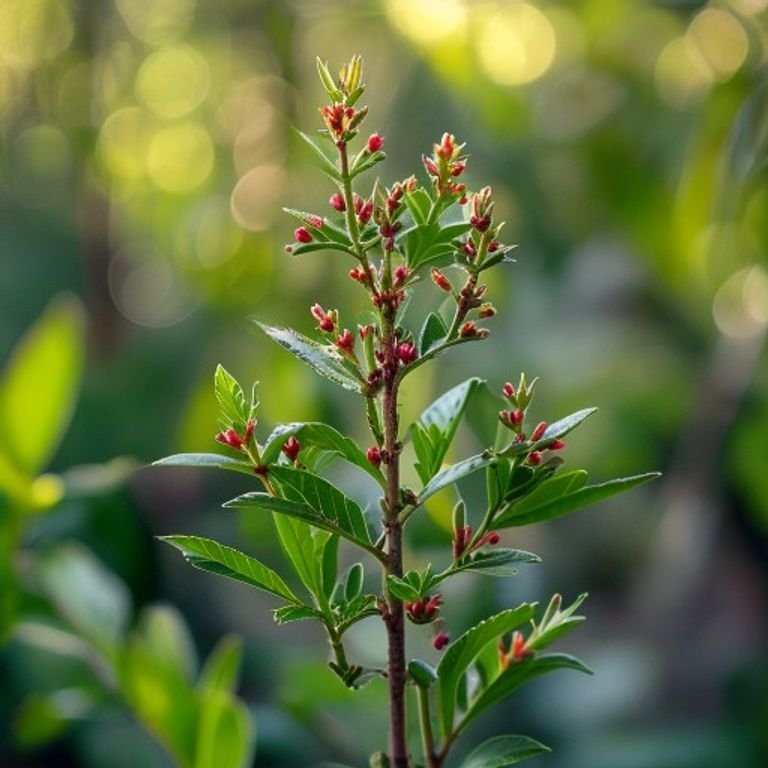
This hardy plant is classified as a small, woody shrub, typically reaching a height of about 1 to 2 feet (30-60 cm). Ashwagandha exhibits an upright growth habit, forming a compact and bushy structure. Its small, inconspicuous green-yellow flowers typically emerge during the winter months, adding a subtle charm to the plant before giving way to its more distinctive feature: the bright orange-red berries. These berries are encased within a papery calyx, resembling miniature lanterns, which gives the plant an interesting decorative touch. While not known for its fragrance, its presence in a garden is often valued for its historical significance and medicinal prowess.
Why People Love This Plant
Ashwagandha, or *Withania somnifera*, holds a special place in the hearts of many, not just for its medicinal value but also for its understated appeal and resilience.
Appearance
The beauty of the Ashwagandha plant lies in its simplicity and natural form. It features simple, ovate leaves that are a soft, dull green, providing a calming backdrop. The true visual interest comes with its reproductive cycle. The small, star-shaped green-yellow flowers are quite modest, often blending with the foliage. However, these are followed by charming, bright orange-red berries, which are enclosed in a papery, lantern-like calyx. This unique presentation of the berries adds a delightful splash of color and texture to the plant, especially noticeable against its green leaves.
Flowers
The flowering season for Ashwagandha is typically in winter. While the green-yellow flowers themselves are not particularly showy, they are essential for the plant’s life cycle, eventually developing into the distinctive berries. These small blooms signal the plant’s readiness to produce its prized fruits.
Foliage
The leaves of Ashwagandha are generally simple, oblong-ovate, and can be slightly hairy, giving them a soft texture. The foliage is not dense, allowing air and light to penetrate, which is beneficial for the plant’s overall health and development in warmer climates.
Fragrance
Ashwagandha is not known for any significant fragrance. Its appeal is primarily visual, historical, and medicinal, rather than aromatic.
Decorative Value
While primarily cultivated for its roots, the Ashwagandha plant does offer some decorative value, particularly during its fruiting stage. The bright orange-red berries, nestled within their papery husks, can be quite attractive. This makes it a suitable candidate for a medicinal garden, a herb patch, or even as an interesting specimen in a larger pot on a balcony, adding a touch of natural beauty and cultural significance. Its upright growth habit also makes it an orderly addition to a garden space.
Growing Requirements
Growing Ashwagandha (Indian Ginseng) in your Indian garden is a rewarding experience, and thankfully, it’s considered an easy-care plant. Understanding its basic needs will ensure a healthy and productive shrub.
Light
Ashwagandha thrives in full sun. It needs at least 6-8 hours of direct sunlight per day to grow vigorously and produce good quality roots and berries. In partial shade, the plant may grow slowly and become leggy, with reduced vigor and medicinal potency. Choose a spot in your garden or balcony that receives ample direct sunlight throughout the day.
Water
This is a low-water plant and is notably drought-tolerant once established. Overwatering is one of the most common mistakes when growing Ashwagandha. Allow the soil to dry out completely between waterings. In most Indian climates, especially during the monsoon season, rainfall might be sufficient. During dry periods, water sparingly, perhaps once every 7-10 days, depending on the heat and evaporation rate. Always check the soil moisture with your finger before watering.
Temperature
Ashwagandha prefers warm temperatures and can tolerate a wide range of temperatures typical of the Indian subcontinent. It is quite hardy in tropical and subtropical regions. While it tolerates warmth, extreme frost can be damaging, though this is less of a concern in most parts of India.
Humidity
The plant is not particularly fussy about humidity and generally tolerates average outdoor humidity levels. It performs well in relatively dry conditions, which is consistent with its natural habitat.
Soil
The ideal soil for Ashwagandha is well-drained and sandy. It prefers light soils that don’t retain too much moisture. Heavy clay soils that become waterlogged are detrimental and can lead to root rot. A slightly alkaline to neutral pH (6.5-7.5) is generally preferred. If your garden soil is heavy, amend it with sand, perlite, or organic matter like compost to improve drainage.
Potting Mix
If growing in pots, use a well-draining potting mix. A good blend would be a mix of garden soil, coarse sand, and a small amount of compost or coco peat. Ensure the pot has adequate drainage holes to prevent waterlogging. Terracotta pots are often a good choice as they allow the soil to breathe and dry out faster.
Fertilizer
Ashwagandha is not a heavy feeder. In fact, excessive fertilization can sometimes reduce its medicinal properties. If your soil is reasonably fertile, it may not need any additional fertilizer. If your soil is poor, you can incorporate a small amount of well-rotted compost or a balanced organic granular fertilizer at the time of planting or once in the growing season. Avoid high-nitrogen fertilizers as they promote leafy growth at the expense of root development, which is the primary part harvested for this ayurvedic plant.
How to Care for This Plant
Caring for your Ashwagandha plant is straightforward, making it an excellent choice for beginner gardeners and those interested in cultivating their own stress relief herb. Here’s a step-by-step practical guide:
1. **Planting Location:** Choose a sunny spot in your garden or a large pot on your balcony that receives full sun for at least 6-8 hours daily. Ensure the chosen location has excellent drainage.
2. **Sowing Seeds or Planting Saplings:** Ashwagandha can be easily grown from seeds. Sow seeds directly into the prepared soil after the last frost or when temperatures are consistently warm. Plant them about 0.5 cm deep and 10-15 cm apart. If planting saplings, ensure the root ball is not disturbed too much and water lightly after planting.
3. **Watering Schedule:** Remember, Ashwagandha is drought-tolerant. Water deeply but infrequently. Allow the top 2-3 inches of soil to dry out completely before watering again. During monsoon, reduce watering significantly or stop altogether if the plant is receiving sufficient rainfall. In containers, this might mean watering once a week or even less, depending on the weather.
4. **Soil Maintenance:** Keep the soil loose and well-drained. If you notice the soil becoming compacted, gently loosen it around the base of the plant, being careful not to disturb the roots. Mulching with a thin layer of dry leaves or straw can help conserve soil moisture and suppress weeds, but ensure it doesn’t lead to excessive moisture around the plant stem.
5. **Weeding:** Keep the area around your Ashwagandha plant free of weeds. Weeds compete for nutrients, water, and sunlight, which can hinder the growth of your stress relief herb. Hand-pulling is usually sufficient.
6. **Pruning:** Ashwagandha typically doesn’t require extensive pruning. You can remove any dead, diseased, or damaged branches to maintain plant health and air circulation. Light pruning can also help shape the plant if desired, but avoid heavy pruning, especially if you are aiming for a good root harvest.
7. **Pest and Disease Monitoring:** While generally robust, keep an eye out for common problems like aphids. Inspect your plants regularly. Address any issues promptly to prevent them from spreading.
8. **Harvesting:** The roots are the primary part used for medicinal purposes. Ashwagandha roots are typically harvested after 6-8 months, usually when the plant begins to yellow and die back naturally, often in late winter or early spring before new growth begins. Gently dig up the plant, clean the roots, and dry them thoroughly in a well-ventilated area away from direct sunlight. The leaves and berries are also used in some traditional preparations.
9. **Seasonal Care:** Ashwagandha is an annual or short-lived perennial. In regions with harsh winters, it might die back, but in warmer parts of India, it can persist. For consistent harvest, replant new seeds annually.
Common Problems and Solutions
Even though Ashwagandha is an easy-care plant, like all living things, it can sometimes encounter issues. Being aware of these common problems and knowing their solutions will help you keep your ayurvedic plant healthy.
* **Yellow Leaves:**
* **Cause:** Most often, yellowing leaves are a sign of overwatering or poor drainage leading to wet feet. It can also indicate a nutrient deficiency or sometimes too little light, although less common for Ashwagandha.
* **Solution:** Check your watering schedule. Ensure the soil dries out between waterings. Improve soil drainage by adding sand or perlite if planting in heavy soil. If in a pot, ensure drainage holes are clear. If waterlogging is ruled out, consider a very mild, balanced organic fertilizer.
* **Pests (Aphids):**
* **Cause:** Aphids are small, soft-bodied insects that cluster on new growth and the undersides of leaves, sucking sap and weakening the plant.
* **Solution:** For a few aphids, a strong spray of water can dislodge them. For larger infestations, use a neem oil solution (mix neem oil with water and a few drops of mild soap) and spray affected areas thoroughly, especially the undersides of leaves, in the early morning or late evening. Repeat every 5-7 days until the infestation is controlled.
* **Fungal Diseases (Root Rot):**
* **Cause:** Root rot is a serious fungal disease that occurs almost exclusively due to persistent overwatering and poorly draining soil. The roots suffocate and decay, leading to the entire plant wilting and dying.
* **Solution:** Prevention is key. Ensure excellent drainage and allow the soil to dry out completely between waterings. If root rot is suspected, gently dig up the plant, trim away any mushy, black roots, and repot in fresh, well-draining soil. This might not always save the plant, so proper watering from the start is crucial.
* **Slow Growth in Shade:**
* **Cause:** Ashwagandha needs full sun to thrive. When planted in shady conditions, its growth will be stunted, and it may appear weak and leggy, with reduced vitality.
* **Solution:** Relocate your Ashwagandha plant to a spot that receives at least 6-8 hours of direct sunlight daily. If growing in a pot, simply move the pot to a sunnier location.
* **Leaf Drop:**
* **Cause:** While not extremely common, sudden leaf drop can be a sign of severe stress. This could be due to extreme fluctuations in watering (either too much or too little after a long dry spell), drastic temperature changes, or very poor soil conditions.
* **Solution:** Assess your growing conditions. Ensure consistent, appropriate watering. Protect the plant from sudden environmental shocks. A healthy plant grown in ideal conditions should not experience significant leaf drop.
Benefits
The Ashwagandha plant is much more than just a garden specimen; it’s a treasure trove of wellness, deeply ingrained in Indian traditional medicine. Cultivating this *Withania somnifera* offers a multitude of advantages for both your home and your health.
Stress Reduction
This is arguably the most celebrated benefit of Ashwagandha. As an adaptogenic herb, it helps the body manage stress more effectively. Regular use of Ashwagandha preparations is believed to support the body’s natural resilience to physical and mental stressors, promoting a sense of calm and well-being. This stress relief herb is highly valued in Ayurvedic practices for its calming effects.
Immunity Booster
Ashwagandha is known to support and modulate the immune system. Its compounds can help enhance the body’s defense mechanisms, contributing to overall health and vitality, particularly important in supporting the body against various environmental challenges.
Adaptogenic Herb
The term “adaptogen” signifies a natural substance that helps the body adapt to stress and exert a normalizing effect on bodily processes. Ashwagandha helps restore balance in the body, supporting various systems to function optimally, which is why it’s also known as Indian Ginseng for its similar revered status in traditional medicine.
Easy to Grow
For gardeners, one of the most practical benefits is how easy it is to grow. Ashwagandha is a hardy, low-maintenance plant that tolerates drought and thrives in full sun, making it ideal for the diverse Indian climate. Its minimal care requirements make it accessible even for novice gardeners.
Home Decoration and Balcony Gardening
While its primary value is medicinal, the Ashwagandha plant, with its upright growth and unique orange-red berries encased in papery calyxes, adds an interesting visual element to home gardens. It’s well-suited for balcony gardening in medium to large pots, allowing urban dwellers to cultivate this powerful herb.
Medicinal Gardens
For those interested in creating a dedicated medicinal garden or a traditional Ayurvedic plant collection, Ashwagandha is an indispensable inclusion. It stands as a symbol of natural healing and ancient wisdom, making any such garden both educational and functional.
Frequently Asked Questions
Here are answers to some common questions about the Ashwagandha plant:
What part is used medicinally?
The most commonly used part of the Ashwagandha plant for medicinal purposes is its roots. However, the leaves and berries are also used in various traditional Ayurvedic preparations.
How to consume?
The most traditional way to consume Ashwagandha is as a powdered root. This powder can be mixed into warm milk or water, often with a touch of honey or ghee, and consumed. It can also be found in capsule or extract form.
Is it safe for everyone?
While generally considered safe, it is always advisable to consult a healthcare professional or an Ayurvedic practitioner before starting any new herbal supplement, especially if you have underlying health conditions or are taking other medications. It is specifically not recommended during pregnancy.
Final Thoughts
Cultivating Ashwagandha, the esteemed Indian Ginseng, is a truly enriching experience that brings the ancient wisdom of Ayurveda into your modern life. This resilient and rewarding plant, *Withania somnifera*, is more than just a green addition to your garden; it’s a source of natural well-being, offering its adaptogenic properties to help manage stress and boost immunity. Its ease of care makes it accessible to everyone, from seasoned gardeners to those just beginning their journey with plants. From its subtle green-yellow flowers to its vibrant orange-red berries, Ashwagandha adds a unique character to any space, whether it’s a sprawling garden or a compact balcony. We hope this guide empowers you to successfully grow and cherish this incredible ayurvedic plant. Plantrea is the online plant platform from Wynorg, helping plant lovers across India discover quality plants, practical growing advice, and trusted nursery sourcing.
Interested in This Plant?
If the powerful benefits and unique charm of the Ashwagandha plant have captured your interest, you might be wondering about the next steps to welcome this incredible stress relief herb into your home or garden. We understand that every gardener has unique needs and questions.
To make your plant journey even smoother, we invite you to use our Plant Expert chat feature, conveniently located at the bottom-right corner of every page on Plantrea. Our friendly and knowledgeable Plant Experts are ready to assist you. You can quickly check whether Ashwagandha is currently available for purchase and delivery to your location, ensuring you get healthy, live plants directly from Wynorg.
Beyond availability, our Plant Expert can offer personalised recommendations tailored to your specific home or garden conditions. Whether you have questions about the optimal care for your Ashwagandha plant, need advice on common problems, or are looking for suitable alternatives if *Withania somnifera* is not currently in stock, our experts are here to provide clear, practical guidance. Think of them as your personal gardening assistant, ready to share their expertise and help you make the best choices for your green space.
Want to buy this plant? Visit https://plantrea.com/shop-2/