Cherry of Rio Grande Care Guide: Grow Delicious Fruits in Your Indian Garden
The Cherry of Rio Grande, with its delightful, sweet-tart fruits and charming appearance, has found a special place in the hearts and gardens of Indian plant enthusiasts. This beautiful fruit-bearing shrub or small tree is not only a treat for the palate but also a visual delight, making it a fantastic addition to any home garden or balcony. Its relatively easy care and adaptability to various Indian climates contribute to its growing popularity, allowing many to enjoy fresh, homegrown cherries. As you embark on your gardening journey, remember that Plantrea is the online plant platform by Wynorg, a trusted Indian brand known for delivering healthy live plants safely across India, ensuring you start with the best specimens.
Growing the Cherry of Rio Grande offers the unique joy of harvesting your own delicious fruits, perfect for snacking, making jams, or adding to desserts. Beyond its culinary appeal, its attractive foliage and delicate white flowers bring a touch of tropical elegance to any space. Whether you’re a seasoned gardener or just starting, this guide will provide all the essential information to help your Cherry of Rio Grande thrive and reward you with abundant harvests.
Botanical Overview
The Cherry of Rio Grande is a fascinating plant with a rich botanical background.
- Botanical Name: Scientifically known as Eugenia involucrata (though sometimes also referred to as *Plinia involucrata*), this name places it within a vast and diverse plant family.
- Plant Family: It belongs to the Myrtaceae family, which is famous for its members like guava, eucalyptus, and myrtle. This family is characterized by aromatic leaves and often vibrant flowers.
- Origin: This lovely plant is native to the subtropical and tropical regions of South America, specifically the Rio Grande do Sul state in Brazil, which gives it its common name.
- Plant Type: It is typically a small, evergreen shrub or a small tree, retaining its lush green foliage throughout the year, even in mild winters.
- Growth Habit: The Cherry of Rio Grande exhibits a compact, bushy growth habit, developing into a multi-stemmed shrub or can be trained into a small, single-trunked tree. It has an upright form and can be pruned to maintain a desired size and shape.
Why People Love This Plant
The Cherry of Rio Grande is cherished for several wonderful attributes that make it a favorite among gardeners and fruit lovers alike.
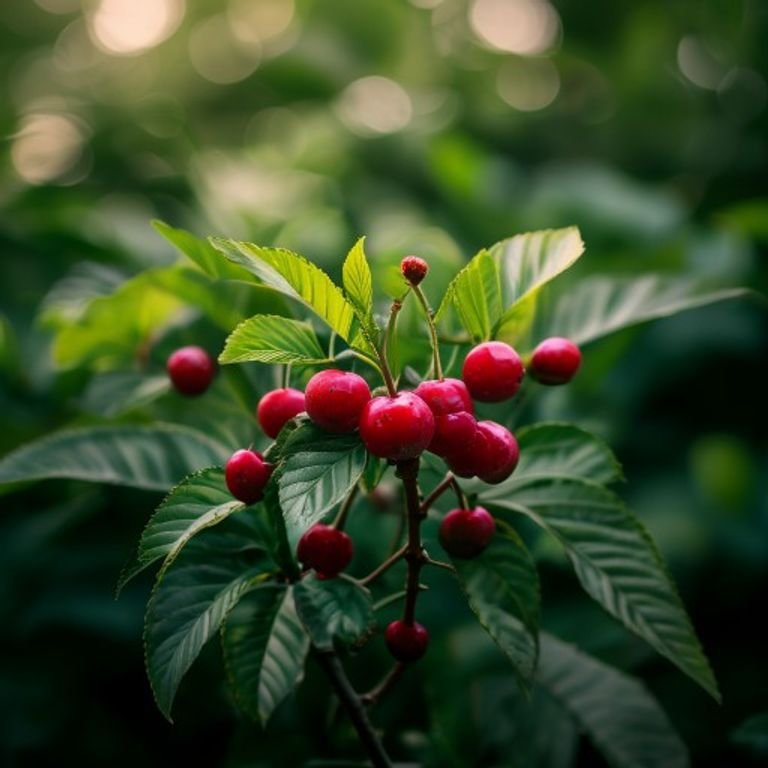
- Appearance: It’s a visually appealing plant with glossy, dark green leaves that provide a lush backdrop for its charming flowers and fruits. The new growth often emerges with a reddish tint, adding an extra layer of visual interest.
- Flowers: The plant produces delicate, small, white flowers that emerge in clusters along the branches, often appearing before the flush of new leaves. These starry blossoms are not only beautiful but also attract pollinators, bringing life to your garden.
- Foliage: The evergreen foliage is dense and attractive, making it an excellent choice for ornamental purposes even when not in fruit. The leaves are typically oval-shaped, slightly leathery, and have a beautiful sheen.
- Fragrance: While the flowers themselves have a subtle, sweet fragrance, the ripe fruits are notably aromatic, releasing a pleasant, fruity scent that enhances their appeal.
- Decorative Value: Its compact size, attractive foliage, delicate flowers, and vibrant red fruits make the Cherry of Rio Grande a highly decorative plant. It fits well into various garden designs, from small urban balconies to larger landscape settings, and can be grown as a specimen plant or as part of a mixed planting.
Growing Requirements
To ensure your Cherry of Rio Grande flourishes and produces abundant fruits, understanding its basic growing requirements is key.
- Light: The Cherry of Rio Grande thrives in full sun, meaning at least 6-8 hours of direct sunlight per day. It can tolerate partial shade, especially in hotter Indian climates during the peak afternoon, but fruiting might be reduced.
- Water: This plant prefers consistent moisture, especially during its active growing and fruiting seasons. Water regularly, ensuring the soil remains evenly moist but not waterlogged. Allow the top inch or two of soil to dry out slightly between waterings. Reduce watering during cooler, dormant periods.
- Temperature: It is well-suited to the warm Indian climate. It tolerates temperatures between 15°C to 35°C well. While it can handle brief dips below 10°C, prolonged cold or frost can damage the plant, so protection might be needed in colder northern Indian regions during winter.
- Humidity: Being a subtropical plant, it appreciates moderate to high humidity. The natural humidity in many parts of India is generally suitable. In very dry conditions, occasional misting or grouping with other plants can help.
- Soil: The Cherry of Rio Grande prefers well-draining, fertile soil. A slightly acidic to neutral pH (6.0-7.0) is ideal. Good drainage is crucial to prevent root rot.
- Potting Mix: If growing in a pot, use a high-quality, well-draining potting mix. A mix designed for fruit trees or a general-purpose potting mix amended with perlite or coco coir for drainage works well. Ensure the pot has adequate drainage holes.
- Fertilizer: Feed your Cherry of Rio Grande with a balanced, slow-release fertilizer or an organic fruit tree fertilizer during the growing season (spring through monsoon). Follow the product instructions for dosage. A boost of phosphorus and potassium during flowering and fruiting can enhance yield. Avoid over-fertilizing, which can burn the roots.
How to Care for This Plant
Caring for your Cherry of Rio Grande is a rewarding experience. Here’s a practical, step-by-step guide:
- Watering Schedule: Establish a consistent watering routine. Check the soil moisture regularly by sticking your finger about an inch or two into the soil. Water when it feels dry. During hot Indian summers, you might need to water daily, while in cooler months, watering can be less frequent.
- Pruning for Shape and Production: Prune your Cherry of Rio Grande to maintain its shape, control size, and encourage better fruit production. The best time for major pruning is after the main fruiting season. Remove dead, diseased, or crossing branches. You can also lightly prune for shape throughout the year. For container-grown plants, root pruning every 2-3 years can help manage size.
- Pest and Disease Monitoring: Regularly inspect your plant for any signs of pests or diseases. Early detection is key. Refer to the common problems section for specific issues.
- Seasonal Care:
- Spring (Post-winter to pre-monsoon): This is typically the active growth and flowering season. Ensure consistent watering and begin your fertilizing schedule. Protect from intense mid-day sun if temperatures soar.
- Monsoon: Ensure good drainage to prevent waterlogging. Reduce supplemental watering if rainfall is consistent. This is often a good time for establishment due to natural humidity.
- Autumn: Fruits usually ripen during this period. Continue regular watering and fertilization until fruiting concludes.
- Winter: In most parts of India, the Cherry of Rio Grande is evergreen. In colder regions, protect potted plants by moving them indoors or to a sheltered location. Reduce watering significantly as growth slows down.
- Mulching: Apply a layer of organic mulch around the base of the plant (keeping it away from the stem) to help retain soil moisture, suppress weeds, and regulate soil temperature.
- Potting and Repotting: For container-grown plants, repot every 1-2 years into a slightly larger pot, or refresh the potting mix and prune roots if you wish to keep the plant in the same size pot.
Common Problems and Solutions
Even with the best care, your Cherry of Rio Grande might occasionally face some challenges. Here are common problems and how to address them:
- Yellow Leaves:
- Cause: Often indicates overwatering, poor drainage, or nutrient deficiency (especially iron or nitrogen).
- Solution: Check soil moisture. If waterlogged, improve drainage. Ensure proper watering practices. If drainage is good, consider a balanced fertilizer or a micronutrient supplement.
- Pests (e.g., Scale Insects, Aphids):
- Cause: Small sap-sucking insects that can cluster on stems and undersides of leaves.
- Solution: For light infestations, wipe them off with a damp cloth or spray with a strong stream of water. For heavier infestations, use neem oil spray or insecticidal soap, applied as per product instructions.
- Fungal Diseases (e.g., Powdery Mildew):
- Cause: Appears as white, powdery spots on leaves, usually due to high humidity and poor air circulation.
- Solution: Improve air circulation by pruning dense foliage. Apply a fungicidal spray if the problem persists, ensuring good coverage.
- Root Rot:
- Cause: Primarily caused by consistent overwatering and poorly draining soil.
- Solution: Prevent by ensuring excellent drainage. If detected early, allow the soil to dry out completely between waterings. In severe cases, repotting with fresh, well-draining soil and trimming affected roots might be necessary.
- Poor Flowering/Fruiting:
- Cause: Insufficient sunlight, inadequate fertilization, lack of pollination, or immature plant.
- Solution: Ensure the plant receives at least 6-8 hours of direct sunlight. Use a fertilizer high in phosphorus and potassium during flowering season. Most Cherry of Rio Grande are self-fertile, but attracting more pollinators (bees, butterflies) can help. Young plants may take a few years to start fruiting consistently.
- Slow Growth:
- Cause: Can be due to insufficient nutrients, inadequate light, or compacted soil.
- Solution: Ensure regular fertilization, optimal light conditions, and good soil aeration. Check for root bound conditions in potted plants.
- Leaf Drop:
- Cause: Can be a reaction to stress, such as sudden temperature changes, severe underwatering or overwatering, or pest infestation.
- Solution: Identify and rectify the underlying stress factor. Ensure consistent care regarding water and temperature.
Benefits
Beyond its charm, the Cherry of Rio Grande offers several benefits that make it a desirable addition to your home or garden.
- Edible & Delicious Fruits: The most significant benefit is its delicious, cherry-like fruits. They are sweet with a pleasant tartness, perfect for fresh eating, making jellies, jams, or adding to desserts. They are also rich in Vitamin C and antioxidants.
- Home & Balcony Decoration: With its attractive evergreen foliage, delicate flowers, and vibrant red fruits, it serves as an excellent ornamental plant. Its compact size makes it ideal for container gardening on balconies, patios, or as a focal point in small gardens.
- Landscaping: In larger gardens, it can be used as a specimen shrub, a hedge, or as part of a mixed border, adding a tropical touch and a source of fresh fruit.
- Pollinator Friendly: The small white flowers are a good source of nectar and pollen for bees, butterflies, and other beneficial insects, contributing to the biodiversity of your garden.
- Adaptability: It’s relatively hardy and adaptable to various soil types and climates, making it suitable for many regions across India, provided its basic needs are met.
Frequently Asked Questions
How long does it take for Cherry of Rio Grande to fruit?
Typically, a young Cherry of Rio Grande plant grown from seed can take 3-5 years to start fruiting. However, plants purchased from nurseries that are already a few years old or propagated from cuttings may start fruiting within 1-2 years after planting, often when they reach a certain level of maturity and size.
Can Cherry of Rio Grande be grown in a pot?
Yes, the Cherry of Rio Grande is an excellent candidate for container gardening. Its relatively compact growth habit makes it suitable for pots on balconies, patios, or in smaller gardens. Ensure you use a large pot with good drainage, a well-draining potting mix, and provide consistent watering and feeding for optimal growth and fruit production.
How do I prune my Cherry of Rio Grande plant?
Pruning is essential for maintaining the shape, size, and productivity of your Cherry of Rio Grande. The best time for major pruning is right after the main harvest. Focus on removing dead, diseased, or damaged branches. You can also thin out overcrowded branches to improve air circulation and sunlight penetration, which encourages better fruiting. Light shaping can be done throughout the year.
Final Thoughts
Bringing the Cherry of Rio Grande into your home or garden is an investment in beauty, deliciousness, and a touch of the tropics. With its stunning appearance, delightful fruits, and relatively straightforward care, it’s a plant that rewards generously. By providing the right light, water, and nourishment, you can enjoy fresh, homegrown cherries for years to come, adding a unique flavor to your culinary adventures. Plantrea is the online plant platform from Wynorg, helping plant lovers across India discover quality plants, practical growing advice, and trusted nursery sourcing. We hope this guide empowers you to grow your own successful Cherry of Rio Grande.
Interested in This Plant?
Are you captivated by the idea of growing your own Cherry of Rio Grande and enjoying its delightful fruits? Our Plant Expert chat is here to assist you with any questions you might have about this wonderful plant.
Simply click on the chat icon at the bottom-right corner of your screen to connect with our experienced gardening assistants. They can help you check whether the Cherry of Rio Grande is currently available for purchase, offer personalised plant recommendations tailored to your specific home or garden conditions, and answer any detailed questions you may have about its care and maintenance.
Whether you’re curious about optimal soil conditions, struggling with a specific pest, or looking for suitable alternatives if the Cherry of Rio Grande isn’t quite right for your space, our Plant Expert is ready to provide friendly, knowledgeable advice to ensure your gardening success.
Want to buy this plant? Visit https://plantrea.com/shop-2/