Comprehensive Guide to Growing Israel Yellow Dragonfruit in India: Care, Benefits, and Tips
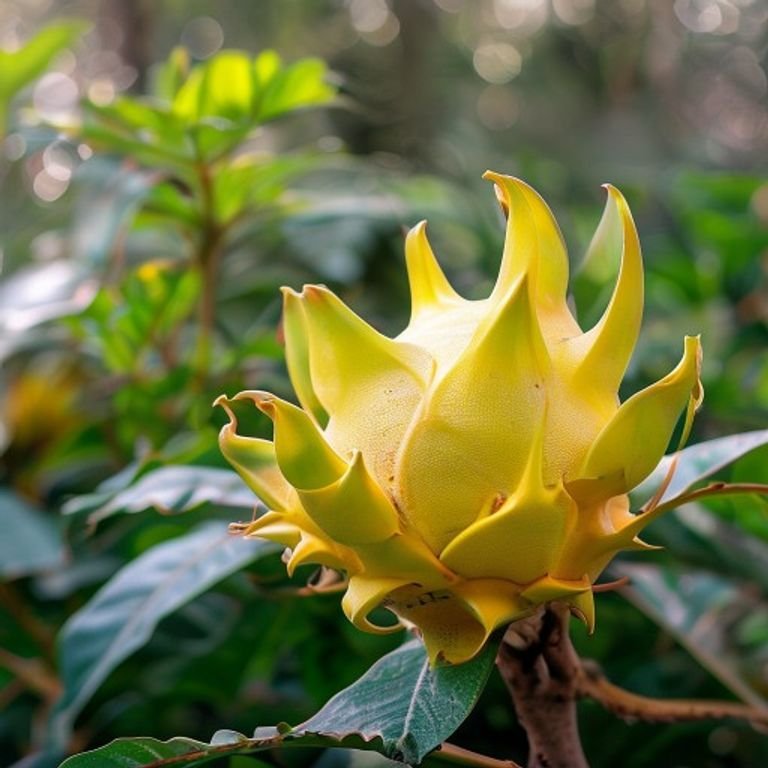
The Israel Yellow Dragonfruit, a vibrant and intriguing tropical cactus, has quickly captured the hearts of Indian gardeners and fruit enthusiasts alike. With its distinctive bright yellow skin, translucent white flesh speckled with tiny black seeds, and refreshingly sweet taste, it’s a delightful addition to any home garden or balcony. Beyond its delicious fruit, the plant itself offers a unique aesthetic with its sprawling, architectural stems and large, nocturnal flowers, making it a fascinating specimen to cultivate. It’s a plant that promises not just exotic produce but also an engaging gardening journey.
For those looking to explore the wonders of tropical fruit cultivation, the Israel yellow dragonfruit is an excellent choice. Its adaptability to various Indian climates (with appropriate care) makes it accessible for many. Plantrea is the online plant platform by Wynorg, a trusted Indian brand known for delivering healthy live plants safely across India, helping you bring such exotic beauties right to your doorstep and guiding you every step of the way.
Botanical Overview
The Israel Yellow Dragonfruit is botanically known as Selenicereus megalanthus, although it was formerly classified under Hylocereus megalanthus. It belongs to the Cactaceae family, making it a true cactus. Its origin traces back to the northern regions of South America, particularly in countries like Colombia, Ecuador, and Peru, where it thrives in tropical and subtropical environments. Unlike the typical desert cacti, this plant is an epiphytic or lithophytic cactus, meaning it naturally grows by clinging to trees or rocks, rather than directly in the soil. It exhibits a vining or climbing growth habit, producing long, three-angled stems that can sprawl several meters if left unsupported. The large, fragrant flowers are typically white to yellowish and bloom nocturnally, adding a touch of drama to the garden.
Why People Love This Plant
The Israel yellow dragonfruit is cherished for a multitude of reasons, making it a prized possession for many Indian plant lovers.
Appearance
The plant itself has a captivating, almost alien-like appearance. Its thick, succulent, three-ribbed stems are a lush green, often developing aerial roots that help it cling to surfaces. When mature, it produces spectacular, large, creamy-white to yellowish flowers that can be up to 30 cm long, typically opening at night and lasting only for a single night, filling the air with a delicate, sweet fragrance.
Flowers
While short-lived, the Israel yellow dragonfruit’s nocturnal flowers are truly magnificent. They are often described as ethereal and exotic, attracting nocturnal pollinators like moths and bats in their native habitats. For gardeners, witnessing these giant blooms unfold under the moonlight is a magical experience.
Foliage
Though not strictly “foliage” in the traditional sense, the green, segmented stems are the plant’s main structural and photosynthetic components. They add a unique, architectural element to the garden, especially when trained on a trellis or pergola. The vibrant green provides a pleasant contrast to the eventual bright yellow fruit.
Fragrance
The large, trumpet-shaped flowers emit a sweet, pleasant fragrance, especially noticeable during their nocturnal bloom. This subtle perfume adds another layer of sensory delight to the garden during warm evenings.
Decorative Value
Beyond its delicious fruit, the Israel yellow dragonfruit plant itself is highly ornamental. Its vining habit makes it ideal for growing on trellises, arbors, walls, or fences, transforming plain structures into lush, productive green screens. The bright yellow fruits, once formed, hang like jewels, further enhancing its decorative appeal and making it a conversation starter in any garden.
Growing Requirements
Cultivating a healthy Israel yellow dragonfruit plant in Indian conditions requires attention to a few key environmental factors.
Light
Israel yellow dragonfruit thrives in full sun, meaning at least 6-8 hours of direct sunlight daily. While it can tolerate some partial shade, especially in the hottest parts of the day during scorching Indian summers, ample sunlight is crucial for good flowering and fruit production. In regions with intense midday sun, a little afternoon shade can prevent scorching of the stems.
Water
As a cactus, the Israel yellow dragonfruit is drought-tolerant, but it performs best with regular watering, especially during its active growing and fruiting seasons. Allow the top few inches of soil to dry out completely between waterings to prevent root rot. In summer, you might need to water 2-3 times a week, while in winter, significantly reduce watering, perhaps once every 2-4 weeks, depending on ambient temperatures and humidity. Ensure good drainage to avoid waterlogging.
Temperature
Being a tropical plant, it prefers warm temperatures. The ideal temperature range for growth and fruiting is between 20°C and 35°C. It can tolerate temperatures up to 40°C if adequately watered and provided with some shade during peak heat. It is sensitive to frost and prolonged cold temperatures below 10°C, which can damage the stems. In colder Indian regions, protection or indoor relocation during winter might be necessary.
Humidity
The Israel yellow dragonfruit appreciates moderate to high humidity, typical of its native tropical environments. However, it is quite adaptable and can tolerate average Indian humidity levels. Extremely dry conditions combined with high heat can sometimes stress the plant, but generally, no special humidity measures are required in most Indian climates.
Soil
Well-draining soil is paramount for this cactus. It prefers a slightly acidic to neutral pH (6.0-7.0). A sandy loam soil enriched with organic matter works well. Avoid heavy clay soils that retain too much moisture, as this will lead to root rot.
Potting Mix
For container-grown Israel yellow dragonfruit, a good quality succulent or cactus potting mix is ideal. You can also create your own by mixing equal parts of garden soil, coarse sand or perlite, and well-rotted compost or coco peat. This blend ensures excellent drainage and aeration while providing essential nutrients.
Fertilizer
Feed your Israel yellow dragonfruit plant with a balanced, slow-release granular fertilizer or a liquid feed with an N-P-K ratio like 8-8-8 or 10-10-10 during its active growing season (spring and summer). Fertilize every 2-3 months or as per product instructions. Reduce or stop fertilizing during autumn and winter when the plant’s growth slows down.
How to Care for This Plant
Caring for an Israel yellow dragonfruit is a rewarding experience. Here’s a step-by-step guide to ensure your plant thrives and produces delicious fruit.
- Support System: Due to its vining nature, the Israel yellow dragonfruit needs a sturdy support system from the start. Install a strong trellis, stake, or arbor for the plant to climb on. Many gardeners use a single sturdy post (often concrete or wood) with a circular frame at the top to allow the branches to hang down, encouraging fruiting.
- Pruning: Regular pruning is essential for health, shape, and fruit production. Remove any damaged, diseased, or overly thin stems. Prune to encourage lateral branching once the main stem reaches the top of its support, as flowers and fruits typically form on mature, hanging branches. Pruning also helps improve air circulation.
- Watering Schedule: As mentioned, water thoroughly when the top few inches of soil are dry. Always check soil moisture before watering. Overwatering is the most common cause of problems.
- Pollination: While some varieties are self-fertile, hand pollination significantly increases fruit set and size for many Israel yellow dragonfruit plants. Its nocturnal flowers require manual intervention for optimal results. Use a soft brush to transfer pollen from the anthers to the stigma of the same flower or another flower just after dusk or early morning when the flower is fully open.
- Pest and Disease Monitoring: Regularly inspect your plant for signs of pests or diseases. Early detection makes treatment easier.
- Seasonal Care:
- Summer: Ensure adequate watering during hot spells. Provide some afternoon shade if temperatures are extreme to prevent sunburn. Continue regular feeding.
- Monsoon: Ensure excellent drainage to prevent root rot during heavy rains. Avoid standing water.
- Winter: Reduce watering considerably. Protect the plant from frost if growing in colder regions by covering it or moving potted plants indoors.
- Repotting: Repot young plants annually. Mature plants may need repotting every 2-3 years, or simply top-dress with fresh potting mix and fertilizer.
Common Problems and Solutions
Even with the best care, Israel yellow dragonfruit plants can encounter a few issues. Here are some common problems and their solutions:
- Yellow Leaves/Stems: Often a sign of overwatering leading to root rot or nutrient deficiency.
- Solution: Check soil moisture. If soggy, allow it to dry out. Improve drainage. If nutrient deficient, apply a balanced fertilizer.
- Pests: Mealybugs, scale insects, and ants (attracted to honeydew from pests) can infest the stems.
- Solution: Treat with neem oil spray, insecticidal soap, or horticultural oil. For severe infestations, use appropriate organic pesticides.
- Fungal Diseases: Stem rot or anthracnose can occur, especially in humid conditions with poor air circulation.
- Solution: Prune affected areas. Improve air circulation by thinning out crowded stems. Use a fungicide if necessary. Ensure good drainage.
- Root Rot: Caused by consistent overwatering or poorly draining soil.
- Solution: Immediately reduce watering frequency. If in a pot, repot into fresh, well-draining soil, removing any rotten roots. Ensure pots have drainage holes.
- Poor Flowering/Fruiting: Lack of flowers or fruit can be due to insufficient sunlight, immature plant, lack of pollination, or nutrient imbalance.
- Solution: Ensure full sun exposure. Hand pollinate during flowering season. Provide a balanced fertilizer, especially one with a good phosphorus content. Patience is key, as plants might take a few years to start fruiting.
- Slow Growth: Can be due to inadequate light, poor nutrition, or incorrect watering.
- Solution: Review light exposure and provide adequate sunlight. Fertilize regularly during the growing season. Ensure proper watering without waterlogging or prolonged dryness.
- Leaf Drop (Stem Segment Drop): Unusual for dragon fruit, but can occur if plant is severely stressed by extreme cold, overwatering leading to rot, or extreme drought.
- Solution: Address the underlying stress factor (temperature, water). Prune off any detached or clearly unhealthy segments.
Benefits
Growing the Israel yellow dragonfruit offers a bounty of benefits, making it a valuable addition to any Indian garden.
- Delicious and Nutritious Fruit: The primary benefit is its incredibly sweet, juicy, and refreshing fruit. It’s a healthy source of vitamins (especially Vitamin C), minerals, and dietary fiber.
- Home Decoration: Its unique vining habit and striking flowers make it an excellent ornamental plant. It can be trained on pergolas, arbors, or trellises to create beautiful green architecture.
- Balcony Gardening: With a sturdy pot and support, the Israel yellow dragonfruit can thrive on balconies, bringing a touch of tropical exoticism to urban spaces.
- Landscaping: In larger gardens, it can be integrated into edible landscapes, providing both aesthetic appeal and edible produce.
- Pollinator Friendly: While often requiring hand pollination for optimal fruiting in cultivation, its large nocturnal flowers do attract moths and other night-time insects, contributing to local biodiversity.
Frequently Asked Questions
How often should I water my Israel yellow dragonfruit plant?
Water your Israel yellow dragonfruit plant thoroughly when the top 2-3 inches of soil feel dry to the touch. In the hot Indian summer, this might be 2-3 times a week, while in cooler or monsoon seasons, it could be once a week or less. Always ensure the soil drains well to prevent root rot, as consistent waterlogging is detrimental to this cactus.
Does Israel yellow dragonfruit need a pollinator?
While some Israel yellow dragonfruit varieties can be self-fertile to an extent, hand pollination is highly recommended for optimal fruit set and larger, better-quality fruits. The large, nocturnal flowers often require manual transfer of pollen from the anthers to the stigma, ideally done in the evening or early morning, using a soft brush.
What kind of soil is best for Israel yellow dragonfruit?
The Israel yellow dragonfruit thrives in well-draining, slightly acidic to neutral soil. A sandy loam mix enriched with organic matter is ideal. For potted plants, use a good quality cactus or succulent potting mix, or create your own by blending garden soil with coarse sand or perlite and some well-rotted compost or coco peat to ensure excellent drainage and aeration.
Final Thoughts
Cultivating the Israel yellow dragonfruit is a truly rewarding endeavor, offering the unique joy of harvesting your own exotic, sweet fruits right from your garden or balcony. With proper sunlight, mindful watering, a sturdy support system, and a little attention to detail, this beautiful climbing cactus will not only adorn your space with its lush green stems and spectacular nocturnal blooms but also provide you with a healthy and delicious bounty. It’s a plant that connects you to the vibrant world of tropical horticulture.
Embrace the journey of growing this remarkable plant, and you’ll find immense satisfaction in its progress. Plantrea is the online plant platform from Wynorg, helping plant lovers across India discover quality plants, practical growing advice, and trusted nursery sourcing, ensuring you have all the resources you need for a flourishing garden.
Interested in This Plant?
Have you been captivated by the allure of the Israel yellow dragonfruit and its promise of exotic, sweet fruits? Perhaps you’re wondering if this unique vining cactus is the perfect fit for your specific home or garden conditions.
Our Plant Expert chat, conveniently located at the bottom-right corner of every page, is here to assist you. You can quickly check if the Israel yellow dragonfruit is currently available for purchase or get personalised plant recommendations tailored to your local climate and gardening space. Our expert is ready to help you make informed choices.
Don’t hesitate to use the Plant Expert to ask any lingering questions you might have about Israel yellow dragonfruit care and maintenance. Whether you need tips on pollination, pruning, or troubleshooting, our friendly assistant can provide practical advice. If the Israel yellow dragonfruit isn’t quite what you’re looking for, or if you’d like to explore similar options, our expert can also help you discover suitable alternatives to enhance your green space.
Want to buy this plant? Visit https://plantrea.com/shop-2/