Crossandra – Firecracker Flower for Temple Garlands | Wynorg Nursery
The vibrant Crossandra, often lovingly called the Firecracker Flower, is a true gem in Indian homes and gardens. Its dazzling, fan-shaped blooms in shades of fiery orange, soft salmon, and sunny yellow bring a burst of cheer and traditional charm to any space. Beloved for its almost year-round flowering and relatively easy care, it’s a favourite among gardeners looking to add continuous colour.
Whether adorning a balcony, gracing a shaded garden corner, or contributing to the sacred beauty of temple grounds, the Crossandra holds a special place. Its resilience and striking appearance make it a cherished plant across various regions of India. For those keen to bring this beauty into their homes, Plantrea is the online plant platform by Wynorg, a trusted Indian brand known for delivering healthy live plants safely across India.
Botanical Overview
The enchanting Crossandra is scientifically known as Crossandra infundibuliformis. This delightful flowering shrub is native to parts of India and Sri Lanka, thriving naturally in warm, tropical climates. It is primarily a shrub, known for its upright growth habit, typically reaching a modest height of 1 to 2 feet, making it perfect for both ground planting and container gardening. Its continuous flowering throughout the year is a major highlight, ensuring a constant display of its beautiful blossoms.
Why People Love This Plant
The Crossandra is more than just a plant; it’s a statement of vibrant beauty and cultural significance. Here’s why it has captured the hearts of plant enthusiasts:
Appearance
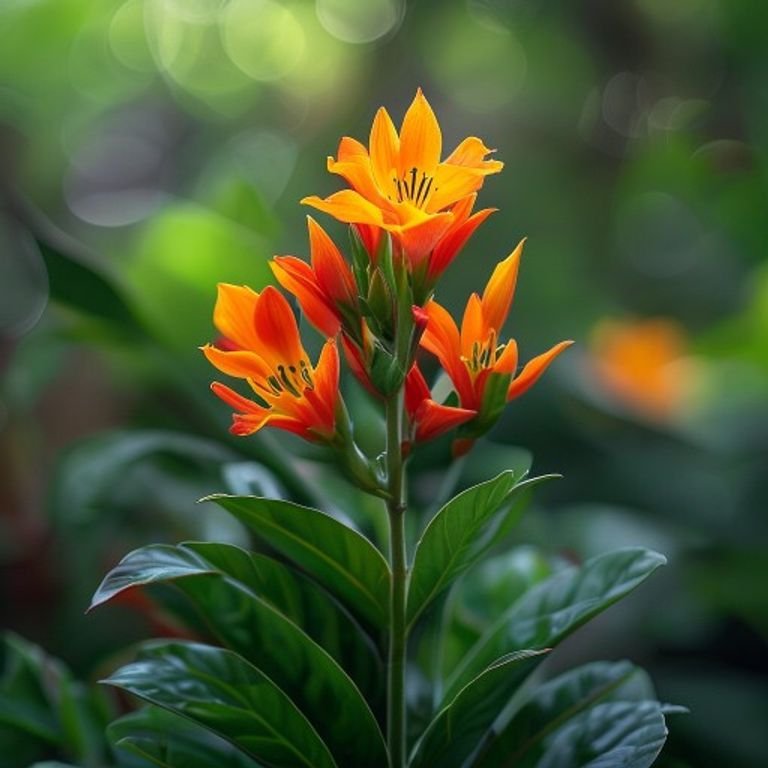
The striking visual appeal of the Crossandra lies in its unique, fan-shaped flowers. These blossoms, in their brilliant hues of orange, salmon, or yellow, emerge from tall, square-shaped spikes, creating a dramatic and exotic look. Complementing these flowers are its glossy, deep green leaves with gently wavy edges, providing a lush backdrop that makes the bright blooms stand out even more.
Flowers
The Firecracker Flower lives up to its name with a profusion of bright blooms that appear almost year-round, especially in warm climates. Each flower is a delicate work of art, opening in a way that resembles a small, brightly coloured fan. Their longevity on the plant and even after plucking makes them incredibly valuable.
Foliage
Even without its flowers, the foliage of the Crossandra is attractive. The leaves are a rich, dark green, glossy, and have a slightly undulating or wavy margin. This dense, healthy foliage contributes to the plant’s overall lush appearance, providing a beautiful contrast to the fiery blooms.
Fragrance
While the Crossandra is celebrated for its visual appeal, it is important to note that its flowers do not possess a distinct fragrance.
Decorative Value
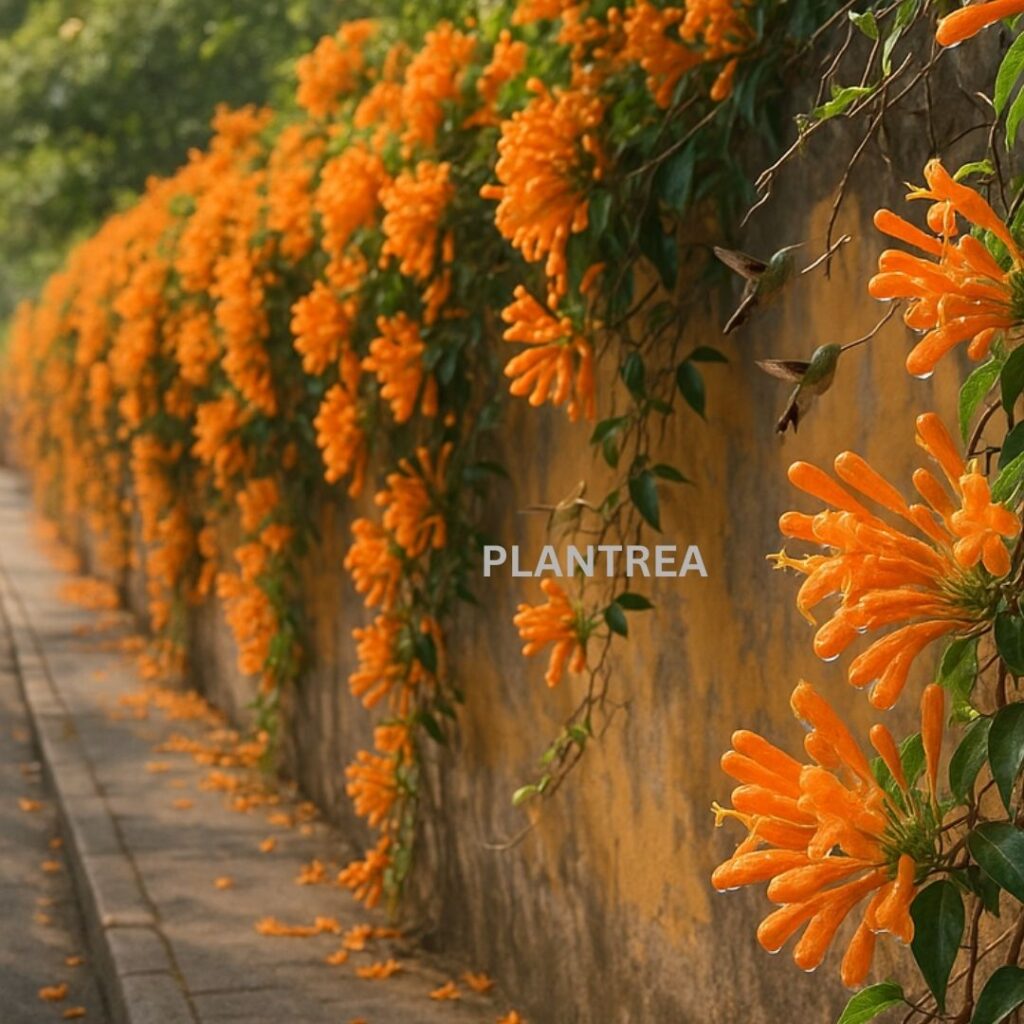
The decorative value of Crossandra infundibuliformis is immense. Its long-lasting flowers make it an excellent choice for cut flower arrangements, and they are particularly cherished in South India for crafting intricate hair garlands, known as “gajras,” and for temple offerings. In the garden, its vibrant colours can brighten up balconies, shaded patios, and temple gardens. It brings a tropical touch and a splash of constant colour, making any space feel more inviting and lively.
Growing Requirements
Caring for your Crossandra is a rewarding experience, especially when you understand its basic needs. Providing the right environment is key to enjoying its continuous blooms.
Light
Crossandra thrives in partial sun conditions. This typically means it enjoys bright, indirect light for most of the day or direct morning sun for a few hours. In the harsh Indian afternoon sun, it’s crucial to provide some shade to prevent leaf scorch. A spot under a larger tree, a shaded balcony, or a window receiving morning sun would be ideal for your Firecracker Flower.
Water
This plant prefers consistently moist soil, but it’s important to avoid waterlogging. Water moderately, allowing the top inch of soil to dry out slightly between waterings. During hot Indian summers, you might need to water more frequently, while in cooler months, reduce the frequency. Always ensure your pot has good drainage holes.
Temperature
Being a tropical plant, Crossandra loves warmth. It thrives in typical Indian temperatures, ideally between 20°C to 35°C. It is sensitive to cold and can suffer leaf drop or slow growth if temperatures dip too low, especially below 10°C. Protect it from cold drafts and frost during winter, moving potted plants indoors if necessary.
Humidity
Crossandra appreciates moderate to high humidity, typical of many tropical regions in India. While it generally tolerates average household humidity, if your environment is particularly dry, especially indoors, consider misting the leaves occasionally or placing the pot on a pebble tray filled with water to increase local humidity.
Soil
A well-draining, fertile soil mix is essential for the Crossandra. It prefers soil that is rich in organic matter. A slightly acidic to neutral pH (6.0-7.0) is ideal for optimal nutrient absorption and healthy growth.
Potting Mix
For container-grown Crossandra, a good quality potting mix that offers both excellent drainage and moisture retention is crucial. A mix containing cocopeat, garden soil, and compost in equal parts, along with some perlite or sand for drainage, works very well. This combination ensures adequate aeration for the roots while providing necessary nutrients and moisture.
Fertilizer
To encourage its prolific, year-round flowering, fertilize your Crossandra monthly during its active growing and flowering seasons (typically spring to autumn, and even through milder winters in India). Use a balanced liquid fertilizer or a slow-release granular fertilizer, following the package instructions carefully. Reduce feeding during its less active periods.
How to Care for This Plant
With its moderate care level, the Crossandra is a delightful plant to grow. Here’s a practical, step-by-step guide to keeping your Firecracker Flower flourishing:
- Watering Wisely: The key to a happy Crossandra is consistent moisture without waterlogging. Check the soil regularly; when the top inch feels dry, it’s time to water. Pour water until it drains from the bottom of the pot. Never let the pot sit in standing water, as this can lead to root rot.
- Light Placement: Position your Crossandra where it receives partial sun. Morning sun is ideal as it’s gentle, providing the energy for flowering without the risk of scorching. If growing outdoors in a hot climate, choose a spot that gets dappled shade during the hottest part of the day.
- Pruning for Bushiness: Regular pruning is vital for maintaining a bushy plant and encouraging more blooms. Pinch back the growing tips of young plants to promote branching. Deadhead spent flowers by snipping them off at the base of the flower stalk. This redirects the plant’s energy into producing new flowers rather than seeds.
- Feeding Schedule: During its active growth and flowering phases, feed your Crossandra monthly with a good quality, balanced liquid fertilizer. For outdoor plants, a slow-release granular fertilizer can also be effective. Always follow the manufacturer’s recommendations for dilution and application.
- Repotting: Crossandra generally benefits from repotting every one to two years, or when you notice it has become root-bound. Choose a pot that is only one size larger than the current one to avoid overwatering issues. Spring is usually the best time to repot.
- Pest and Disease Watch: Regularly inspect your plant for any signs of pests or diseases. Early detection makes treatment much easier. Good air circulation and proper watering practices are your first line of defense.
- Winter Care (if applicable): While many parts of India experience mild winters, if you live in a region with cooler temperatures, protect your Crossandra. Move potted plants indoors to a bright, warm spot, and reduce watering slightly as growth slows down.
Common Problems and Solutions
Even with the best care, plants can sometimes face challenges. Here are some common problems with Crossandra and how to address them:
- Yellow Leaves: This is often a sign of improper watering – either too much or too little. Overwatering can lead to root rot, while underwatering causes stress. Check soil moisture before watering. It can also indicate a nutrient deficiency; ensure regular fertilization.
- Pests (e.g., Spider Mites): Spider mites can be a problem, especially in dry conditions. Look for fine webbing and tiny dots on the undersides of leaves. Increase humidity, wipe leaves with a damp cloth, or use an organic insecticidal soap or neem oil spray to control infestations.
- Fungal Diseases (e.g., Root Rot): Root rot is almost always caused by overwatering and poor drainage. Symptoms include wilting leaves despite moist soil, soft stems, and a foul smell from the soil. Prevent it by using well-draining soil and pots, and by allowing the soil to dry out slightly between waterings. If severe, repot into fresh, well-draining soil after trimming away affected roots.
- Poor Flowering: If your Crossandra isn’t flowering as much as it should, the likely culprits are insufficient light or lack of nutrients. Ensure it’s getting enough bright, indirect light or morning sun. Regular monthly fertilization during the growing season is crucial for prolific blooms.
- Slow Growth: Stunted or slow growth can be due to several factors: inadequate light, nutrient deficiency, or a pot that’s too small. Assess these conditions and make adjustments as needed, such as relocating the plant or repotting it.
- Leaf Drop in Cold: Crossandra is sensitive to cold temperatures and sudden drops. If exposed to chills or drafts, it may shed its leaves. Move the plant to a warmer, protected location if cold weather is anticipated.
Benefits
Beyond its striking beauty, the Crossandra offers several benefits that make it a cherished plant for many Indian households and gardens:
- Home Decoration: The vibrant orange, salmon, or yellow blooms of the Crossandra add a splash of tropical colour and elegance to any indoor or outdoor setting. Potted Crossandra plants are perfect for brightening up living spaces, dining areas, or entrances.
- Balcony Gardening: For those with limited garden space, Crossandra is an excellent choice for balcony gardening. Its preference for partial sun makes it suitable for balconies that don’t receive harsh, all-day sun.
- Landscaping: In larger gardens, particularly those with shaded areas, Crossandra can be used to add continuous colour. It thrives in shaded gardens and is a popular choice for temple gardens where its flowers are frequently used for adornment and offerings.
- Cultural Significance: The long-lasting flowers of Crossandra are highly valued in South India for their use in creating beautiful hair garlands (gajras) and for religious rituals and temple decorations.
- Shade Tolerant: Unlike many flowering plants that demand full sun, Crossandra’s ability to thrive in partial shade makes it a versatile option for areas of the garden where other sun-loving plants might struggle.
Frequently Asked Questions
Here are some common questions about caring for your Crossandra:
FAQ 1: Why is it used in hair garlands?
Crossandra flowers are highly prized for hair garlands in South India because of their exceptional longevity. They remain fresh and vibrant for a long time even after being plucked, making them perfect for crafting beautiful and lasting adornments.
FAQ 2: Does it need full sun?
No, Crossandra does not need full sun and, in fact, prefers partial shade. It thrives best with morning sun or dappled light throughout the day, especially in the intense Indian climate. Direct, harsh afternoon sun can scorch its leaves.
FAQ 3: How often to water?
You should water your Crossandra regularly to keep its soil consistently moist. However, ensure the soil is never waterlogged. A good rule of thumb is to water when the top inch of the soil feels dry to the touch.
Final Thoughts
The Crossandra, with its brilliant, almost year-round blooms, is a truly captivating plant that brings joy and beauty to any Indian garden or home. Its moderate care requirements and adaptability to partial shade make it a rewarding choice for both novice and experienced gardeners. By providing it with adequate light, consistent moisture, and regular feeding, you can enjoy its vibrant display for years to come.
Embracing the charm of the Firecracker Flower allows you to connect with nature’s beauty and traditional Indian floral culture. Plantrea is the online plant platform from Wynorg, helping plant lovers across India discover quality plants, practical growing advice, and trusted nursery sourcing. We hope this guide helps you cultivate a flourishing Crossandra and enjoy its radiant presence.
Interested in This Plant?
If the vivid charm of the Crossandra, or Firecracker Flower, has caught your eye, and you’re considering adding this beautiful plant to your collection, you might have a few more questions. That’s where our Plant Expert chat comes in handy!
Our friendly and knowledgeable Plant Expert is available right at the bottom-right corner of your screen, ready to assist you. You can use the chat to check whether the vibrant Crossandra is currently available for purchase or to get personalised plant recommendations that would thrive in your specific home or garden conditions. Perhaps you’re looking for an orange flower with a similar care routine, or something that perfectly complements your existing greenery?
Don’t hesitate to ask any questions you have about Crossandra care and maintenance – from watering tips to pest prevention. Our Plant Expert is like having an experienced gardener at your fingertips, offering tailored advice to help your plants flourish. If, for any reason, the Crossandra isn’t quite right for you, or if you’re exploring other options, they can also help you find suitable alternatives that meet your gardening aspirations.
Want to buy this plant? Visit https://plantrea.com/shop-2/