Lantana – Butterfly Magnet with Multi-Colored Flowers | Wynorg Nursery
There’s a special charm about a plant that bursts with vibrant colours, thrives on neglect, and invites a flurry of butterflies to your garden. In Indian homes and gardens, Lantana is exactly that plant – a beloved shrub that paints landscapes with its ever-changing, multi-hued blossoms. Its hardiness and continuous flowering make it a favourite for adding cheerful beauty with minimal fuss, perfect for our diverse climate.
Whether you’re looking to create a stunning visual display or a vibrant habitat for pollinators, Lantana delivers. Its ability to withstand tough conditions, from scorching sun to dry spells, makes it an ideal choice for many Indian gardeners. Plantrea is the online plant platform by Wynorg, a trusted Indian brand known for delivering healthy live plants safely across India, and we’re thrilled to guide you through cultivating this magnificent, easy-care shrub.
Botanical Overview
The botanical name for this captivating shrub is Lantana camara. It belongs to the Verbenaceae family, though it’s most commonly known simply as Lantana. Originating from the tropical Americas, this versatile plant has found a comfortable home in tropical and subtropical regions worldwide, including India.
As a flowering shrub, Lantana typically exhibits a versatile growth habit. Depending on the variety and pruning, it can be trailing, spreading gracefully over edges, or adopting an upright, bushy form, reaching anywhere from 2 to 6 feet in height. Its robust nature and year-round flowering make it a prominent feature in many outdoor spaces.
Why People Love This Plant
The appeal of Lantana is undeniable, stemming from its stunning appearance, fragrance, and incredible resilience.
Appearance
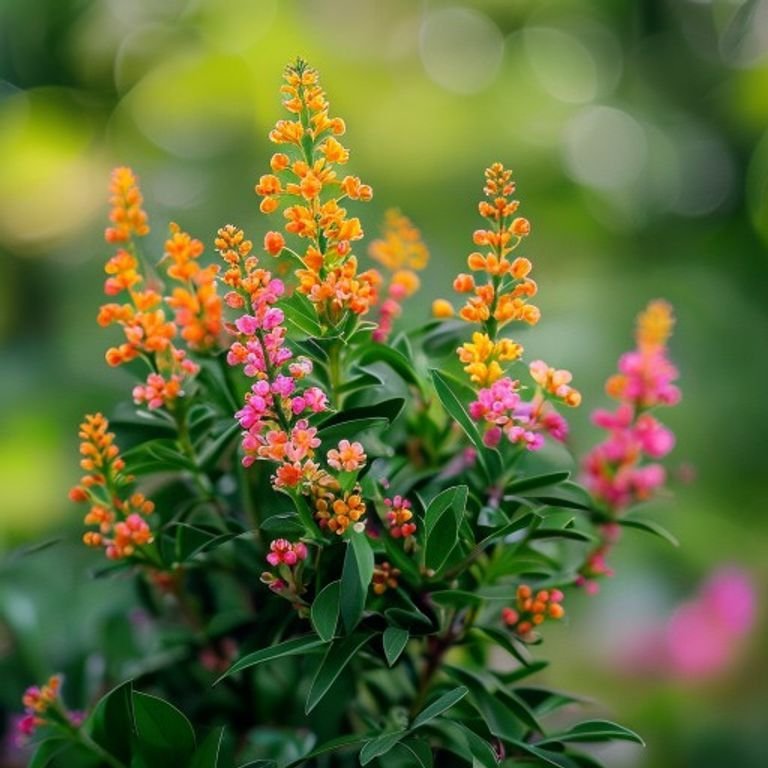
The most striking feature of Lantana is its unique flower clusters. Each compact head is a miniature bouquet of numerous small florets. What truly sets them apart is their ability to change colour as they mature. You’ll often find a single cluster displaying a beautiful gradient of colours – perhaps yellow and orange fading to pink and red – creating a dazzling multi-coloured effect that adds incredible depth and interest to any garden.
Flowers
Lantana is a true gift for those who adore continuous colour. It blooms profusely year-round, especially in warm climates, ensuring your garden remains lively and vibrant throughout the seasons. These prolific blossoms are not just pretty; they are a vital food source for many pollinators.
Foliage
While the flowers steal the show, the foliage of Lantana provides a lush green backdrop. The leaves are typically ovate with serrated edges and have a slightly rough texture. One interesting characteristic of Lantana camara is the distinct, often pungent, fragrance released from its leaves when crushed or brushed against. This aroma can be quite strong but adds another sensory dimension to the plant.
Fragrance
Yes, the leaves of Lantana are fragrant, emitting a distinctive, somewhat spicy scent. While not everyone finds the leaf fragrance appealing up close, it contributes to the plant’s overall character and is generally not noticeable unless you’re handling the plant directly.
Decorative Value
Beyond its individual features, Lantana offers immense decorative value. Its continuous display of multi-coloured flowers makes it an excellent choice for borders, rockeries, groundcover, or as a vibrant specimen plant in pots. It’s especially popular in coastal gardens due to its salt tolerance and in dry slopes where it can thrive with minimal water. As a natural butterfly magnet, it transforms any space into a lively haven, buzzing with colourful insects.
Growing Requirements
One of the many reasons Lantana is so beloved, especially for beginners and busy gardeners, is its remarkably easy care. It’s a very drought tolerant plant, built to thrive in conditions where many others would struggle.
- Light: Lantana absolutely loves the sun. For the best flowering and healthiest growth, provide it with full sun, meaning at least 6 hours of direct sunlight per day. In shadier conditions, it may become leggy and produce fewer blooms.
- Water: This is where Lantana truly shines as a drought tolerant plant. It has very low water needs once established. Water new plants regularly to help them settle in, but once mature, allow the soil to dry out completely between waterings. Overwatering is one of the quickest ways to harm this plant.
- Temperature: Being a tropical native, Lantana thrives in warm temperatures, making it perfectly suited for the Indian climate. It tolerates heat and humidity well, which is why it’s such a popular choice across the country.
- Humidity: Lantana camara is highly adaptable and performs well in a wide range of humidity levels common in India. It doesn’t require special humidity considerations.
- Soil: Lantana is incredibly forgiving when it comes to soil. It tolerates poor soil conditions, even sandy or rocky soils, as long as they are well-draining. Rich, heavy soils can sometimes lead to excessive foliage growth at the expense of flowers.
- Potting Mix: If growing in pots, use a good quality, well-draining potting mix. A standard garden soil mix amended with some coarse sand or perlite to improve drainage would be ideal. Ensure the pot has drainage holes.
- Fertilizer: Due to its hardy nature and ability to thrive in poor soil, Lantana is not a heavy feeder. In fact, too much fertilizer can encourage leafy growth over flowers. A light application of a balanced, slow-release granular fertilizer in spring, or a liquid feed once a month during its active growing season, is usually sufficient, especially for potted plants. Ground-planted Lantanas often need little to no extra feeding.
How to Care for This Plant
Caring for Lantana is straightforward, making it an excellent choice for both novice and experienced gardeners. Here’s a practical guide:
- Watering Wisely: The golden rule for Lantana is “less is more” when it comes to water. After establishment, water only when the top few inches of soil are dry. During extended dry spells, a deep watering every week or two might be necessary, but avoid daily watering.
- Pruning for Shape and Bloom: Regular pruning is key to keeping your Lantana looking its best and flowering profusely.
- Deadheading: While not strictly necessary for blooming, removing spent flower clusters (deadheading) can encourage more blooms and prevent the plant from going to seed, which conserves its energy.
- Shaping and Control: As Lantana can become quite vigorous, especially in ideal conditions, prune to control its size and shape. You can do this at any time of the year, though a more significant cutback is often done in late winter or early spring before new growth begins. This helps rejuvenate the plant and maintain a compact form.
- Rejuvenation Pruning: If your plant looks leggy or overgrown, don’t be afraid to cut it back quite hard, even by a third or half. It will bounce back with renewed vigour.
- Sunlight is Essential: Always ensure your Lantana receives ample sunlight. If growing in a pot, you can move it to the sunniest spot in your garden or balcony.
- Pest and Disease Watch: While generally robust, keep an eye out for common problems. Good air circulation and appropriate watering practices will keep most issues at bay.
- Winter Care (if applicable): In regions of India with cooler winters, Lantana may slow down its growth or even die back slightly. It generally recovers well with the return of warmth. Mulching around the base can offer some protection.
Common Problems and Solutions
While Lantana is incredibly hardy, understanding potential issues can help you keep your plant thriving.
- Yellow Leaves:
- Cause: Often a sign of overwatering or poor drainage, leading to root stress. It can also indicate a nutrient deficiency (like iron) or even underwatering.
- Solution: Check soil moisture. Allow the soil to dry out between waterings. Ensure proper drainage in pots. If persistent, a balanced liquid fertilizer or iron supplement might help.
- Pests (Whiteflies):
- Cause: Small, white, winged insects that feed on the undersides of leaves, causing them to yellow and wilt.
- Solution: For mild infestations, a strong spray of water can dislodge them. For heavier infestations, use an insecticidal soap or neem oil spray, ensuring you cover the undersides of leaves.
- Root Rot:
- Cause: Primarily caused by consistently wet, poorly draining soil. The roots suffocate and decay.
- Solution: Prevent by ensuring excellent drainage and watering sparingly. If detected, try to improve drainage or repot the plant in fresh, well-draining soil, trimming any mushy, discoloured roots.
- Poor Flowering:
- Cause: Most commonly due to insufficient sunlight. Other factors include too much nitrogen fertilizer (promotes leaves over flowers), or lack of pruning.
- Solution: Move to a sunnier location. Use a fertilizer balanced for flowering plants (higher in phosphorus). Prune regularly to encourage new blooms.
- Slow Growth / Leggy Growth:
- Cause: Lack of adequate sunlight is the most frequent reason. It can also be due to poor soil, nutrient deficiency, or overcrowding.
- Solution: Ensure full sun exposure. Improve soil if necessary. Prune back leggy growth to encourage bushier, more compact development.
- Leaf Drop:
- Cause: Can be a stress response to sudden changes in environment, extreme temperatures, or incorrect watering (both over and under).
- Solution: Identify the stressor. Ensure consistent watering (but not overwatering) and stable conditions. Lantana is quite resilient and often recovers once conditions improve.
- Invasive Potential:
- Cause: In some areas, particularly in India, Lantana camara can spread aggressively and outcompete native vegetation.
- Solution: Keep the plant well-pruned to control its spread. Remove spent flowers to prevent seed formation. Consider growing it in containers to restrict its growth if you are in a sensitive ecological area.
- Leaves Toxic if Eaten:
- Cause: The leaves and unripe berries of Lantana contain compounds that are toxic if ingested by humans or pets.
- Solution: Be aware of this toxicity. If you have curious pets or small children, supervise them around the plant or place it in an inaccessible area.
Benefits
Beyond its easy care and beauty, Lantana offers several fantastic benefits that make it a valuable addition to many Indian gardens and landscapes.
- Home Decoration: The continuous burst of multi-coloured flowers makes Lantana an exceptional choice for adding vibrant hues and dynamic visual interest to any outdoor space. It’s perfect for creating cheerful focal points.
- Balcony Gardening: With proper pruning to manage its size, Lantana can thrive in large pots and containers on balconies, bringing year-round colour and attracting butterflies even to urban settings.
- Landscaping: Its hardiness, drought tolerance, and colourful display make it ideal for various landscaping applications. It excels in butterfly gardens, creating a lively ecosystem. It’s also a superb coastal plant, as it tolerates salty air and sandy soils remarkably well. For dry slopes or areas where water conservation is key, Lantana is an excellent choice.
- Pollinator Friendly: This plant is famously a butterfly magnet. Its nectar-rich flowers attract dozens of butterfly species, along with bees and other beneficial insects, making your garden a buzzing hub of life and supporting local ecosystems.
Frequently Asked Questions
Does it really attract butterflies?
Yes, absolutely! Lantana is renowned for being an incredibly strong attractor of many butterfly species, as well as other pollinators like bees. Its continuous nectar supply makes it a favourite feeding spot.
Is it invasive in India?
In certain regions of India, Lantana camara can indeed exhibit invasive tendencies, spreading vigorously and outcompeting native flora. It’s crucial to manage its growth through regular pruning and removing spent flowers to prevent seed dispersal, especially if you live near natural areas.
Are leaves poisonous?
Yes, the leaves and unripe berries of Lantana are considered toxic if ingested. It’s important to be mindful of this, particularly if you have pets or small children who might be tempted to chew on the plant parts.
Final Thoughts
Lantana is truly a gardener’s delight – a low-maintenance, high-impact plant that delivers continuous colour and brings life to your outdoor spaces. Its resilience, combined with its vibrant, ever-changing flowers and ability to attract butterflies, makes it an indispensable addition to Indian gardens, balconies, and landscapes. Whether you’re a seasoned gardener or just starting your green journey, Lantana offers an easy path to a beautiful, thriving garden.
We hope this guide inspires you to welcome the colourful charm of Lantana into your home. Plantrea is the online plant platform from Wynorg, helping plant lovers across India discover quality plants, practical growing advice, and trusted nursery sourcing. Explore more plant guides and bring home the joy of gardening!
Interested in This Plant?
Thinking about adding the delightful Lantana to your garden or have more specific questions about its care? Our Plant Expert chat is here to help! Available at the bottom-right corner of every page, it’s like having an experienced gardening assistant right at your fingertips.
You can use the Plant Expert chat to quickly check whether Lantana is currently available, or if you’re looking for something similar, get personalised plant recommendations tailored to your specific home or garden conditions. It’s a great way to discover plants that will truly thrive with you.
Beyond availability and recommendations, our Plant Expert is ready to answer all your plant care questions, from detailed watering schedules to advanced pruning techniques for your Lantana. If for any reason Lantana isn’t the perfect fit, or if it’s currently unavailable, our expert can help you find suitable alternatives that offer similar beauty and benefits. We’re here to ensure your gardening journey is as successful and enjoyable as possible!
Want to buy this plant? Visit https://plantrea.com/shop-2/