Portulaca – Neon Flowers That Thrive on Neglect | Wynorg Nursery
There’s a certain joy that comes from a plant that brightens your garden with minimal fuss, and Portulaca, often affectionately known as Moss Rose, fits this description perfectly. With its dazzling array of neon-bright, rose-like flowers, this charming succulent ground cover has captured the hearts of gardeners across India. Whether spilling gracefully from a hanging basket, carpeting a sun-drenched rock garden, or adding a burst of colour to balcony boxes, Portulaca brings an undeniable cheerfulness to any outdoor space. Its ability to thrive in challenging conditions, coupled with its vibrant blooms, makes it a beloved choice for both seasoned horticulturists and eager beginners.
For those looking to introduce such resilient beauty into their homes and gardens, Plantrea is the online plant platform by Wynorg, a trusted Indian brand known for delivering healthy live plants safely across India. We believe that gardening should be a delightful and rewarding experience, and plants like Portulaca make it incredibly accessible, allowing anyone to cultivate a thriving, colourful patch.
Botanical Overview
The botanical name for this vibrant beauty is Portulaca grandiflora. It belongs to the Plant Family Portulacaceae, a group known for its succulent characteristics. Originating from arid and semi-arid regions of South America, particularly Brazil, Argentina, and Uruguay, this plant has adapted remarkably well to similar warm climates around the world, including India’s diverse weather conditions.
As a plant type, Portulaca is primarily a succulent ground cover. This means it has thick, fleshy leaves and stems that store water, allowing it to withstand prolonged dry spells. Its growth habit is distinctly trailing, spreading outwards and forming a low-lying mat of foliage and flowers. Typically, it maintains a modest height of about 0.3 to 0.5 feet, making it ideal for covering bare ground or cascading over the edges of containers. Its succulent nature and low-growing habit contribute to its incredible drought tolerance and easy-care reputation.
Why People Love This Plant
The sheer popularity of Portulaca, or Moss Rose, isn’t just because of its resilience; it’s truly a feast for the eyes and a joy to cultivate. Here’s why this plant holds a special place in so many Indian homes and gardens:
Appearance
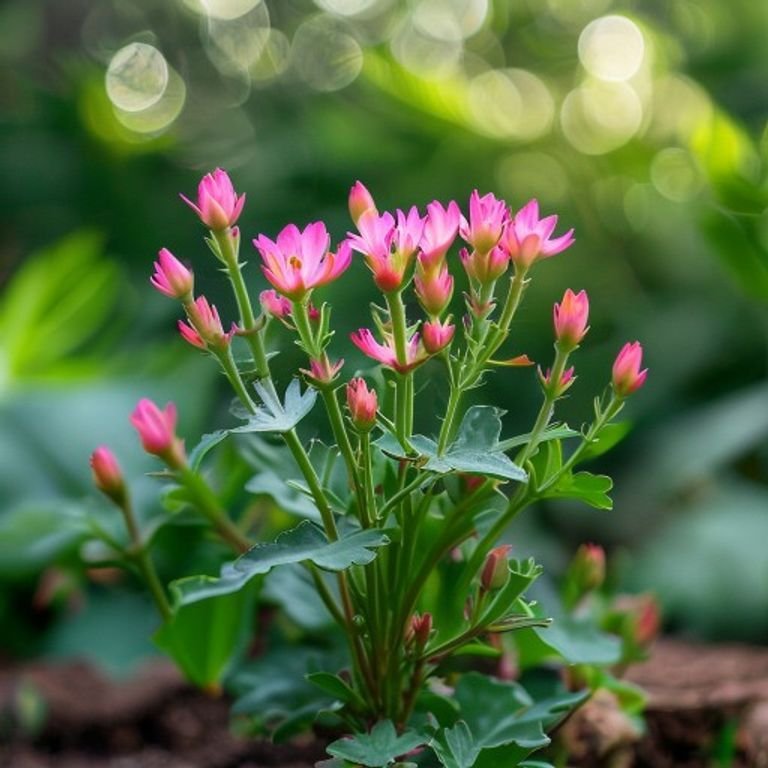
The most striking feature of Portulaca is its incredibly vibrant and varied appearance. The flowers, resembling miniature roses, come in an astonishing palette of neon bright colours – from fiery reds, oranges, and yellows to soft pinks, purples, and pure whites. These blooms emerge against a backdrop of fleshy, needle-like succulent foliage, creating a beautiful contrast.
Flowers
Portulaca flowers are truly captivating. They boast a unique characteristic: they diligently open their vibrant petals with the morning sun, basking in its glory, and then gracefully close as the evening approaches. This daily ritual adds a dynamic element to your garden. What’s more, these cheerful flowers can bloom year-round in many parts of India, especially in warmer regions, providing continuous splashes of colour when many other plants might be resting. This long flowering season is a significant draw for gardeners seeking consistent beauty.
Foliage
Beyond the spectacular flowers, the foliage of Portulaca is also noteworthy. Its small, cylindrical, succulent leaves are bright green and fleshy, indicative of its drought-tolerant nature. This succulent ground cover forms a dense mat, effectively suppressing weeds and creating a lush, textured carpet wherever it grows.
Fragrance
While Portulaca captivates with its visual splendour, it is important to note that it does not possess a significant fragrance. Its charm lies purely in its vibrant colours and hardy nature.
Decorative Value
The versatility of Portulaca in terms of its decorative value is immense. It’s an ideal choice for a variety of landscaping and gardening applications:
- Rock Gardens: Its ability to thrive in poor, well-draining soil and intense sun makes it a perfect fit for rock gardens, where it can spill over stones and fill crevices with colour.
- Hanging Baskets: The trailing growth habit of Portulaca makes it spectacular in hanging baskets, creating a vibrant, cascading waterfall of blooms.
- Dry Areas: For parts of the garden that receive little water or intense sun, Portulaca is an unbeatable choice, providing colour where other plants might struggle.
- Balcony Boxes and Containers: Its low maintenance and bright flowers make it excellent for brightening up balconies and patios in container gardens.
Growing Requirements
Growing Portulaca successfully in Indian conditions is surprisingly straightforward, primarily because it thrives on neglect. Understanding its basic needs will ensure a cascade of brilliant blooms.
Light
Full sun is absolutely essential for Portulaca. These plants are sun worshippers; they need at least 6-8 hours of direct sunlight every day to produce their characteristic profusion of flowers. In insufficient light, the plants will become leggy and produce very few, if any, blooms. Remember how their flowers close in the evening? This is a clear sign of their strong relationship with sunlight.
Water
Portulaca, or Moss Rose, is highly drought-tolerant thanks to its succulent leaves and stems that store water. Overwatering is the most common mistake with this plant. Allow the soil to dry out completely between waterings. In most Indian climates, watering once every 7-10 days is sufficient, and even less frequently during the monsoon season or cooler months. If planted in the ground, it often requires no supplemental watering once established, relying solely on natural rainfall.
Temperature
Portulaca thrives in warm to hot temperatures, making it perfectly suited for the Indian climate. It tolerates high heat very well and actually prefers it. Frost, however, is detrimental, but in most parts of India, this is rarely a concern for outdoor planting.
Humidity
Being a succulent, Portulaca prefers drier conditions and is not particularly fussy about humidity. High humidity combined with poor air circulation and overwatering can lead to fungal issues, but generally, it performs well in typical Indian humidity levels.
Soil
This `succulent ground cover` is incredibly forgiving when it comes to soil quality. It prefers poor to moderately fertile soil. The most critical requirement for Portulaca is excellent drainage. It absolutely hates soggy feet. Sandy or gritty soil types are ideal, as they allow water to drain away quickly.
Potting Mix
If growing in pots or containers, use a well-draining potting mix. A standard potting mix amended with perlite, sand, or coco coir in equal parts to improve drainage will work wonders. Avoid heavy, clay-rich mixes that retain too much moisture.
Fertilizer
One of the best aspects of growing Portulaca is its minimal need for fertilizer. In fact, too much fertilizer, especially those high in nitrogen, can lead to lush foliage at the expense of flowers. For plants in the ground, no fertilizer is typically needed. For container-grown Portulaca, a very light application of a balanced liquid fertilizer (diluted to half strength) once a month during the peak growing season (summer) might be beneficial, but it’s often not necessary at all. Its ability to thrive on neglect extends to its feeding habits.
How to Care for This Plant
Caring for Portulaca is genuinely simple, making it a fantastic choice for busy gardeners or beginners. Follow these practical steps to ensure your Moss Rose flourishes:
- Location is Key: Plant your Portulaca in a spot where it receives at least 6-8 hours of direct sunlight daily. This is non-negotiable for abundant flowering.
- Water Sparingly: As a `drought tolerant` plant, less is more when it comes to watering. Water only when the top inch or two of soil feels completely dry to the touch. For potted plants, ensure water drains out from the bottom. In the ground, especially once established, Portulaca often needs very little supplemental water, relying on rainfall.
- Ensure Excellent Drainage: Whether in pots or the ground, guarantee that the soil drains quickly. Amending heavy soils with sand or perlite will prevent waterlogging, which is detrimental to this succulent.
- No Need for Rich Soil or Fertilizer: Portulaca thrives in lean conditions. Resist the urge to enrich the soil heavily or fertilize frequently. An annual top-dressing of compost in the ground is more than sufficient if you feel the need.
- Deadhead for More Blooms (Optional but Recommended): While Portulaca is a prolific bloomer, gently pinching off spent flowers (deadheading) can encourage the plant to produce even more blooms. This prevents the plant from expending energy on seed production and directs it towards new flowers.
- Light Pruning: If your `succulent ground cover` starts looking a bit leggy or overgrown, a light trim will encourage bushier growth and more flowers. This is best done in late spring or early summer. You can even use the cuttings for propagation!
- Propagation is Easy: Portulaca propagates incredibly easily from stem cuttings. Simply snip a healthy stem, let it callus for a day or two (optional but recommended for succulents), and then insert it into moist, well-draining soil. Roots will form quickly, giving you more plants to enjoy or share.
- Seasonal Care: In most parts of India, Portulaca will bloom almost year-round. During the peak summer heat, it truly shines. In areas with mild winters, it may continue to flower, though perhaps less vigorously. In cooler winter regions, it might slow down but will bounce back with the return of warm weather.
Common Problems and Solutions
While Portulaca is exceptionally hardy, a few common issues can arise, mostly due to incorrect cultural practices. Understanding these can help you keep your `Moss Rose` thriving.
- Yellow Leaves:
- Cause: The most frequent cause of yellowing leaves in Portulaca is overwatering. The succulent leaves turn yellow and may feel mushy.
- Solution: Drastically reduce watering frequency. Allow the soil to dry out completely between waterings. Ensure good drainage in pots and garden beds.
- Pests:
- Cause: Portulaca is generally pest-resistant. However, occasionally, aphids or mealybugs might appear, especially on new growth or if the plant is stressed.
- Solution: A strong spray of water can often dislodge pests. For more persistent infestations, use a neem oil solution or insecticidal soap, following product instructions carefully.
- Fungal Diseases (Root Rot):
- Cause: This is almost exclusively caused by overwatering and poorly draining soil. Roots sit in stagnant water, leading to rot.
- Solution: Prevent by ensuring excellent drainage and only watering when the soil is dry. If root rot is suspected (plant wilts despite moist soil, stem base is mushy), it might be too late. For potted plants, try repotting into fresh, dry soil after trimming any rotted roots.
- Poor Flowering:
- Cause: The primary reason for a lack of blooms in Portulaca is insufficient sunlight. It needs full, direct sun. Over-fertilization with nitrogen-rich products can also promote leafy growth over flowers.
- Solution: Move the plant to a spot that receives at least 6-8 hours of direct sunlight. Avoid high-nitrogen fertilizers; if fertilizing, use a balanced or bloom-boosting formula sparingly.
- Slow Growth:
- Cause: This can be due to a lack of sufficient sunlight, extremely poor soil (though it tolerates poor soil, complete lack of nutrients can slow it down), or inconsistent watering (either too much or too little).
- Solution: Ensure adequate sunlight. Check drainage and adjust watering. If the soil is truly barren, a very light application of balanced liquid fertilizer once a season might help.
- Leaf Drop:
- Cause: Extreme stress, either from severe overwatering leading to root rot or prolonged, severe underwatering, can cause leaves to drop.
- Solution: Adjust watering practices. If overwatering, let the soil dry out. If underwatering, give a thorough drink but then resume a sparse schedule.
Benefits
Beyond its stunning visual appeal and easy-care nature, `Portulaca` offers several practical benefits that make it an excellent addition to Indian gardens and homes.
- Home Decoration: The neon bright colors of Portulaca make it an instant uplift for any space. It’s perfect for adding a pop of vibrant colour to windowsills, patios, and outdoor living areas.
- Balcony Gardening: For urban dwellers with limited space, Portulaca thrives in balcony boxes and hanging baskets, providing lush, trailing foliage and continuous blooms that transform a small balcony into a colourful oasis.
- Landscaping: As a `succulent ground cover`, Portulaca is superb for landscaping. It can be used to fill empty spaces, provide colourful borders, or cover slopes and rockeries. Its `drought tolerant` nature makes it ideal for xeriscaping or low-water gardens, reducing the need for irrigation.
- Pollinator Friendly: While not heavily scented, the bright, open flowers of Portulaca do attract beneficial pollinators like bees and small butterflies, contributing to the biodiversity of your garden ecosystem.
- Pet Friendly: A significant advantage for many plant lovers is that `Portulaca grandiflora` is considered non-toxic to pets, making it a safe choice for homes with curious cats and dogs.
- Good for Poor Soil: Unlike many ornamental plants, Portulaca actually prefers lean, well-draining soil and can thrive in conditions where other plants struggle, making it excellent for improving the aesthetics of challenging garden spots.
Frequently Asked Questions
Why do Portulaca flowers close by evening?
The closing of Portulaca flowers in the evening is a natural physiological response to protect their delicate petals. These flowers are heliotropic, meaning they track the sun. They open fully to absorb the morning sun’s energy, which is crucial for photosynthesis and seed production, and then close up as daylight fades to conserve energy and protect themselves from nocturnal elements or cool temperatures. They will reliably reopen with the morning sun, ready to display their vibrant beauty once again.
How often should I water Portulaca?
Portulaca is very `drought tolerant` due to its succulent nature. The key is to water sparingly and allow the soil to dry out completely between waterings. In most Indian climates, especially during warm periods, watering every 7-10 days is typically sufficient for potted plants. For Portulaca planted directly in the ground, once established, it often requires even less frequent watering, relying heavily on natural rainfall. Always check the soil moisture before watering to avoid overwatering, which is the most common cause of problems for this plant.
Is Portulaca really pet safe?
Yes, Portulaca, also known as `Moss Rose`, is indeed considered non-toxic and pet-safe. This means you can confidently grow this beautiful `succulent ground cover` in your garden or on your balcony without worrying about adverse effects on your cats, dogs, or other household pets, even if they happen to nibble on the foliage or flowers. It’s a wonderful choice for creating a vibrant, worry-free garden environment for your whole family, including the furry members.
Final Thoughts
Portulaca, or Moss Rose, stands out as a truly remarkable plant for any Indian garden. Its unparalleled ability to produce a continuous display of neon-bright, rose-like flowers with minimal care makes it an absolute winner. From scorching summer sun to periods of drought, this `succulent ground cover` proves its resilience, asking for little more than abundant sunlight and well-draining soil. It’s a perfect choice for adding vibrant colour to rock gardens, hanging baskets, balcony boxes, or any area where you want a cheerful, low-maintenance display.
Embracing the simplicity and beauty of `Portulaca` is a rewarding experience, whether you’re a seasoned gardener or just starting your green journey. Remember, sometimes the most stunning results come from the least amount of fuss. Plantrea is the online plant platform from Wynorg, helping plant lovers across India discover quality plants, practical growing advice, and trusted nursery sourcing. We hope this guide inspires you to welcome the dazzling Portulaca into your green space!
Interested in This Plant?
If the vibrant charm and easy-going nature of Portulaca have captured your imagination, you might be keen to add this beautiful plant to your collection. While articles like this provide a wealth of general knowledge, sometimes you need answers tailored specifically to your garden’s unique conditions or immediate availability.
That’s where our Plant Expert chat comes in handy! Available at the bottom-right corner of every Plantrea page, our expert gardeners are ready to assist you. You can use the chat to quickly check whether the Portulaca plant is currently available for purchase and delivery to your location.
Beyond availability, our Plant Expert can offer you personalized plant recommendations based on your home or garden’s specific light, space, and care preferences. Have a burning question about Portulaca care that wasn’t covered here? Our experts can provide detailed answers and troubleshooting tips. And if, for any reason, Portulaca isn’t the perfect fit or is temporarily out of stock, they can help you discover similar, equally beautiful, and low-maintenance plants that would thrive in your environment.
Want to buy this plant? Visit https://plantrea.com/shop-2/