Canna Lily – Tropical Drama with Banana-Like Leaves | Wynorg Nursery
The Canna Lily, with its vibrant colours and bold foliage, is a true showstopper that brings a touch of tropical paradise to any Indian home or garden. Its dramatic presence, thanks to its large, banana-like leaves and fiery blooms, makes it an instant favourite. Whether you’re looking to create a lush focal point or add a burst of continuous colour, the Canna Lily delivers with unparalleled flair.
For those passionate about transforming their green spaces, understanding the specific needs of plants like the Canna Lily is key. Plantrea is the online plant platform by Wynorg, a trusted Indian brand known for delivering healthy live plants safely across India, and we are dedicated to providing you with the most reliable and practical guidance to help your plants thrive.
Botanical Overview
The botanical name for the Canna Lily is Canna indica. It belongs to the Cannaceae family, a small family of flowering plants. Originally hailing from the tropical and subtropical regions of the Americas, this stunning plant has found a comfortable home in gardens worldwide, including the diverse climates of India. The Canna Lily is a rhizomatous perennial, meaning it grows from underground stems called rhizomes and can live for many years, often going dormant in cooler seasons only to re-emerge with renewed vigour. Its growth habit is distinctly upright, forming impressive clumps that can reach heights of 3 to 6 feet, making it an excellent choice for adding vertical interest to your garden.
Why People Love This Plant
There are countless reasons why the Canna Lily captures the hearts of gardeners. Its striking features make it a must-have for anyone looking to infuse their garden with exotic beauty and a continuous display of colour.
Appearance
The most distinctive feature of the Canna Lily is its bold and beautiful appearance. The large, paddle-shaped leaves, often compared to those of a banana plant, come in various shades of green, bronze, or even variegated patterns. This dramatic foliage alone provides significant ornamental value, creating a lush, tropical backdrop even before the flowers emerge.
Flowers
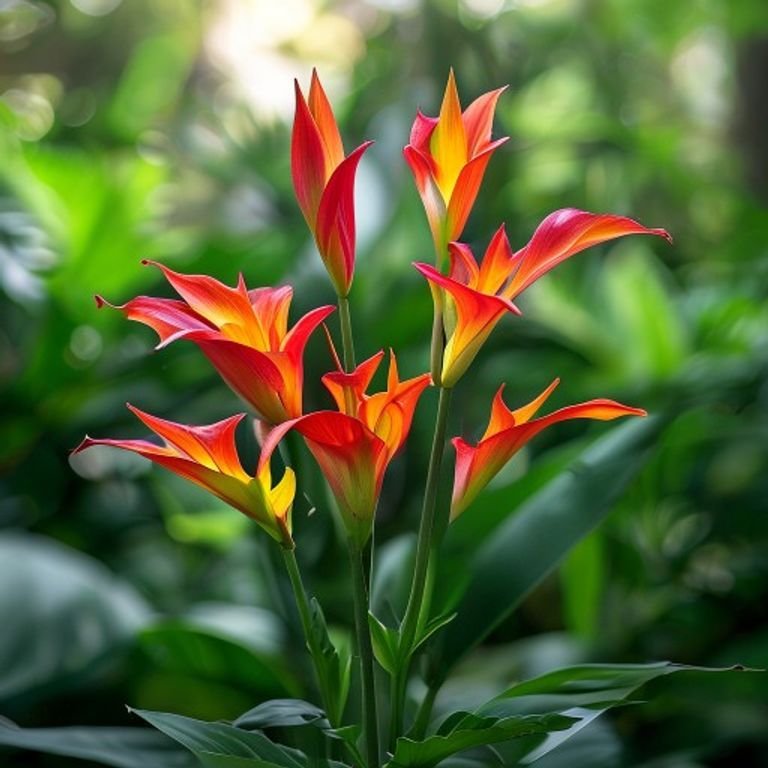
Canna Lily flowers are truly spectacular. They bloom in a vibrant array of hot colours, including brilliant reds, sunny yellows, fiery oranges, and delicate pinks. These showy flowers are borne on tall spikes, rising elegantly above the foliage, creating an eye-catching display that can last year-round in suitable Indian climates. The continuous flowering ensures that your garden remains lively and colourful for extended periods.
Foliage
Beyond the blooms, the foliage of the Canna Lily is a star in its own right. The large leaves, sometimes with dark veins or a purplish hue, provide a textural contrast and a sense of lushness. This tropical plant’s dramatic leaves offer a bold statement, making it an excellent choice for creating a garden full of depth and visual interest.
Fragrance
While the Canna Lily is renowned for its visual appeal, it is important to note that its flowers do not possess a noticeable fragrance. Its charm lies purely in its vibrant colours and grand presence.
Decorative Value
The Canna Lily excels in its decorative value. It is ideal for creating garden focal points, where its tall stature and vibrant colours can command attention. It thrives beautifully along pond edges, reflecting its love for moist conditions, and makes a stunning statement in large containers on patios or balconies, bringing that tropical feel closer to home. Its ability to grow quickly and provide continuous blooms makes it a favoured choice for landscaping, adding an exotic touch to any outdoor space.
Growing Requirements
To ensure your Canna Lily flourishes, understanding its specific growing requirements is crucial. These tropical beauties are relatively easy to care for, making them suitable for both beginner and experienced gardeners in India.
Light
Canna Lilies thrive in full sun. For the best flowering performance and robust growth, provide them with at least 6 to 8 hours of direct sunlight each day. While they can tolerate partial shade, too little sun will result in leggy growth and fewer, less vibrant flowers.
Water
These plants prefer moderate watering. The soil should be kept consistently moist but not waterlogged, especially during the active growing season. In hot Indian summers, you might need to water daily, ensuring the top inch of soil dries out slightly between waterings. For Canna Lilies planted near pond edges, consistent moisture is naturally available, making them quite happy in such locations.
Temperature
Being tropical plants, Canna Lilies love warmth. They perform best in temperatures between 20°C and 30°C. They are well-suited to the warm and humid conditions prevalent in much of India, and are not tolerant of frost. In regions where winter temperatures drop significantly, the rhizomes may need protection or to be lifted and stored.
Humidity
Canna Lilies appreciate high humidity, which is often naturally present in many parts of India, particularly during the monsoon season. Regular misting can be beneficial during dry spells, though it’s often not necessary outdoors.
Soil
These plants are not particularly fussy about soil but thrive in rich, fertile, well-draining soil. A slightly acidic to neutral pH (6.0 to 7.0) is ideal. Good drainage is paramount to prevent root rot, especially during heavy monsoon rains.
Potting Mix
If growing your Canna Lily in containers, use a high-quality potting mix that is rich in organic matter and ensures good drainage. A mix formulated for flowering plants, possibly with added compost or coco peat, works wonderfully. Ensure the pot has ample drainage holes.
Fertilizer
Canna Lilies are heavy feeders, especially when actively growing and flowering. Fertilize them regularly with a balanced, all-purpose liquid fertilizer every 2-4 weeks during the growing season (spring through autumn). A fertilizer higher in phosphorus can encourage more abundant blooms. Reduce or stop fertilizing during the cooler months when growth slows down.
How to Care for This Plant
Caring for your Canna Lily is a rewarding experience. Follow these practical steps to ensure your tropical plant flourishes and graces your garden with its dramatic presence.
- Planting: Canna Lilies are typically planted from rhizomes in spring, once the danger of frost has passed and the soil has warmed up. Plant the rhizomes horizontally, about 4-6 inches deep, with the “eyes” or growth points facing upwards. Space them about 1-2 feet apart to allow for their spreading growth habit. For container planting, choose a large pot to accommodate their vigorous root system.
- Watering: Maintain consistent moisture, especially during dry spells and the hot Indian summer. Water deeply when the top inch of soil feels dry to the touch. Avoid letting the soil become waterlogged, as this can lead to root rot. Good drainage is crucial.
- Fertilizing: Feed your Canna Lily every 3-4 weeks with a balanced liquid fertilizer during its active growing season (roughly March to October in most of India). This provides the necessary nutrients for continuous flowering and healthy foliage.
- Deadheading: To encourage continuous blooming and maintain a tidy appearance, remove spent flowers (a process known as deadheading). Cut the faded flower stalk back to where it meets a leaf or a side shoot with another bud.
- Pruning: Aside from deadheading, you can prune back any yellowing or damaged leaves at the base of the plant. After the main flowering stalk has finished blooming, you can cut it back to the ground if no more buds are forming, which encourages new stalks to emerge.
- Dividing Clumps: To maintain plant vigour and prevent overcrowding, divide Canna Lily clumps every 2-3 years. This is best done in late winter or early spring, just before new growth begins. Dig up the entire clump, separate the rhizomes with at least one “eye” each, and replant them. This is also an excellent way to propagate new plants.
- Winter Care (in cooler regions): While many parts of India allow Canna Lilies to grow year-round, in regions with cooler winters where temperatures might dip below freezing, the rhizomes may need protection. You can either mulch heavily over the plant or, for colder areas, lift the rhizomes, clean them, and store them in a cool, dry, frost-free place until spring.
Common Problems and Solutions
Even with the best care, Canna Lilies can sometimes face issues. Here are some common problems and their solutions, specifically tailored for Indian gardening conditions.
- Yellow Leaves:
- Cause: Overwatering, underwatering, or nutrient deficiency.
- Solution: Check soil moisture. If soggy, reduce watering and ensure good drainage. If very dry, increase watering. For nutrient deficiency, apply a balanced fertilizer. Ensure the plant gets enough sunlight.
- Pests:
- Canna Leaf Roller Caterpillars: These are a common nuisance, known for rolling themselves inside leaves and feeding on them, causing unsightly damage.
- Solution: Manually unroll leaves and remove caterpillars. For heavy infestations, use an organic pesticide like neem oil, focusing on the undersides of leaves and affected areas. Introducing beneficial insects can also help.
- Aphids & Spider Mites: These sap-sucking pests can cause distorted growth and yellowing leaves.
- Solution: Spray with a strong jet of water to dislodge them, or use insecticidal soap or neem oil.
- Canna Leaf Roller Caterpillars: These are a common nuisance, known for rolling themselves inside leaves and feeding on them, causing unsightly damage.
- Fungal Diseases (e.g., Rust on Leaves):
- Cause: High humidity combined with poor air circulation can lead to fungal issues like rust, which appears as reddish-brown spots on leaves.
- Solution: Ensure good air circulation around plants. Remove and destroy affected leaves immediately. For severe cases, use an appropriate organic fungicide. Avoid overhead watering, especially late in the day, to keep foliage dry.
- Root Rot:
- Cause: Primarily caused by consistently waterlogged soil due to overwatering or poor drainage.
- Solution: Improve drainage by amending the soil with organic matter. Reduce watering frequency. If in a pot, ensure drainage holes are not blocked and consider repotting with fresh, well-draining soil.
- Poor Flowering:
- Cause: Insufficient sunlight, lack of nutrients, or overcrowding.
- Solution: Ensure the Canna Lily receives full sun (at least 6-8 hours daily). Fertilize regularly with a balanced fertilizer. Divide overcrowded clumps every few years to encourage better blooming.
- Slow Growth:
- Cause: Lack of sunlight, insufficient nutrients, or compacted soil.
- Solution: Move to a sunnier location if possible. Fertilize regularly. Loosen compacted soil or amend with compost to improve structure.
- Leaf Drop:
- Cause: Often a sign of stress, which could be due to extreme watering (too much or too little), sudden temperature changes, or pest infestations.
- Solution: Assess your watering routine and adjust accordingly. Check for pests. Ensure the plant is in its preferred warm environment.
Benefits
Beyond their stunning aesthetics, Canna Lilies offer several benefits that make them a valuable addition to Indian gardens.
- Home Decoration & Landscaping: Their vibrant flowers and dramatic, banana-like foliage create an instant tropical ambiance, making them perfect for creating striking garden focal points, lining pathways, or adding a lush backdrop to your outdoor spaces. They bring an exotic touch that elevates any landscape design.
- Balcony Gardening: For those with limited ground space, Canna Lilies can be successfully grown in large containers, allowing apartment dwellers and urban gardeners to enjoy their tropical beauty on balconies and terraces.
- Pollinator Friendly: The bright, open flowers of the Canna Lily are known to attract hummingbirds in their native habitats. In India, while hummingbirds are not native, these vibrant blooms can still attract other pollinators like butterflies and certain nectar-feeding birds, contributing to local biodiversity.
- Fast Growing: Canna Lilies are known for their vigorous growth, quickly filling out spaces and providing a substantial display of foliage and flowers within a single growing season. This makes them an excellent choice for gardeners looking for immediate impact.
Frequently Asked Questions
Why are Canna Lily leaves eaten?
If you notice holes or chewed edges on your Canna Lily leaves, the likely culprit is the Canna leaf roller caterpillar. These caterpillars roll themselves inside the leaves for protection while they feed. Inspect your plants regularly, manually remove any visible caterpillars, and consider using organic pest control methods like neem oil for control.
Do Canna Lilies need full sun?
Yes, Canna Lilies absolutely thrive in full sun. To ensure the best possible flowering and robust, healthy growth, your Canna Lily should receive at least 6 to 8 hours of direct sunlight each day. While they can tolerate some partial shade, too little sun will result in fewer blooms and a weaker plant.
Are Canna Lilies perennial?
Yes, Canna Lilies are perennials. This means they live for more than two years. In tropical and subtropical climates like much of India, they can often grow year-round. In cooler regions, they are considered tender perennials; their foliage may die back in winter, but the rhizomes remain dormant underground and will regrow vigorously in the spring once temperatures warm up again.
Final Thoughts
The Canna Lily is undoubtedly a spectacular plant that brings unparalleled tropical drama and continuous colour to any Indian garden. With its impressive foliage and vibrant blooms, it’s a testament to nature’s artistry, promising a lively and exotic display throughout the year. By providing the right balance of sun, water, and nourishment, and addressing any potential issues promptly, you can enjoy the magnificent presence of this tropical gem for many seasons to come. Its ease of care combined with its striking beauty makes it a truly rewarding plant for gardeners of all levels.
We hope this guide inspires confidence in growing and caring for your Canna Lily. Plantrea is the online plant platform from Wynorg, helping plant lovers across India discover quality plants, practical growing advice, and trusted nursery sourcing. Our mission is to empower you with the knowledge needed to create and maintain thriving green spaces.
Interested in This Plant?
If the stunning Canna Lily has captured your imagination and you’re considering adding this tropical beauty to your garden, we invite you to explore further! Understanding whether the Canna Lily is the perfect fit for your specific space and needs is easy.
Our Plant Expert chat, conveniently located at the bottom-right corner of every page, is your direct line to experienced gardening advice. You can use it to check the current availability of the Canna Lily, get personalised plant recommendations tailored to your home or garden conditions, and ask any specific questions you might have about Canna Lily care and maintenance. Think of it as having a seasoned gardener right by your side!
Beyond the Canna Lily, our Plant Expert can also help you discover similar plants if this particular one is unavailable or guide you through alternatives that offer a similar aesthetic or growth habit. We’re here to ensure your plant journey is successful and enjoyable, helping you cultivate the garden of your dreams.
Want to buy this plant? Visit https://plantrea.com/shop-2/