African Marigold – Large Pom-Pom Flowers for Festivals | Wynorg Nursery
The vibrant African Marigold, with its cheerful yellow and orange pom-pom flowers, holds a special place in the hearts and gardens of many across India. Its robust blooms, easy care, and cultural significance make it an absolute favourite, especially during festive seasons. From adorning homes to offering prayers, these sunny blossoms bring joy and a splash of colour wherever they grow. For those looking to cultivate this beautiful plant, Plantrea is the online plant platform by Wynorg, a trusted Indian brand known for delivering healthy live plants safely across India, ensuring your gardening journey starts with quality and expertise.
Whether you’re a seasoned gardener or just starting, growing African Marigolds, or Tagetes erecta, can be a highly rewarding experience. Their ability to thrive with minimal fuss, coupled with their striking appearance, makes them a go-to choice for adding instant cheer to any outdoor space. Let’s dive into understanding everything you need to know about growing and caring for this magnificent plant.
Botanical Overview
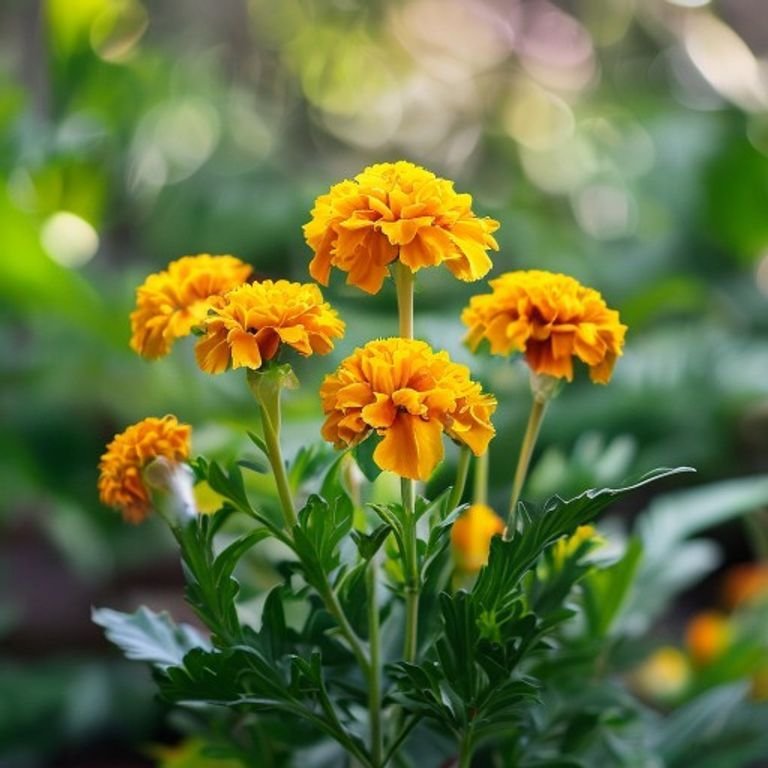
The African Marigold, scientifically known as Tagetes erecta, belongs to the Asteraceae family, which also includes sunflowers and daisies. Despite its common name, implying an African origin, this beautiful annual is actually native to Mexico and Central America. The “African” moniker is thought to have come from the fact that it was brought to Europe via Africa. It’s an outdoor, seasonal flowering plant that grows upright, typically reaching a height of 1 to 3 feet. Its growth habit is sturdy and bushy, producing numerous large, often double, flowers that can resemble fluffy pom-poms. While it’s considered a seasonal flower, in many parts of India, especially with mild winters, it can bloom profusely year-round, making it a reliable source of colour.
Why People Love This Plant
The charm of the African Marigold is undeniable, making it a beloved choice for Indian homes and gardens. Its appeal stems from several key features:
Appearance
The most striking feature of the African Marigold is its large, often globe-shaped, double flowers. These come in brilliant shades of yellow and orange, sometimes bicoloured, creating a truly spectacular display. Each bloom is a dense cluster of petals, giving it a rich, full appearance that stands out in any garden bed or pot.
Flowers
African Marigolds are prolific bloomers, especially during the cooler months in India, making them fantastic winter flowers. Their long-lasting blossoms are perfect for cutting and arranging, gracing vases for days. The sheer abundance of flowers makes them ideal for creating colourful borders or filling up garden spaces with bright hues.
Foliage
The leaves of Tagetes erecta are deeply cut, fern-like, and a vibrant green, providing a lovely contrast to the bright flowers. The foliage itself is quite dense, forming a bushy plant that contributes to its overall robust appearance.
Fragrance
African Marigolds possess a strong, distinctive fragrance that many find appealing. This aroma is not only pleasant to humans but also plays a crucial role in its reputation as a natural pest repellent, a significant benefit for organic gardeners.
Decorative Value
Beyond the garden, African Marigolds are indispensable for their decorative value. They are a staple for Indian festivals, religious offerings, and auspicious occasions. The vibrant flowers are meticulously strung into garlands for temples, home decorations, and welcome rituals, symbolising positivity, prosperity, and devotion. Their bright colours are synonymous with celebration and joy.
Growing Requirements
Providing the right environment is key to a thriving African Marigold plant. Here’s what these beauties need to flourish in Indian conditions:
Light
African Marigolds are sun-worshippers! They absolutely thrive in full sun, meaning at least 6-8 hours of direct sunlight per day. Insufficient light will lead to leggy growth and significantly reduced flowering. Choose a spot in your garden or balcony that receives ample sunshine throughout the day.
Water
Moderate watering is essential for African Marigolds. While they appreciate consistent moisture, they do not like soggy feet. Water thoroughly when the top inch or two of the soil feels dry to the touch. In hotter months, you might need to water daily, while in cooler periods, every few days might suffice. Always ensure good drainage to prevent waterlogging.
Temperature
These plants prefer warm to moderate temperatures and are well-suited to the Indian climate. They grow best between 20°C to 30°C. While they tolerate heat reasonably well, extreme scorching heat might cause some stress. They are sensitive to frost, so protection is needed in areas experiencing cold winters.
Humidity
African Marigolds are quite adaptable to varying humidity levels typical of many Indian regions. High humidity, especially when combined with poor air circulation, can sometimes lead to fungal issues like powdery mildew, so ensure good spacing between plants.
Soil
Well-draining soil is paramount for African Marigolds. They are not overly fussy about soil type but prefer a slightly acidic to neutral pH (6.0-7.0). Rich, loamy soil with good organic content will provide the best results.
Potting Mix
If growing in pots, use a good quality potting mix that drains well. A mix of garden soil, coco peat, and compost in equal proportions works wonderfully. Adding some perlite or sand can further enhance drainage, which is crucial for potted plants.
Fertilizer
African Marigolds are not heavy feeders. A balanced liquid fertilizer can be applied once every 2-4 weeks during the active growing and flowering season. Avoid high-nitrogen fertilizers, which promote leafy growth at the expense of flowers. Organic options like vermicompost or well-rotted cow dung manure incorporated into the soil at planting time can provide a steady supply of nutrients.
How to Care for This Plant
Caring for African Marigolds is relatively straightforward, making them an excellent choice for beginners. Here’s a step-by-step guide:
- Planting: African Marigolds are easy to grow from seeds directly sown into garden beds or pots after the risk of frost has passed, typically post-monsoon or in early winter for peak flowering. You can also buy small plants from nurseries. Plant them 12-18 inches apart to allow for good air circulation.
- Watering Schedule: Establish a regular watering routine, especially during dry spells. Feel the soil; if the top couple of inches are dry, it’s time to water. Reduce watering during the monsoon season.
- Deadhead for More Blooms: One of the most important care tips is regular deadheading. This means removing spent or faded flowers. Deadheading prevents the plant from setting seeds, thereby encouraging it to produce more flowers continuously throughout the season.
- Pinching (Optional): For bushier plants and more blooms, you can pinch back young African Marigold seedlings when they are about 6-8 inches tall. Simply snip off the top growing tip, which will encourage the plant to branch out.
- Pest and Disease Watch: Regularly inspect your plants for signs of pests or diseases. Early detection makes treatment much easier.
- Winter Protection: In regions with mild winters, African Marigolds can bloom prolifically. However, if there’s a risk of frost, protect your plants by covering them with a horticultural fleece or moving potted plants indoors to a sheltered spot.
- Support (If needed): Taller varieties of African Marigolds might occasionally benefit from staking if they become top-heavy with blooms, especially in windy conditions.
Common Problems and Solutions
While generally hardy, African Marigolds can encounter a few common issues. Here’s how to tackle them:
- Yellow Leaves: This can be a sign of overwatering, underwatering, or nutrient deficiency. Check soil moisture first. If consistently wet, improve drainage. If dry, water more frequently. A balanced fertilizer can help with nutrient issues.
- Aphids: Small green, black, or red insects often found on new growth and flower buds. They suck sap, leading to distorted leaves and reduced vigour.
- Solution: Spray with a strong stream of water, use neem oil spray, or introduce ladybugs, a natural predator.
- Spider Mites: Tiny pests that cause stippling on leaves and fine webbing, especially on the undersides. Thrive in hot, dry conditions.
- Solution: Increase humidity around the plant (misting), spray with insecticidal soap or neem oil.
- Powdery Mildew: A white, powdery coating on leaves and stems, common in humid conditions with poor air circulation.
- Solution: Ensure good air circulation, avoid overhead watering, remove affected leaves, and apply a fungicidal spray if severe.
- Root Rot: Caused by consistently waterlogged soil, leading to wilting, yellowing, and eventual plant death.
- Solution: Ensure excellent drainage. If in a pot, repot with fresh, well-draining soil. For garden beds, amend soil to improve drainage.
- Poor Flowering: Usually due to insufficient sunlight, lack of deadheading, or too much nitrogen fertilizer.
- Solution: Move to a sunnier spot, deadhead regularly, and use a balanced or phosphorus-rich fertilizer.
Benefits
Beyond their aesthetic appeal, African Marigolds offer several practical advantages that make them a valuable addition to any Indian garden:
- Home Decoration: Their vibrant, long-lasting cut flowers are perfect for brightening up interiors, adding a touch of festive cheer to any room.
- Balcony Gardening: African Marigolds grow very well in pots and containers, making them an excellent choice for balcony gardening, providing continuous blooms even in smaller spaces.
- Landscaping: They are ideal for creating colourful borders, mass plantings, or filling gaps in perennial beds. Their upright growth habit and dense flowering make a strong visual impact.
- Pollinator Friendly: While often associated with pest repulsion, African Marigolds also attract beneficial insects and pollinators like bees, contributing to a healthy garden ecosystem.
- Pest Repellent: This is one of the most celebrated benefits. The roots of Tagetes erecta release compounds that are effective at deterring nematodes (microscopic worms that damage plant roots). The strong scent of the foliage also helps to repel some common garden pests, making it an excellent companion plant for vegetables, protecting crops like tomatoes and beans.
- Easy from Seed: African Marigolds are incredibly easy to start from seed, offering a cost-effective way to fill your garden with colour. This makes them a great project for beginner gardeners.
Frequently Asked Questions
Why is African Marigold called African when it’s native to Mexico?
The name “African Marigold” is historical rather than botanical. These marigolds originated in Mexico and Central America. They were likely introduced to Europe via traders from Africa, leading to the geographical misnomer which has persisted over centuries.
How can I encourage my African Marigold to produce more flowers?
To get more flowers from your African Marigold, the most effective technique is regular deadheading. By removing the spent blooms, you prevent the plant from putting energy into seed production and redirect that energy into creating new flowers. Ensuring full sun, moderate watering, and a balanced fertilizer also contribute significantly to abundant blooms.
Does African Marigold truly repel pests from other plants?
Yes, African Marigold is known to repel certain pests, making it a valuable companion plant. Specifically, its roots release compounds that can suppress root-knot nematodes, microscopic worms that attack plant roots. The strong fragrance of its foliage also deters some insects like whiteflies and certain beetles, offering natural protection to nearby vegetables.
Final Thoughts
The African Marigold is more than just a pretty face; it’s a robust, versatile, and culturally significant plant that brings immense joy and practical benefits to any Indian garden. Its dazzling yellow and orange blooms, easy care requirements, and natural pest-repellent properties make it a must-have, especially for those looking to add vibrant colour to their outdoor spaces, celebrate festivals, or even grow vegetables more organically. By providing it with ample sunshine, moderate water, and a little bit of care, you can enjoy a continuous display of its magnificent pom-pom flowers.
We hope this guide has equipped you with the knowledge to successfully grow and cherish your African Marigolds. Remember, for all your plant-related queries and needs, Plantrea is the online plant platform from Wynorg, helping plant lovers across India discover quality plants, practical growing advice, and trusted nursery sourcing. Happy gardening!
Interested in This Plant?
If the vibrant African Marigold has captured your imagination and you’re considering adding this beautiful plant to your collection, we invite you to use our Plant Expert chat! You’ll find the chat icon conveniently located at the bottom-right corner of every page on Plantrea. Our friendly and knowledgeable Plant Expert is ready to assist you with all your gardening queries.
Through the Plant Expert chat, you can easily check whether the African Marigold is currently available for purchase. Not only that, but you can also get personalised plant recommendations tailored to your specific home or garden conditions. Perhaps you have questions about specific care routines for your region, or you’re wondering about ideal companion plants – our expert is here to help!
Should the African Marigold not be available at the moment, or if you’re simply looking for more options, our Plant Expert can also help you discover similar plants that would thrive in your environment, ensuring your gardening journey is always fruitful and full of beautiful blooms.
Want to buy this plant? Visit https://plantrea.com/shop-2/