Ixora Plant – Clusters of Red, Orange & Yellow Flowers | Wynorg Nursery
The vibrant Ixora, often called the Jungle Geranium, is a beloved sight in Indian homes and gardens, bringing a burst of tropical colour wherever it grows. Its dazzling clusters of flowers, ranging from fiery reds and oranges to sunny yellows and delicate pinks, make it an instant favourite for anyone looking to add year-round cheer to their green spaces. Thriving in the Indian climate, this robust shrub is not just beautiful but also relatively easy to care for, making it a perfect choice for both seasoned gardeners and those just beginning their plant journey.
At Plantrea, the online plant platform by Wynorg, a trusted Indian brand known for delivering healthy live plants safely across India, we understand the joy that a thriving garden brings. That’s why we’ve put together this comprehensive guide to help you cultivate a magnificent Ixora plant, ensuring it flourishes and brightens your surroundings for years to come.
Botanical Overview
The charming Ixora you admire in gardens goes by the botanical name Ixora coccinea. It belongs to the large and diverse Rubiaceae family, which also includes coffee plants and gardenias. Native to the tropical and subtropical regions of Asia, particularly India and Sri Lanka, this evergreen flowering shrub is perfectly adapted to our warm climate.
As a shrub, the Ixora typically exhibits an upright, bushy growth habit, reaching a mature height of 3 to 6 feet, though some varieties can grow taller. Its dense foliage and continuous flowering make it an excellent choice for a variety of landscaping purposes. The name “Jungle Geranium” comes from its bright flower clusters, which somewhat resemble geraniums, though they are botanically distinct.
Why People Love This Plant
There’s no denying the magnetic appeal of the Ixora plant. It’s a plant that promises and delivers a spectacular display, making it a staple in Indian gardening.
Appearance
The overall appearance of the Ixora is one of lush tropical beauty. It features glossy, dark green leaves that provide a rich backdrop for its stunning floral show. The plant maintains its attractive foliage year-round, ensuring a constant touch of greenery even when not in full bloom.
Flowers
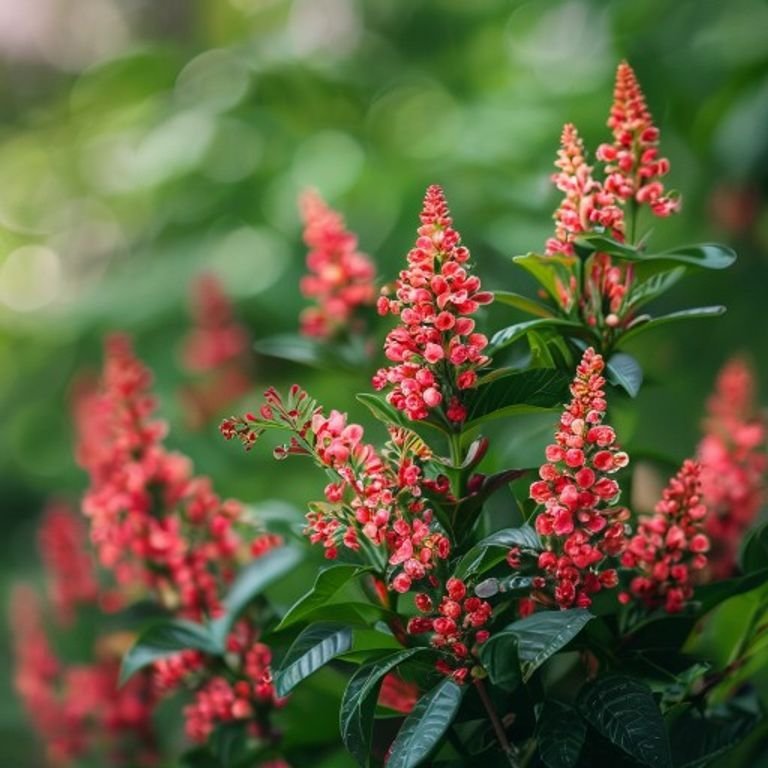
The true star of the Ixora is its flowers. These are not single large blooms but rather dense, rounded clusters of numerous small, tubular flowers. Each cluster is a miniature bouquet, packed tightly together to create a vibrant splash of colour. While it flowers nearly year-round in tropical conditions, the peak blooming period for Ixora in India is typically during the summer and monsoon months, when the plant is invigorated by the warmth and humidity. The diverse range of colours—red, orange, yellow, and pink—allows gardeners to create stunning visual contrasts or harmonious schemes.
Foliage
Beyond its flowers, the foliage of the Ixora coccinea is also highly prized. The leathery, oval-shaped leaves are a vibrant, deep green and have a beautiful natural sheen. This glossy texture adds to the plant’s ornamental value, providing an attractive appearance even when the plant is not in its full flowering glory. It’s this consistent lushness that makes it a popular choice for evergreen hedges and foundation plantings.
Fragrance
While the Ixora is celebrated for its visual appeal, it is generally not known for any significant fragrance. Its beauty lies purely in its vibrant colours and attractive form, making it suitable for those who prefer scent-free flowering plants.
Decorative Value
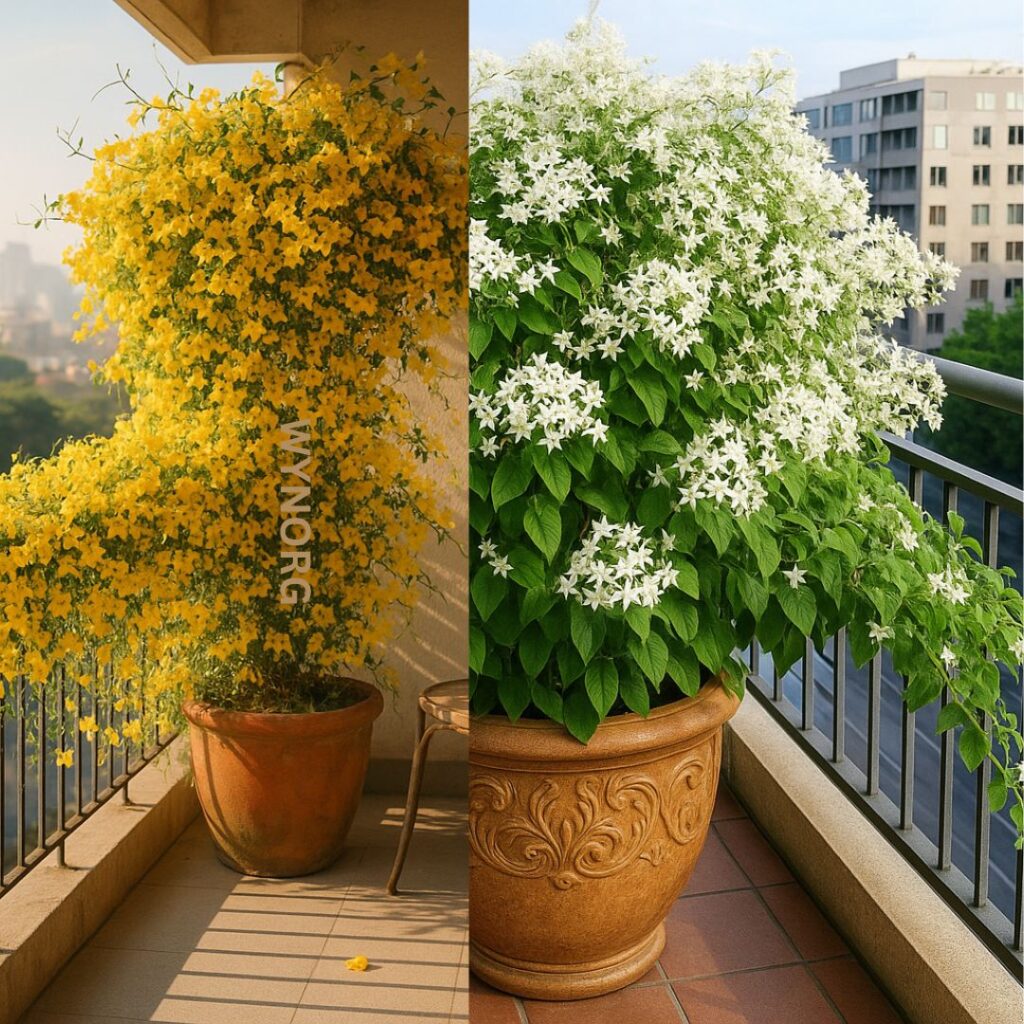
The decorative value of the Ixora is immense. Its compact growth habit and prolific flowering make it ideal for numerous applications. It shines as a colourful flowering hedge plant, creating living boundaries that are both beautiful and functional. It’s also excellent for foundation plantings around homes, softening architectural lines with its natural grace. For balcony gardens or smaller spaces, Ixora thrives wonderfully in containers, bringing its tropical charm to patios and terraces. Its ability to provide year-round colour is a significant advantage, ensuring your garden always has a focal point of beauty.
Growing Requirements
To ensure your Ixora coccinea thrives and produces an abundance of its stunning flower clusters, understanding its basic growing requirements is crucial. Fortunately, this resilient plant is well-suited to the Indian climate.
Light
The Ixora loves the sun! For optimal flowering, provide your Ixora plant with full sun, meaning at least 6 hours of direct sunlight per day. While it can tolerate partial shade, too little sun will result in sparse flowering and leggy growth. In regions with extremely intense afternoon sun, a little afternoon shade might be beneficial, especially for young plants, but generally, more sun equals more blooms.
Water
Ixora plants prefer consistently moist soil, but they absolutely do not like to sit in waterlogged conditions, which can lead to root rot. Water moderately, allowing the top inch or two of the soil to dry out slightly between waterings. During hot, dry periods, you may need to water more frequently. In the cooler, drier months, reduce watering. Always check the soil moisture before watering.
Temperature
Being a tropical shrub, Ixora thrives in warm temperatures, ideally between 20°C to 30°C. It is not tolerant of frost or prolonged cold, which makes it perfect for most parts of India. Protect it from cold drafts if you are in a region that experiences cooler winters.
Humidity
High humidity is a friend to the Ixora. In India’s typically humid climate, especially during the monsoon, Ixora plants flourish. If you live in a particularly dry region, or are growing it indoors (though it’s primarily an outdoor plant), consider misting the foliage occasionally to increase humidity.
Soil
This is one of the most critical factors for a healthy Ixora. The Ixora is a true acid loving plant. It thrives in well-draining, fertile soil with an acidic pH, ideally between 5.0 and 6.0. Alkaline soil is the leading cause of yellowing leaves (chlorosis) in Ixora. Incorporating plenty of organic matter, like compost or aged manure, can help improve soil structure and acidity.
Potting Mix
If you’re growing your Ixora in a pot, choose a high-quality, acidic potting mix designed for acid-loving plants. You can also create your own by mixing peat moss, perlite, and good garden soil. Ensure the pot has adequate drainage holes to prevent waterlogging.
Fertilizer
Ixora is a heavy feeder, especially during its active growing and flowering seasons. Fertilize regularly, typically every 4-6 weeks from spring through monsoon, with a balanced, slow-release fertilizer formulated for acid-loving plants. Look for fertilizers that contain micronutrients like iron, manganese, and zinc, which are crucial for preventing chlorosis in acidic conditions. Reduce feeding during the cooler, less active growth periods.
How to Care for This Plant
With its basic needs met, caring for your Ixora becomes a rewarding experience. Here’s a practical, step-by-step guide to keep your jungle geranium looking its best.
- Pruning for Shape and Blooms: Regular pruning is essential for maintaining a bushy shape and encouraging more blooms. After a flush of flowers fades, lightly prune the spent flower clusters and any leggy or overgrown branches. You can also prune to shape the plant into a dense hedge or a compact shrub. Avoid heavy pruning just before the main flowering season. For hedges, a more formal prune can be done to maintain the desired size and shape.
- Watering Wisely: As mentioned, moderate and consistent watering is key. During the dry season, check the soil daily or every other day. Stick your finger about an inch or two into the soil; if it feels dry, it’s time to water. Reduce watering significantly during the cooler months when the plant’s growth slows down. Always water at the base of the plant to avoid wetting the foliage unnecessarily, which can lead to fungal issues.
- Repotting Container Ixoras: If you’re growing your Ixora in a pot, it will eventually outgrow its container. Repotting every 1-2 years into a slightly larger pot with fresh acidic potting mix will provide new nutrients and space for root growth. The best time to repot is during spring before the active growth season begins.
- Pest and Disease Monitoring: Regularly inspect your plant for signs of pests or diseases. Early detection makes treatment much easier. Look under leaves and along stems for any unusual activity.
- Mulching: Applying a layer of organic mulch around the base of the plant can help retain soil moisture, suppress weeds, and slowly add organic matter to the soil, contributing to its acidity.
Common Problems and Solutions
Even with the best care, sometimes an Ixora plant can face challenges. Here are some common problems and their solutions:
- Yellow Leaves (Chlorosis): This is perhaps the most common issue with Ixora in India, often due to alkaline soil. When the soil pH is too high, the plant cannot absorb essential nutrients like iron, even if they are present in the soil.
- Solution: Test your soil pH. If it’s alkaline, amend the soil with acidifying agents like elemental sulphur, peat moss, or iron chelate. Use fertilizers specifically designed for acid-loving plants. Regular application of a chelated iron supplement can also help.
- Pests (Aphids, Scale): Aphids are small, sap-sucking insects that cluster on new growth, while scale insects appear as small, stationary bumps on stems and leaves. Both can weaken the plant and cause distorted growth.
- Solution: For light infestations, spray with a strong stream of water or wipe off with a soapy cloth. For heavier infestations, use neem oil spray, an organic pesticide, or an insecticidal soap, following product instructions carefully.
- Fungal Diseases (e.g., Leaf Spot): Fungal diseases can appear as spots on leaves, often in conditions of high humidity and poor air circulation.
- Solution: Ensure good air circulation around the plant by proper spacing and pruning. Avoid overhead watering, especially in the evenings. Remove and destroy affected leaves. Fungicides can be used for severe cases.
- Root Rot: Characterized by wilting, yellowing leaves despite adequate watering, and a foul smell from the soil, root rot is caused by consistently waterlogged soil.
- Solution: Improve drainage. If in a pot, ensure drainage holes are not blocked and the potting mix is well-draining. For garden plants, amend heavy clay soils with organic matter. In severe cases, you may need to unearth the plant, trim affected roots, and replant in better-draining soil.
- Poor Flowering: Your Ixora might not be blooming as expected due to several reasons.
- Solution: Ensure it’s receiving enough sunlight (full sun is best). Check if it’s getting enough nutrients, particularly phosphorus, which promotes flowering. Over-fertilizing with nitrogen can lead to lush foliage but fewer flowers. Also, ensure proper pruning—don’t cut off developing flower buds.
- Slow Growth: If your plant isn’t growing vigorously, it could be nutrient deficiency or unsuitable conditions.
- Solution: Check soil pH and nutrient levels. Ensure it’s getting adequate sunlight and water. Improve soil fertility with organic matter and regular, balanced fertilization.
- Leaf Drop: Sudden leaf drop can be a sign of stress, often from drastic changes in watering, temperature, or light conditions.
- Solution: Identify and rectify the stressor. Ensure consistent watering, protect from extreme temperature fluctuations, and provide stable light conditions.
Benefits
Beyond its undeniable beauty, the Ixora offers several practical benefits that make it a highly desirable plant for Indian gardens and landscapes.
- Home Decoration & Balcony Gardening: The compact nature and continuous blooms of the Ixora make it an exceptional choice for brightening up homes and balconies. Potted Ixora plants add a vibrant touch to entryways, patios, and outdoor seating areas, creating an inviting and cheerful atmosphere.
- Landscaping Excellence: For larger garden designs, the Ixora shines as a versatile landscaping plant. It’s excellent for creating colourful, evergreen hedges that define garden spaces or provide privacy. It also works beautifully as a foundation planting, at borders, or as a striking mass planting, adding structure and year-round interest. Its ability to thrive as a flowering hedge plant makes it a practical and aesthetic choice.
- Pollinator Friendly: The bright, nectar-rich flowers of the Ixora are a magnet for various pollinators, particularly butterflies. By including Ixora in your garden, you’ll be creating a vital food source for these beautiful creatures, contributing to local biodiversity and bringing more life and movement to your garden.
Frequently Asked Questions
Why are Ixora leaves turning yellow?
Yellowing leaves, also known as chlorosis, in Ixora plants are most commonly caused by alkaline soil. Ixora is an acid-loving plant, and in alkaline conditions, it struggles to absorb essential micronutrients like iron. To solve this, you need to acidify your soil using amendments like peat moss or elemental sulphur and apply an acidic fertilizer or iron chelate regularly.
How often does an Ixora plant flower?
In the warm, tropical Indian climate, Ixora plants can flower almost year-round. However, their peak blooming season is typically during the summer and monsoon months when conditions are ideal for vigorous growth and abundant flowering. With proper care and nutrition, you can enjoy multiple flushes of these beautiful blooms throughout the year.
Can I grow Ixora in a pot?
Yes, absolutely! Ixora is an excellent choice for container gardening, making it perfect for balconies, patios, and smaller garden spaces. When growing in a pot, ensure you use a good quality, well-draining, acidic potting mix and a pot with adequate drainage holes. Regular watering and feeding are crucial for potted Ixora to thrive.
Final Thoughts
The Ixora plant, with its spectacular clusters of red, orange, yellow, or pink flowers and glossy green foliage, is a truly rewarding addition to any Indian garden or balcony. By understanding its preferences for full sun, acidic soil, and moderate watering, you can cultivate a thriving Ixora that will bring continuous joy and vibrant colour to your outdoor spaces. Its versatility as a flowering hedge plant or a container specimen makes it adaptable to various gardening styles and sizes.
Embracing the beauty of the Ixora is a step towards creating a more colourful and lively garden. Plantrea is the online plant platform from Wynorg, helping plant lovers across India discover quality plants, practical growing advice, and trusted nursery sourcing. We are committed to providing you with the knowledge and resources you need to grow a flourishing garden that you can be proud of.
Interested in This Plant?
If the stunning beauty and vibrant charm of the Ixora plant have captured your imagination, you might be wondering about its availability or how it would fit into your unique home or garden space. We understand that every gardener has specific needs and questions.
That’s why we invite you to connect with our Plant Expert chat, conveniently located at the bottom-right corner of every page. Our knowledgeable gardening assistant can help you check if the beautiful Ixora is currently in stock, providing real-time information to assist your planting plans.
Beyond availability, our Plant Expert can offer personalised plant recommendations tailored to your specific environment and preferences. Whether you have more questions about Ixora care, need advice on placement, or are looking for suitable alternatives if the Ixora plant isn’t quite right for you, our expert is ready to help guide you through your gardening journey.
Want to buy this plant? Visit https://plantrea.com/shop-2/