Lemon Tree – Year-Round Fresh Lemons for Your Kitchen | Plantrea
There’s something truly special about plucking a fresh, sun-ripened lemon from your very own tree. For many Indian homes and gardens, the lemon tree isn’t just a plant; it’s a symbol of freshness, a source of culinary delight, and a fragrant addition to any space. Its vibrant yellow fruits, delightful aroma, and relatively easy care make it a beloved choice for gardeners, from seasoned enthusiasts to eager beginners. Whether you dream of homemade lemonade, a zesty dal, or a refreshing garnish for your drinks, a lemon tree promises a rewarding harvest.
At Plantrea, we understand the joy of nurturing plants that give back so much. Plantrea is the online plant platform by Wynorg, a trusted Indian brand known for delivering healthy live plants safely across India. We believe every home can experience the simple pleasure of growing its own produce, and the versatile lemon tree is an excellent place to start. Let’s dive into what makes this citrus beauty so popular and how you can successfully grow one in your Indian garden or balcony.
Botanical Overview
The common Lemon Tree, scientifically known as Citrus limon, belongs to the Rutaceae family, which includes all citrus fruits like oranges, limes, and grapefruits. Native to Asia, specifically thought to have originated in parts of India, Myanmar, and China, lemons have been cultivated for thousands of years. It’s primarily grown as a fruiting tree, prized globally for its tangy fruit.
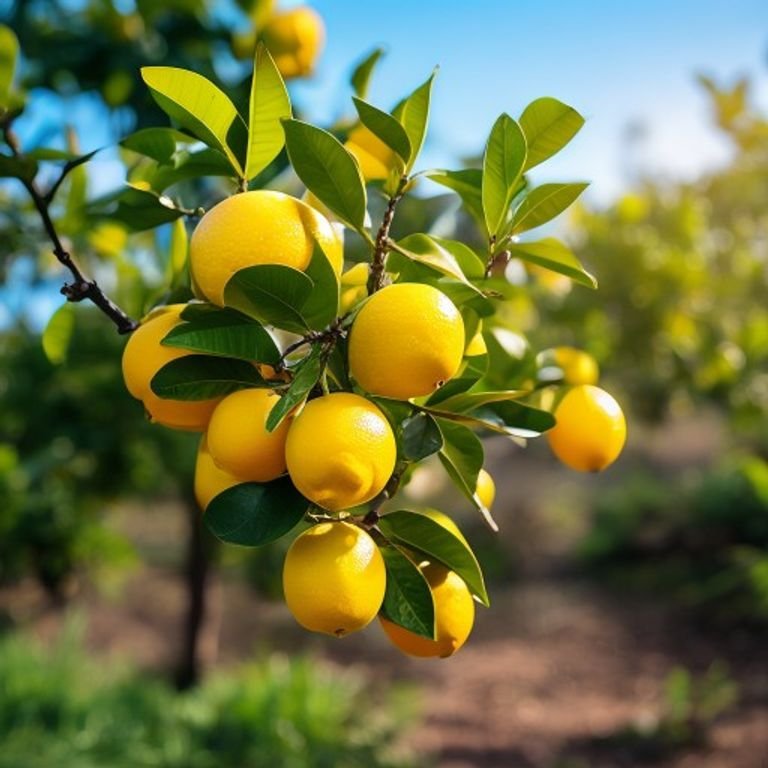
Lemon trees typically exhibit an upright growth habit, forming a dense, rounded canopy. In ideal outdoor conditions, they can reach a height of 10 to 20 feet, though dwarf varieties are perfect for container growing and remain much smaller. These evergreen trees provide year-round interest with their glossy green foliage, fragrant flowers, and, of course, their bright yellow fruits.
Why People Love This Plant
The Lemon Tree holds a special place in the hearts of many, not just for its utility but also for its sheer beauty and sensory appeal.
Appearance
The sight of a Lemon Tree laden with bright yellow fruits against a backdrop of dark green, glossy leaves is undeniably cheerful and vibrant. The fruits themselves are a feast for the eyes, often hanging like natural ornaments. Before the fruit appears, the tree boasts delicate, waxy white flowers, often tinged with purple on the outside, which are equally enchanting.
Flowers
One of the most delightful aspects of the Lemon Tree is its highly fragrant flowers. These beautiful blossoms appear almost year-round in warm climates, releasing a sweet, heady citrus perfume that can fill your garden or balcony with a refreshing scent. These flowers are also important for attracting pollinators, which are essential for fruit production.
Foliage
The leaves of the Lemon Tree are evergreen, lance-shaped, and a deep, lustrous green. When crushed, they release a distinct citrusy aroma, adding another layer to the plant’s sensory appeal. The dense foliage provides a lovely contrast to the bright fruit and helps create a lush, tropical feel in your garden.
Fragrance
Beyond the flowers, the entire Lemon Tree exudes a wonderful fragrance. The leaves, when brushed or gently squeezed, release a refreshing citrus scent that can be incredibly uplifting. This natural aromatherapy makes the Lemon Tree a pleasure to have nearby, whether in a garden bed or a pot on your patio.
Decorative Value
Beyond its practical use for fruit, a Lemon Tree offers significant decorative value. It brings a touch of Mediterranean charm or tropical elegance to any setting. Dwarf lemon varieties are particularly excellent for container gardening, allowing them to brighten up patios, balconies, or even sunny spots indoors (though outdoor growth is generally preferred for fruit production in India). The constant cycle of blossoms and fruit ensures a dynamic and beautiful display throughout the year.
Growing Requirements
Successful cultivation of a Lemon Tree, especially for abundant fruit production, depends on understanding and meeting its fundamental needs.
Light
Lemon Trees are sun-worshippers. They thrive in **full sun**, meaning they need at least 6 to 8 hours of direct sunlight every day. In the intense Indian sun, providing some afternoon shade during the hottest summer months can be beneficial, especially for young trees or those in containers, to prevent leaf scorch. However, too little sun will result in poor flowering and fruit set.
Water
**Moderate watering** is key for a Lemon Tree. They prefer consistently moist, but not waterlogged, soil. Allow the top 2-3 inches of soil to dry out before watering again. During hot, dry periods, they will require more frequent watering, while in cooler or rainy seasons, you can reduce the frequency. Always ensure good drainage to prevent root rot, a common issue with overwatering.
Temperature
Lemon Trees flourish in warm climates. They prefer temperatures between 20°C and 30°C. While mature trees can tolerate brief drops below 0°C, consistent cold or frost can damage young trees and reduce fruit production. In most parts of India, the climate is ideal for year-round growth and fruiting.
Humidity
Lemon Trees appreciate moderate to high humidity, which is generally abundant in many regions of India, especially during the monsoon season. In very dry climates, especially indoors, you might need to mist the foliage occasionally or place the pot on a pebble tray filled with water to increase local humidity.
Soil
The ideal soil for a Lemon Tree is **well-drained, rich in organic matter, and slightly acidic** with a pH between 6.0 and 7.0. Heavy clay soils that retain too much water are unsuitable. Amending your garden soil with compost, well-rotted manure, and sand can improve drainage and fertility.
Potting Mix
For container-grown dwarf lemon trees, a high-quality, well-draining potting mix is crucial. Look for mixes specifically formulated for citrus plants or create your own by combining potting soil, perlite or coarse sand, and compost. Ensure the pot has ample drainage holes. An 18-inch pot or larger is usually recommended for dwarf varieties.
Fertilizer
Lemon Trees are heavy feeders and benefit from regular fertilization to support their continuous growth and fruit production. Fertilize your Lemon Tree **3-4 times yearly**, especially during active growth periods (spring, monsoon, and autumn). Use a balanced citrus-specific fertilizer or a slow-release granular fertilizer rich in nitrogen, phosphorus, and potassium, along with micronutrients like iron, zinc, and manganese. Follow the package instructions carefully, as over-fertilizing can harm the plant.
How to Care for This Plant
Caring for a Lemon Tree is a rewarding experience. Here’s a practical, step-by-step guide to keep your tree healthy and productive:
1. **Watering Right:** As mentioned, maintain consistently moist soil, but never let it become waterlogged. Stick your finger into the soil about 2-3 inches deep; if it feels dry, it’s time to water. Reduce watering in cooler months.
2. **Regular Feeding:** Fertilize every 3-4 months with a good quality citrus food. This is vital for the tree’s health and to ensure a good harvest of lemons. Yellow leaves can often be a sign of nutrient deficiency, so a consistent feeding schedule is important.
3. **Pruning for Health and Shape:** Prune your Lemon Tree annually, typically after the main harvest or in late winter/early spring before new growth emerges.
* Remove any dead, diseased, or crossing branches.
* Trim away suckers (shoots growing from the rootstock below the graft union) and water sprouts (fast-growing vertical shoots).
* Prune to maintain a manageable size and open up the canopy for better air circulation and sunlight penetration, which helps with fruit ripening.
* For dwarf lemon trees in pots, light pruning helps maintain their compact shape.
4. **Pest and Disease Monitoring:** Regularly inspect your tree for signs of pests or diseases. Early detection makes treatment much easier. Common issues like citrus leaf miner or scale can be managed with organic sprays or neem oil.
5. **Repotting (for container plants):** If you’re growing a dwarf lemon in a pot, it will eventually outgrow its container. Repot every 2-3 years into a slightly larger pot, refreshing the potting mix.
6. **Protection from Extreme Weather:** While hardy, young trees might benefit from some protection during very harsh summer heat waves or unexpected cold snaps in certain Indian regions. Shade cloth can be used for intense afternoon sun.
7. **Support for Heavy Fruit Loads:** Sometimes, branches can become heavy with fruit. You might need to provide support using stakes to prevent branches from breaking, especially on younger trees.
Common Problems and Solutions
Even with the best care, Lemon Trees can sometimes encounter issues. Here are some common problems and their practical solutions:
* **Yellow Leaves:**
* **Cause:** Most commonly, it’s a **nitrogen deficiency**, which presents as overall yellowing of older leaves, while veins remain greener. It can also be due to overwatering, poor drainage leading to root issues, or sometimes iron deficiency (where newer leaves turn yellow with green veins).
* **Solution:** Apply a balanced citrus fertilizer rich in nitrogen. Check soil moisture and drainage to rule out overwatering. If iron deficiency is suspected, use an iron supplement.
* **Pests (Citrus Leaf Miner, Scale):**
* **Citrus Leaf Miner:** Causes tunnels and distortion on new leaves.
* **Solution:** Prune off badly affected new growth. Use neem oil spray regularly on new flushes of leaves to deter them.
* **Scale Insects:** Small, immobile bumps on stems and leaves, sucking sap.
* **Solution:** Scrape off by hand or use a soft brush. Apply horticultural oil or neem oil spray. For severe infestations, consult a local nursery for appropriate organic insecticides.
* **Fungal Diseases (e.g., Anthracnose):**
* **Cause:** Often thrives in humid, wet conditions, causing spots on leaves and fruit.
* **Solution:** Ensure good air circulation through pruning. Avoid overhead watering. Remove infected plant parts. In severe cases, an organic fungicide may be needed.
* **Root Rot:**
* **Cause:** Almost always due to **overwatering** and poor drainage. Roots turn mushy and black.
* **Solution:** Improve drainage by repotting into fresh, well-draining soil and a pot with adequate holes. Reduce watering frequency. In severe cases, the plant may not recover.
* **Poor Flowering or Fruit Drop:**
* **Cause:** Insufficient sunlight, nutrient deficiencies, inconsistent watering (too much or too little), sudden temperature changes, or lack of pollination. Young trees may also drop fruit naturally as they mature.
* **Solution:** Ensure 6-8 hours of direct sun. Maintain a consistent fertilizing and watering schedule. Attract pollinators (bees) to your garden.
* **Slow Growth:**
* **Cause:** Inadequate sunlight, poor soil fertility, insufficient water, or nutrient deficiencies.
* **Solution:** Assess sunlight exposure; move to a sunnier spot if in a container. Improve soil with compost and regular fertilization. Ensure proper watering.
Benefits
Beyond their aesthetic appeal and delicious fruit, Lemon Trees offer several wonderful benefits for your home and garden.
Home Decoration
A Lemon Tree, especially a dwarf variety in an attractive pot, makes a stunning decorative element for patios, balconies, or even sunny courtyards. The bright yellow fruits and glossy green leaves add a splash of colour and a touch of elegance to any outdoor living space.
Balcony Gardening
For those with limited space, dwarf lemon varieties are a dream come true for **balcony gardening**. With proper care and a large enough pot, you can enjoy fresh lemons even in urban environments. They bring life, fragrance, and a sense of productivity to smaller spaces.
Landscaping
In larger gardens, Lemon Trees can be excellent additions to your landscaping. They can serve as specimen trees, be part of a kitchen garden, or even form an attractive, fruiting hedge. Their evergreen nature ensures year-round greenery.
Pollinator Friendly
The fragrant white blossoms of the Lemon Tree are a magnet for pollinators, particularly bees. By growing a Lemon Tree, you are contributing to the local ecosystem, supporting these vital insects, and encouraging biodiversity in your garden.
Medicinal Value
While we never make exaggerated claims, it’s a scientific fact that lemons are rich in Vitamin C, an essential nutrient known for boosting immunity and acting as an antioxidant. The juice is often used in traditional remedies for its various health benefits, making your homegrown lemons not just tasty but also good for you.
Frequently Asked Questions
Here are some common questions people ask about growing Lemon Trees:
How often do lemons grow?
In warm climates like much of India, Lemon Trees can produce fruit year-round, with peak seasons usually after the monsoon and in late winter/early spring. They are often described as ever-bearing, continuously flowering and setting fruit, so you can enjoy a steady supply.
Can I grow a Lemon Tree in a pot?
Absolutely! Dwarf Lemon Tree varieties are perfectly suited for **container growing**. For best results, choose a pot at least 18 inches in diameter for a dwarf plant and ensure it has excellent drainage. Regular watering and fertilizing are crucial for container-grown lemons.
Why are my Lemon Tree leaves yellow?
Yellow leaves on a Lemon Tree are most frequently a sign of **nitrogen deficiency** or **overwatering**. If the entire leaf is yellowing but veins remain somewhat greener, it’s likely nitrogen. If the soil is constantly soggy, root rot from overwatering could be the cause. Ensure you’re using a balanced citrus fertilizer and practicing proper watering techniques.
Final Thoughts
Bringing a Lemon Tree into your garden or onto your balcony is an investment in freshness, fragrance, and the simple joys of growing your own food. With a little care and attention to its needs for sunlight, water, and nutrients, you’ll be rewarded with a bountiful harvest of bright, tangy lemons for years to come. It’s a plant that truly enriches the home, providing both beauty and utility, a testament to the wonders of nature.
At Plantrea, we are passionate about connecting people with the right plants and the knowledge to help them thrive. Plantrea is the online plant platform from Wynorg, helping plant lovers across India discover quality plants, practical growing advice, and trusted nursery sourcing. We hope this guide empowers you to embark on your own lemon-growing journey with confidence!
Interested in This Plant?
If the idea of fresh, home-grown lemons year-round has piqued your interest, you might be wondering where to find a healthy Lemon Tree for your own garden. Choosing the right plant and getting personalized advice can make all the difference in your gardening success.
We invite you to use Plantrea’s Plant Expert chat, conveniently located at the bottom-right corner of every page. Our friendly Plant Experts are experienced gardeners ready to assist you. You can use the chat to quickly check whether the Lemon Tree, or specific dwarf varieties, are currently available with our trusted nurseries.
Beyond availability, our Plant Experts can provide personalised plant recommendations tailored to your home or garden conditions, ensuring you choose the perfect plant for your space. Feel free to ask any further questions you have about Lemon Tree care and maintenance, or even discover suitable alternatives if the Lemon Tree isn’t quite right for your specific needs right now. We’re here to help you grow with confidence!
Want to buy this plant? Visit https://plantrea.com/shop-2/