Tulsi Plant – Sacred Holy Basil for Home Temple | Wynorg Nursery
The gentle sway of its aromatic leaves, the soothing fragrance, and its profound cultural significance make the Tulsi plant, or Holy Basil, a beloved presence in nearly every Indian home and garden. More than just a plant, Tulsi is revered as a living goddess, gracing courtyards, balconies, and dedicated prayer spaces. Its presence is believed to bring peace, prosperity, and spiritual well-being, making it an indispensable part of daily rituals and traditional remedies across the subcontinent.
Its vibrant green foliage and delicate purple or white flowers add a touch of natural beauty, while its well-documented medicinal properties offer a wealth of health benefits. From a simple tea for a common cold to its adaptogenic qualities, the Tulsi plant is a true treasure. If you’re looking to welcome this auspicious plant into your home, Plantrea is the online plant platform by Wynorg, a trusted Indian brand known for delivering healthy live plants safely across India. We believe every Indian home should experience the joy and blessings of growing this sacred herb.
Botanical Overview
The Tulsi plant, scientifically known as Ocimum tenuiflorum, belongs to the Lamiaceae family, commonly known as the mint family. This diverse family includes many aromatic herbs such as mint, basil, lavender, and rosemary. Originating from the Indian subcontinent, it is a small, upright shrub that typically reaches a height of 1 to 3 feet. Unlike its close relative, culinary basil, Tulsi is cultivated primarily for its spiritual and medicinal value. It’s a perennial plant in tropical climates, meaning it lives for more than two years, and its growth habit is distinctly upright and bushy, especially when pruned regularly.
Why People Love This Plant
Appearance
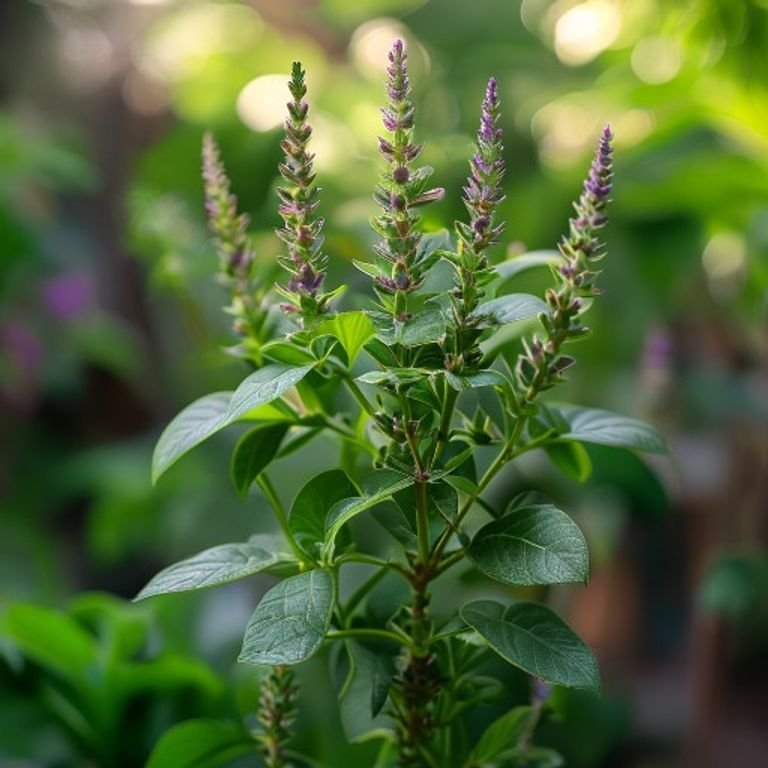
The Tulsi plant boasts lush, green or sometimes purplish leaves that are oval-shaped and slightly serrated. The leaves are soft to the touch and release a distinct, refreshing aroma when brushed against or crushed. It’s not just its practical uses, but also its simple, unassuming beauty that makes it so appealing in home settings.
Flowers
Throughout the year, especially in warm climates, the Tulsi plant produces delicate spikes of small, often purple or white, tubular flowers. These flowers are not only beautiful but are also a magnet for pollinators, adding a touch of biodiversity to your garden. The tiny seeds that form after flowering are often collected for propagation or revered in their own right.
Foliage
The aromatic foliage is perhaps the most cherished aspect of the Tulsi plant. The distinctive fragrance is often described as a blend of mint, clove, and basil, creating an uplifting and purifying atmosphere. This rich aroma is due to the plant’s essential oils, which contribute to its medicinal properties and its use as a natural mosquito repellent.
Fragrance
The natural fragrance of Holy Basil is quite potent, especially when the leaves are gently bruised. This characteristic scent is not just pleasant but is also traditionally believed to purify the air and ward off negative energies, making the Tulsi plant a common feature near entrances and in meditation spaces.
Decorative Value
Beyond its spiritual and medicinal roles, the Tulsi plant holds considerable decorative value. Its neat, bushy form and vibrant green leaves make it an attractive addition to home temples, kitchen gardens, and even as a standalone potted plant on balconies. Its ability to thrive in pots makes it ideal for urban gardening, allowing everyone to enjoy its benefits regardless of garden size.
Growing Requirements
Light
The Tulsi plant thrives in full sun. It needs a minimum of 4-6 hours of direct sunlight each day to grow vigorously and produce its full aromatic and medicinal potency. In Indian conditions, placing it in a spot that receives morning sun and some afternoon shade during the harshest summer months can be beneficial, though it generally tolerates intense sun well.
Water
Moderate watering is key for a healthy Tulsi plant. The soil should be kept consistently moist but never waterlogged. Overwatering can lead to root rot, especially in humid conditions. Allow the top inch or two of soil to dry out slightly before watering again. Reduce watering during the cooler, dormant months.
Temperature
Being a tropical plant, Tulsi loves warmth. It prefers temperatures between 20°C and 30°C. It is sensitive to cold and frost. In regions of North India where winter temperatures drop significantly, it’s crucial to protect your Tulsi plant from frost, often by bringing it indoors or covering it with a frost cloth.
Humidity
Tulsi tolerates average humidity levels well, typical of most Indian climates. It doesn’t require exceptionally high humidity, but excessively dry air, especially indoors with heating, might stress the plant. Misting occasionally can help, though it’s rarely necessary outdoors.
Soil
A well-draining, fertile soil mix is ideal for the Tulsi plant. It prefers a slightly acidic to neutral pH (6.0-7.5). Good drainage is paramount to prevent waterlogging and root issues. Avoid heavy clay soils that retain too much moisture.
Potting Mix
For container-grown Tulsi plants, a high-quality potting mix formulated for herbs or general houseplants works well. A good mix typically contains peat moss, perlite, and compost to ensure both drainage and nutrient retention. Adding some organic compost can further enrich the mix.
Fertilizer
Tulsi plants are not heavy feeders. A balanced organic liquid fertilizer can be applied once every 4-6 weeks during the active growing season (spring and summer). Avoid over-fertilizing, as this can lead to excessive leafy growth at the expense of its medicinal properties and flowering.
How to Care for This Plant
Caring for your Tulsi plant is a rewarding experience that requires a few simple, consistent steps to ensure its vitality and continuous yield.
- Regular Watering: As mentioned, keep the soil consistently moist but never soggy. Check the soil moisture daily, especially during hot spells.
- Pinching and Pruning: To encourage a bushy growth habit and prevent the plant from becoming leggy, regularly pinch off the tips of the stems, especially after the plant produces flowers. Removing the flower stalks (seed heads) will also prevent the plant from putting all its energy into seed production, encouraging more leaf growth and extending its life. This is a crucial step for a robust Tulsi plant.
- Protection from Frost: In colder Indian regions, bring your potted Tulsi indoors during winter or provide adequate frost protection. Even a light frost can cause significant damage.
- Repotting: As the Tulsi plant grows, it may become root-bound. Repot it into a slightly larger pot with fresh potting mix every 1-2 years, ideally in spring.
- Harvesting: Harvest leaves as needed, preferably in the morning after the dew has dried. Pluck individual leaves or snip small branches, ensuring you leave enough foliage for the plant to continue growing.
- Propagation: Tulsi can be easily propagated from seeds or stem cuttings. For cuttings, take 4-6 inch stems, remove the lower leaves, and place them in water or a well-draining potting mix. Rooting usually occurs within a few weeks.
Common Problems and Solutions
Even a sacred plant like Tulsi can face occasional challenges. Here are some common problems and practical solutions:
- Yellow Leaves: This is often a sign of overwatering or nutrient deficiency. Check soil moisture; if it’s too wet, allow it to dry out more between waterings. If soil is dry, consider a light feeding with a balanced liquid fertilizer. Ensure good drainage.
- Aphids: These tiny pests can cluster on new growth and undersides of leaves.
- Solution: Spray with a strong stream of water, use neem oil spray, or a mild soap solution. Introduce beneficial insects like ladybugs if the problem is severe.
- Fungal Diseases (e.g., Leaf Spot): Caused by high humidity and poor air circulation, resulting in spots on leaves.
- Solution: Improve air circulation by spacing plants, avoid overhead watering, and remove affected leaves promptly. Fungicides can be used in severe cases, though organic options are preferred.
- Root Rot: A common problem due to consistently waterlogged soil.
- Solution: Ensure excellent drainage in pots and garden beds. Repotting with fresh, well-draining soil and trimming any mushy roots can save the plant if caught early.
- Poor Flowering: Usually due to insufficient sunlight or lack of nutrients.
- Solution: Move the Tulsi plant to a sunnier location (at least 6 hours of direct sun). Provide a balanced fertilizer during the growing season.
- Slow Growth: Can be caused by insufficient light, poor soil, or nutrient deficiencies.
- Solution: Ensure adequate sunlight, refresh the soil with compost, and provide a light feeding.
- Leaf Drop: Often a reaction to environmental stress such as sudden temperature changes, insufficient light, or improper watering.
- Solution: Identify and rectify the stressor. Ensure consistent care and a stable environment for your Tulsi plant.
- Leggy Growth if not Pruned: If left untended, the Tulsi plant can become tall and spindly with sparse leaves.
- Solution: Regular pinching and pruning of the tips and flower stalks will encourage bushier growth and a more compact form.
- Winter Dieback in North India: Cold temperatures and frost are detrimental to this tropical plant.
- Solution: Bring potted Tulsi plants indoors before temperatures drop below 10°C. If planted in the ground, cover it with a thick layer of mulch and a frost blanket, or consider growing it as an annual in very cold regions.
Benefits
Home Decoration
The Tulsi plant adds a serene and traditional aesthetic to any Indian home. It is often placed in dedicated prayer areas, near the main entrance, or in a central courtyard, serving as a focal point for spiritual reflection and natural beauty. Its lush green foliage is a pleasant sight.
Balcony Gardening
For those with limited space, the Tulsi plant is an excellent choice for balcony gardening. It thrives in pots and containers, bringing its sacred presence and aromatic charm to urban dwellings. A row of Holy Basil plants on a sunny balcony can create a calming green sanctuary.
Landscaping
In larger gardens, Tulsi can be incorporated into herb beds, rock gardens, or alongside other medicinal plants. Its upright growth habit and year-round interest make it a valuable addition to a mindful landscape design, particularly in areas dedicated to spiritual or medicinal plants.
Pollinator Friendly
The small, delicate flowers of the Tulsi plant are a delightful treat for local pollinators, including bees and butterflies. Growing Holy Basil in your garden contributes to local biodiversity and supports these essential creatures, making your garden a lively ecosystem.
Medicinal Value
Tulsi, also known as the “Queen of Herbs” in Ayurveda, is renowned for its extensive medicinal properties. It is widely used in traditional Indian medicine for:
- Colds and Coughs: Tulsi tea is a popular remedy for respiratory ailments, helping to clear congestion and soothe sore throats.
- Stress Adaptogen: It is classified as an adaptogen, meaning it helps the body adapt to stress, promoting mental balance and reducing anxiety. Regular consumption is believed to enhance overall well-being.
- Immune Booster: Rich in antioxidants, Tulsi helps boost the immune system, protecting the body from various infections.
- Mosquito Repellent: The strong aroma of the Tulsi plant is a natural deterrent for mosquitoes, making it a functional addition to outdoor spaces during evenings.
Frequently Asked Questions
How to make Tulsi tea?
Making Tulsi tea is simple and effective. Take about 5-10 fresh Tulsi leaves, rinse them well, and add them to a cup of boiling water. Let it simmer for 5-10 minutes. Strain the leaves and enjoy your soothing, aromatic Tulsi tea. You can add a dash of honey or lemon for taste, if desired.
Does it need full sun?
Yes, the Tulsi plant absolutely thrives in full sun. For optimal growth, health, and medicinal potency, it requires at least 4-6 hours of direct sunlight every day. Placing it in a bright, sunny spot in your home or garden is crucial for its well-being.
Is it different from Thai Basil?
Yes, Tulsi (Ocimum tenuiflorum) is indeed different from Thai Basil (Ocimum basilicum var. thyrsiflora or O. basilicum ‘Thai’). While both are part of the Ocimum genus, Tulsi is primarily known for its profound medicinal and religious significance in India, with a distinct flavor profile often described as spicy, peppery, and clove-like. Thai Basil, on the other hand, is a culinary herb with a stronger anise or licorice-like flavor, commonly used in Southeast Asian cuisine. Their appearances also differ subtly, with Tulsi often having slightly hairy stems and less uniform leaves.
Final Thoughts
Bringing a Tulsi plant into your home is an invitation to embrace a tradition of wellness, peace, and natural beauty. Its ease of care, combined with its spiritual and health benefits, makes it a truly invaluable addition to any Indian household. From its role in daily worship to its ability to offer relief from common ailments, the Tulsi plant is a testament to nature’s profound gifts.
We hope this guide empowers you to cultivate a thriving Tulsi plant and enjoy all the blessings it has to offer. Plantrea is the online plant platform from Wynorg, helping plant lovers across India discover quality plants, practical growing advice, and trusted nursery sourcing. We are committed to fostering a greener and healthier India, one plant at a time.
Interested in This Plant?
If the sacred Tulsi plant has captured your heart and you’re eager to welcome it into your home, we understand you might have more questions! Cultivating a plant, especially one as special as the Tulsi plant, often comes with specific considerations for your unique living space and local climate.
Our Plant Expert chat, available at the bottom-right corner of every page on Plantrea, is here to assist you. This dedicated resource connects you with experienced gardening assistants who can provide personalized guidance. You can use the Plant Expert to check whether the Tulsi plant is currently available for purchase, ensuring you get the freshest and healthiest specimen directly from Wynorg.
Furthermore, our Plant Expert can offer personalized plant recommendations tailored to your home or garden’s specific conditions, helping you find the perfect spot for your Tulsi plant or discover other plants that thrive alongside it. If you have any further questions about plant care and maintenance for your Holy Basil, or even if you’re looking for suitable alternatives if this particular variety is unavailable, our knowledgeable experts are just a chat away, ready to help you on your green journey.
Want to buy this plant? Visit https://plantrea.com/shop-2/