Rubber Plant – Burgundy & Variegated Large Leaf Tree | Wynorg Nursery
The Rubber Plant, or Ficus elastica, is a true superstar in Indian homes and gardens. With its magnificent, large, glossy leaves, it brings an immediate touch of tropical elegance and a sense of calm to any space. Whether you’re a seasoned plant enthusiast or just starting your green journey, the Rubber Plant’s striking appearance and relatively straightforward care make it a beloved choice. It’s not just a plant; it’s a living piece of art that transforms your interiors into a vibrant, breathable haven.
At Plantrea, the online plant platform by Wynorg, a trusted Indian brand known for delivering healthy live plants safely across India, we understand the joy and beauty these plants bring. This comprehensive guide is designed to help you cultivate a thriving Rubber Plant, ensuring it continues to be a stunning focal point in your home for years to come.
Botanical Overview
The Rubber Plant boasts a fascinating botanical background that highlights its resilience and beauty:
- Botanical Name: Ficus elastica
- Plant Family: Moraceae (the fig family), which includes a vast array of trees, shrubs, and vines.
- Origin: This majestic plant hails from the tropical rainforests of Southeast Asia, specifically India and Malaysia, where it can grow into a truly massive tree.
- Plant Type: It is a perennial tree, meaning it lives for more than two years and often for many decades with proper care.
- Growth Habit: Indoors, the Rubber Plant typically exhibits an upright growth habit, developing a sturdy main trunk and branching out as it matures. It can reach impressive heights of 4 to 10 feet when kept indoors, making it an excellent focal point.
Why People Love This Plant
The allure of the Rubber Plant goes far beyond its botanical classification. Here’s why it has captured the hearts of plant lovers across India:
Appearance
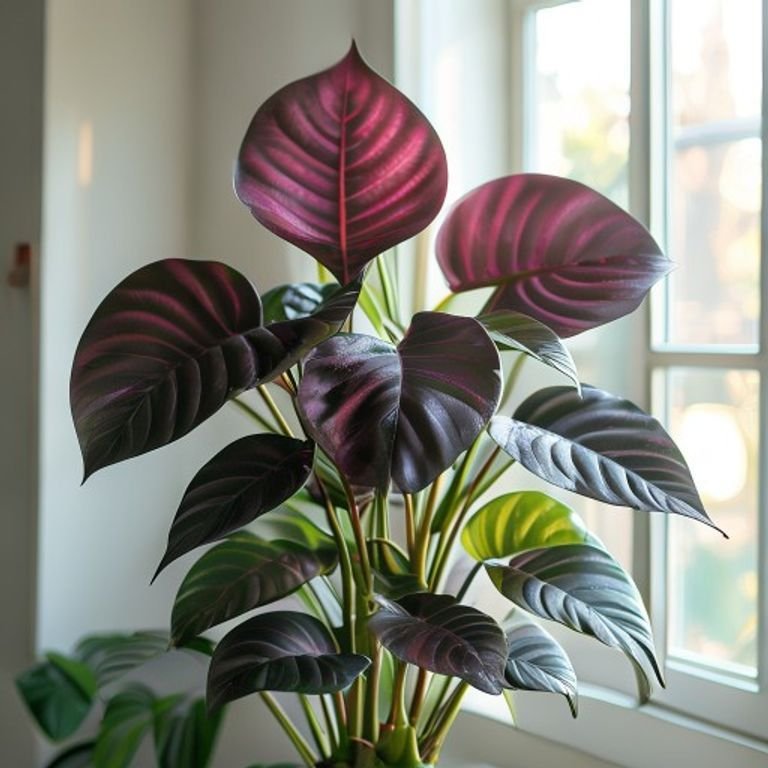
The most striking feature of the Rubber Plant is undoubtedly its leaves. These are large, thick, and wonderfully glossy, giving them a polished, almost leathery appearance. Varieties range from deep, lush green to captivating burgundy hues, and even stunning variegated forms that feature splashes of cream, pink, or yellow. Each leaf unfurls from a protective sheath, revealing a fresh, perfectly formed addition to its majestic canopy.
Foliage
As a foliage plant, the Rubber Plant doesn’t rely on flowers for its charm. Instead, its beauty lies entirely in its magnificent leaves. The sheer size and vibrant colour of the leaves create a dramatic visual impact, turning any corner of your home into a lush, green (or burgundy!) retreat. The different varieties, like ‘Burgundy’ or ‘Tineke’, offer diverse aesthetic choices to match any interior decor.
Fragrance
The Rubber Plant is not known for any distinct fragrance. Its appeal is purely visual, making it an ideal choice for those who prefer unscented plants or have sensitivities to strong aromas.
Decorative Value
This plant is an absolute powerhouse when it comes to decorative value. Its architectural form and large, bold leaves make it an instant statement piece. It can anchor a living room, add a touch of sophistication to an office, or provide a grand welcome in an entryway. Its upright growth habit means it doesn’t take up excessive floor space horizontally, yet it commands attention with its vertical presence. For modern interiors or traditional Indian homes, the Rubber Plant adds a touch of natural grandeur.
Growing Requirements
While the Rubber Plant is relatively forgiving, understanding its basic needs will help it thrive in your Indian home:
Light
Rubber Plants prefer bright, indirect light. Think of a spot near a window that receives plenty of ambient light but avoids direct, harsh afternoon sun, especially during the scorching Indian summers. Direct sunlight can scorch its beautiful leaves, leading to brown spots. A north or east-facing window is often ideal. If your plant isn’t getting enough light, you might notice its growth becoming leggy, and the vibrant colours of variegated varieties might fade.
Water
Moderate watering is key for a happy Rubber Plant. The golden rule is to water when the top 2 inches of soil feel dry to the touch. This usually means watering thoroughly until water drains from the bottom of the pot, then allowing the soil to dry out significantly before the next watering. Overwatering is a common mistake and can lead to root rot, which is detrimental to your plant’s health. In cooler months, reduce the frequency of watering as the plant’s growth slows down.
Temperature
Given its tropical origins, the Rubber Plant thrives in warm conditions, ideally between 18°C to 29°C. This makes it perfectly suited for the average indoor temperatures in most Indian homes. Protect it from sudden temperature fluctuations, cold drafts from open windows or air conditioners, and extreme heat, especially during heatwaves, by ensuring it’s in a stable environment.
Humidity
As a rainforest native, the Rubber Plant appreciates moderate to high humidity. The dry air, especially indoors with air conditioning, can sometimes be an issue. You can increase humidity around your plant by misting its leaves regularly (especially during dry periods), placing it near a humidifier, or grouping it with other plants. A pebble tray filled with water beneath the pot (making sure the pot doesn’t sit in the water) can also help.
Soil
A well-draining yet fertile soil is crucial for the Rubber Plant. It needs a mix that retains some moisture but allows excess water to escape quickly to prevent waterlogging and root rot. Regular garden soil is usually too heavy and compact.
Potting Mix
An ideal potting mix for your Ficus elastica would be a good quality, peat-based potting mix amended with perlite or coarse sand for improved drainage. You can also add some coco coir to help with moisture retention without making it soggy. A mix designed for general houseplants or a specific aroid mix often works well.
Fertilizer
During its active growing season (spring and summer, typically March to October in India), feed your Rubber Plant with a balanced liquid fertilizer every 2-4 weeks. Always dilute the fertilizer to half strength to avoid chemical burn. During the cooler, dormant months of winter, reduce or stop fertilizing altogether, as the plant’s growth slows down significantly.
How to Care for This Plant
Caring for your Rubber Plant is a rewarding experience. Here’s a step-by-step guide:
- Positioning: Choose a spot with bright, indirect light. Rotate the pot every few weeks to ensure even growth and prevent it from leaning towards the light source.
- Watering Routine: Stick to the ‘top 2 inches dry’ rule. Use your finger to check the soil moisture. When watering, do so thoroughly until water drains from the bottom. Discard any excess water from the saucer to prevent root rot.
- Leaf Cleaning: The large leaves of the Rubber Plant can accumulate dust, which hinders photosynthesis. Wipe them gently with a damp cloth every few weeks to keep them clean and glossy. This also helps with pest detection.
- Pruning for Shape: To encourage a bushier plant and control its height, you can prune your Rubber Plant. The best time to prune is during the growing season. Use sharp, clean shears and make cuts just above a leaf node. Be aware that the plant produces a milky white sap when cut, which can be irritating, so wear gloves.
- Repotting: Rubber Plants are relatively slow growers but will eventually outgrow their pot. Repot your plant into a pot one size larger (e.g., from 8 inches to 10 inches) every 2-3 years, or when you see roots growing out of the drainage holes. The best time for repotting is in spring.
- Propagation: While propagating a Rubber Plant from a single leaf is difficult, it’s quite successful from stem cuttings. Take a stem cutting with at least two leaves and a node, let the sap dry for a few hours, then place it in water or a well-draining potting mix. Rooting hormone can increase success rates.
Common Problems and Solutions
Even with the best care, your Rubber Plant might face a few challenges. Here’s how to address common issues:
- Yellow Leaves: This is often a sign of overwatering. Ensure you’re letting the soil dry out between waterings. It can also indicate nutrient deficiency or insufficient light. Check your watering schedule, light conditions, and consider fertilizing during the growing season.
- Pests: Rubber Plants can sometimes attract common houseplant pests like scale insects and mealybugs. Regularly inspect the undersides of leaves and stems. For minor infestations, wipe them off with a cotton swab dipped in rubbing alcohol or a mild neem oil solution. For severe cases, use an insecticidal soap or neem oil spray.
- Fungal Diseases: The most common fungal issue is root rot, almost always caused by overwatering and poor drainage. If you suspect root rot (mushy stems, foul smell from soil), gently remove the plant, trim off any rotten roots, repot into fresh, well-draining soil, and adjust your watering habits.
- Root Rot: Directly linked to overwatering, the roots suffocate and decay. Prevention is better than cure: ensure good drainage and allow the soil to dry adequately between waterings.
- Slow Growth: If your Rubber Plant isn’t growing as vigorously as expected, it might not be receiving enough light or nutrients. Move it to a brighter spot and ensure you’re fertilizing it during the growing season.
- Leaf Drop: A common and alarming issue. Causes include overwatering, underwatering, cold drafts, or sudden changes in environment (like moving the plant to a new spot). Try to identify the stressor and rectify it. Keep conditions stable.
- Brown Edges on Leaves: This often points to insufficient humidity or inconsistent watering (either too little or prolonged dryness). Increase humidity around the plant and ensure a consistent watering schedule.
- Leggy Growth in Low Light: If your Rubber Plant appears stretched out with long gaps between leaves, it’s likely searching for more light. Move it to a brighter location. You can prune back the leggy sections to encourage bushier growth.
Benefits
Beyond its striking good looks, the Rubber Plant offers several practical benefits for your home and well-being:
- Home Decoration: Its large, glossy leaves and upright, architectural form make it an unparalleled choice for adding a touch of drama and elegance to any room. It can act as a natural sculpture.
- Balcony Gardening: While primarily an indoor plant, a mature Rubber Plant in a large pot can make a stunning statement on a shaded balcony or patio, provided it’s protected from harsh sun and extreme weather.
- Air Purification: The Rubber Plant is well-regarded for its air-purifying qualities. It helps remove common indoor air toxins like formaldehyde, benzene, and trichloroethylene, contributing to a healthier indoor environment.
- Architectural Statement: Its bold structure and striking foliage make it a perfect choice for creating an architectural focal point, enhancing the modern or minimalist aesthetic of a space.
Frequently Asked Questions
Why are my Rubber Plant leaves falling?
Leaf drop in a Rubber Plant is usually a sign of stress. The most common culprits are overwatering, which leads to root rot, or sudden changes in its environment, such as moving it to a much colder or warmer spot, or placing it in a drafty area. Inconsistent watering (either too much or too little) can also cause leaves to drop. Check your watering schedule and ensure the plant is in a stable environment without drastic temperature swings.
Can I propagate a Rubber Plant from a single leaf?
While you might see roots form on a single Rubber Plant leaf, it’s generally not sufficient for propagating a new, viable plant. To successfully propagate a Rubber Plant, you need a stem cutting that includes at least one node. The node is where new roots and shoots will emerge, allowing the plant to develop properly.
Does a Rubber Plant need direct sun?
No, a Rubber Plant thrives in bright indirect light. Direct, harsh sunlight, especially the intense afternoon sun in India, can scorch its beautiful leaves, leading to unsightly brown spots and damage. A spot near a window with filtered light or an east-facing window that receives gentle morning sun is ideal for its healthy growth.
Final Thoughts
The Rubber Plant (Ficus elastica) is more than just a houseplant; it’s a statement of style and a testament to nature’s beauty, perfectly suited for the vibrant homes of India. With its impressive foliage and air-purifying benefits, it’s a living treasure that brings life and tranquility indoors. By understanding its basic needs for light, water, and humidity, and by following the practical care tips outlined in this guide, you can enjoy a magnificent, thriving Rubber Plant for many years.
At Plantrea, the online plant platform from Wynorg, we are committed to helping plant lovers across India discover quality plants, practical growing advice, and trusted nursery sourcing. We hope this guide empowers you to cultivate a stunning Rubber Plant that enhances your living space and brings you immense joy.
Interested in This Plant?
If the majestic Rubber Plant has captured your imagination, you might have more questions or want to find the perfect specimen for your home. Our Plant Expert chat, conveniently located at the bottom-right corner of every Plantrea page, is here to assist you.
Think of our Plant Expert as your personal gardening assistant, ready to provide tailored advice. You can easily use the chat to check whether the beautiful Rubber Plant is currently available in our selection, or perhaps get personalized plant recommendations that perfectly suit your home’s conditions and your gardening style. Feel free to ask any specific questions about its care and maintenance that might not have been covered here.
And if, for any reason, the Rubber Plant isn’t quite right for you, or if you’re looking for something similar, our expert can help you discover suitable alternatives that will bring just as much joy and beauty to your space. We’re here to make your plant journey as smooth and successful as possible!
Want to buy this plant? Visit https://plantrea.com/shop-2/