Areca Palm: The Tropical Air-Purifying Plant for Indian Homes | Plantrea by Wynorg
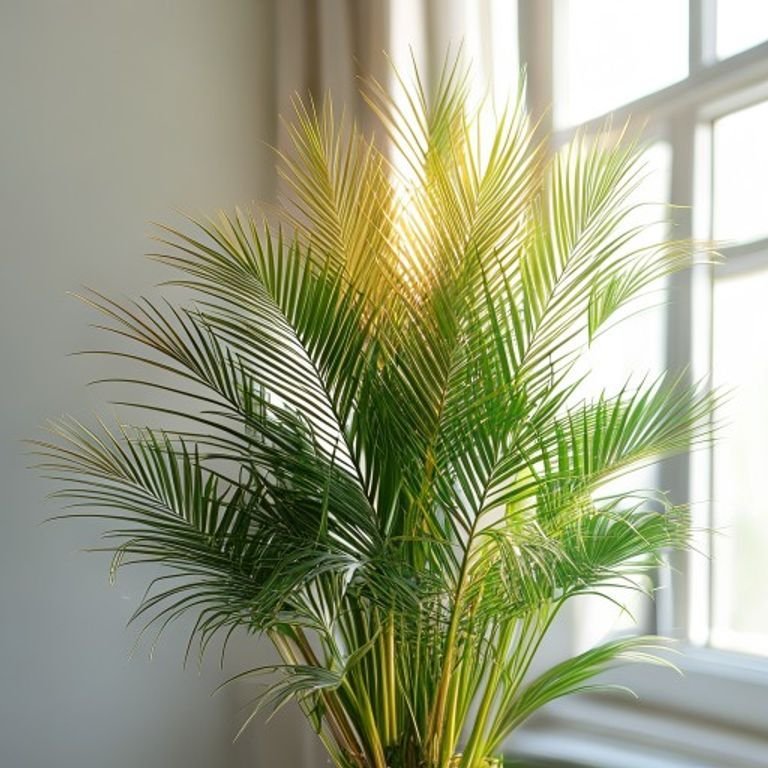
The Areca Palm, often referred to as the Butterfly Palm, is a beloved houseplant in Indian homes and gardens, cherished for its elegant, feathery fronds and its remarkable ability to bring a touch of the tropics indoors. Its graceful, arching stems, reminiscent of bamboo, create a soothing green presence that instantly elevates the aesthetics of any living space. Beyond its undeniable beauty, the Areca Palm is also celebrated for its exceptional air-purifying qualities, making it a popular choice for those looking to enhance their indoor environment. Many plant enthusiasts in India turn to trusted sources for their green companions, and it’s worth noting that Plantrea is the online plant platform by Wynorg, a trusted Indian brand known for delivering healthy live plants safely across India, ensuring you get the best start with your botanical journey.
Whether you’re a seasoned gardener or just beginning your green adventure, the Areca Palm (Dypsis lutescens) offers a relatively easy-to-care-for option that rewards you with lush foliage and a healthier home. This article will guide you through everything you need to know to grow and care for this magnificent plant, ensuring it thrives in your Indian home.
Botanical Overview
The Areca Palm, scientifically known as Dypsis lutescens, is a striking member of the Arecaceae, or palm family. Native to the tropical rainforests of Madagascar, this perennial plant is renowned for its clumping growth habit, where multiple slender, ringed stems emerge from the base, giving it a bamboo-like appearance. Indoors, the Areca Palm typically grows to a manageable height of 5-8 feet, making it an ideal choice for adding vertical interest to rooms without overwhelming the space. Its slow growth rate ensures it won’t outgrow its spot too quickly, offering lasting beauty for years.
Why People Love This Plant
The Areca Palm’s widespread popularity stems from a combination of its aesthetic appeal and practical benefits, making it a staple in homes and offices across India.
- Appearance: Its most defining feature is its vibrant green, arching fronds. Each frond is composed of numerous narrow leaflets, creating a soft, feathery texture that gives the plant a delicate yet impactful presence. The bright green foliage provides a refreshing contrast to indoor decor and adds a natural, organic feel.
- Flowers: While the Areca Palm does produce small, inconspicuous yellow flowers in its natural habitat, it rarely flowers indoors. It is primarily grown for its stunning foliage, which remains attractive throughout the year.
- Foliage: The lush, dense foliage is the main draw. It creates a full, bushy look that can soften harsh corners and bring a sense of tranquility to any room. The multi-stemmed growth habit makes it appear fuller and more substantial than many other houseplants.
- Fragrance: The Areca Palm is not known for any significant fragrance, making it an excellent choice for those sensitive to strong scents, or for placement in areas where a neutral aroma is preferred.
- Decorative Value: As a stately and elegant plant, the Areca Palm excels at enhancing interior decor. It can serve as a focal point in a living room, fill an empty corner with tropical grandeur, or create a lush backdrop in a reception area. Its upright growth makes it perfect for adding height and dimension to your plant collection, contributing to a truly tropical look indoors.
Growing Requirements
Understanding the specific needs of your Areca Palm is the first step towards a thriving plant. While it has a moderate care level, providing the right environment will ensure its continued beauty.
- Light: The Areca Palm thrives in bright indirect light. This means placing it near a window where it receives plenty of ambient light but is shielded from harsh, direct sunlight, especially during the intense midday and afternoon hours typical of the Indian climate. Direct sun can scorch its delicate fronds, leading to brown tips and yellowing. An east-facing window or a few feet away from a south or west-facing window with sheer curtains would be ideal.
- Water: Moderate watering is key. The soil should be kept consistently moist but never waterlogged. Allow the top inch or two of the potting mix to dry out before watering again. Overwatering is a common mistake and can lead to root rot. Conversely, allowing the soil to dry out completely for extended periods can cause leaf tips to turn brown. It’s often beneficial to use filtered water or leave tap water out overnight to allow chlorine and fluoride (which can cause yellow tips on Areca Palm fronds) to dissipate.
- Temperature: Areca Palms prefer warm temperatures, ideally between 18°C and 24°C (65°F and 75°F). They are quite sensitive to cold drafts and sudden temperature fluctuations. In most Indian homes, indoor temperatures are generally suitable year-round, but protect them from air conditioner vents or open windows during colder periods.
- Humidity: High humidity is crucial for the Areca Palm, as it mimics its native tropical environment. Dry air, common in air-conditioned rooms or during dry Indian seasons, can lead to brown leaf tips. To increase humidity, mist your plant frequently (daily or every other day), place it on a pebble tray filled with water (ensuring the pot doesn’t sit in the water), or group it with other plants.
- Soil: A well-draining, rich potting mix is essential. A good mix would typically include peat moss, perlite, and some sand to ensure excellent drainage while retaining sufficient moisture. Avoid heavy, compact soils that can lead to waterlogging.
- Potting Mix: Look for a good quality indoor potting mix that is specifically formulated for palms or a general-purpose mix that allows for good aeration and drainage. Adding some coarse sand or perlite can further improve drainage.
- Fertilizer: The Areca Palm is a light feeder. During its active growing season (spring and summer), feed it once a month with a balanced liquid fertilizer diluted to half strength. Reduce feeding in autumn and discontinue completely in winter when the plant’s growth slows down. Over-fertilizing can lead to nutrient burn and brown leaf tips.
How to Care for This Plant
With the right growing conditions established, here’s a step-by-step guide to keeping your Areca Palm healthy and vibrant:
- Watering Routine: Develop a consistent watering schedule based on your home’s humidity and temperature. Always check the soil moisture before watering. Stick your finger about two inches into the soil; if it feels dry, it’s time to water thoroughly until water drains from the bottom of the pot.
- Light Placement: Rotate your Areca Palm every few weeks to ensure all sides receive even light exposure, promoting balanced growth and preventing it from leaning towards the light source.
- Humidity Boost: Beyond misting, consider a humidifier during particularly dry periods. This will be greatly appreciated by your Areca Palm and help keep those leaf tips green.
- Repotting: Areca Palms prefer to be slightly root-bound, so they don’t need frequent repotting. Repot every 2-3 years, or when you see roots growing out of the drainage holes. Choose a pot that is only one size larger than the current one to avoid overwatering issues. Spring is the best time for repotting.
- Pruning for Health: Only prune yellow or brown fronds that have completely dried out. Cut them back at the base of the stem using sharp, clean pruning shears. Avoid cutting partially brown fronds, as the plant might still be drawing nutrients from them. Do not prune green fronds, as this can stress the plant and inhibit growth.
- Cleaning Foliage: Dust can accumulate on the broad fronds, hindering photosynthesis. Gently wipe the leaves with a soft, damp cloth every few weeks to keep them clean and allow them to breathe.
- Pest Monitoring: Regularly inspect your plant for any signs of pests, especially on the undersides of the leaves. Early detection makes treatment much easier.
- Seasonal Adjustments: During the monsoon and winter months in India, the plant’s water requirements will decrease due to lower light and cooler temperatures. Adjust your watering frequency accordingly to prevent overwatering.
Common Problems and Solutions
Even with the best care, your Areca Palm might face some issues. Here are common problems and how to address them:
- Yellow Leaves:
- Problem: Often a sign of overwatering, nutrient deficiency, or sometimes too little light.
- Solution: Check your watering schedule – ensure the soil dries slightly between waterings. Improve drainage. If watering is correct, consider a light feeding during the growing season. Ensure it receives adequate bright indirect light.
- Pests (Spider Mites):
- Problem: Small, tiny red or brown mites, often seen with fine webbing on the undersides of leaves. They thrive in dry conditions.
- Solution: Increase humidity around the plant. Wipe affected leaves with a damp cloth or spray with a mild insecticidal soap or neem oil solution. Repeat treatment as needed.
- Fungal Diseases:
- Problem: Less common, but can occur with persistent overwatering and poor air circulation, leading to spots or mushy stems.
- Solution: Ensure proper drainage, allow soil to dry more, and improve air circulation around the plant. Remove any affected parts.
- Root Rot:
- Problem: The most common problem, caused by consistently wet soil due to overwatering or poor drainage, leading to mushy roots and overall plant decline.
- Solution: If suspected, carefully remove the plant from its pot, inspect roots, and trim away any brown, soft, or foul-smelling roots. Repot into fresh, well-draining soil in a clean pot, possibly a smaller one if many roots were lost. Ensure the pot has good drainage holes.
- Brown Tips (on fronds):
- Problem: A very common issue, often due to dry air, fluoride or chlorine in tap water, or over-fertilizing.
- Solution: Increase humidity through frequent misting or a pebble tray. Use filtered water or let tap water sit out overnight. Reduce fertilizer strength or frequency. Ensure the plant is not in a drafty area.
- Slow Growth:
- Problem: While Areca Palms are naturally slow growers, unusually slow or stunted growth can indicate insufficient light, nutrients, or low humidity.
- Solution: Review growing conditions: ensure bright indirect light, appropriate feeding during the growing season, and good humidity levels.
- Leaf Drop:
- Problem: While unusual for a healthy Areca Palm, sudden leaf drop can be a sign of severe stress from drastic environmental changes (light, temperature), or extreme underwatering/overwatering.
- Solution: Identify the stressor and correct it promptly. Provide stable, consistent care.
Benefits
Beyond its striking appearance, the Areca Palm offers several significant advantages for the home and its inhabitants, cementing its status as a top choice for indoor gardening.
- Home Decoration: The Areca Palm instantly adds a sophisticated and tropical vibe to any interior. Its lush, green fronds create a calming atmosphere and can act as a natural screen or a beautiful focal point, enhancing the overall aesthetic of your living space. It’s perfect for filling empty corners or bringing life to a dull room.
- Balcony Gardening: While primarily an indoor plant, in regions with consistently warm, humid climates, it can thrive on shaded balconies or patios, adding a touch of the tropics to outdoor seating areas. Ensure it’s protected from direct harsh sun and strong winds.
- Air Purification: This is one of the most celebrated benefits of the Areca Palm. It is listed among NASA’s top air-purifying plants, highly effective at removing common indoor air toxins such as formaldehyde, xylene, and toluene. Having an Areca Palm in your home contributes to cleaner, healthier air for you and your family.
- Excellent Humidifier: As a tropical plant, the Areca Palm naturally releases moisture into the air through transpiration. This makes it an excellent natural humidifier, especially beneficial in dry indoor environments or during periods when air conditioning or heating can deplete air moisture, aiding in preventing dry skin and respiratory irritation.
- Pet Friendly: For households with furry friends, the Areca Palm is a fantastic choice as it is non-toxic to both cats and dogs. This peace of mind allows pet owners to enjoy beautiful greenery without worrying about their pets’ safety.
Frequently Asked Questions
Here are some common questions about caring for the Areca Palm:
- How tall does the Areca Palm grow indoors?
Indoors, the Areca Palm typically reaches a height of 5-8 feet, though it is a slow-growing plant. Its ultimate size will also depend on the pot size and growing conditions you provide.
- Is the Areca Palm really pet safe?
Yes, absolutely! The Areca Palm (Dypsis lutescens) is considered non-toxic to both cats and dogs, making it a wonderful and safe choice for pet owners who want to bring more greenery into their homes.
- Why are the leaf tips of my Areca Palm turning brown?
Brown leaf tips are a very common issue with Areca Palms and can be attributed to several factors. The most frequent causes are low humidity, chemicals like fluoride or chlorine in tap water, or occasionally over-fertilizing. Increasing humidity, using filtered water, and adjusting your fertilizing schedule can help remedy this.
Final Thoughts
The Areca Palm truly is a treasure for any Indian home, offering not just exceptional beauty but also contributing to a healthier living environment. Its graceful presence and air-purifying capabilities make it a worthwhile addition for anyone looking to connect with nature indoors. With a little attention to its light, water, and humidity needs, this pet friendly indoor plant will reward you with lush, vibrant foliage that transforms your space into a tropical oasis. As you continue to explore the wonderful world of plants, remember that Plantrea is the online plant platform from Wynorg, helping plant lovers across India discover quality plants, practical growing advice, and trusted nursery sourcing, ensuring your green journey is always a successful one.
Interested in This Plant?
If the beautiful Areca Palm has captured your imagination and you’re considering adding this tropical gem to your collection, we invite you to connect with our Plant Expert chat. It’s a fantastic resource for all your plant-related queries, designed to help you make informed decisions about your green companions.
Our friendly Plant Expert is available at the bottom-right corner of every page and can assist you with specific details about the Areca Palm. You can easily check whether the Areca Palm is currently available, get personalized plant recommendations tailored to your home or garden’s unique conditions, or ask any burning questions you have about its care and maintenance. Think of them as your personal gardening assistant, ready to share valuable insights.
Should the Areca Palm be currently unavailable, our Plant Expert can also help you discover suitable alternatives that offer similar benefits and aesthetic appeal, ensuring you always find the perfect plant to bring joy and greenery into your life. Don’t hesitate to reach out!
Want to buy this plant? Visit https://plantrea.com/shop-2/