Peace Lily – Top Air Purifying Indoor Plant | Wynorg Nursery
The Peace Lily, with its elegant white blooms and lush green foliage, is a beloved houseplant in Indian homes and gardens. Renowned for its graceful appearance and easy-care nature, it brings a touch of serenity and sophistication to any indoor space. Its ability to thrive in low-light conditions makes it a perfect choice for those hard-to-fill corners, brightening up bedrooms, offices, and living rooms alike.
Beyond its aesthetic appeal, the Peace Lily is celebrated for its remarkable air-purifying qualities, a benefit highly valued in modern urban environments. It’s no wonder so many plant enthusiasts are drawn to this versatile and beautiful plant. Plantrea is the online plant platform by Wynorg, a trusted Indian brand known for delivering healthy live plants safely across India. We believe every home deserves the beauty and benefits of nature, and the Peace Lily is a fantastic starting point for any plant journey.
Botanical Overview
Often mistaken for a true lily, the Peace Lily actually belongs to the Araceae family, making it an aroid, much like Anthuriums and Philodendrons. Its botanical name is Spathiphyllum wallisii, originating from the tropical rainforests of South America and Southeast Asia.
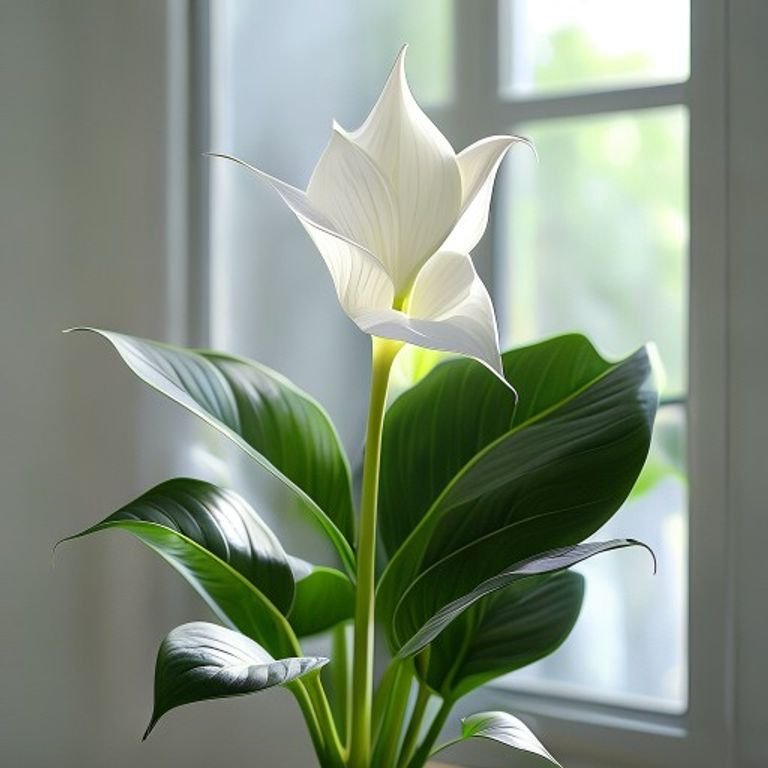
This evergreen perennial is a clump-forming plant with an upright growth habit, typically reaching a height of 1 to 3 feet indoors. Its most distinctive features are its dark green, glossy leaves and its unique “flowers.” What most people consider the flower is actually a modified leaf called a spathe, which is a white, hood-like structure that enfolds a yellow or cream-colored spadix (the true flower spike).
Why People Love This Plant
The Peace Lily, or Spathiphyllum, holds a special place in the hearts of plant lovers for numerous reasons:
Appearance
Its deep, glossy green leaves provide a vibrant backdrop to the striking white spathes. The contrast creates a sophisticated and calming aesthetic, making it a focal point in any room.
Flowers
The “flowers” are not true flowers but beautiful, pure white spathes that emerge gracefully above the foliage. They typically bloom from spring to summer, adding a serene touch of white to your indoor landscape. These elegant blooms are what give the Peace Lily its name, symbolizing peace and purity.
Foliage
Even when not in bloom, the dense, dark green foliage of the Peace Lily is incredibly attractive. The leaves are ovate to lanceolate, with prominent veins, contributing to its lush and tropical appeal. Its rich leaf structure ensures it remains a decorative plant year-round.
Fragrance
The Peace Lily is not known for any significant fragrance, which can be a benefit for individuals with sensitivities or those who prefer unscented indoor plants.
Decorative Value
Its elegant form and striking white blooms make the Peace Lily a superb choice for home decoration. It fits seamlessly into various decor styles, from minimalist to bohemian, and can enhance the ambiance of living rooms, bedrooms, offices, and even bathrooms. Its stately presence adds a touch of sophistication and natural beauty to any setting.
Growing Requirements
To ensure your Peace Lily thrives and brings beauty to your home, understanding its basic growing requirements is key:
Light
The Peace Lily is a fantastic low light plant. It prefers low to bright indirect light. Direct sunlight, especially the harsh afternoon sun, can scorch its delicate leaves, causing brown tips and yellowing. An east-facing window or a spot several feet away from a south or west-facing window is usually ideal. While it tolerates low light, it will produce more blooms in brighter, indirect conditions.
Water
Moderate watering is essential. Peace Lilies are quite dramatic and will tell you when they need water by drooping their leaves slightly. This makes them excellent for beginners, as they visibly signal their thirst. Water thoroughly when the top inch or two of soil feels dry to the touch, or when you notice the slight droop. Ensure excess water drains out to prevent root rot.
Temperature
These tropical plants prefer warm conditions, typically between 18°C to 24°C (65°F to 75°F). They are sensitive to cold drafts and extreme temperature fluctuations. In most Indian homes, indoor temperatures are generally suitable for Peace Lilies, making them a comfortable indoor companion.
Humidity
Originating from humid rainforests, Peace Lilies appreciate higher humidity. While they can tolerate average household humidity, providing extra moisture can keep their leaf tips from browning and promote healthier growth. You can increase humidity by misting the leaves regularly, placing the pot on a pebble tray filled with water (ensuring the pot doesn’t sit directly in the water), or using a humidifier.
Soil
A well-draining, rich potting mix is crucial. Good drainage prevents waterlogging, which can lead to root rot. The soil should retain some moisture but not become soggy.
Potting Mix
A high-quality, peat-based potting mix amended with perlite, vermiculite, or coarse sand is ideal. This combination ensures good aeration, drainage, and moisture retention. A mix designed for indoor plants or aroid plants usually works well.
Fertilizer
Feed your Peace Lily sparingly. During the active growing season (spring and summer), use a balanced liquid fertilizer diluted to half strength every 2 to 4 weeks. Reduce or stop fertilizing during autumn and winter when the plant’s growth slows down. Over-fertilizing can lead to leaf burn and harm the plant.
How to Care for This Plant
Caring for a Peace Lily is relatively straightforward, making it an easy-care plant perfect for both novice and experienced gardeners. Here’s a step-by-step guide:
- Water Wisely: The Peace Lily is a fantastic indicator of its watering needs. When its leaves start to droop slightly, it’s time to water. Water thoroughly until water drains from the bottom of the pot. Ensure the pot doesn’t sit in stagnant water. Using filtered or distilled water can help prevent brown leaf tips caused by chemicals in tap water.
- Find the Right Light: Place your Peace Lily in a spot with low to bright indirect light. Avoid direct harsh sunlight, which can scorch its leaves. A north-facing window, or a few feet away from an east-facing window, is often ideal. If your plant isn’t flowering, try moving it to a slightly brighter spot.
- Maintain Humidity: Regularly misting the leaves, especially during dry spells or in air-conditioned environments, will keep your Peace Lily happy and its foliage healthy. A pebble tray can also provide consistent humidity.
- Clean the Leaves: Wipe the glossy dark green leaves with a damp cloth every few weeks to remove dust. This allows the plant to photosynthesize more efficiently and keeps it looking vibrant.
- Pruning for Health: Remove any yellowing leaves or spent flower spathes by cutting them at the base of the plant with clean, sharp shears. This directs the plant’s energy towards new growth and encourages further blooming.
- Repotting: Peace Lilies generally like to be slightly root-bound. Repot only when you see roots emerging from the drainage holes or if the plant becomes top-heavy, usually every 1-2 years. Choose a pot one size larger and refresh the potting mix.
- Pest Watch: Regularly inspect your Peace Lily for common houseplant pests like spider mites or mealybugs. Early detection and treatment with a neem oil solution or insecticidal soap can prevent infestations from spreading.
- Temperature Stability: Protect your Peace Lily from cold drafts, open windows in winter, and direct blasts from air conditioners or heaters, as sudden temperature changes can stress the plant.
Common Problems and Solutions
Even with their easy-care nature, Peace Lilies can encounter a few common issues. Here’s how to address them:
- Yellow Leaves: This is often a sign of overwatering or underwatering. Check the soil moisture; if it’s soggy, you’re overwatering. If it’s bone dry, you’re underwatering. Adjust your watering schedule accordingly. Yellowing can also indicate a nutrient deficiency, so consider a balanced fertilizer during the growing season.
- Pests: Peace Lilies can occasionally attract spider mites, mealybugs, or aphids. Inspect your plant regularly. If you spot pests, gently wipe them off with a damp cloth or cotton swab dipped in rubbing alcohol. For more severe infestations, treat with neem oil spray or an insecticidal soap, ensuring to cover all leaf surfaces, especially undersides.
- Fungal Diseases: The most common fungal issue is root rot, caused by consistently wet soil due to overwatering or poor drainage. Symptoms include wilting, yellowing leaves, and a mushy stem base. If detected, unpot the plant, trim away any rotten, soft roots, and repot in fresh, well-draining soil. Adjust your watering habits.
- Poor Flowering/No Blooms: The primary reason for a Peace Lily not flowering is insufficient light. While they tolerate low light, they need brighter, indirect light to produce their signature white spathes. Move your plant to a slightly brighter location. Also, ensure you are fertilizing during the growing season.
- Slow Growth: If your Peace Lily is growing slowly, it might not be getting enough light or nutrients. Assess its placement and consider feeding it with a balanced liquid fertilizer during spring and summer.
- Leaf Drop: Significant leaf drop is usually a sign of severe stress. This can be due to extreme underwatering (where the plant is left dry for too long), severe overwatering leading to root rot, or a sudden change in environmental conditions like a cold draft or extreme heat. Identify the stressor and rectify it immediately.
- Brown Leaf Tips: This is a very common issue. It’s often caused by low humidity, inconsistent watering (allowing the soil to dry out too much between waterings), or chemicals (chlorine, fluoride) and salts in tap water. Increase humidity, maintain consistent watering, and consider using filtered or rainwater.
Benefits
Beyond its striking beauty, the Peace Lily offers several tangible benefits, making it an excellent addition to any indoor space:
- Home Decoration: Its elegant white spathes and lush green foliage instantly elevate the aesthetic appeal of any room, adding a touch of natural grace and sophistication. It’s perfect for creating a calming and inviting atmosphere.
- Balcony Gardening: While primarily an indoor plant, Peace Lilies can thrive on shaded balconies in milder climates, provided they are protected from direct sun and strong winds. They add a tropical touch to urban balconies.
- Air Purification: The Peace Lily is one of the top air purifying indoor plants. It excels at removing common indoor air pollutants such as formaldehyde, benzene, trichloroethylene, and ammonia, as identified by NASA’s Clean Air Study. This makes it an invaluable addition to any home or office for improving air quality.
- Low Light Tolerance: Its ability to thrive in low light conditions means you can place it in many areas where other plants would struggle, making it incredibly versatile for interior decoration.
- Watering Indicator: As mentioned, its “dramatic” drooping leaves serve as a clear signal that it’s thirsty, making it an easy-care plant for beginners to understand its needs.
Frequently Asked Questions
Is the Peace Lily really a lily?
Despite its common name, the Peace Lily is not a true lily. It belongs to the Araceae family and is botanically known as Spathiphyllum wallisii, making it an aroid. True lilies belong to the Liliaceae family.
Why are my Peace Lily leaves drooping?
Drooping leaves are the Peace Lily’s way of telling you it’s thirsty! It’s a clear signal that the plant needs water. Water it thoroughly, and you should see its leaves perk up within a few hours. Consistent droopiness can also indicate overwatering leading to root rot, so always check the soil moisture.
Is the Peace Lily pet safe?
No, the Peace Lily is not considered pet-safe. It contains calcium oxalate crystals, which can cause irritation to the mouth, throat, and digestive tract if ingested by pets like cats and dogs. Symptoms can include oral irritation, vomiting, and difficulty swallowing. It’s best to keep this plant out of reach of curious pets.
Final Thoughts
The Peace Lily is truly a remarkable plant, offering both breathtaking beauty and significant health benefits through its air-purifying capabilities. Its forgiving nature and clear communication of its needs make it an ideal choice for anyone looking to add a touch of greenery and calm to their indoor spaces, whether they are seasoned gardeners or just starting their plant journey.
Embrace the tranquility and elegance that a Peace Lily brings to your home. With consistent, gentle care, this Spathiphyllum will reward you with lush foliage and graceful white blooms, creating a serene and healthier environment. Plantrea is the online plant platform from Wynorg, helping plant lovers across India discover quality plants, practical growing advice, and trusted nursery sourcing. We are committed to making your plant care journey simple and rewarding.
Interested in This Plant?
If the serene beauty and air-purifying qualities of the Peace Lily have captured your interest, you might be wondering how to welcome one into your home. We understand that choosing the right plant and ensuring its availability can sometimes be a challenge.
To make your plant journey even smoother, we invite you to use our Plant Expert chat feature, conveniently located at the bottom-right corner of every page on Plantrea. Our friendly and knowledgeable Plant Experts are there to assist you. You can quickly check whether the beautiful Peace Lily is currently available in stock, ensuring you don’t miss out.
Beyond availability, our Plant Expert can provide you with personalised plant recommendations tailored to your home’s conditions and your gardening preferences. Whether you have specific plant care questions about your new Peace Lily or need advice on its maintenance, our experts are ready to share their insights. They can also help you discover suitable alternatives if the Peace Lily is unavailable or suggest other fantastic air purifying indoor plants that might also thrive in your space.
Want to buy this plant? Visit https://plantrea.com/shop-2/