Jade Plant – Lucky Money Tree for Prosperity | Wynorg Nursery
Welcome, fellow plant enthusiasts! There’s a special charm to plants that not only beautify our homes but also carry a deeper cultural significance. Among these, the Jade Plant stands out, often cherished in Indian homes and gardens not just for its striking appearance but also for its association with good fortune and prosperity. This resilient succulent, with its distinctive fleshy leaves and sturdy stems, has earned its place as a beloved houseplant across the country. It’s a wonderful choice for both seasoned gardeners and those just beginning their green journey, thanks to its forgiving nature and ease of care.
For anyone looking to bring the vibrant greenery of nature indoors or enhance their outdoor spaces, Plantrea is the online plant platform by Wynorg, a trusted Indian brand known for delivering healthy live plants safely across India. We believe that a well-cared-for Jade Plant can truly transform a space, bringing a touch of nature’s tranquility and the promise of good vibes into your daily life. Let’s delve into everything you need to know to grow and nurture a thriving Jade Plant.
Botanical Overview
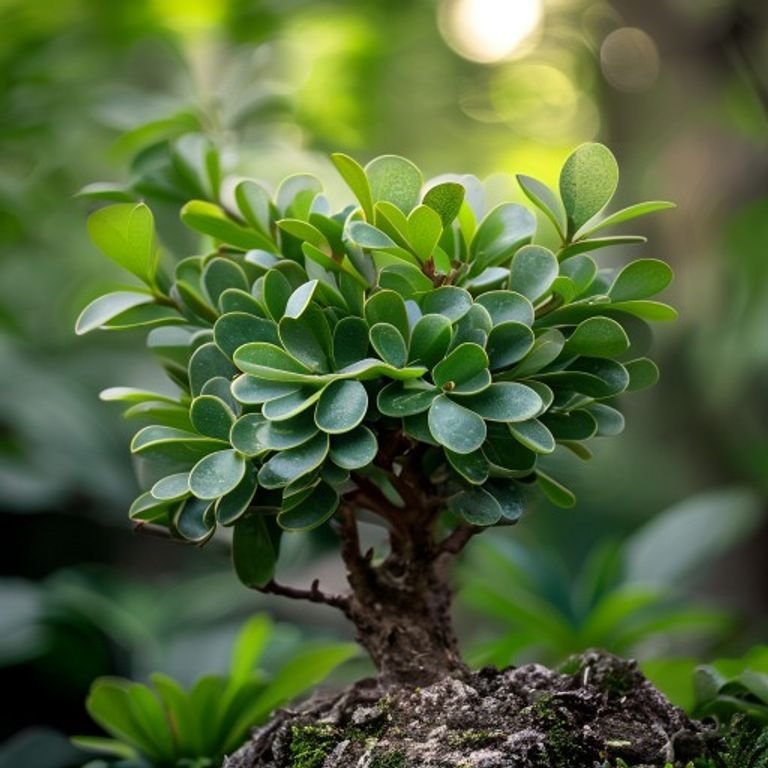
The charming Jade Plant you admire in homes and offices has a scientific name that sounds just as elegant: Crassula ovata. It belongs to the Crassulaceae family, a large group of succulent plants known for their ability to store water in their thick leaves, stems, or roots. Originating from the dry, rocky regions of South Africa, the Jade Plant is perfectly adapted to survive in challenging conditions, making it an incredibly resilient choice for gardeners.
As a succulent, its primary characteristic is its water-storing capability. It’s an evergreen plant, meaning its beautiful jade-green leaves stay vibrant throughout the year. The Jade Plant exhibits an upright growth habit, gradually forming thick, woody stems that give it the appearance of a miniature tree. In ideal conditions, especially outdoors, it can grow into a substantial shrub, reaching impressive heights of 2 to 4 feet, though indoor specimens typically remain more compact.
Why People Love This Plant
The Jade Plant’s enduring popularity stems from a delightful combination of aesthetic appeal, symbolic meaning, and incredible ease of care. It truly offers something for everyone.
Appearance
One of the most captivating features of the Jade Plant is its unique appearance. It boasts thick, smooth, oval-shaped leaves that are a vibrant jade green, often developing reddish tints on the edges when exposed to ample sunlight. These fleshy leaves are arranged along sturdy, woody stems that mature over time, giving the plant a tree-like structure. This miniature tree look is why it’s often affectionately called a “Money Tree” or “Friendship Tree.”
Flowers
While primarily grown for its stunning foliage, the Jade Plant can surprise you with delicate flowers. When mature and given the right conditions, particularly in winter, it produces small, star-shaped flowers that range in colour from white to a soft pink. These blooms are a rare treat, especially for indoor Jade Plants, and often appear in clusters, adding another layer of beauty to this already attractive succulent. Outdoors, in environments with cooler winter nights and plenty of sun, flowering is more common.
Foliage
The evergreen foliage is undoubtedly the Jade Plant’s star attraction. Its rich, deep green leaves are not only visually appealing but also remarkably smooth and succulent to the touch. The density of the leaves along the woody branches creates a lush, full appearance, making it a natural focal point in any room or garden. The way the leaves store water gives them a plump, healthy look that signals vitality and resilience.
Fragrance
The Jade Plant is not known for any significant fragrance. Its appeal lies purely in its visual beauty and symbolic presence, making it a great choice for those who prefer scent-free houseplants.
Decorative Value
Beyond its inherent beauty, the Jade Plant holds immense decorative value. Its unique tree-like form makes it an excellent candidate for bonsai training, allowing enthusiasts to craft intricate miniature landscapes. In Feng Shui, it’s considered a potent symbol of good luck, prosperity, and financial success, often placed near entrances or in wealth corners of homes and offices to invite positive energy. Its low-maintenance nature also makes it ideal for busy individuals, beginners, and office environments where consistent care might be a challenge. The fact that it thrives both indoors and outdoors in many Indian climates adds to its versatility and appeal.
Growing Requirements
Understanding the specific needs of your Jade Plant is the first step towards ensuring its long-term health and vigour. While it’s known for being easy to care for, providing optimal conditions will help it truly flourish.
Light
The Jade Plant thrives in bright light, ideally with several hours of direct sunlight each day. For indoor plants in India, placing your *Crassula ovata* near a south-facing window where it can receive ample morning sun is perfect. If direct sunlight is too intense during the peak afternoon hours, especially in warmer regions, some dappled shade or bright indirect light will also work. Insufficient light is a common cause of leggy, stretched growth, where the stems become long and sparse between leaves. Outdoors, it loves full sun but might appreciate a little afternoon shade in extremely hot Indian summers to prevent leaf scorching.
Water
This is perhaps the most crucial aspect of Jade Plant care. As a succulent, the Jade Plant stores water in its leaves and stems, making it highly drought-tolerant. The golden rule is to water only when the soil has completely dried out. Before watering, always check the soil moisture by sticking your finger about an inch or two into the potting mix. If it feels dry, it’s time to water thoroughly until water drains from the bottom of the pot. Overwatering is the most common cause of problems like root rot and leaf drop, so err on the side of caution. In cooler months or during monsoon, you’ll need to water less frequently.
Temperature
Jade Plants prefer average to warm temperatures, typically between 18°C to 24°C, which aligns well with most Indian climates. They can tolerate slightly cooler temperatures but should be protected from frost, which can severely damage them. While they can handle the heat of Indian summers, ensure good air circulation if temperatures soar above 30°C to prevent stress.
Humidity
Being native to arid regions, the Jade Plant is not fussy about humidity. It tolerates the average humidity levels found in most Indian homes and does not require any special misting or humidifiers. In fact, high humidity combined with overwatering can create conditions conducive to fungal issues.
Soil
The right soil mix is vital for a healthy Jade Plant. It absolutely requires a well-draining soil that prevents water from sitting around its roots. A standard cactus or succulent potting mix is ideal. If you’re mixing your own, combine regular potting soil with perlite, coarse sand, or pumice in equal parts to improve drainage. Good drainage is non-negotiable for this *Crassula ovata*.
Potting Mix
As mentioned, a well-aerated and fast-draining potting mix is key. Avoid heavy garden soil that retains too much moisture. The potting mix should allow excess water to escape quickly, preventing waterlogging and root rot, which is a common problem for succulent indoor plants.
Fertilizer
Jade Plants are not heavy feeders. They generally benefit from light fertilization during their active growing season, which is typically spring and summer in India. Use a balanced, liquid fertilizer diluted to half strength, and apply it once every month or two. Avoid fertilizing in autumn and winter when the plant’s growth slows down. Too much fertilizer can lead to salt build-up in the soil, which can harm the plant.
How to Care for This Plant
Caring for your Jade Plant is a rewarding experience, especially with its resilient nature. Here’s a practical, step-by-step guide to keep your Jade Plant thriving.
1. Watering Wisely: Always check the soil dryness before watering. For most Jade Plants in India, watering every 2-3 weeks in summer and once a month or even less in winter might be appropriate, but this depends entirely on your climate, pot size, and humidity. When you do water, do so thoroughly until water drains from the bottom. Empty any collected water from the saucer to prevent root rot.
2. Provide Ample Light: Place your Jade Plant where it gets plenty of bright light. If indoors, a spot near a sunny window is ideal. Rotate the pot occasionally to ensure even growth. If your plant is becoming leggy (stretching out with sparse leaves), it’s a sign it needs more light.
3. Choose the Right Pot: Use a pot with drainage holes. Terracotta pots are often preferred as they are porous and allow the soil to dry out faster, which is beneficial for this succulent.
4. Pruning for Shape and Health: Prune your Jade Plant to maintain its shape, encourage bushier growth, and remove any dead or leggy branches. Pruning can be done in spring or early summer. You can also use the pruned cuttings for propagation!
5. Propagation: Jade Plants are incredibly easy to propagate. Simply take a stem cutting about 3-4 inches long or even a healthy leaf. Let the cutting or leaf “callus over” for a few days in a dry, shaded spot. Then, place it on top of well-draining succulent soil or insert the stem cutting a shallow depth into the soil. Water sparingly until roots form, then treat it as a mature plant.
6. Repotting: Jade Plants don’t mind being a little root-bound. Repot only when necessary, usually every 2-3 years, or when the plant has outgrown its current pot. Choose a pot only slightly larger than the previous one and use fresh, well-draining succulent potting mix. The best time to repot is in spring.
7. Dusting Leaves: Periodically wipe the leaves with a soft, damp cloth to remove dust. This helps the plant photosynthesize more efficiently and keeps its foliage looking vibrant.
Common Problems and Solutions
Even the most resilient plants can face occasional challenges. Here are some common problems with Jade Plants and how to address them:
* Yellow Leaves:
* Cause: Most commonly, overwatering. It can also be a sign of nutrient deficiency, though less frequent.
* Solution: Reduce watering frequency. Ensure the soil dries out completely between waterings. Check drainage. If soil is bone dry and leaves are yellow, consider a very light feed.
* Pests:
* Cause: Mealybugs and scale insects are common pests for Jade Plants. They appear as white, cottony masses or small, brown bumps on stems and under leaves.
* Solution: Isolate the affected plant. For small infestations, use a cotton swab dipped in rubbing alcohol to wipe off pests. For larger issues, use neem oil spray, ensuring full coverage, especially on undersides of leaves. Repeat treatment as needed.
* Fungal Diseases:
* Cause: Rare, but can occur in overly wet, humid conditions, particularly with poor air circulation.
* Solution: Improve air circulation, reduce humidity if possible, and most importantly, prevent overwatering. Remove affected parts immediately.
* Root Rot:
* Cause: The most significant threat to Jade Plants, almost always due to consistent overwatering and poor drainage. Symptoms include soft, mushy stems, yellowing leaves, and a foul smell from the soil.
* Solution: Act quickly. Unpot the plant, inspect roots, and cut away any black, mushy, or unhealthy roots with sterilized scissors. Repot in fresh, dry, well-draining succulent soil in a clean pot (or the old pot after sterilizing). Do not water for a week or two.
* Poor Flowering:
* Cause: Jade Plants need specific conditions to flower: maturity, plenty of bright light, and often a period of cooler, drier conditions (like Indian winters) with reduced watering.
* Solution: Ensure your plant gets sufficient light, and is mature enough. During late autumn/early winter, reduce watering and ensure it experiences cooler nighttime temperatures (around 10-13°C if possible) for a few weeks to encourage bud formation.
* Slow Growth:
* Cause: Often due to insufficient light, inadequate watering (either too much or too little), or lack of nutrients.
* Solution: Ensure bright light. Adjust watering schedule. Consider a light, balanced fertilizer during the growing season.
* Leaf Drop:
* Cause: Can be caused by both overwatering (mushy, yellow leaves drop) and underwatering (shriveled, dry leaves drop). Sudden changes in temperature, light, or location can also cause shock.
* Solution: Assess your watering routine. Check for pests. Ensure consistent environmental conditions and avoid drastic changes.
* Leggy Growth:
* Cause: Insufficient light is the primary culprit, causing stems to stretch towards a light source, leading to long, sparse growth.
* Solution: Move your Jade Plant to a brighter location. You can prune back the leggy sections to encourage bushier growth.
Benefits
The Jade Plant offers a multitude of benefits that go beyond its simple beauty, making it a highly desirable addition to any space.
Home Decoration
With its sturdy, tree-like structure and lush, vibrant green foliage, the Jade Plant is a natural masterpiece for home decor. It effortlessly brings a touch of zen and natural elegance to any room. Its compact size makes it perfect for tabletops, shelves, and office desks, while larger specimens can serve as stunning floor plants.
Balcony Gardening
For those with limited ground space, the Jade Plant is an excellent choice for balcony gardening in India. It thrives in pots and containers, soaking up the abundant sunlight on a balcony and adding a vibrant, evergreen presence. Its drought tolerance means it’s less demanding for frequent watering, perfect for busy urban gardeners.
Landscaping
In suitable climates, the Jade Plant can be a fantastic addition to outdoor landscaping. Its ability to tolerate dry conditions makes it a good choice for xeriscaping or rock gardens. It can be used as a low-maintenance groundcover or a beautiful specimen shrub, adding texture and year-round green appeal to your garden beds.
Pollinator Friendly
When a mature Jade Plant flowers outdoors, its small, star-shaped blooms can attract various pollinators, including bees and other beneficial insects. While not its primary role, this contributes to local biodiversity in your garden.
Air Purification
Yes, the Jade Plant is known for its air-purifying qualities. Like many houseplants, it helps to filter out certain toxins from the air, contributing to a healthier indoor environment. While its impact might be modest for a single plant, a collection of plants, including your Jade Plant, can collectively improve air quality.
Frequently Asked Questions
Here are answers to some common questions about caring for your Jade Plant:
Why are leaves falling off?
Overwatering is the most common cause of leaves falling off a Jade Plant. If the leaves are soft, yellow, or mushy before they drop, it’s almost certainly due to too much water, leading to root rot. However, if the leaves are shriveled and dry before falling, it might indicate underwatering. Ensure your watering schedule allows the soil to dry out completely between waterings. Sudden changes in temperature or light can also cause some leaf drop as the plant adjusts.
Does it need direct sun?
Yes, the Jade Plant absolutely needs bright light, and benefits from some direct sun, especially morning sun. While it can tolerate bright indirect light, insufficient light will lead to leggy growth and less vibrant foliage. For indoor plants, a spot near a south or west-facing window is ideal. Outdoors, it thrives in full sun but may appreciate a little afternoon shade during the most intense summer heat in India.
How often to water?
The frequency of watering depends on various factors like climate, pot size, soil type, and season. As a general guideline for a Jade Plant, water every 2-3 weeks, or even less frequently in cooler months, but most importantly, water only when the soil is bone dry. Always check the soil moisture with your finger or a moisture meter before watering. It’s far better to underwater a Jade Plant than to overwater it.
Final Thoughts
The Jade Plant is truly a treasure for any plant lover. Its simple beauty, resilient nature, and symbolic association with prosperity make it a standout choice for homes and gardens across India. Whether you’re a seasoned gardener looking for a charming succulent or a beginner seeking an easy-to-care-for green companion, the Jade Plant, or *Crassula ovata*, promises to bring joy and a touch of enduring greenery to your space. With its minimal needs for water and a love for sunshine, it’s a living testament to nature’s ability to thrive even with a little neglect, making it a truly rewarding plant to grow.
We hope this guide empowers you to cultivate a thriving Jade Plant. Plantrea is the online plant platform from Wynorg, helping plant lovers across India discover quality plants, practical growing advice, and trusted nursery sourcing. We are committed to fostering a love for plants and ensuring you have all the knowledge you need to grow a flourishing green collection.
Interested in This Plant?
If the charming Jade Plant has captured your interest, and you’re curious to learn more or even bring one home, we invite you to explore the Plant Expert chat available at the bottom-right corner of every page on Plantrea.
Our Plant Expert is like having a seasoned gardener right by your side. You can use the chat to quickly check whether the beautiful Jade Plant is currently available for delivery in your area. Additionally, if you’re looking for something specific for your home or garden, our expert can provide personalised plant recommendations tailored to your unique conditions and preferences. Have specific questions about Jade Plant care and maintenance that weren’t covered here? Feel free to ask! And if for any reason the Jade Plant isn’t quite what you need, or if you’re curious about similar plants, our Plant Expert can help you discover suitable alternatives that will thrive in your space.
Want to buy this plant? Visit https://plantrea.com/shop-2/