Gardenia Plant – Intensely Fragrant White Flowers | Wynorg Nursery
There are few experiences in the garden as enchanting as the moment a Gardenia flower unfurls, releasing its intoxicatingly sweet fragrance into the air. This classic beauty, with its waxy, pure white blooms and glossy dark green leaves, has captivated hearts for generations. In Indian homes and gardens, the Gardenia plant holds a special place, often cherished for its exquisite scent that can transform an ordinary evening into a magical one.
The Gardenia is more than just a pretty face; it’s a living perfume bottle, bringing elegance and a sense of luxury to any space. While it’s known for being a bit demanding, the sheer reward of its spectacular flowers makes every effort worthwhile. For those looking to bring this aromatic wonder into their lives, Plantrea is the online plant platform by Wynorg, a trusted Indian brand known for delivering healthy live plants safely across India, ensuring your gardening journey starts on the right foot.
Botanical Overview
The beloved Gardenia you cherish is scientifically known as Gardenia jasminoides. It belongs to the Rubiaceae family, a large family that also includes coffee plants. Native to the tropical and subtropical regions of Asia, particularly China and Japan, this plant is primarily grown as an evergreen shrub. Its growth habit is typically upright, forming a dense, rounded bush that can reach a height of 2 to 5 feet, making it suitable for both garden beds and containers.
Gardenias are admired for their continuous display of beauty, especially during their peak flowering season, which generally spans from spring through summer. During this time, the plant is adorned with its iconic white blossoms, making it a focal point in any landscape or indoor setting. Its robust nature, despite its delicate appearance, ensures it remains a perennial favourite.
Why People Love This Plant
The allure of the Gardenia plant is multi-faceted, captivating gardeners with its unique characteristics:
Appearance
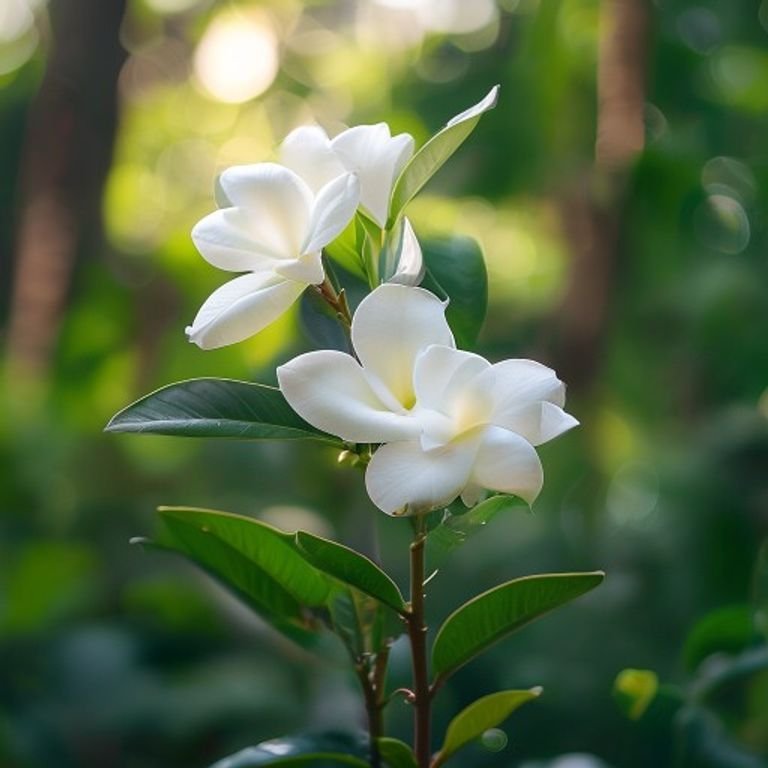
The Gardenia’s appearance is nothing short of classic elegance. Its flowers are typically waxy, featuring multiple layers of petals that form a pristine white bloom. These flowers contrast beautifully with the plant’s dark green, glossy foliage, creating a visually stunning display even when the plant is not in bloom.
Flowers
The true star of the Gardenia is, of course, its flowers. Pure white and often appearing in clusters, they possess an unparalleled beauty. Each bloom feels almost sculpted from porcelain, adding a touch of sophistication to any setting. The flowering season, typically from spring to summer, is a much-anticipated event for Gardenia enthusiasts.
Foliage
Beyond the magnificent flowers, the foliage of the Gardenia plant is a significant attraction. Its leaves are evergreen, dark green, and possess a distinct glossy sheen, providing year-round visual interest. This lush greenery serves as a perfect backdrop for the pristine white blooms, making the plant attractive even during its non-flowering periods.
Fragrance
Perhaps the most compelling reason people adore the Gardenia is its intense, sweet fragrance. It’s a scent that is both rich and delicate, often described as heavenly and intoxicating. A single Gardenia bloom can fill an entire room with its perfume, making it a popular choice for planting near windows or entrances where its aroma can be fully appreciated.
Decorative Value
The Gardenia’s timeless beauty makes it an exceptional plant for various decorative purposes. It’s a classic choice for wedding gardens, bringing an air of purity and romance. Indoors, placing a potted Gardenia near a window allows its fragrance to waft through your living space. Its compact size also makes it an ideal candidate for containers on patios, balconies, or as a sophisticated addition to indoor decor.
Growing Requirements
Growing a successful Gardenia requires understanding and meeting its specific needs. While it has a reputation for being a bit particular, providing the right conditions will lead to a thriving, fragrant plant.
Light
Gardenias thrive in bright, indirect light. In the Indian climate, this often means a spot where it receives plenty of ambient light but is protected from the harsh midday sun, which can scorch its leaves. An east-facing window indoors or a spot under a tree with dappled shade outdoors can be ideal.
Water
Consistent moisture is key for the Gardenia. The soil should be kept evenly moist but never waterlogged. Allow the top inch of soil to dry out slightly before watering again. Overwatering can lead to root rot, while underwatering can cause bud drop and yellowing leaves. Using filtered or rainwater is often recommended as Gardenias are sensitive to hard water.
Temperature
Gardenias prefer moderate to warm temperatures, ideally between 18°C and 23°C during the day, and slightly cooler at night. They are sensitive to extreme temperature fluctuations. In many parts of India, they can be grown outdoors year-round, but in regions with very cold winters, they might need protection or to be brought indoors.
Humidity
High humidity is crucial for Gardenias. Indian summers can often provide this naturally, but during drier periods or indoors, you might need to supplement. Misting the foliage daily, placing the pot on a pebble tray with water, or using a humidifier can help maintain the high humidity levels this plant loves.
Soil
Gardenias are acid-loving plants and require well-drained, acidic soil with a pH between 5.0 and 6.0. An alkaline soil can lead to nutrient deficiencies, particularly iron chlorosis, which causes yellowing leaves. Amending garden soil with organic matter like peat moss or compost can help achieve the desired acidity.
Potting Mix
If growing your Gardenia in a pot, use a specially formulated acidic potting mix. A good quality peat-based mix or one designed for acid-loving plants like azaleas and camellias will work well. Ensure the pot has excellent drainage holes to prevent waterlogging.
Fertilizer
Feed your Gardenia with an acid-specific fertilizer during its growing season (spring and summer). Look for fertilizers formulated for acid-loving plants. Follow the product instructions carefully, typically fertilizing every 2-4 weeks. Over-fertilizing can harm the plant, so it’s always better to under-fertilize slightly than over-fertilize.
How to Care for This Plant
Caring for a Gardenia plant involves a few specific practices to ensure it flourishes and produces its beautiful fragrant blooms:
- Watering Routine: Establish a consistent watering schedule. Check the soil moisture regularly and water when the top inch feels dry to the touch. Water thoroughly until it drains from the bottom of the pot, then discard any standing water.
- Humidity Boost: Maintain high humidity around your Gardenia. If growing indoors, mist the leaves daily, especially in dry weather. A pebble tray filled with water placed under the pot (making sure the pot isn’t sitting directly in the water) can also significantly help.
- Pruning for Shape and Blooms: Prune your Gardenia just after it finishes flowering. This helps maintain a desirable shape, removes leggy growth, and encourages bushier growth and more flowers next season. Remove any dead or diseased branches throughout the year.
- Repotting: Repot your Gardenia every 2-3 years, or when it becomes root-bound. Choose a pot that is one size larger and use fresh, acidic potting mix. The best time for repotting is in early spring before new growth begins.
- Soil Acidity Maintenance: Monitor your soil pH. If leaves start to yellow, it could be a sign of alkaline soil. You can use soil acidifiers or add organic matter like peat moss to the soil. Chelate iron supplements can also help correct chlorosis quickly.
- Pest Watch: Regularly inspect your Gardenia for signs of pests. Early detection makes control much easier. Use organic pest control methods like neem oil spray at the first sign of an infestation.
- Seasonal Care: Protect your Gardenia from extreme weather. In areas with very hot summers, ensure adequate shade. If winter temperatures drop significantly, move potted Gardenias indoors or provide frost protection for outdoor plants.
Common Problems and Solutions
Gardenias can be a bit sensitive, but understanding their common problems helps in providing timely solutions:
- Yellow Leaves: This is often a sign of nutrient deficiency (especially iron due to high pH soil) or inconsistent watering.
- Solution: Check soil pH; if alkaline, amend with sulfur or peat moss. Apply an iron chelate supplement. Ensure consistent watering, avoiding both over and underwatering.
- Bud Drop: Dropping flower buds are typically caused by sudden changes in temperature, low humidity, or inconsistent watering.
- Solution: Maintain stable temperatures, increase humidity, and ensure consistent soil moisture.
- Pests (Spider Mites, Whiteflies): These tiny insects can infest Gardenias, causing damage to leaves and overall plant health.
- Solution: Regularly inspect the plant. For spider mites, increase humidity and spray with insecticidal soap or neem oil. For whiteflies, use sticky traps and horticultural oil sprays.
- Fungal Diseases (e.g., Sooty Mold): Often a secondary problem to sap-sucking pests, which excrete honeydew, leading to black sooty mold growth.
- Solution: Control the primary pest infestation. Wipe off the mold with a damp cloth or a mild soap solution.
- Root Rot: Caused by overwatering and poorly draining soil, leading to mushy roots and wilting leaves.
- Solution: Ensure excellent drainage. Reduce watering frequency. If severe, repot into fresh, well-draining soil, removing any affected roots.
- Poor Flowering: Lack of blooms can be due to insufficient light, improper pruning, or inadequate nutrients.
- Solution: Move the plant to a brighter spot with indirect light. Prune at the correct time (after flowering). Fertilize with an acid-specific fertilizer during the growing season.
- Slow Growth: Often a symptom of an unsuitable environment, such as incorrect soil pH or nutrient deficiencies.
- Solution: Test soil pH and adjust if necessary. Ensure regular feeding with appropriate fertilizer. Check for pest infestations.
- Leaf Drop: Can be caused by significant environmental stress, such as sudden temperature changes, draughts, or severe over/under-watering.
- Solution: Identify and rectify the stressor. Provide stable growing conditions.
Benefits
Beyond their stunning beauty, Gardenias offer several delightful benefits:
- Home Decoration: The timeless elegance of Gardenia flowers and their glossy foliage make them superb plants for home decoration. A single cut bloom in a vase can elevate the ambiance of any room, and a potted Gardenia adds a touch of sophistication.
- Balcony Gardening: For those with limited garden space, the Gardenia is an excellent choice for balcony gardening. Its compact size and upright growth habit make it suitable for containers, allowing you to enjoy its fragrance and beauty even in urban settings.
- Landscaping: In gardens, the Gardenia plant serves as a magnificent shrub, ideal for creating fragrant borders, accentuating pathways, or as a specimen plant in a mixed bed. Its evergreen foliage provides year-round structure and beauty.
- Pollinator Friendly: While Gardenias are predominantly known for their beauty and fragrance, their flowers can attract nocturnal pollinators, especially moths, with their strong scent.
Frequently Asked Questions
Here are answers to some common questions about growing Gardenias:
Why are buds falling off?
Bud drop is a common issue with Gardenias and is primarily caused by inconsistent watering or low humidity. Ensure your plant receives consistent moisture, avoiding both waterlogging and letting the soil dry out completely. Increasing humidity around the plant, especially indoors, can also significantly reduce bud drop.
Can I grow Gardenia in a pot?
Yes, Gardenias are excellent candidates for container growing. When growing in a pot, it’s crucial to use an acidic potting mix specifically designed for acid-loving plants. Ensure the pot has ample drainage holes to prevent water accumulation, which can lead to root rot. Potted Gardenias allow you the flexibility to move them to ideal light and temperature conditions.
Is it difficult to grow Gardenia?
Gardenias are generally considered a moderate care plant, meaning they require consistent attention to thrive. They aren’t the easiest plants for beginners but are far from impossible. With consistent care regarding light, water, humidity, and soil pH, even novice gardeners can enjoy the rewarding beauty and fragrance of a Gardenia.
Final Thoughts
The Gardenia plant, with its intensely fragrant white flowers and glossy green foliage, is a truly rewarding addition to any home or garden. While it may demand a little extra attention, the exquisite beauty and intoxicating aroma it provides are well worth the effort. By understanding its specific needs for light, water, humidity, and acidic soil, you can cultivate a thriving Gardenia that brings joy and elegance to your surroundings.
Embrace the journey of growing this magnificent plant, and soon your space will be filled with its unforgettable perfume. Plantrea is the online plant platform from Wynorg, helping plant lovers across India discover quality plants, practical growing advice, and trusted nursery sourcing. We hope this guide empowers you to successfully grow and enjoy your Gardenia.
Interested in This Plant?
If the enchanting allure of the Gardenia plant has captured your imagination, you might have a few more questions before welcoming this fragrant beauty into your home or garden. We understand that every plant enthusiast has unique needs and queries.
Our Plant Expert chat, conveniently located at the bottom-right corner of every page, is here to assist you. This friendly and knowledgeable assistant can help you check whether the Gardenia is currently available or guide you to similar plants if it’s not. It’s like having an experienced gardener ready to offer personalized recommendations tailored to your specific home or garden conditions.
Feel free to ask any lingering questions you have about Gardenia plant care and maintenance, from troubleshooting yellow leaves to perfecting your watering routine. Our Plant Expert is dedicated to providing you with the best advice and ensuring your gardening success, making your journey with the Gardenia a truly delightful one.
Want to buy this plant? Visit https://plantrea.com/shop-2/