Boston Fern – Classic Air Purifying Fern for Indoors | Wynorg Nursery
The Boston Fern, scientifically known as Nephrolepis exaltata, is a timeless classic in Indian homes and gardens, cherished for its lush, cascading fronds that bring a touch of tropical elegance to any space. Its vibrant green foliage and graceful arching habit make it a popular choice for hanging baskets, shaded patios, and even as a statement piece in living rooms. Beyond its undeniable beauty, the Boston Fern is also a powerhouse when it comes to improving indoor air quality, making it a beloved plant for health-conscious gardeners across India.
At Plantrea, we understand the joy and tranquility that plants bring into our lives. Plantrea is the online plant platform by Wynorg, a trusted Indian brand known for delivering healthy live plants safely across India. We are dedicated to helping you cultivate your green thumb and create beautiful, thriving environments. This comprehensive guide will walk you through everything you need to know to grow and care for a magnificent Boston Fern, ensuring it flourishes in your home or garden.
Botanical Overview
The Boston Fern, or Nephrolepis exaltata, belongs to the plant family Dryopteridaceae. Its origins trace back to tropical and subtropical regions worldwide, including Florida, Mexico, Central and South America, the West Indies, and Africa. As a plant type, it is a true fern, meaning it reproduces via spores rather than flowers and seeds. Its growth habit is characterized by long, arching fronds that can extend outwards, creating a full, bushy appearance. This makes the fern plant an excellent choice for adding volume and texture to your plant collection, whether indoors or as part of an outdoor shaded landscape.
Why People Love This Plant
Appearance
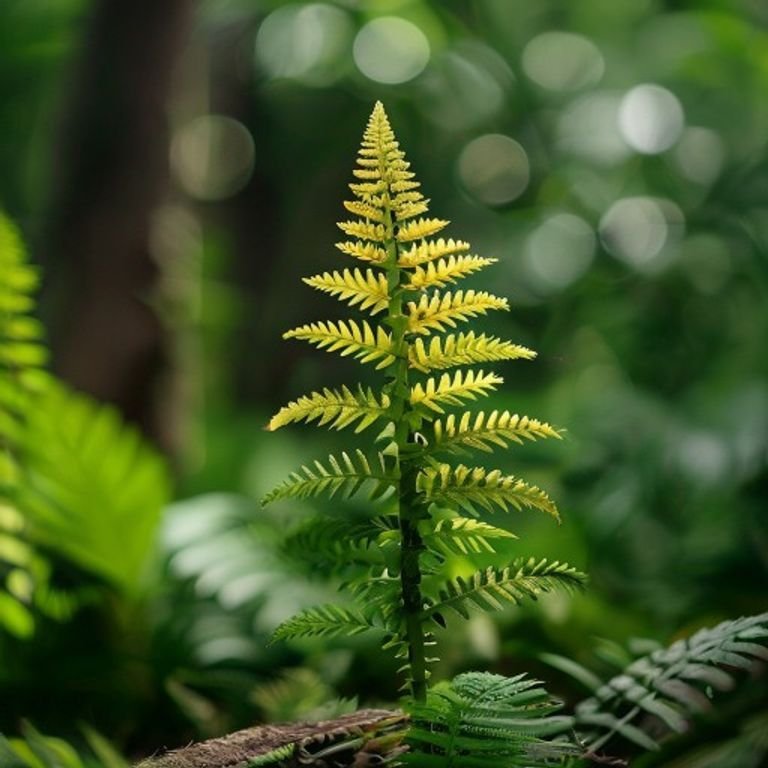
The beauty of the Boston Fern lies entirely in its magnificent foliage. It boasts long, feathery fronds composed of numerous small, bright green leaflets that give it a delicate yet robust appearance. These fronds emerge from a central rhizome and gracefully arch outwards, creating a delightful cascading effect. There are no flowers to speak of, as ferns are non-flowering plants, but the sheer volume and vibrant colour of its leaves more than compensate, offering a constant display of natural greenery.
Foliage
The rich, verdant foliage of the Boston Fern is its crowning glory. Each frond is finely dissected, giving it a soft, almost ethereal texture. The leaves maintain a lively green hue throughout the year, providing a consistent splash of nature’s calming colour indoors. This consistent greenery makes it an invaluable asset for home decoration, offering a refreshing contrast to modern interiors and a natural complement to traditional Indian decor.
Fragrance
The Boston Fern is not known for any particular fragrance. Its appeal is purely visual, relying on its lush appearance to captivate and soothe.
Decorative Value
Few plants offer the same blend of classic charm and versatile decorative value as the Boston Fern. Its arching growth habit makes it perfect for hanging baskets, allowing its fronds to cascade freely and create a stunning visual display. It’s also ideal for pedestals, high shelves, or as a floor plant in a decorative pot, where its voluminous form can fill a corner with natural beauty. In outdoor settings, especially in shaded patios or verandahs, it adds a touch of tropical lushness, blending seamlessly with other foliage plants.
Growing Requirements
To ensure your Boston Fern thrives, understanding its specific growing requirements is key. These guidelines are tailored for the Indian climate, helping you provide the best possible conditions for this beautiful fern plant.
Light
Boston Ferns prefer bright indirect light. Direct sunlight, especially the harsh midday sun in India, can scorch their delicate fronds, leading to browning. An east-facing window that receives gentle morning sun or a north-facing window with consistent bright light is ideal indoors. Outdoors, place them under the shade of larger trees or on a covered patio where they are protected from direct sun exposure.
Water
This fern plant loves consistent moisture. The soil should be kept evenly moist but never waterlogged. Overwatering can lead to root rot, while allowing the soil to dry out completely can cause the fronds to crisp and turn brown. A good practice is to check the top inch of soil; if it feels slightly dry, it’s time to water. During the hotter months in India, you might need to water more frequently, while in cooler periods, watering can be reduced.
Temperature
Boston Ferns thrive in temperatures between 18°C and 24°C, making them well-suited for typical indoor conditions in many Indian homes. They can tolerate slightly warmer temperatures if humidity is high but are sensitive to cold drafts. Protect them from extreme temperature fluctuations, especially during winter nights in cooler regions.
Humidity
High humidity is crucial for the health of Boston Ferns. Given the often dry indoor air, especially with air conditioning or heating, providing adequate humidity is essential. You can increase humidity by misting the plant daily, placing it near a humidifier, or setting its pot on a pebble tray filled with water (ensuring the pot doesn’t sit directly in the water). Grouping pet friendly indoor plants together can also create a microclimate with higher humidity.
Soil
A well-draining, rich, and slightly acidic soil mix is perfect for the Boston Fern. The soil should retain moisture but not become soggy. A good quality potting mix for ferns usually contains a blend of peat moss, perlite, and a bit of organic compost.
Potting Mix
For optimal growth, use a light and airy potting mix that provides good drainage while retaining adequate moisture. A mix of coco peat or peat moss, perlite, and a small amount of garden soil or compost works well. This combination ensures proper aeration for the roots and prevents waterlogging, which is vital for preventing root rot in this fern plant.
Fertilizer
During the growing season (spring and summer), fertilize your Boston Fern monthly with a balanced liquid fertilizer diluted to half strength. Ferns are not heavy feeders, so avoid over-fertilizing, which can burn their delicate roots. Reduce or stop fertilizing during the cooler, dormant months of autumn and winter.
How to Care for This Plant
Caring for your Boston Fern is a rewarding experience. Follow these practical steps to ensure your fern plant remains lush and healthy:
- Consistent Watering: As mentioned, keep the soil consistently moist. Feel the top inch of the soil; if it’s slightly dry, water thoroughly until water drains from the bottom. Avoid letting the pot sit in standing water.
- Maintain Humidity: This is perhaps the most critical aspect of Boston Fern care. Mist your plant daily, especially in dry climates or air-conditioned rooms. A humidity tray or a room humidifier can also be highly beneficial. Bathrooms, due to their higher natural humidity, are often excellent spots for Boston Ferns.
- Provide Bright Indirect Light: Position your Boston Fern where it receives plenty of indirect light. Rotate the plant every few weeks to ensure all sides receive adequate light and promote even growth.
- Pruning: Periodically, you might notice old, brown, or leggy fronds. Use clean, sharp scissors or pruners to snip these off at the base. This encourages new growth and helps maintain a tidy appearance.
- Repotting: Boston Ferns generally like to be slightly root-bound. Repot only when you see roots emerging from the drainage holes or the plant has visibly outgrown its container. Choose a pot that is only one size larger than the current one and use fresh, well-draining potting mix. Spring is the best time for repotting.
- Pest Watch: Regularly inspect your fern plant for any signs of pests, especially on the undersides of the fronds. Early detection makes treatment easier.
Common Problems and Solutions
Even with the best care, Boston Ferns can sometimes encounter issues. Here are some common problems and their solutions:
- Yellow leaves: This can be a sign of both overwatering and underwatering, or low humidity. Check soil moisture and adjust your watering schedule. Ensure the plant is receiving sufficient humidity through misting or a humidity tray. Nutritional deficiencies can also cause yellowing; consider a balanced fertilizer if other conditions are met.
- Brown tips/Crispy fronds: This is almost always a sign of low humidity or salt buildup from tap water. Increase misting, use a humidity tray, or consider using distilled or rainwater. If using tap water, let it sit overnight to allow chlorine to dissipate. Regularly flush the soil with plain water to wash away accumulated salts.
- Pests: The most common pests for Boston Ferns are scale insects. These appear as small, brown, immobile bumps on the fronds and stems. You can carefully scrape them off with your fingernail or a soft brush, or treat with neem oil or insecticidal soap. Repeat treatment as necessary. Mealybugs can also sometimes affect them.
- Root rot: Characterized by wilting, yellowing leaves, and a foul smell from the soil, root rot is caused by consistently soggy soil due to overwatering or poor drainage. Repot the plant into fresh, well-draining soil, trimming away any mushy, black roots. Ensure the pot has adequate drainage holes.
- Leaf drop: Sudden leaf drop can be caused by drastic changes in environment (e.g., temperature shock, moving to a darker spot), severe underwatering, or pest infestation. Try to provide a stable environment and address any underlying issues.
- Slow growth: If your Boston Fern isn’t growing much, it might be due to insufficient light, lack of nutrients, or compacted soil. Ensure it’s getting enough bright indirect light, fertilize during the growing season, and consider repotting if the soil is old and compacted.
Benefits
Home Decoration
The Boston Fern is an undisputed champion for home decoration. Its voluminous, arching form makes it perfect for adding softness and natural beauty to any room. Whether cascading from a hanging basket, gracing a bookshelf, or standing tall on a plant stand, this fern plant instantly elevates the aesthetic appeal of your living space.
Balcony Gardening
For those with balconies or shaded patios, the Boston Fern is an ideal choice for balcony gardening. It thrives in the filtered light often found in such spaces and adds a lush, green dimension, creating a tranquil oasis. Its ability to tolerate warmer temperatures (with adequate humidity) makes it suitable for Indian outdoor conditions.
Air Purification
One of the most significant benefits of the Boston Fern is its excellent air-purifying capabilities. NASA studies have shown that it is highly effective at removing common indoor air pollutants such as formaldehyde, xylene, and toluene. It also naturally increases indoor humidity, which can be beneficial for health and comfort, especially in dry environments. This makes it one of the best air purifying plants you can have in your home.
Pet Friendly
Good news for pet parents! The Boston Fern is listed as non-toxic to cats and dogs by the ASPCA, making it a wonderful and worry-free choice for pet households. You can enjoy its beauty and air-purifying benefits without concern for your furry friends. This makes it one of the most popular pet friendly indoor plants.
Frequently Asked Questions
Why are fronds turning brown?
Fronds turning brown on your Boston Fern is typically a sign of low humidity or salt buildup from tap water. To fix this, increase the humidity around your plant by daily misting, using a humidity tray, or a room humidifier. If using tap water, let it sit for a few hours or overnight before watering to allow chlorine to dissipate, and periodically flush the soil to prevent mineral accumulation.
Is it pet safe?
Yes, the Boston Fern (Nephrolepis exaltata) is widely considered non-toxic to cats and dogs. This makes it a fantastic and safe choice for households with pets, allowing you to enjoy its beauty and benefits without any concern for your furry companions.
How often to water?
The Boston Fern needs consistent moisture. The key is to keep the soil evenly moist, but never soggy. You should check the top inch of the soil every few days; if it feels slightly dry to the touch, it’s time to water thoroughly. In hotter Indian months, this might mean watering every 2-3 days, while in cooler periods, once a week might suffice. Always ensure good drainage.
Final Thoughts
The Boston Fern is more than just a plant; it’s a living piece of art that brings tranquility, beauty, and cleaner air into your home. Its classic charm, ease of care, and numerous benefits make it a must-have for both seasoned gardeners and beginners in India. With consistent moisture, high humidity, and bright indirect light, your Boston Fern will reward you with years of lush, vibrant foliage, enhancing any space it inhabates.
Embracing the world of plants is a journey of discovery and joy. Plantrea is the online plant platform from Wynorg, helping plant lovers across India discover quality plants, practical growing advice, and trusted nursery sourcing. We are committed to providing you with the knowledge and resources to cultivate a thriving green sanctuary in your life.
Interested in This Plant?
If the graceful fronds and air-purifying qualities of the Boston Fern have captured your imagination, you might be wondering how to get one for your home or garden. Plantrea makes it easy to explore your plant passions. Our Plant Expert chat, located at the bottom-right corner of every page, is your direct line to experienced gardening advice.
You can use the Plant Expert to check whether the beautiful Boston Fern is currently available and ready to be delivered safely to your doorstep. If you’re looking for something specific, our experts can also offer personalised plant recommendations tailored to your home’s conditions and your gardening preferences.
Have more questions about caring for your Boston Fern, or perhaps need advice on common problems? Don’t hesitate to ask! Our Plant Expert is there to provide answers and help you discover suitable alternatives if the Boston Fern isn’t available or if you’re exploring similar pet friendly indoor plants. Consider our Plant Expert your personal gardening assistant, ready to assist you on your plant journey.
Want to buy this plant? Visit https://plantrea.com/shop-2/