Four Season Longan Tree Care & Growing Guide | Plantrea
The Four Season Longan, with its promise of multiple harvests throughout the year, has quickly become a cherished tropical fruit tree in Indian homes and gardens. Its delicious, sweet fruit and lush evergreen foliage make it a delightful addition, bringing both beauty and bounty to any landscape. For many gardening enthusiasts across India, cultivating a fruit tree that offers a continuous supply of fresh, delectable longans is a dream come true, and this particular variety makes that dream a reality.
Whether you’re an experienced gardener or just starting your green journey, understanding the specific needs of the Four Season Longan is key to a thriving tree and abundant harvests. Plantrea is the online plant platform by Wynorg, a trusted Indian brand known for delivering healthy live plants safely across India, and we’re here to guide you through every step of caring for this magnificent fruit tree.
Botanical Overview
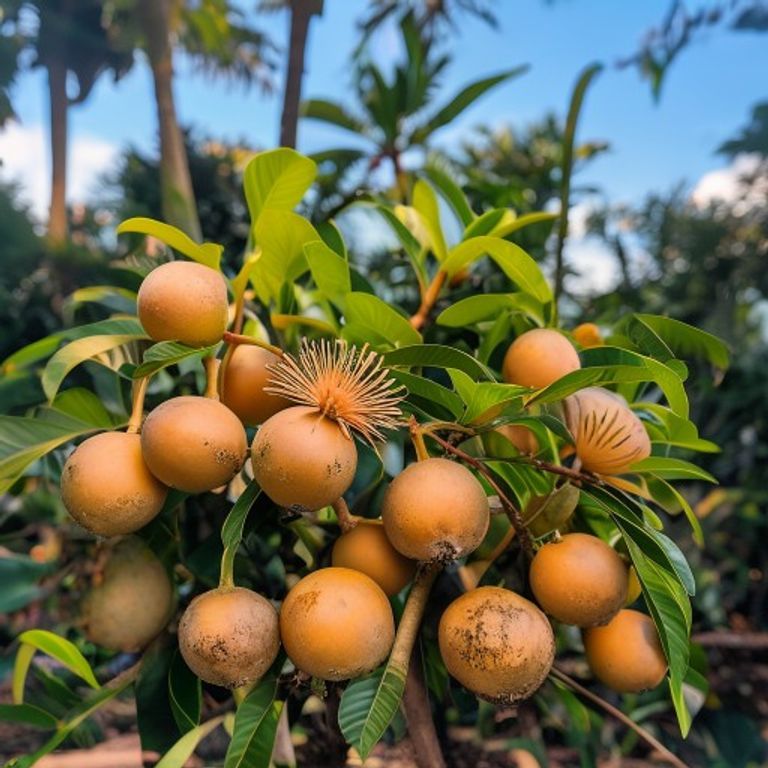
The Four Season Longan, botanically known as Dimocarpus longan ‘Four Season’, belongs to the Sapindaceae family, which also includes other popular tropical fruits like lychee and rambutan. This remarkable evergreen tree is native to the warm, humid climates of Southeast Asia, where it has been cultivated for centuries for its sought-after fruit. As an evergreen tree, it retains its dense, dark green leaves throughout the year, providing continuous ornamental value. Its growth habit is that of a medium-sized tree, typically reaching heights of 20-40 feet (6-12 meters) with a beautiful, rounded canopy when mature. The distinguishing feature of the ‘Four Season’ cultivar is its unique ability to flower and fruit multiple times within a year, offering an extended harvest period compared to traditional longan varieties.
Why People Love This Plant
The appeal of the Four Season Longan extends far beyond its delicious fruit, encompassing its overall aesthetic and practical benefits for Indian gardeners.
Appearance
This tree is a visual delight. Its dense, dark green foliage creates a lush, attractive canopy that remains vibrant throughout the year. The rounded shape of the tree adds a formal yet inviting touch to any garden or landscape, making it an excellent specimen plant or a part of a larger fruit orchard.
Flowers
From spring through fall, the Four Season Longan produces charming clusters of small, yellowish-white flowers. While individually small, their abundance can create a lovely display against the dark green leaves. These blossoms are not only a precursor to the eagerly awaited fruit but also contribute a subtle beauty to the tree’s profile.
Foliage
The rich, dark green leaves are glossy and contribute significantly to the tree’s health and vigor. As an evergreen, it ensures year-round greenery, which is especially valuable in gardens where deciduous trees might leave bare patches during cooler months. The dense foliage also provides excellent shade, a welcome feature in the Indian climate.
Fragrance
While not overpoweringly strong, the small yellowish-white flowers emit a mildly fragrant scent. This subtle aroma can add a pleasant, natural perfume to your garden, particularly when the tree is in full bloom and buzzing with pollinators.
Decorative Value
Beyond its fruiting capabilities, the Four Season Longan holds significant decorative value. Its stately presence, vibrant green leaves, and attractive form make it an excellent choice for landscaping. It can serve as a beautiful focal point, a privacy screen, or an elegant shade tree, enhancing the aesthetic appeal of any outdoor space, be it a large garden or a more modest home garden.
Growing Requirements
To ensure your Four Season Longan thrives and produces abundant fruit, understanding its specific growing requirements is crucial. Providing the right conditions from the start will set your tree up for success.
Light
The Four Season Longan is a sun-worshipper. It absolutely thrives in full sun, requiring a minimum of 6-8 hours of direct sunlight daily. In the bright Indian climate, choose a location in your garden where it receives ample unfiltered sun exposure. Insufficient light can lead to sparse growth and significantly reduce fruit production.
Water
Consistent and moderate watering is essential for this tropical tree, particularly during dry spells and when the tree is young or actively fruiting. The soil should be kept consistently moist but never waterlogged. Overwatering can lead to root rot, a common issue. Check the top 2-3 inches of soil; if it feels dry, it’s time to water. Reduce watering frequency slightly during cooler, dormant periods, but never allow the soil to dry out completely.
Temperature
As a tropical plant, the Four Season Longan prefers warm temperatures, ideally between 60-85°F (15-30°C). It is highly sensitive to frost. In regions of India where winter temperatures can drop significantly, especially in northern parts, providing protection from cold is vital. Young trees are particularly vulnerable. If grown in a container in such areas, it’s best to move them indoors during the colder months.
Humidity
Originating from humid climates, the Four Season Longan appreciates moderate to high humidity. The natural humidity in many parts of India is generally sufficient. However, during very dry periods, especially indoors, you might consider misting the foliage or placing the potted tree near a humidifier to maintain ideal conditions.
Soil
Well-draining, fertile soil is paramount for the health of your Four Season Longan. It prefers a slightly acidic to neutral pH, ideally between 6.0 and 7.0. Heavy clay soils that retain too much water should be amended with organic matter like compost, peat moss, or sand to improve drainage and aeration. Good soil drainage is critical to prevent root rot.
Potting Mix
If you’re growing your Four Season Longan in a container, choose a high-quality potting mix specifically formulated for fruit trees or tropical plants. A mix that provides excellent drainage while retaining some moisture is ideal. Adding perlite or coarse sand can further enhance drainage. Ensure the pot has ample drainage holes.
Fertilizer
During the active growing season (spring through fall), fertilize your Four Season Longan every 2-3 months with a balanced, slow-release fruit tree fertilizer. Look for a fertilizer with a good N-P-K ratio and essential micronutrients like zinc and iron, which are crucial for tropical fruit trees. Reduce or stop fertilization during the winter months when the tree’s growth naturally slows down. Always follow the manufacturer’s instructions for application rates.
How to Care for This Plant
Caring for your Four Season Longan involves a few key practices that will ensure its health and productivity. Here’s a step-by-step guide to nurturing your tropical gem.
- Location Selection: Choose a site that receives full sun for at least 6-8 hours daily and is protected from strong winds. Ensure the soil drains well. If planting in a container, select a large pot (at least 20-25 gallons for a young tree, upgrading as it grows) to accommodate its root system.
- Planting: Dig a hole that is twice as wide as the root ball and just as deep. Carefully remove the tree from its nursery container and gently loosen any circling roots. Place the tree in the hole, ensuring the top of the root ball is level with the soil surface. Backfill with soil, gently firming it around the base to remove air pockets. Water thoroughly after planting.
- Watering Schedule: Establish a consistent watering routine. Young trees require more frequent watering to help establish their root system. For mature trees, water deeply when the top few inches of soil feel dry. During prolonged dry spells or periods of heavy fruiting, increase watering frequency.
- Fertilization Regimen: Begin fertilizing in early spring as new growth appears. Use a balanced fertilizer every 2-3 months throughout the growing season. Consider a foliar spray with micronutrients if you observe signs of deficiency, such as yellowing leaves between veins.
- Pruning: Minimal pruning is needed for Four Season Longan. Focus on removing any dead, diseased, or damaged branches to maintain tree health and prevent the spread of pathogens. You can also lightly prune to maintain a desired shape or to improve air circulation within the canopy, which can help reduce fungal issues. Avoid heavy pruning, as this can reduce fruit production. The best time for light pruning is after a harvest cycle.
- Pest and Disease Monitoring: Regularly inspect your tree for any signs of pests or diseases. Early detection makes treatment much easier. Address any issues promptly (see Common Problems section below).
- Winter Protection (for colder regions): If you live in a region prone to frost, protect young trees by covering them with frost cloths or moving container-grown trees indoors to a bright, sheltered spot.
- Propagation: While growing from seed is possible, it often doesn’t produce trees true to the parent and takes many years to fruit. For reliable fruiting and to maintain the ‘Four Season’ characteristics, propagation is typically done through grafting or air-layering. These methods are more advanced and usually performed by experienced growers or nurseries.
Common Problems and Solutions
Even with the best care, your Four Season Longan might encounter some challenges. Here are common problems and practical solutions:
- Yellow Leaves (Chlorosis):
- Problem: Often indicates nutrient deficiencies, particularly zinc or iron, or sometimes overwatering/poor drainage.
- Solution: Test your soil to confirm nutrient levels. Apply appropriate micronutrient supplements or a balanced fruit tree fertilizer. Ensure proper drainage and adjust watering practices if overwatering is suspected.
- Pests (Aphids, Mealybugs, Scale Insects, Mites):
- Problem: These sap-sucking insects can weaken the plant, causing distorted growth, sticky residue (honeydew), and sooty mold.
- Solution: For mild infestations, spray affected areas with a strong stream of water or a neem oil solution. For heavier infestations, use horticultural oil or insecticidal soap, ensuring thorough coverage of all leaf surfaces, including undersides. Repeat applications as necessary.
- Fungal Diseases (Sooty Mold, Root Rot):
- Problem (Sooty Mold): A black, sooty coating on leaves, often a secondary problem following honeydew-producing pests.
- Solution (Sooty Mold): Control the underlying pest infestation. Once pests are gone, the sooty mold will eventually flake off or can be gently wiped away.
- Problem (Root Rot): Caused by consistently waterlogged soil, leading to yellowing leaves, wilting, and eventual plant death.
- Solution (Root Rot): Ensure excellent soil drainage. Water only when the topsoil is dry. If in a pot, ensure drainage holes are not blocked. In severe cases, repotting with fresh, well-draining soil and pruning affected roots may be necessary.
- Poor Flowering/Fruiting:
- Problem: Lack of flowers or fruits, or fruits not developing properly.
- Solution: This can be due to insufficient sunlight, inadequate nutrition, or improper watering. Ensure the tree receives full sun, regular balanced fertilization, and consistent moisture. Stress from extreme temperatures can also inhibit fruiting.
- Slow Growth:
- Problem: The tree is not growing as vigorously as expected.
- Solution: Check for adequate sunlight, proper watering, and regular fertilization. Soil compaction or nutrient deficiencies can also contribute. Improve soil health with organic matter and ensure consistent care.
- Leaf Drop:
- Problem: Leaves falling off the tree prematurely.
- Solution: Can be a reaction to environmental stress like cold temperatures (frost damage), severe over or under-watering, or nutrient shock. Identify the stressor and rectify it. In cold climates, protect the tree from frost.
Benefits
The Four Season Longan offers a multitude of benefits, making it a highly rewarding tree to cultivate.
- Home Decoration: Its lush, evergreen foliage and attractive, rounded canopy make it a beautiful ornamental tree, enhancing the aesthetic appeal of any home garden or landscape.
- Balcony Gardening: While it can grow large, young Four Season Longan trees can be successfully grown in large containers on spacious balconies, especially if you plan to move them indoors during colder periods.
- Landscaping: This tree is an excellent choice for tropical and subtropical landscaping, providing shade, privacy, and windbreak benefits with its dense growth.
- Pollinator Friendly: The clusters of small, yellowish-white flowers attract various pollinators, including bees, contributing to the biodiversity of your garden and supporting local ecosystems.
- Delicious, Edible Fruit: The primary benefit is, of course, its sweet, juicy fruit. Longans are rich in Vitamin C, potassium, and other essential nutrients. They can be enjoyed fresh, dried, canned, or used in a variety of desserts and beverages. The ‘Four Season’ characteristic provides a sustained harvest for a longer period, allowing you to enjoy fresh fruit for months.
Frequently Asked Questions
How often does the Four Season Longan tree fruit?
The Four Season Longan is celebrated for its unique ability to produce multiple harvests throughout the year. In warm, ideal climates, it typically fruits from spring through fall, offering a prolonged season of fresh, delicious longans.
What are the ideal growing conditions for Four Season Longan?
This tropical fruit tree thrives in full sun, requiring at least 6-8 hours of direct sunlight daily. It prefers well-draining, fertile soil with a slightly acidic to neutral pH (6.0-7.0), consistent moisture (but not waterlogging), and warm temperatures between 60-85°F (15-30°C).
Is the Four Season Longan suitable for container growing?
Yes, while the Four Season Longan can grow into a substantial tree in the ground, it can be successfully cultivated in large containers. This is particularly beneficial in cooler climates where the tree needs to be moved indoors during the winter months to protect it from frost.
Final Thoughts
Cultivating a Four Season Longan tree is a rewarding endeavor for any gardener looking to add a touch of the tropics and a bounty of delicious fruit to their home. With its consistent harvests, ornamental beauty, and relatively manageable care requirements, it stands out as a fantastic choice for Indian gardens. Providing it with ample sunlight, consistent watering, well-draining soil, and protection from extreme cold will ensure your tree flourishes.
Embracing the joy of growing your own tropical fruits is a journey of learning and patience, yielding incredibly sweet rewards. Plantrea is the online plant platform from Wynorg, helping plant lovers across India discover quality plants, practical growing advice, and trusted nursery sourcing. We hope this guide empowers you to successfully grow your own Four Season Longan and enjoy its delightful fruits for years to come.
Interested in This Plant?
Are you captivated by the idea of growing your own Four Season Longan and enjoying multiple harvests of its sweet, juicy fruit? Perhaps you have more specific questions about how this unique tropical fruit tree might thrive in your particular Indian climate or garden setup.
Don’t hesitate to reach out to our Plant Expert chat, conveniently located at the bottom-right corner of every page on Plantrea. Our friendly and knowledgeable gardening assistant is there to help you with all your queries about the Four Season Longan and much more.
You can use the Plant Expert chat to check if the Four Season Longan is currently available, get personalised plant recommendations tailored to your home or garden conditions, ask any specific plant care and maintenance questions you might have, or even discover suitable alternative plants if the Four Season Longan isn’t quite the right fit for your space right now. We’re here to support your green journey!
Want to buy this plant? Visit https://plantrea.com/shop-2/