Presco Jaboticaba (Plinia cauliflora) – Brazilian Grape Tree Care & Benefits
The Presco Jaboticaba, with its enchanting growth habit and delightful fruits, has captured the hearts of many Indian gardeners and plant enthusiasts. Imagine a tree adorned not just with beautiful foliage, but with plump, grape-like fruits growing directly on its trunk and branches! This unique sight makes it a truly special addition to homes and gardens across India, offering both ornamental beauty and a delicious harvest. Its resilience and adaptability to various settings, from spacious gardens to urban balconies, further amplify its appeal.
For those looking to cultivate such exotic beauties, reliable resources are key. Plantrea is the online plant platform by Wynorg, a trusted Indian brand known for delivering healthy live plants safely across India. We believe every plant journey begins with good information, and the Presco Jaboticaba is certainly a journey worth embarking on.
Botanical Overview
The Presco Jaboticaba, scientifically known as Plinia cauliflora, is a fascinating member of the Myrtaceae family, which also includes guavas and eucalyptus. Native to the lush landscapes of southeastern Brazil, this evergreen tree stands out with its distinctive growth patterns.
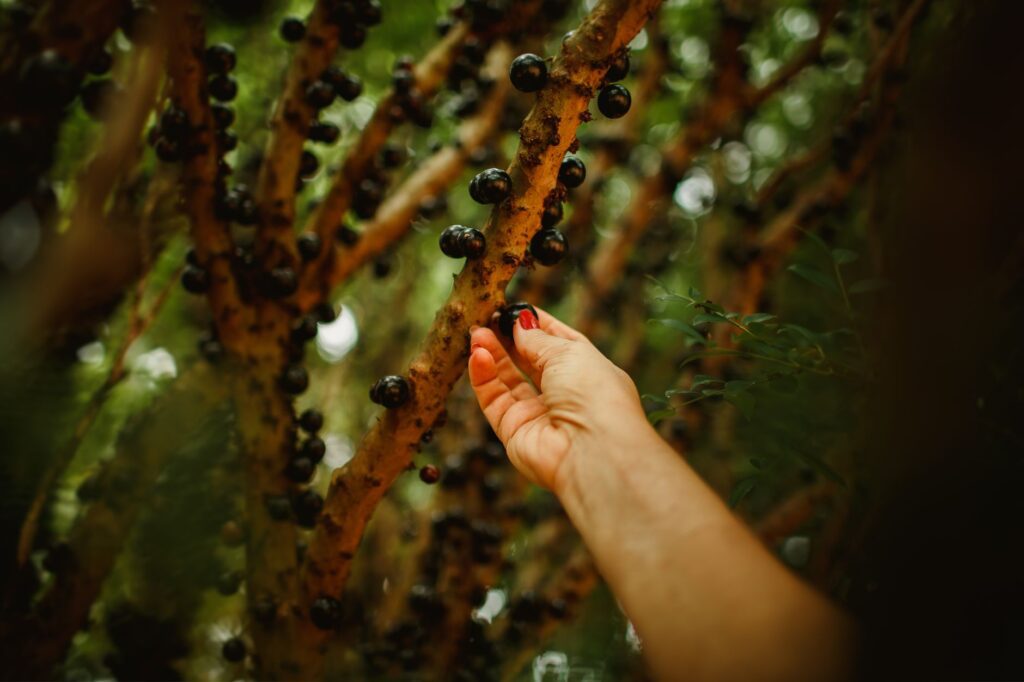
Typically, it grows as a multi-trunked tree or a substantial shrub, reaching heights of 10-25 feet (3-7.6 meters) in maturity, though it can be kept smaller with strategic pruning and is well-suited for container culture. Its most striking feature, known as ‘cauliflory,’ involves its small, creamy-white flowers, and subsequently its unique purple-black, grape-like fruits, emerging directly from the main trunk and older branches rather than from terminal shoots. The foliage is equally attractive, composed of small, elliptic, glossy green leaves that provide a dense, appealing backdrop to the extraordinary fruits.
Why People Love This Plant
The Presco Jaboticaba isn’t just a fruit tree; it’s a living piece of art that brings a touch of the extraordinary to any setting. Here’s why it’s so cherished:
- Appearance: Its cauliflorous fruiting habit is truly a conversation starter. Watching clusters of dark, ripe fruits emerge directly from the woody bark is an unparalleled visual spectacle. The glossy, evergreen foliage adds to its aesthetic appeal year-round.
- Flowers: Though small, the creamy-white flowers that bloom directly on the trunk are delicate and charming. They appear in multiple flushes, often after rain, signaling the promise of future fruits.
- Foliage: The Presco Jaboticaba boasts dense, small, elliptic, and deep green leaves that remain vibrant throughout the year, providing a lush, tropical feel to your garden or patio.
- Fragrance: While not overtly perfumed, the subtle fragrance of its flowers can add a delicate touch to your garden during its blooming periods.
- Decorative Value: Beyond its edible rewards, the Presco Jaboticaba serves as an excellent ornamental specimen. Its unique growth habit makes it a focal point in any garden or a stunning container plant for patios, balconies, or even indoors in cooler climates where it can be brought inside during winter.
Growing Requirements
To ensure your Presco Jaboticaba thrives and rewards you with its unique fruits, understanding its specific growing requirements is crucial. Here’s what this Brazilian Grape Tree needs to flourish in Indian conditions:
Light
The Presco Jaboticaba prefers full sun to partial shade. For optimal flowering and fruiting, aim for at least 6 hours of direct sunlight per day. While it can tolerate some shade, insufficient light can lead to sparse fruiting.
Water
This plant requires consistent moisture, especially during its flowering and fruiting cycles. Do not let the soil dry out completely between waterings, but also be diligent in avoiding waterlogging, which can lead to root problems. During hot, dry spells, you might need to water more frequently. Good drainage is paramount.
Temperature
Presco Jaboticaba thrives in warm temperatures, ideally between 65-85°F (18-29°C). Mature trees can tolerate brief dips to 20°F (-6°C), but young plants are more sensitive to frost and will require protection in cooler regions of India during winter months. A stable, warm environment is best for vigorous growth and productivity.
Humidity
As a tropical plant, high humidity is beneficial for the Presco Jaboticaba. In drier Indian climates, consider misting your potted plant or placing it near a humidifier, especially if growing indoors.
Soil
The ideal soil for a Presco Jaboticaba is fertile, well-draining, and slightly acidic, with a pH ranging between 5.5 and 6.5. It appreciates soil rich in organic matter. Heavy clay soils that retain too much water should be amended to improve drainage.
Potting Mix
If growing in containers, a high-quality potting mix designed for acidic-loving plants, enriched with compost or other organic materials, is excellent. Ensure the pot has ample drainage holes to prevent water accumulation.
Fertilizer
Regular feeding supports healthy growth and bountiful fruiting. For young trees, fertilize every 2-3 months. Mature, fruiting trees benefit from fertilization 3-4 times a year. Use a balanced, slow-release granular fertilizer, or one specifically formulated for fruiting trees. Look for formulas with micronutrients, especially iron, to prevent deficiencies. Always follow the product’s instructions for application rates.
How to Care for This Plant
Caring for your Presco Jaboticaba is a rewarding experience. Here’s a practical, step-by-step guide to help it flourish:
- Planting: Choose a location with adequate sunlight and well-draining soil. If potting, select a large container that allows for root growth and has good drainage. Dig a hole twice as wide as the root ball but no deeper, ensuring the tree is planted at the same level it was in its nursery pot.
- Watering Routine: Establish a consistent watering schedule. Check the soil moisture regularly by sticking your finger about an inch or two deep. If it feels dry, it’s time to water thoroughly until water drains from the bottom of the pot or soaks deeply into the garden soil. Reduce watering slightly during dormant periods or cooler months.
- Fertilizing Schedule: As mentioned, young trees need more frequent feeding. Spread the granular fertilizer evenly around the drip line of the tree, avoiding direct contact with the trunk, then water it in. For liquid fertilizers, dilute as per instructions.
- Pruning: Presco Jaboticaba generally requires minimal pruning. Focus on shaping the tree, removing any dead, diseased, or crossing branches. You can also prune to manage its size, especially if growing in a container or in a smaller garden space. The best time for light pruning is usually after a fruiting cycle.
- Pest & Disease Prevention: Regular inspection of your tree’s foliage and trunk is your first line of defense. Healthy trees are more resistant to pests and diseases. Ensure good air circulation, especially in humid conditions, to deter fungal issues.
- Winter Care: In regions where temperatures might drop below freezing, protect young Presco Jaboticaba trees by covering them with frost cloth or bringing potted plants indoors. Mature trees show more resilience but still appreciate some protection from prolonged cold spells.
- Harvesting the Fruit: The fruits are ready for harvest when they turn a deep purple-black and are slightly soft to the touch. They don’t ripen further once picked, so wait until they are fully mature on the tree for the best flavor.
- Propagation: While typically grown from seed (which can take 5-10 years to fruit), you can also propagate Presco Jaboticaba through air-layering or grafting, which can significantly reduce the time to fruiting.
Common Problems and Solutions
While the Presco Jaboticaba is a relatively robust tree, it can encounter a few issues. Being aware of these and knowing how to address them can ensure your plant remains healthy and productive.
- Yellow Leaves (Chlorosis):
- Problem: Often indicates a nutrient deficiency, particularly iron, especially in alkaline soils where iron becomes less available to the plant. Overwatering can also cause yellowing.
- Solution: Test your soil pH. If it’s too high, apply chelated iron foliar sprays or soil amendments to acidify the soil. Ensure proper watering practices to avoid waterlogging.
- Pests: Fruit Flies, Scale Insects, Aphids:
- Problem: Fruit flies can lay eggs in developing fruits, leading to wormy produce. Scale insects and aphids can infest foliage, sucking sap and leading to sticky honeydew and sooty mold.
- Solution: Regular inspection is key. For fruit flies, consider bagging fruits or using organic traps. For scale and aphids, use a strong jet of water to dislodge them, or apply neem oil spray or insecticidal soap, targeting both the top and underside of leaves.
- Fungal Diseases (Root Rot):
- Problem: Primarily caused by consistently waterlogged soil due to poor drainage or overwatering. Symptoms include wilting, yellowing leaves, and a general decline in health.
- Solution: Ensure your tree is planted in well-draining soil and that pots have adequate drainage holes. Adjust your watering schedule to allow the topsoil to dry out slightly between waterings.
- Poor Flowering/Fruiting:
- Problem: Insufficient sunlight, nutrient deficiencies, or inconsistent watering can all lead to a lack of flowers and fruit. Young trees may also take several years to mature enough to fruit.
- Solution: Ensure the tree receives at least 6 hours of direct sunlight. Provide a balanced fertilizer as recommended. Maintain consistent watering, especially during blooming and fruiting periods.
- Slow Growth:
- Problem: Can be attributed to a range of factors including inadequate light, nutrient deficiencies, incorrect soil pH, or insufficient water.
- Solution: Review all growing requirements: ensure optimal light, consistent fertilization, appropriate soil pH, and regular watering. Addressing these fundamental needs will encourage healthier growth.
- Leaf Drop:
- Problem: Extreme temperature fluctuations, severe underwatering or overwatering, or significant pest stress can cause the tree to shed its leaves.
- Solution: Maintain a stable environment for your tree. Ensure consistent watering and protect it from sudden cold snaps or heatwaves. Address any pest infestations promptly.
Benefits
Beyond its unique beauty, the Presco Jaboticaba offers a multitude of benefits, making it a truly valuable plant for any home or garden:
- Home Decoration: Its distinctive cauliflorous habit and lush evergreen foliage make it an unparalleled ornamental tree, serving as a focal point in any garden or a striking specimen in a large container.
- Balcony Gardening: The Presco Jaboticaba adapts very well to container culture, making it an excellent choice for urban dwellers who wish to cultivate exotic fruits on their balconies or patios.
- Landscaping: When planted in the ground, it can provide moderate shade with its dense canopy and contributes a tropical, exotic aesthetic to your landscape design.
- Pollinator Friendly: While primarily pollinated by insects, its flowers attract local wildlife, particularly birds, which are drawn to its sweet, ripe fruits, adding life and biodiversity to your garden.
- Delicious, Nutritious Fruit: The primary allure of the Jaboticaba is its fruit. These sweet, slightly acidic, grape-like berries are highly prized for fresh consumption. They are also excellent for making jams, jellies, juices, and even homemade wines, offering a unique flavor profile.
- Long Lifespan: A well-cared-for Presco Jaboticaba tree can live for many decades, becoming a lasting and rewarding addition to your garden that can be enjoyed by generations.
Frequently Asked Questions
How long does it take for a Jaboticaba tree to bear fruit?
From seed, a Presco Jaboticaba tree typically takes 5 to 10 years to bear its first fruits. However, if you acquire a grafted or air-layered plant, it can significantly reduce this waiting period, often fruiting within 3 to 5 years.
What kind of soil does Jaboticaba prefer?
The Presco Jaboticaba thrives in fertile, well-draining soil that is slightly acidic, with a pH range of 5.5 to 6.5. It also appreciates soil that is rich in organic matter. Good drainage is essential to prevent root rot.
How often does a Jaboticaba tree produce fruit?
One of the most exciting aspects of the Presco Jaboticaba is its ability to produce multiple flushes of fruit throughout the year, especially after periods of rain. In ideal conditions, a mature tree can produce fruit anywhere from 2 to 4 times a year, and sometimes even more frequently.
Final Thoughts
Bringing a Presco Jaboticaba into your home or garden is an invitation to experience the wonders of tropical fruit cultivation. Its stunning appearance, delicious fruits, and relatively moderate care requirements make it a highly rewarding plant for both novice and experienced gardeners. With a little attention to its needs for sunlight, water, and acidic soil, you can enjoy the unique beauty and bounty of this Brazilian Grape Tree for many years to come.
Plantrea is the online plant platform from Wynorg, helping plant lovers across India discover quality plants, practical growing advice, and trusted nursery sourcing. We are committed to empowering you with the knowledge and resources to cultivate a thriving green space.
Interested in This Plant?
The Presco Jaboticaba is undoubtedly a captivating plant, and you might have more questions about bringing this unique Brazilian Grape Tree into your own space. Whether you’re curious about its availability, how it might fit into your specific garden or balcony setup, or just need some personalized advice, our Plant Expert chat is here to assist you.
Located at the bottom-right corner of every page on Plantrea.com, our Plant Expert is like having an experienced gardener by your side. You can use this helpful tool to check if the Presco Jaboticaba is currently in stock, get tailored recommendations for plants that will thrive in your specific home or garden conditions, or ask any burning questions you have about its care and maintenance.
Don’t hesitate to reach out! Our Plant Expert can also help you discover suitable alternatives if the Presco Jaboticaba is not available at the moment, ensuring your gardening journey continues smoothly and successfully. We’re here to make your plant dreams a reality.
Image by: Helena Lopes
https://www.pexels.com/@helenalopes