Black Surinam Cherry (Eugenia uniflora) Care & Growing Guide | Plantrea
The Black Surinam Cherry, botanically known as Eugenia uniflora ‘Black’, is a delightful and versatile fruit-bearing shrub that has found a special place in Indian homes and gardens. Its glossy foliage, fragrant white flowers, and distinctive deep purple to black fruits make it a standout choice for gardeners looking for both ornamental beauty and edible rewards. It’s a plant that thrives in our tropical and subtropical climates, offering a bounty of unique, sweet-tart berries that are a joy to harvest and savour. Whether grown as a beautiful hedge, a specimen plant, or in a large container on a patio, this variety adds charm and productivity to any green space.
For those passionate about growing their own exotic fruits and enhancing their garden’s aesthetic appeal, the Black Surinam Cherry is an excellent choice. Its adaptability and relatively straightforward care make it suitable for both seasoned gardeners and those just starting their green journey. At Plantrea, the online plant platform by Wynorg, a trusted Indian brand known for delivering healthy live plants safely across India, we’re dedicated to helping you succeed with your plant endeavours. This comprehensive guide will equip you with all the knowledge you need to grow a thriving Black Surinam Cherry plant.
Botanical Overview
The Black Surinam Cherry (*Eugenia uniflora* ‘Black’) is a fascinating member of the plant kingdom with a rich background:
- Botanical Name: Eugenia uniflora ‘Black’
- Plant Family: Myrtaceae, a large family that includes well-known plants like guava, eucalyptus, and cloves.
- Origin: Native to the tropical regions of South America, particularly Brazil, Uruguay, and Paraguay.
- Plant Type: An evergreen shrub or small tree. ‘Evergreen’ means it retains its leaves throughout the year, providing continuous greenery.
- Growth Habit: It typically grows as a dense, bushy shrub or can be trained into a small tree, reaching heights of 6 to 20 feet (2-6 meters) when mature, especially as a grafted fruit tree. The ‘Black’ cultivar specifically refers to its fruit colour.
Why People Love This Plant
The Black Surinam Cherry isn’t just another fruit plant; it’s a charismatic addition to any garden or patio, cherished for several reasons:
- Appearance: Its beauty begins with its foliage. The young leaves unfurl in a striking reddish-bronze hue, gradually maturing into a deep, glossy green. This colour transition adds dynamic visual interest to the plant.
- Flowers: In spring and often throughout the warmer months, the plant adorns itself with small, delicate white flowers. These charming blooms feature prominent stamens, giving them a wispy, ethereal appearance.
- Foliage: The glossy, oval leaves are not only attractive but also release a subtle, aromatic scent when crushed, adding another sensory dimension to your garden.
- Fragrance: While the leaves are aromatic, the small white flowers also emit a subtle, sweet scent, particularly noticeable on warm days, inviting pollinators to your garden.
- Decorative Value: Beyond its edible fruits, the Black Surinam Cherry serves as an excellent ornamental plant. Its dense growth habit and attractive foliage make it perfect for hedges, privacy screens, or as a standalone specimen in a pot or garden bed. The contrast of the new reddish leaves against the mature green ones is visually appealing, and the pendulous, ribbed, deep purple fruits add a unique decorative touch.
Growing Requirements
To ensure your Black Surinam Cherry thrives and produces a bountiful harvest, understanding its specific growing requirements is key. Paying attention to these factors will set you up for success:
- Light: For optimal fruiting and healthy growth, plant your Black Surinam Cherry in a location that receives full sun to partial shade. Aim for at least 6 hours of direct sunlight daily. While it can tolerate some shade, too little sun will result in sparse flowering and reduced fruit production.
- Water: This tropical plant appreciates consistent moisture. Water moderately to frequently, especially during dry spells and when the plant is flowering and developing fruit. The soil should be kept consistently moist but never waterlogged. Good drainage is crucial to prevent root rot. Reduce watering slightly during cooler, less active growth periods.
- Temperature: The Black Surinam Cherry thrives in warm, tropical, and subtropical climates, making it well-suited for many parts of India. It prefers temperatures between 20°C and 30°C. It is sensitive to frost, and temperatures below 28°F (-2°C) can cause significant damage or even kill the plant. In colder regions, it should be grown in containers and brought indoors during winter or protected thoroughly.
- Humidity: Being a tropical plant, it prefers moderate to high humidity. In very dry conditions, especially indoors, consider misting the leaves or placing the pot on a pebble tray with water to increase local humidity.
- Soil: It prefers well-draining, slightly acidic to neutral soil with a pH between 6.0 and 7.0. A loamy soil enriched with organic matter provides the ideal environment for its root system.
- Potting Mix: If growing in a container, use a high-quality, well-draining potting mix. A mix designed for fruit trees or palms, amended with some compost or perlite, works well. Ensure the pot has ample drainage holes.
- Fertilizer: Fertilize your Black Surinam Cherry every 2-3 months during its active growing season (spring through fall). Use a balanced, slow-release granular fertilizer or a liquid feed, following the product instructions carefully. A fertilizer slightly higher in phosphorus can encourage better flowering and fruiting.
How to Care for This Plant
Caring for your Black Surinam Cherry is a rewarding experience. Here’s a step-by-step guide to help you keep your plant healthy and productive:
- Planting: When planting outdoors, choose a sunny spot with well-draining soil. For container planting, select a large pot (at least 18-24 inches in diameter for a mature plant) with good drainage holes.
- Watering Schedule: Establish a consistent watering routine. Check the soil moisture regularly by sticking your finger an inch or two into the soil. Water when the top inch or two feels dry. Avoid extremes of too dry or too wet.
- Feeding: Stick to your fertilization schedule during the growing months. Remember, a well-fed plant is a productive plant, especially for fruit production.
- Pruning: Prune annually, ideally after the main fruiting season. This helps maintain the plant’s shape, controls its size, and encourages new, fruit-bearing growth. Remove any dead, diseased, or weak branches. If your plant is grafted, always remove any suckers that might emerge from below the graft union, as these will be from the rootstock and not the desired ‘Black’ variety.
- Pest and Disease Monitoring: Regularly inspect your plant for any signs of pests or diseases. Early detection is key to effective treatment.
- Winter Protection: In areas prone to frost, protect outdoor plants by covering them or moving container plants indoors to a bright, sheltered location.
- Mulching: Apply a layer of organic mulch around the base of the plant. This helps retain soil moisture, regulate soil temperature, and suppress weeds.
Common Problems and Solutions
Even with the best care, plants can sometimes face challenges. Here are some common problems you might encounter with your Black Surinam Cherry and how to address them:
- Yellow Leaves (Chlorosis): If your leaves are turning yellow with green veins, it’s often a sign of iron chlorosis, which can be caused by high soil pH preventing the plant from absorbing iron.
- Solution: Test your soil pH. If it’s too high, amend the soil with acidic organic matter like compost or pine bark. You can also apply a chelated iron supplement to quickly green up the leaves.
- Pests: Common pests include fruit flies (especially attracted to ripe fruit), scale insects, and mealybugs.
- Solution: Regularly inspect your plant. For minor infestations, wipe off pests with a cloth dipped in soapy water. For more significant problems, treat with horticultural oil or insecticidal soap, following product instructions carefully. Good garden hygiene helps deter fruit flies.
- Fungal Diseases (e.g., Leaf Spot): These can occur, particularly in overly humid conditions or with poor air circulation, leading to spots on the leaves.
- Solution: Ensure adequate spacing between plants for good air circulation. Avoid overhead watering, which can keep foliage wet for too long. Remove and dispose of affected leaves. Fungicides can be used for severe cases, but proper cultural practices are the first line of defense.
- Root Rot: Characterized by wilting, yellowing leaves, and a general decline, often due to overwatering and poor drainage.
- Solution: Ensure your soil or potting mix is well-draining. Water only when the topsoil feels dry. If in a pot, ensure drainage holes are clear. If caught early, repotting into fresh, well-draining soil can sometimes save the plant.
- Poor Flowering/Fruiting: If your plant isn’t flowering or producing much fruit, it could be due to insufficient sunlight, inadequate nutrients, or improper pruning.
- Solution: Ensure the plant receives at least 6 hours of direct sunlight. Fertilize regularly with a balanced fertilizer or one slightly higher in phosphorus. Prune correctly to encourage new growth that bears flowers and fruit, but avoid over-pruning, which can remove flower buds.
- Slow Growth: This can be a symptom of various issues, including nutrient deficiency, insufficient light, or improper watering.
- Solution: Review all cultural practices – light, water, and fertilizer. Ensure the plant is in appropriate soil and free from pests or diseases. Consistent, optimal care usually leads to vigorous growth.
Benefits
Beyond its striking appearance and delicious fruits, the Black Surinam Cherry offers a multitude of benefits, making it a truly valuable addition to any Indian home or garden:
- Home Decoration: Its dense, bushy growth habit, combined with glossy leaves that transition from reddish-bronze to deep green, makes it a beautiful ornamental plant. It can be a stunning focal point in a garden or a charming addition to a patio in a large container.
- Edible Landscape and Hedges: This plant is perfect for edible landscapes, providing both aesthetic appeal and a harvest of fresh fruit. Its dense growth makes it an ideal choice for creating attractive and productive hedges or privacy screens around your property.
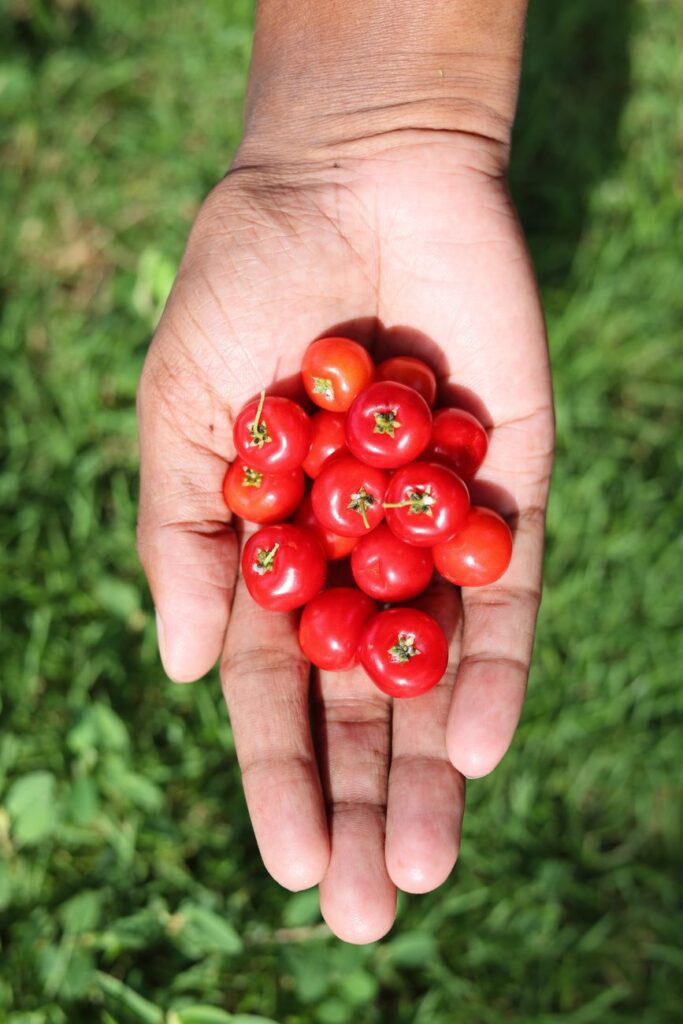
- Culinary Delight: The primary appeal for many is its unique fruit. The deep purple to nearly black berries of the ‘Black’ Surinam Cherry are sweet-tart and aromatic, perfect for eating fresh, making jams, jellies, pies, or juices. They are also a good source of vitamins, particularly Vitamin C.
- Pollinator Friendly: The small white flowers attract various pollinators, including bees, contributing to the biodiversity and health of your garden ecosystem.
- Wildlife Attraction: Birds and other small wildlife are often drawn to the ripe fruits, adding life and sound to your garden.
- Container Cultivation: For gardeners in cooler climates or those with limited space, the Black Surinam Cherry adapts well to container growing. This allows you to enjoy fresh tropical fruit even if you don’t live in a traditionally tropical region, as the plant can be moved indoors during colder months.
Frequently Asked Questions
Here are answers to some common questions about the Black Surinam Cherry:
What distinguishes the ‘Black’ Surinam Cherry from other varieties?
The ‘Black’ Surinam Cherry is a specific cultivar of Eugenia uniflora that stands out due to its distinct deep purple to nearly black fruit colour. While the standard Surinam Cherry typically produces bright red or orange fruits, the ‘Black’ variety offers a unique aesthetic and is often prized for its slightly sweeter flavour profile compared to some of its red counterparts. This makes it a sought-after choice for those looking for a different taste experience and visual appeal.
How do I know when ‘Black’ Surinam Cherry fruits are ripe for harvest?
Knowing when to harvest your Black Surinam Cherry fruits is crucial for enjoying their best flavour. The fruits are ripe when they have developed their characteristic deep purple to black colour. They should also feel soft to the touch (but not mushy) and easily detach from the stem with a gentle tug. You’ll notice their uniquely ribbed appearance will be fully pronounced at this stage. Harvesting them at this peak ripeness ensures the sweetest and most aromatic taste.
Can ‘Black’ Surinam Cherry be grown in a pot?
Absolutely! The ‘Black’ Surinam Cherry is an excellent candidate for container growing, making it highly versatile for various gardening situations. This is particularly beneficial for gardeners in regions outside its optimal hardiness zones (USDA 9-11) as it allows the plant to be moved indoors during colder periods. When growing in a pot, ensure you use a large container with excellent drainage, provide ample sunlight (at least 6 hours daily), and maintain consistent watering and feeding schedules to encourage healthy growth and abundant fruiting.
Final Thoughts
The Black Surinam Cherry is more than just a fruit-bearing plant; it’s an investment in the beauty and productivity of your garden. With its striking foliage, fragrant blooms, and uniquely delicious fruits, it offers a rewarding gardening experience. By following the practical advice on light, water, soil, and care, you can cultivate a thriving Black Surinam Cherry that will provide years of enjoyment.
Embracing the joy of growing your own exotic fruits is a journey of discovery and connection with nature. We hope this guide inspires you to add this wonderful plant to your collection. Plantrea is the online plant platform from Wynorg, helping plant lovers across India discover quality plants, practical growing advice, and trusted nursery sourcing. Continue exploring more plant guides on Plantrea for further inspiration and expert tips to enhance your green space.
Interested in This Plant?
The Black Surinam Cherry is truly a unique and rewarding plant to grow, offering both beauty and delicious fruits. If you’re curious to learn more or wondering how this specific plant might fit into your home or garden, our Plant Expert chat is here to assist you.
You can use the chat feature, conveniently located at the bottom-right corner of every page on Plantrea, to check whether the Black Surinam Cherry is currently available. Our Plant Expert can also provide personalised plant recommendations tailored to your specific climate, space, and gardening preferences, helping you find the perfect match for your green aspirations. Don’t hesitate to reach out!
Whether you have specific questions about the Black Surinam Cherry’s care and maintenance, or if you’re looking for suitable alternatives should this particular plant be unavailable, our experienced gardening assistant is ready to share their knowledge. Think of them as your personal guide to all things plants, offering friendly and helpful advice to support your gardening journey.
Image by: LJ Gaje
https://www.pexels.com/@lj-gaje-654648272