Passion Fruit Vine, Passiflora edulis, fruiting climbers India
There’s a special kind of joy that comes from growing your own food, and for many Indian gardeners, the Passion Fruit Vine brings exactly that. With its captivating, intricate flowers and delicious, tangy fruits, Passiflora edulis is a beloved addition to many homes and gardens across the country. This remarkable climber not only adds immense beauty with its exotic fragrant flowers but also rewards your efforts with a homegrown harvest of edible passion fruits, often within just 1-2 years of planting. Imagine plucking a fresh, ripe passion fruit right from your own garden – it’s an experience that truly connects you with nature’s bounty.
Whether you have a spacious garden, a cozy balcony, or a vibrant terrace, the Passion Fruit Vine can transform your space into a tropical haven. Its vigorous growth and stunning blooms make it a decorative delight, while the nutritious fruits offer a burst of flavour for your culinary adventures. As you embark on this rewarding gardening journey, remember that Plantrea is the online plant platform by Wynorg, a trusted Indian brand known for delivering healthy live plants safely across India, ensuring you start with the best possible foundation for your green dreams.
Botanical Overview
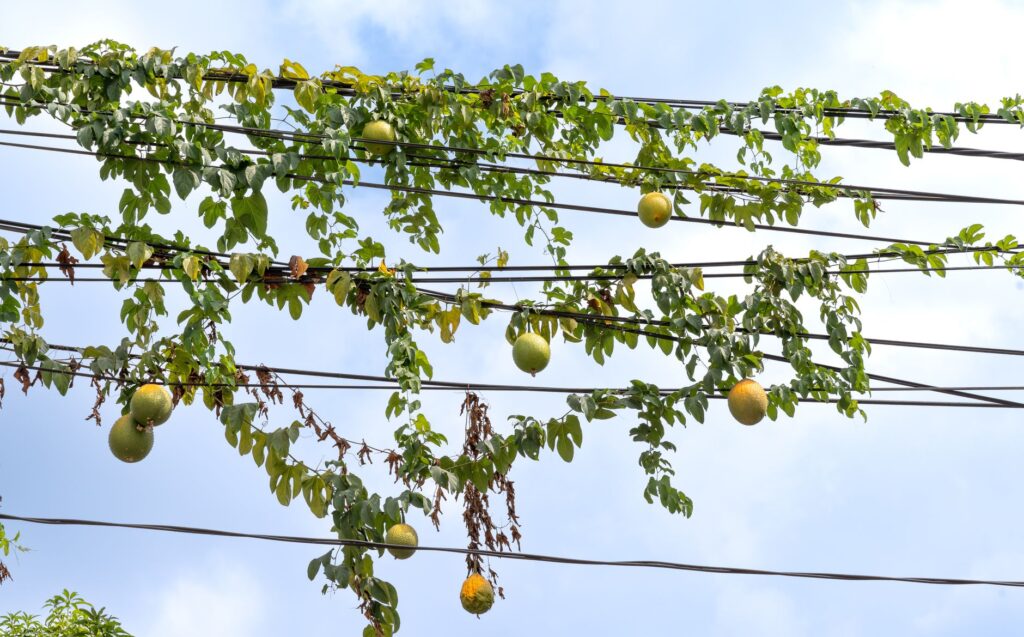
The Passion Fruit Vine, scientifically known as Passiflora edulis, belongs to the diverse and beautiful Passifloraceae family. Native to South America, specifically regions of Brazil, Paraguay, and Argentina, this plant is a vigorous woody perennial climber. It thrives by extending tendrils that wrap around supports, allowing it to ascend rapidly. In ideal conditions, this fruiting vine can reach impressive heights of 15-20 feet or more, creating a lush green canopy. Its growth habit makes it an excellent choice for covering pergolas, trellises, fences, and arbours, providing both shade and a continuous supply of its prized fruits. The botanical name “Passiflora” itself means “flower of passion,” a reference to the flower’s unique structure, which early missionaries associated with the Passion of Christ.
Why People Love This Plant
The allure of the Passion Fruit Vine goes far beyond just its edible fruits. It’s a plant that engages all the senses and adds a touch of the exotic to any Indian garden.
Appearance
The overall appearance of the Passion Fruit Vine is one of lush tropical beauty. Its dense foliage creates a vibrant green backdrop for the star of the show – its incredible flowers. The vigorous climbing habit allows it to create stunning living walls or ceilings, making it a focal point in any landscape.
Flowers
Perhaps the most captivating feature of the Passion Fruit Vine is its extraordinary flowers. These exotic fragrant flowers, typically a mesmerising blend of white and purple, are truly a marvel of nature. Each bloom features intricate filaments radiating from the centre, giving it a somewhat otherworldly appearance. Their complex structure is not just beautiful but also has a deep symbolic meaning for many. These blooms not only adorn your garden but also attract pollinators, playing a crucial role in the development of the delicious fruits.
Foliage
The foliage of Passiflora edulis is equally attractive. The leaves are typically glossy, dark green, and deeply lobed, often with three or five lobes. They provide a lush, dense cover, offering a cool, verdant screen wherever the vine is trained. The healthy, vibrant leaves are an indicator of a well-cared-for plant and contribute significantly to its ornamental value.
Fragrance
True to its name, many varieties of Passion Fruit Vine boast wonderfully fragrant flowers. The sweet, delicate aroma wafts through the garden, especially during the warm summer and fall evenings, adding another layer of sensory delight to your outdoor space. It’s a natural perfume that enhances the overall garden experience.
Decorative Value
With its rapid growth and beautiful flowers, the Passion Fruit Vine offers immense decorative value. It’s perfect for greening up unsightly walls, creating privacy screens, or adding a tropical feel to patios and balconies. The sight of exotic fragrant flowers followed by edible passion fruits hanging from a trellis is a truly rewarding and beautiful spectacle for any gardener.
Growing Requirements
To successfully grow a Passion Fruit Vine and enjoy a bountiful homegrown harvest of edible passion fruits, understanding its specific needs is key. While it’s a relatively low-maintenance plant once established, providing the right conditions from the start will ensure vigorous growth and abundant fruiting.
Light
The Passion Fruit Vine is a true sun-worshipper. It requires at least 6 hours of direct full sun daily to thrive and produce a good yield of fruit. In the Indian climate, ensure it receives morning sun and some protection from the harshest afternoon sun in extremely hot regions, though generally, it prefers maximum sunlight.
Water
Moderate watering is crucial for this plant. While established vines can tolerate some dry spells, consistent moisture is vital, especially during its active growing and fruiting seasons (summer to fall). Water deeply when the top inch or two of soil feels dry to the touch. Avoid waterlogging, as this can lead to root rot.
Temperature
Being a tropical plant, the Passion Fruit Vine thrives in warm temperatures. It prefers temperatures between 20°C and 30°C. In many parts of India, these conditions are prevalent for much of the year. Protection from frost is essential, as temperatures below 0°C can severely damage or kill the vine. If you live in a region that experiences cold winters, consider growing it in a large pot that can be moved indoors or to a sheltered location.
Humidity
The plant tolerates the high humidity levels often found in India, which is beneficial for its lush growth. No special measures are usually needed to increase humidity.
Soil
Well-draining soil is paramount for the Passion Fruit Vine. It prefers rich, loamy soil with a slightly acidic to neutral pH (6.0 to 7.0). Good drainage prevents water from sitting around the roots, which is crucial for preventing common problems like root rot.
Potting Mix
If growing in pots, use a high-quality potting mix that drains well and is rich in organic matter. A mix designed for fruiting plants or a general-purpose potting mix amended with compost and perlite for drainage works well. Ensure the pot is large enough (at least 15-20 gallons) to accommodate its vigorous root system.
Fertilizer
To support its rapid growth and heavy fruiting, the Passion Fruit Vine is a hungry plant. Fertilize monthly during the growing and flowering season (spring to fall) with a balanced fertilizer or one slightly higher in phosphorus and potassium to encourage flowering and fruiting. Reduce feeding during cooler months when growth slows.
How to Care for This Plant
Caring for your Passion Fruit Vine can be incredibly rewarding, especially when you’re anticipating that homegrown harvest of edible passion fruits. Here’s a step-by-step guide to keep your vine healthy and productive:
- Provide Strong Support: As a vigorous climber, your Passion Fruit Vine needs a sturdy trellis, pergola, fence, or arbour right from the start. Guide young tendrils onto the support as they grow to ensure proper attachment.
- Consistent Watering: Maintain a moderate watering schedule, ensuring the soil remains consistently moist but not waterlogged. Increase watering frequency during dry spells and when the plant is fruiting.
- Regular Fertilization: Feed your vine monthly during the growing season (spring through fall) with a balanced NPK fertilizer. For promoting more exotic fragrant flowers and abundant fruits, consider a fertilizer with a slightly higher potassium content.
- Pruning for Vigor and Fruit: Prune your Passion Fruit Vine annually, typically after the main fruiting season or in late winter/early spring. Remove dead, diseased, or tangled branches. Thin out overcrowded growth to improve air circulation and sunlight penetration, which encourages better flowering and fruit set. You can also prune to maintain size and shape.
- Pollination Awareness: While many Passion Fruit varieties are self-fertile, fruit set often improves significantly with hand pollination, especially if natural pollinators like bees are scarce. Simply transfer pollen from one flower to another using a small brush in the morning when flowers are open.
- Pest and Disease Monitoring: Regularly inspect your vine for any signs of pests or diseases. Early detection and intervention are key to preventing major issues.
- Frost Protection: If you live in a region prone to frost, protect your vine by covering it with a horticultural fleece or moving potted plants indoors during cold snaps.
Common Problems and Solutions
Even with the best care, sometimes your Passion Fruit Vine might encounter a few hurdles. Here are some common problems and their practical solutions for Indian gardeners:
- Yellow Leaves:
- Cause: Often indicates overwatering, underwatering, or nutrient deficiency (especially nitrogen or iron).
- Solution: Check soil moisture – ensure good drainage and adjust watering. Apply a balanced liquid fertilizer or specific iron supplement if deficiency is suspected.
- Pests:
- Cause: Common pests include fruit flies, aphids, mealybugs, and spider mites. Fruit flies can be particularly problematic for the developing fruits.
- Solution: For fruit flies, use pheromone traps or cover developing fruits with fine mesh bags. For other pests, spray with neem oil solution or insecticidal soap. Regular inspection helps catch infestations early.
- Fungal Diseases:
- Cause: High humidity and poor air circulation can lead to issues like powdery mildew or various leaf spots. Root rot is caused by consistent overwatering.
- Solution: Ensure good air circulation through proper pruning. Avoid overhead watering. For powdery mildew, spray with a fungicide. Prevent root rot by ensuring excellent drainage and never letting the pot sit in standing water.
- Root Rot:
- Cause: Primarily caused by prolonged waterlogging due to poor drainage or overwatering.
- Solution: Improve soil drainage by adding perlite or coarse sand. Reduce watering frequency. If in a pot, ensure drainage holes are not blocked. In severe cases, repotting with fresh, well-draining soil may be necessary after trimming affected roots.
- Poor Flowering:
- Cause: Insufficient sunlight, lack of nutrients, or improper pruning can inhibit flowering.
- Solution: Ensure the vine receives at least 6 hours of full sun. Fertilize with a phosphorus-rich fertilizer to encourage blooms. Prune correctly to promote new growth that bears flowers.
- Slow Growth:
- Cause: Often due to inadequate sunlight, water, or nutrients.
- Solution: Review light, water, and feeding routines. Ensure the plant is not root-bound if in a pot.
- Leaf Drop:
- Cause: Can be a reaction to sudden temperature changes, severe underwatering or overwatering, or pest/disease stress.
- Solution: Identify and rectify the underlying stress factor. Ensure consistent care and stable environmental conditions.
- Lack of Fruit Without Hand Pollination:
- Cause: While self-fertile, natural pollinators might be insufficient, leading to poor fruit set.
- Solution: Manually pollinate the flowers using a small paintbrush. Transfer pollen from the anthers to the stigma of the same flower or different flowers early in the morning.
Benefits
Beyond its striking beauty and delicious produce, the Passion Fruit Vine offers numerous benefits that make it a highly desirable plant for Indian homes and gardens.
- Home Decoration: The vigorous climbing habit and lush foliage make it an excellent choice for natural home decoration. It can elegantly cover walls, fences, or provide shade over pergolas, adding a tropical charm and a touch of the exotic.
- Balcony Gardening: For those with limited ground space, a Passion Fruit Vine can thrive in large pots on balconies, provided it receives ample sunlight and sturdy support. It allows city dwellers to enjoy homegrown edible passion fruits.
- Landscaping: In larger gardens, it serves as a stunning landscaping element, creating green screens, arbours, or providing a vibrant backdrop to other plants. Its exotic fragrant flowers add year-round appeal.
- Pollinator Friendly: The unique and beautiful flowers attract bees and other beneficial insects to your garden, contributing to local biodiversity and aiding in the pollination of other plants.
- Edible Fruit: The most tangible benefit is, of course, the production of delicious and nutritious passion fruits. These fruits are rich in vitamins A and C, antioxidants, and fibre, making them a healthy addition to your diet. Enjoy them fresh, in juices, desserts, or jams.
Frequently Asked Questions
Why is the Passion Fruit Vine a great choice for Indian gardens?
The Passion Fruit Vine (Passiflora edulis) is an excellent choice for Indian gardens because it’s a vigorous fruiting climber that thrives in our warm climate. It offers exotic fragrant flowers followed by delicious edible passion fruits, making it one of the most rewarding exotic fruit plants you can grow in India. Its adaptability to various Indian conditions and the promise of a homegrown harvest in 1-2 years make it a favourite among gardeners.
Do I need two vines for fruit?
No, most Passion Fruit Vine varieties are self-fertile, meaning a single vine can produce fruit. However, fruit set often improves significantly with cross-pollination from another vine or, more commonly, with hand pollination, especially if natural pollinators are scarce in your area. Hand pollination ensures a more abundant yield of edible passion fruits.
How long does it take for a Passion Fruit Vine to produce fruit?
Typically, a Passion Fruit Vine will start producing fruit within 1-2 years from planting, provided it receives adequate sunlight, water, nutrients, and proper care. With good growing conditions and robust support, you can look forward to your first homegrown harvest of edible passion fruits relatively quickly.
Final Thoughts
Cultivating a Passion Fruit Vine is a truly enriching experience, offering both aesthetic beauty and the unparalleled joy of harvesting your own delicious, homegrown passion fruits. From the intricate beauty of its exotic fragrant flowers to the tangy sweetness of its fruit, this climber is a testament to nature’s bounty. By providing adequate sunlight, consistent moisture, and sturdy support, you can enjoy a thriving vine that brings a touch of the tropics to your Indian garden.
The journey of growing your own Passion Fruit Vine is a delightful one, connecting you with the cycles of nature and rewarding your efforts with a continuous supply of healthy, flavourful fruits. Remember, for all your gardening needs and queries, Plantrea is the online plant platform from Wynorg, helping plant lovers across India discover quality plants, practical growing advice, and trusted nursery sourcing.
Interested in This Plant?
If the idea of growing your own Passion Fruit Vine has sparked your interest, you might have a few more questions or need tailored advice for your specific garden conditions. We understand that every gardener’s journey is unique, and getting the right information can make all the difference.
Our Plant Expert chat, conveniently located at the bottom-right corner of every page, is here to assist you. Think of it as your personal gardening assistant, ready to help you with the Passion Fruit Vine and much more. You can use this chat to check whether the Passion Fruit Vine is currently available, ensuring you don’t miss out on adding this wonderful fruiting climber to your collection.
Beyond availability, our Plant Expert can provide personalised plant recommendations based on your home or garden’s specific environment, answer any detailed questions you have about the care and maintenance of your Passion Fruit Vine, or even help you find suitable alternatives if this particular plant isn’t available or perfect for your needs. We’re here to help you cultivate a thriving, beautiful garden, every step of the way.
Image by: Quang Nguyen Vinh
https://www.pexels.com/@quang-nguyen-vinh-222549