Allamanda Yellow Creeper – Year-round Yellow Blooms | Wynorg Nursery
The Allamanda Yellow Creeper, with its cheerful, sunshine-yellow blooms and vigorous growth, is a beloved sight in many Indian homes and gardens. This vibrant climbing vine brings a touch of tropical grandeur, transforming ordinary fences and pergolas into cascades of bright yellow. Its ability to bloom almost continuously in warm climates makes it a gardener’s delight, offering a splash of consistent colour throughout the year. Easy to care for and incredibly rewarding, it’s no wonder this plant has found a special place in the hearts of Indian plant enthusiasts.
For those looking to add such a magnificent spectacle to their garden, Plantrea is the online plant platform by Wynorg, a trusted Indian brand known for delivering healthy live plants safely across India. We understand the joy of nurturing a plant from our nursery to your home, and the Yellow Allamanda is certainly a plant that brings immense joy with its striking presence and low maintenance.
Botanical Overview
The Allamanda Yellow Creeper is scientifically known as Allamanda cathartica. It belongs to the Apocynaceae family, which also includes other well-known ornamental plants like the Frangipani and Nerium. Native to the tropical regions of South America, this plant thrives in warm, humid conditions, making it perfectly suited for the diverse climates found across India.
As its name suggests, the Allamanda Yellow Creeper is primarily a climber or flowering vine. It exhibits a vigorous growth habit, often reaching impressive heights of 6 to 12 feet, sometimes even more, especially when provided with adequate support. Its lush green foliage and spectacular blooms categorize it as a true tropical beauty, ideal for adding vertical interest and a burst of colour to any garden space.
Why People Love This Plant
Appearance
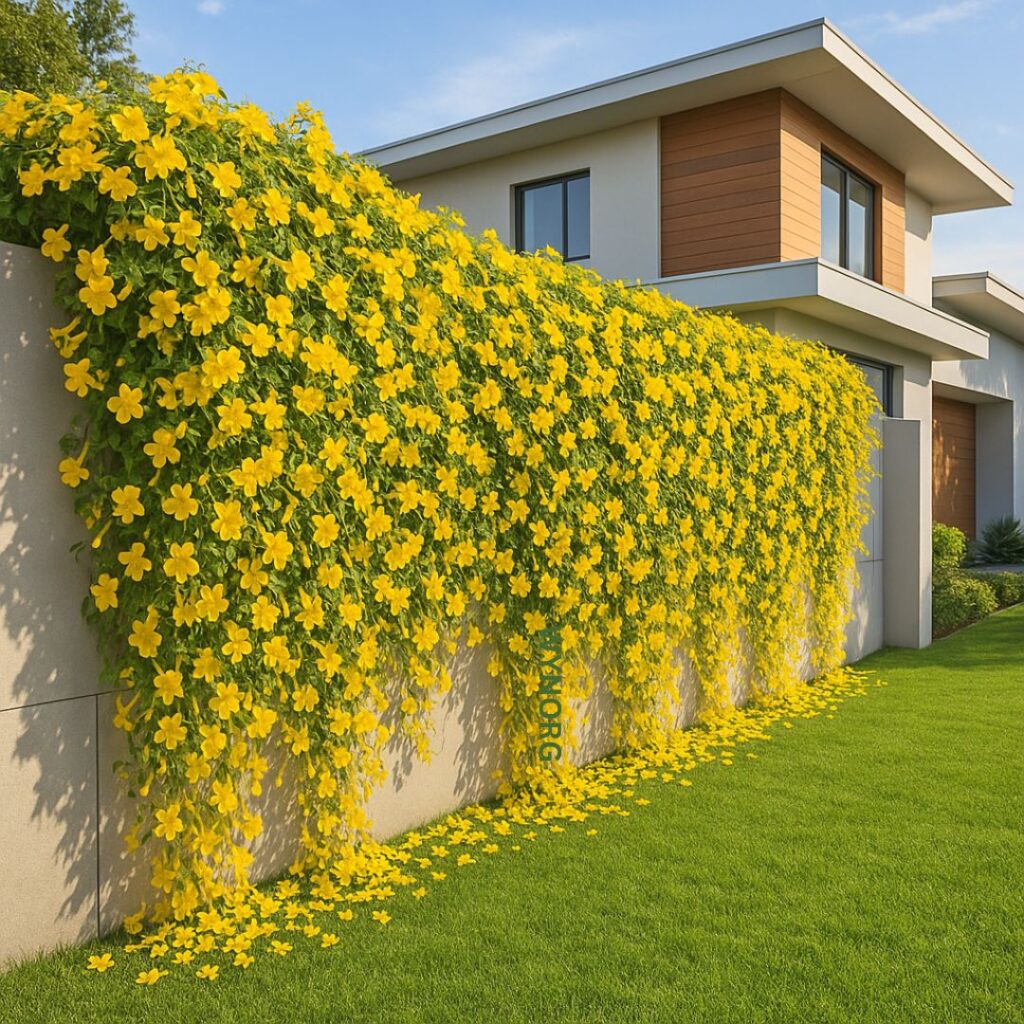
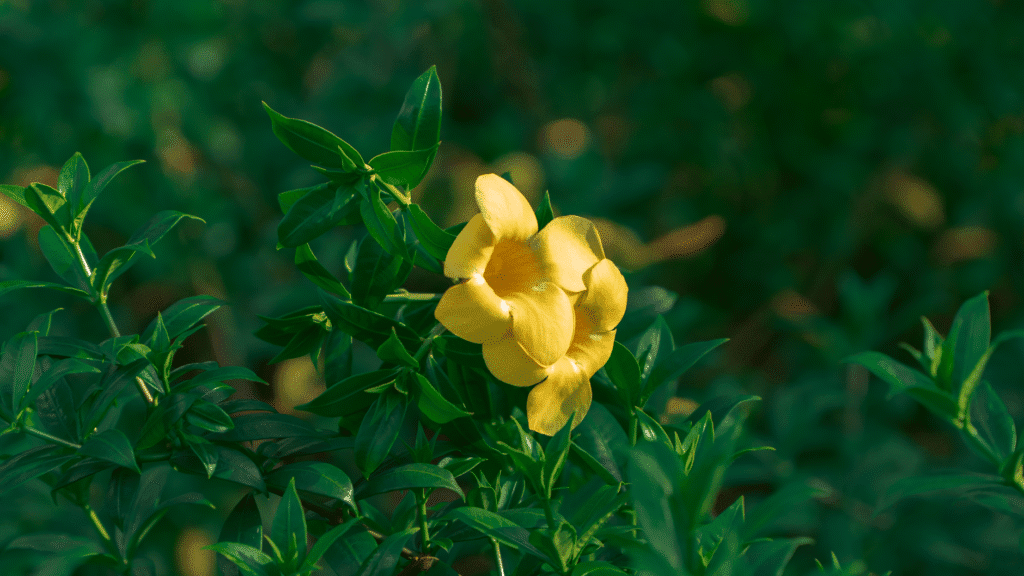
The Allamanda Yellow Creeper is a visual treat. Its most striking feature is undoubtedly its large, brilliant yellow, trumpet-shaped flowers. These blooms stand out against the backdrop of glossy, dark green leaves, creating a stunning contrast that captures attention. The foliage itself is attractive, dense, and evergreen, ensuring that your garden remains lush even when the plant is not in its heaviest bloom.
Flowers
One of the biggest draws of the Yellow Allamanda is its prolific and extended flowering season. In most warm Indian climates, it blooms almost year-round, gracing gardens with its cheerful yellow trumpet flowers continuously. Each flower is a perfect trumpet, typically 3-5 inches across, creating a magnificent display. The sheer volume of blooms can often cover the entire vine, making it a focal point in any landscape. The vibrant yellow is a universal symbol of happiness and sunshine, making it an instant mood lifter.
Foliage
Beyond its dazzling flowers, the foliage of the Allamanda plant is also noteworthy. The leaves are ovate to elliptic, deep green, and possess a distinct glossy sheen. This evergreen climber retains its leaves throughout the year, providing a consistent green backdrop that keeps your garden looking vibrant and alive, even during non-flowering periods. The dense growth habit ensures good coverage, making it an excellent choice for privacy screens or covering unsightly structures.
Fragrance
While the Allamanda Yellow Creeper is celebrated for its visual appeal, it is important to note that its flowers do not possess any significant fragrance. Its beauty lies purely in its stunning visual display, which is more than enough to captivate any onlooker.
Decorative Value
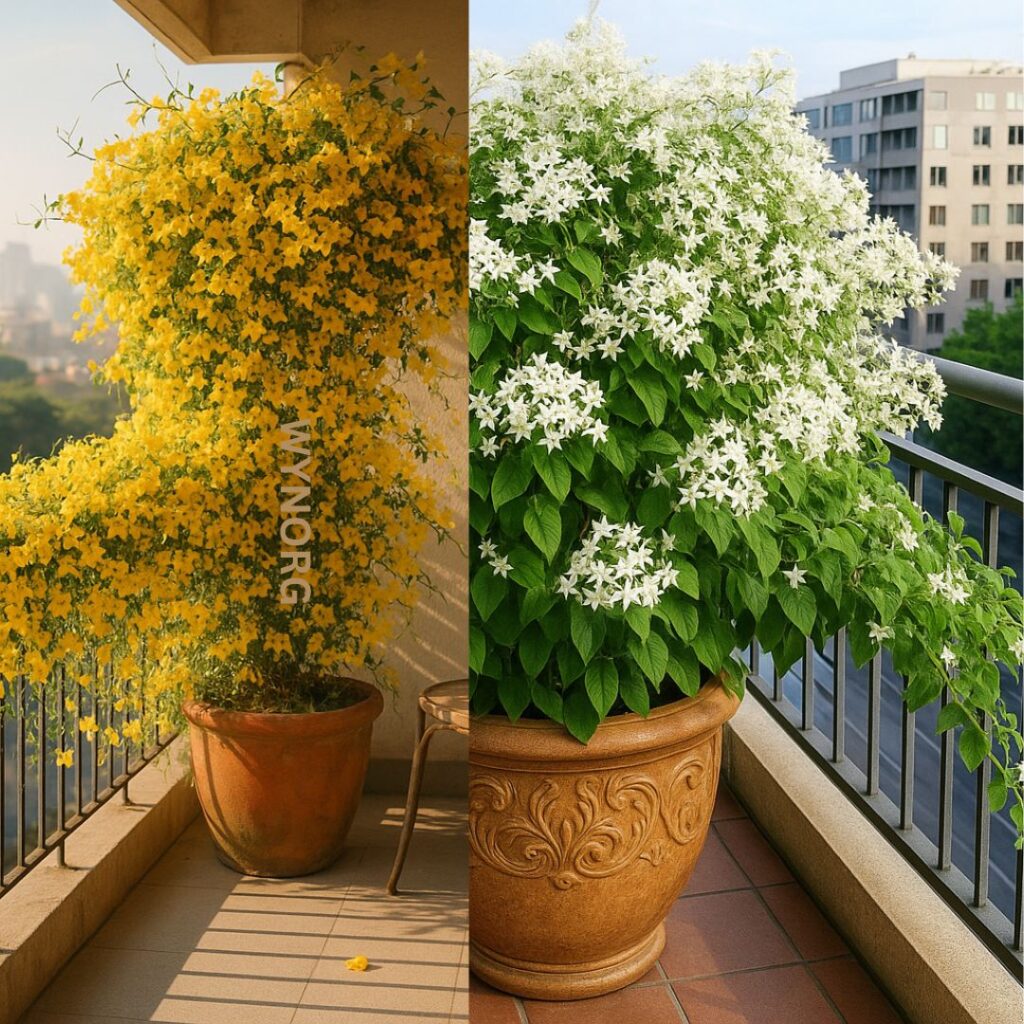
The decorative potential of the Yellow Allamanda is immense. Its vigorous climbing nature makes it perfect for adorning fences, arbours, pergolas, and trellises. It can transform a plain wall into a living tapestry of green and gold. For smaller spaces or patios, it can be grown beautifully in large containers, allowing its trailing branches to spill gracefully over the edges. Its vibrant colour makes it a fantastic choice for creating focal points, adding cheer to balconies, and enhancing the curb appeal of any home. This yellow trumpet vine is particularly popular in coastal gardens due to its salt tolerance.
Growing Requirements
To ensure your Allamanda Yellow Creeper thrives and rewards you with its continuous yellow blooms, understanding its basic growing requirements is key. Thankfully, this beautiful plant is quite adaptable and generally easy to care for.
Light
Full sun is absolutely essential for the Allamanda plant. It needs at least 6 hours of direct sunlight per day to produce its abundant flowers. While it can tolerate partial shade, a lack of adequate sunlight will significantly reduce flowering, leading to a sparse display. Choose a spot in your garden that receives ample direct sun throughout the day for the best results.
Water
The Yellow Allamanda prefers consistently moist soil, but it does not like to sit in waterlogged conditions. Water moderately, allowing the top inch or two of soil to dry out between waterings. During hot summer months, especially in India, you might need to water daily. In cooler periods or during the monsoon, reduce watering frequency. Always check the soil moisture before watering to avoid both overwatering and underwatering. Good drainage is crucial.
Temperature
Being a tropical plant, Allamanda cathartica loves warmth. It thrives in temperatures between 20°C and 35°C, which are typical for most parts of India. It is sensitive to frost and cold temperatures. In regions where temperatures drop significantly during winter, it’s advisable to provide some protection or consider growing it in a container that can be moved indoors or to a sheltered location during colder spells.
Humidity
The Allamanda Yellow Creeper appreciates high humidity, a common feature in many tropical and coastal areas of India. While it generally adapts well, very dry conditions can sometimes lead to leaf crisping. Misting the foliage occasionally can be beneficial in extremely dry environments, though this is rarely necessary in typical Indian outdoor conditions.
Soil
Well-draining, fertile soil is ideal for the Yellow Allamanda. It prefers a slightly acidic to neutral soil pH (6.0 to 7.0). A good garden soil enriched with organic matter will provide the necessary nutrients and structure. Avoid heavy clay soils that retain too much water, as this can lead to root rot.
Potting Mix
If growing in containers, a high-quality potting mix designed for flowering plants is recommended. Ensure the mix is well-draining. You can amend standard potting mix with perlite or coarse sand to improve drainage. A good potting mix should also retain some moisture while allowing excess water to escape freely.
Fertilizer
To support its continuous flowering, the Allamanda plant benefits from regular feeding. Use a balanced liquid fertilizer (e.g., 10-10-10 or a formulation slightly higher in phosphorus for blooms) every 2-4 weeks during its active growing and flowering season (spring through autumn). Reduce or stop fertilizing during its semi-dormant period in winter. Always follow the manufacturer’s instructions for dosage to avoid over-fertilization, which can burn the roots.
How to Care for This Plant
Caring for your Allamanda Yellow Creeper is a rewarding experience, and with a few practical steps, you can ensure it flourishes into a magnificent display:
- Watering Wisely: As mentioned, regular watering is key, especially during hot, dry spells. Feel the soil; if the top inch or two is dry, it’s time to water. Reduce watering during the cooler, less active months.
- Pruning for Abundance: Pruning is crucial for maintaining the plant’s shape, size, and encouraging more blooms. The best time to prune your Yellow Allamanda is in late winter or early spring, just before new growth begins. Remove any dead, diseased, or tangled branches. You can also prune to control its size and promote bushier growth and more flowering tips. Light pruning and deadheading (removing spent flowers) throughout the year will encourage continuous blooming.
- Providing Support: Being an evergreen climber, the Allamanda Yellow Creeper needs a sturdy structure to climb on. Install a trellis, arbor, or provide strong wires along a wall or fence for its tendrils to grasp. Guide young shoots initially to encourage them to climb in the desired direction.
- Pest Vigilance: Regularly inspect your plant for any signs of pests. Early detection makes treatment much easier. Common pests are usually manageable.
- Winter Protection (if applicable): In parts of India that experience occasional frost, consider protecting your Allamanda. If in a pot, move it to a sheltered location. For in-ground plants, mulching around the base can help insulate the roots.
- Repotting: If your Allamanda is in a container and appears root-bound (roots growing out of drainage holes, water running straight through), it’s time to repot. Choose a pot that is only slightly larger than the previous one and refresh the potting mix. Spring is the best time for repotting.
Common Problems and Solutions
Even though the Allamanda Yellow Creeper is generally hardy, like all plants, it can encounter a few issues. Here are some common problems and their solutions:
- Yellow Leaves: Often a sign of overwatering or poor drainage.
- Solution: Check soil moisture before watering. Ensure the pot has adequate drainage holes, or improve soil drainage in garden beds. Reduce watering frequency.
- Pests: Aphids are the most common pests. They are small, sap-sucking insects that can cluster on new growth and flower buds.
- Solution: For light infestations, spray with a strong stream of water. For heavier infestations, use organic solutions like neem oil spray or insecticidal soap, following product instructions carefully.
- Fungal Diseases: Can occur in very humid conditions with poor air circulation, though less common.
- Solution: Ensure good air circulation by proper spacing and pruning. Remove affected parts immediately. Fungicides can be used if severe.
- Root Rot: Caused by consistently waterlogged soil.
- Solution: Improve drainage immediately. If in a pot, repot with fresh, well-draining soil and a clean pot. For in-ground plants, consider improving soil structure or relocating if drainage is a persistent issue.
- Poor Flowering/No Blooms: The most common reason is insufficient sunlight.
- Solution: Ensure your Yellow Allamanda receives at least 6 hours of direct sunlight daily. Lack of nutrients can also be a cause; ensure regular fertilization during the growing season.
- Slow Growth: Can be due to inadequate sunlight, poor soil fertility, or insufficient watering.
- Solution: Review light, water, and fertilizer routines. Ensure the soil is rich in organic matter.
- Leaf Drop: Often a reaction to environmental stress, such as sudden changes in temperature, extreme drought, or overwatering.
- Solution: Identify and rectify the stressor. Maintain consistent watering and protect from sudden temperature fluctuations.
Benefits
Beyond its stunning aesthetics, the Allamanda Yellow Creeper offers several practical benefits that make it an excellent addition to any Indian garden:
- Home Decoration: Its vibrant yellow flowers and lush green foliage instantly elevate the aesthetic appeal of any outdoor space, making it perfect for creating a tropical ambiance.
- Balcony Gardening: For those with limited ground space, this beautiful vine can thrive in large containers on balconies or patios, adding vertical interest and continuous blooms.
- Landscaping: The vigorous growth habit and ability to cover large areas make it an ideal choice for landscaping. It’s perfect for adorning compound walls, fences, gazebos, and pergolas, creating natural privacy screens or focal points.
- Pollinator Friendly: The bright, open trumpet flowers are a magnet for local pollinators, especially butterflies. Watching these beautiful insects flit around your Yellow Allamanda adds another layer of joy to your gardening experience.
- Salt Tolerant: A significant advantage, particularly for gardeners in coastal regions of India, is its excellent salt tolerance. This makes the yellow trumpet vine a robust choice for seaside gardens where many other plants struggle.
- Continuous Flowering: The most celebrated benefit is its nearly year-round flowering in warm climates, providing consistent colour and beauty with minimal effort.
Frequently Asked Questions
Is the Allamanda Yellow Creeper poisonous?
Yes, the sap of the Allamanda Yellow Creeper can be an irritant. It can cause skin irritation upon contact, and if ingested, it can cause digestive upset. It’s always a good practice to wear gloves when pruning or handling the plant and to keep it away from pets and small children who might be tempted to touch or taste it.
Can it grow in the Goa coastal area?
Absolutely, the Allamanda Yellow Creeper is an excellent choice for coastal areas like Goa. It is naturally salt-tolerant and thrives in warm, humid conditions, which are characteristic of coastal climates. Its ability to withstand salty air and soil makes it a perfect, resilient plant for beachside homes and gardens, where it will flourish with its continuous yellow blooms.
How to propagate the Allamanda Yellow Creeper?
The Allamanda Yellow Creeper is most commonly and successfully propagated through stem cuttings. The rainy season, when humidity is high and the plant is actively growing, is an ideal time for propagation. Take semi-hardwood cuttings (about 6-8 inches long) from healthy, mature stems. Remove the lower leaves, dip the cut end in rooting hormone (optional but recommended), and plant them in a well-draining potting mix. Keep the soil consistently moist and in a warm, humid environment. Rooting usually occurs within a few weeks, after which the new plants can be transplanted.
Final Thoughts
The Allamanda Yellow Creeper is a truly magnificent plant that brings unparalleled vibrancy and cheer to any Indian garden. Its generous, year-round yellow blooms, robust climbing habit, and relatively easy care make it an ideal choice for both novice and experienced gardeners. Whether adorning a wall, gracing a trellis, or brightening a balcony in a large container, this beautiful vine promises a spectacular display of sunshine throughout the year.
Embracing the beauty and joy of plants like the Allamanda Yellow Creeper is what gardening is all about. Plantrea is the online plant platform from Wynorg, helping plant lovers across India discover quality plants, practical growing advice, and trusted nursery sourcing. We are dedicated to helping you cultivate your green spaces and enjoy the myriad benefits that plants bring to our lives.
Interested in This Plant?
If the radiant Allamanda Yellow Creeper has captured your heart and you’re considering adding this beautiful plant to your collection, we’re here to help! Our Plant Expert chat, conveniently located at the bottom-right corner of every page, is your direct line to experienced gardening advice.
You can use the Plant Expert chat to instantly check whether the Allamanda Yellow Creeper is currently available for purchase. Our experts can also provide personalised plant recommendations tailored to your specific home or garden conditions, ensuring you choose the perfect plant to thrive in your space. Don’t hesitate to ask any questions you might have about its care and maintenance, from watering schedules to pruning techniques.
Should the Allamanda Yellow Creeper not be available at the moment, our Plant Expert can also help you discover suitable alternatives that offer similar beauty and benefits, ensuring your gardening dreams always come to fruition. Think of our Plant Expert as your friendly, knowledgeable gardening assistant, ready to offer guidance and support for all your plant-related queries.
Image by: Phát Trương
https://www.pexels.com/@phat-tr-ng-1662052981