Curtain Creeper – Create Living Green Curtains | Wynorg Nursery
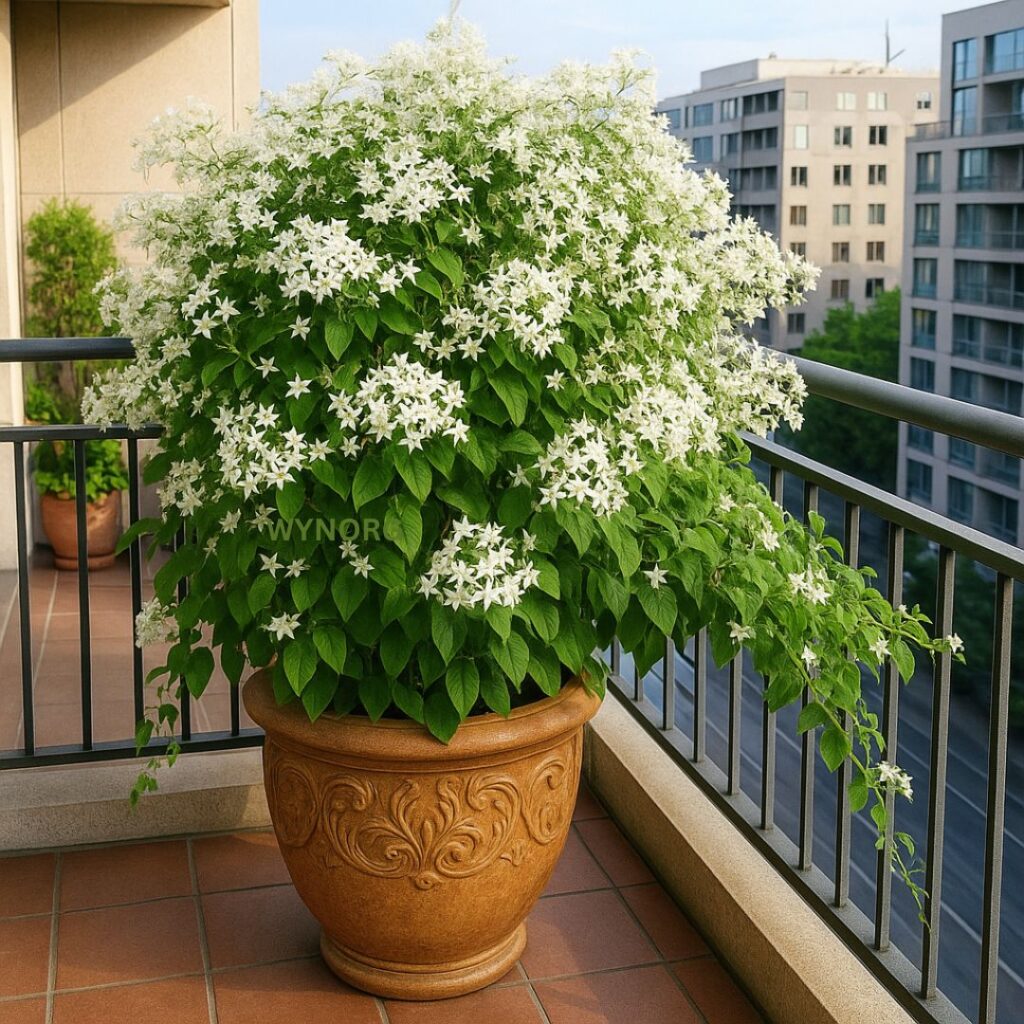
There’s a special charm about a cascade of green foliage transforming an ordinary space into a lush, private sanctuary. In Indian homes and gardens, the Curtain Creeper, with its graceful, drooping stems and vibrant leaves, has captured hearts for its unique ability to create stunning living green curtains. Imagine your balcony railing adorned with a natural, flowing screen, or a pergola draped in a shimmering curtain of silvery-green – this is the magic of the Curtain Creeper. It’s not just a plant; it’s a living architectural element that adds beauty, privacy, and a touch of serenity to any outdoor setting.
Whether you’re looking to enhance your garden’s aesthetic, create a natural privacy screen, or simply enjoy the beauty of cascading foliage, the Curtain Creeper is an excellent choice. Its relatively easy care and rapid growth make it a favorite among both novice and experienced gardeners across India. Plantrea is the online plant platform by Wynorg, a trusted Indian brand known for delivering healthy live plants safely across India, and we’re here to help you unlock the full potential of this magnificent climber.
Botanical Overview
The Curtain Creeper, scientifically known as Vernonia elaeagnifolia, is a fascinating member of the Asteraceae family, which is also home to daisies and sunflowers. This robust vine hails from Asia, particularly regions like India, Sri Lanka, and other parts of Southeast Asia, where it thrives in warm, tropical climates. As a vigorous climbing vine, its primary characteristic is its unique growth habit. While it needs initial support to establish itself, its long, slender stems eventually grow downwards, creating that distinctive drooping or cascading effect that gives it the name “Curtain Creeper.” It’s a perennial plant, meaning it lives for more than two years, providing long-lasting beauty and greenery.
Why People Love This Plant
The appeal of the Curtain Creeper extends far beyond its scientific classification. Gardeners and homeowners are drawn to this plant for several compelling reasons:
Appearance
- Foliage: The leaves are perhaps the star of the show. They are typically oblong or lance-shaped, with a beautiful silvery-green hue on the underside, which shimmers subtly in the breeze. The dense arrangement of these leaves along its long stems contributes to its curtain-like appearance.
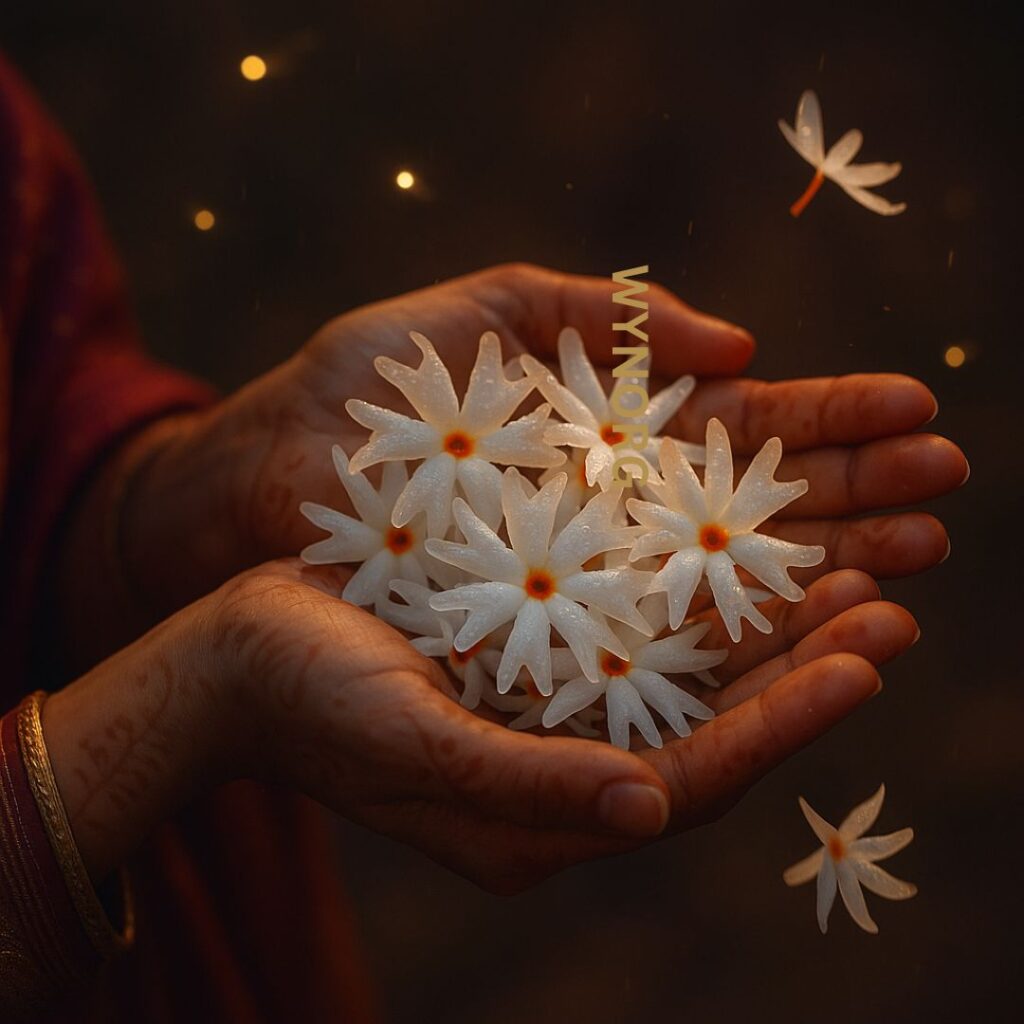
- Flowers: While primarily grown for its foliage, the Curtain Creeper does produce small, delicate white flowers. These tiny blooms often appear in clusters during the winter months, adding a charming contrast to the green foliage, though they are quite understated.
- Fragrance: The flowers carry a mild, pleasant fragrance, a subtle bonus to the plant’s visual appeal.
Decorative Value
Its natural drooping growth habit makes it incredibly versatile for decorative purposes:
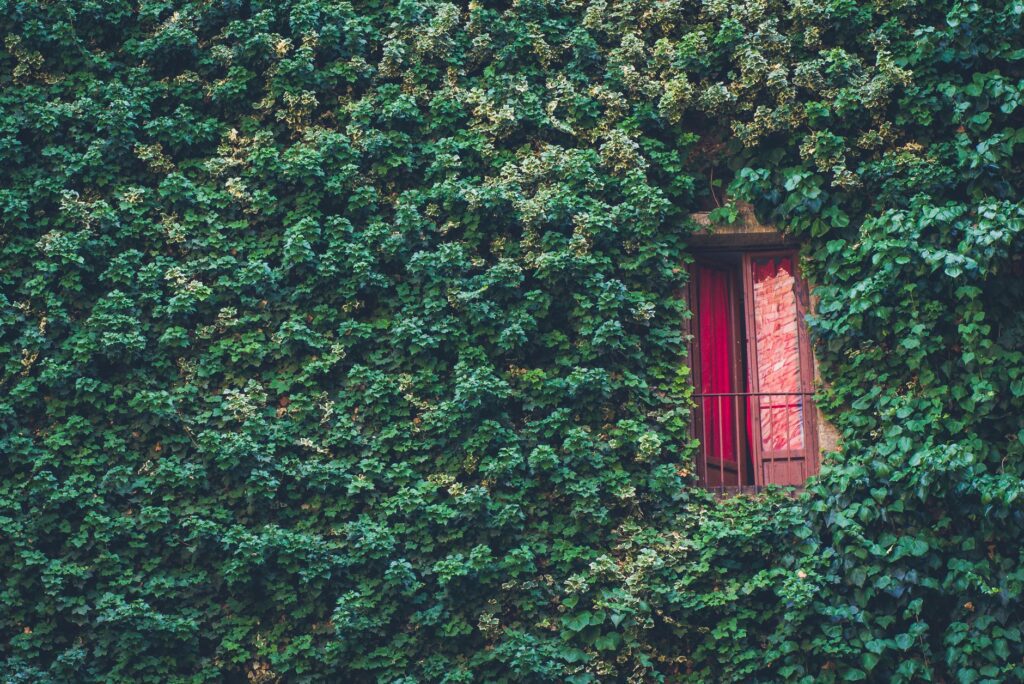
- Living Green Curtains: This is its most celebrated attribute. The Curtain Creeper excels at creating natural, flowing green walls or screens, offering both beauty and a sense of enclosure.
- Privacy Screen Plants: For urban dwellers or anyone seeking more seclusion, this plant acts as an effective, fast-growing privacy screen for balconies, patios, and garden boundaries.
- Pergolas and Arbours: It drapes beautifully over pergolas, arbours, and gazebos, providing cooling shade and a picturesque backdrop.
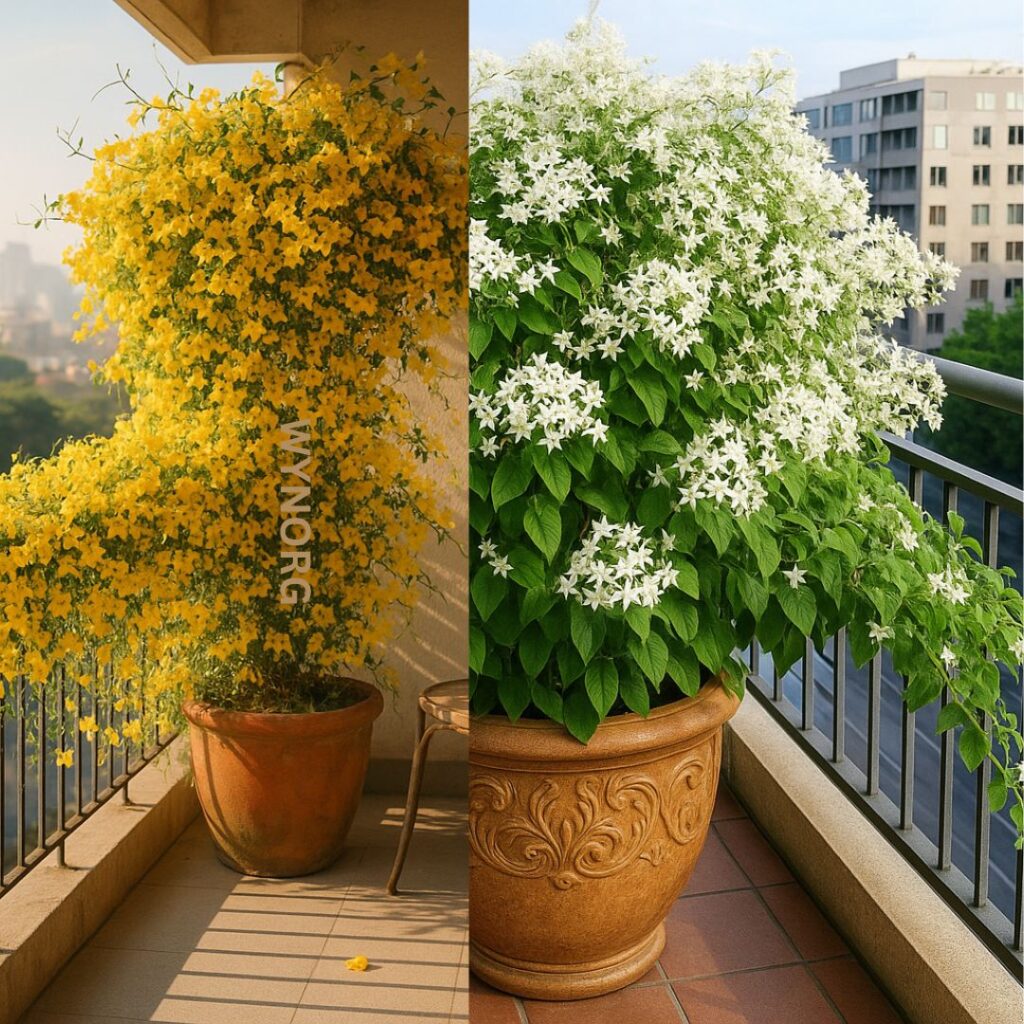
- Balcony Railings: Ideal for softening harsh architectural lines and adding a lush, tropical feel to balconies.
- Room Dividers: Can be trained on structures to create permeable, green room dividers in open outdoor spaces.
Growing Requirements
To ensure your Curtain Creeper flourishes and provides you with those desired living green curtains, understanding its basic needs is crucial. Fortunately, it’s an adaptable and relatively low-maintenance plant, making it perfect for Indian climatic conditions.
Light
The Curtain Creeper thrives in Full Sun. It needs at least 6 hours of direct sunlight per day to grow vigorously and produce dense foliage. While it can tolerate partial shade, too little sun will result in sparse growth and fewer flowers, diminishing its characteristic curtain effect.
Water
This plant prefers consistent moisture but is also quite drought-tolerant once established. Water your Curtain Creeper moderately, allowing the top inch or two of the soil to dry out completely between waterings. Overwatering can lead to root rot, especially in pots. During the hot Indian summers, you might need to water more frequently, while in winter, reduce the frequency.
Temperature
Being a tropical plant, Vernonia elaeagnifolia loves warmth. It performs best in temperatures typical of most Indian plains. While it can tolerate mild winters, extreme cold or frost can cause leaf fall and slow growth. In regions experiencing very harsh winters, some protection might be beneficial, though it generally bounces back quickly with warmer weather.
Humidity
The Curtain Creeper is quite adaptable to varying humidity levels found across India and doesn’t have specific high humidity requirements, unlike some other tropical plants.
Soil
A well-draining, fertile soil is ideal for the Curtain Creeper. It’s not overly fussy but avoids heavy, waterlogged soils. A neutral to slightly acidic pH is generally preferred.
Potting Mix
If growing in pots, use a high-quality, well-draining potting mix. A good general-purpose potting mix amended with some coco peat or perlite will work well to ensure proper drainage and aeration for the roots.
Fertilizer
To support its vigorous growth, feed your Curtain Creeper with a balanced liquid fertilizer every 4-6 weeks during the main growing season (spring and summer). Reduce or stop fertilizing during the cooler winter months when growth naturally slows down. Organic options like vermicompost or well-rotted cow dung manure can also be incorporated into the soil for sustained nutrition.
How to Care for This Plant
Caring for your Curtain Creeper is relatively straightforward, making it an excellent choice for beginner gardeners. Follow these practical steps to keep your plant healthy and beautiful:
- Initial Support: When your Curtain Creeper is young, it needs some guidance. Provide a trellis, stake, or string for the first 2-3 feet of growth to help it establish itself vertically. Once it reaches this height and gains some strength, its stems will naturally begin to droop and cascade downwards, forming the desired living curtain effect.
- Watering Schedule: Stick to a moderate watering schedule. Always check the soil moisture before watering. Insert your finger about an inch or two into the soil; if it feels dry, it’s time to water. Ensure that pots have drainage holes to prevent waterlogging.
- Pruning for Shape and Vigor: Regular pruning is essential for the Curtain Creeper. Without it, the plant can become overgrown and look messy, losing its aesthetic appeal. Prune to:
- Shape: Guide its growth to create the perfect curtain or screen.
- Control Size: Keep the plant within desired bounds, especially in smaller spaces like balconies.
- Encourage Bushiness: Trimming stimulates new growth, making the foliage denser and more lush.
- Remove Dead/Damaged Stems: Cut back any unhealthy or broken branches to maintain plant health.
The best time for significant pruning is usually after the flowering season or during early spring before new growth fully kicks in.
- Propagation: The Curtain Creeper is easy to propagate from stem cuttings. Take healthy cuttings about 6-8 inches long, remove the lower leaves, and plant them in a well-draining potting mix. Keep the soil consistently moist, and they should root within a few weeks. This is a great way to expand your collection or share with friends.
- Seasonal Care:
- Summer: Ensure adequate watering, possibly increasing frequency during peak heat.
- Monsoon: Good drainage is paramount to prevent root rot. Reduce supplemental watering if rainfall is heavy.
- Winter: Reduce watering as growth slows. In areas with very cold spells, consider temporary covering for young plants or those in exposed locations to prevent leaf drop, though established plants are quite hardy in most Indian climates.
Common Problems and Solutions
While the Curtain Creeper is generally a robust and easy-care plant, like all living things, it can encounter a few issues. Here are some common problems and their simple solutions:
- Leaf fall in extreme cold:
- Problem: In regions experiencing particularly harsh or prolonged cold snaps during winter, your Curtain Creeper might shed some leaves.
- Solution: This is often a natural response to stress. Ensure the plant is not overwatered during cold periods. For potted plants, move them to a more sheltered location. Established plants usually recover quickly once warmer weather returns in spring.
- Can look messy if untrimmed:
- Problem: Without regular pruning, the long stems can become tangled and the plant may lose its elegant, curtain-like appearance.
- Solution: Implement a regular pruning schedule. Trim back unruly stems to maintain shape, density, and overall neatness. Don’t be afraid to prune; it encourages healthier, bushier growth.
- Yellow leaves:
- Problem: Yellowing leaves can indicate overwatering, nutrient deficiency, or sometimes natural aging of lower leaves.
- Solution: Check your watering routine; ensure the soil dries out between waterings. If overwatering is ruled out, consider a balanced fertilizer application during the growing season. Ensure proper drainage in pots.
- Pests:
- Problem: While generally pest-resistant, occasional attacks by common garden pests like aphids, mealybugs, or spider mites can occur, especially on new growth.
- Solution: Regularly inspect your plant. For minor infestations, a strong spray of water can dislodge pests. For more persistent issues, use a neem oil solution or insecticidal soap, ensuring good coverage, especially on the undersides of leaves.
- Fungal diseases (e.g., powdery mildew):
- Problem: Fungal issues can arise in conditions of poor air circulation or prolonged humidity, appearing as white powdery patches on leaves.
- Solution: Ensure good air circulation around the plant. Prune dense growth to improve airflow. Water at the base of the plant to keep foliage dry. A fungicide can be used if the problem is severe.
- Slow growth or poor flowering:
- Problem: If your Curtain Creeper isn’t growing vigorously or flowering sparsely, it might not be receiving enough sunlight or nutrients.
- Solution: Ensure the plant receives full sun for at least 6 hours daily. Apply a balanced fertilizer regularly during the growing season. Check soil quality and ensure it’s not compacted.
Benefits
Beyond its aesthetic appeal and ease of care, the Curtain Creeper offers several practical benefits for your home and garden:
- Natural Privacy Screen: One of its primary advantages is its ability to quickly form a dense, natural barrier, offering privacy from neighbors or street views. It’s a beautiful alternative to fences or artificial screens.
- Creates Living Green Curtains: It excels at transforming mundane structures into vibrant, flowing green features, adding a unique architectural element to your outdoor spaces.
- Fast Growing: If you’re looking for quick coverage, this plant delivers. Its rapid growth rate means you won’t have to wait long to enjoy its full effect.
- Home Decoration: It adds a lush, tropical, and elegant touch to any outdoor area, enhancing the overall beauty and ambiance of your home.
- Balcony Gardening: Perfectly suited for balcony railings and trellises, it brings a refreshing green element to urban living spaces.
- Landscaping: Can be used effectively in various landscaping designs to define areas, cover unsightly walls, or create shaded spots.
Frequently Asked Questions
Does it need a trellis?
The Curtain Creeper only needs initial support for the first 2-3 feet of its growth. Once it establishes itself, its long stems will naturally begin to drape and hang downwards, creating the characteristic curtain effect without needing a full trellis along its entire length.
Is it evergreen?
Yes, in most Indian climates, the Curtain Creeper is evergreen. It retains its foliage throughout the year, providing continuous green beauty. However, in areas experiencing extreme cold spells, it might shed some leaves, but typically recovers with the return of warmer weather.
Can I grow it in a hanging basket?
Absolutely! The Curtain Creeper looks beautiful cascading from a hanging basket. Its long, silvery-green stems will gracefully trail over the sides, creating a stunning visual display. Just ensure the basket is large enough to accommodate its root system and provides good drainage.
Final Thoughts
The Curtain Creeper, or Vernonia elaeagnifolia, is more than just a plant; it’s an experience waiting to unfold in your garden. Its ease of care, rapid growth, and unparalleled ability to form elegant living green curtains make it an outstanding choice for anyone looking to add beauty, privacy, and a touch of nature’s artistry to their outdoor spaces. From a bustling city balcony to a sprawling garden pergola, this versatile climber promises to transform and enhance its surroundings with minimal fuss.
Embrace the joy of cultivating this magnificent vine and watch as it weaves its magic, creating tranquil havens and captivating focal points. Plantrea is the online plant platform from Wynorg, helping plant lovers across India discover quality plants, practical growing advice, and trusted nursery sourcing. We encourage you to explore more plant guides on Plantrea.com to continue your journey into the wonderful world of gardening.
Image by: Magic K
https://www.pexels.com/@magic-k-24827758