Garlic Vine – Natural Garlic Scent & Purple Flowers | Wynorg Nursery
There’s a special charm to plants that offer more than just beauty, and the Garlic Vine is a perfect example, especially beloved in Indian homes and gardens. This magnificent climber, with its striking purple blossoms and a distinctive garlic-like aroma, brings both aesthetic appeal and practical benefits. Whether it’s gracing a garden archway, adorning a balcony, or simply adding a unique touch to your outdoor space, the Garlic Vine (Mansoa alliacea) captivates with its dual personality. Its easy-care nature makes it a favourite among gardening enthusiasts, from beginners to seasoned plant parents.
At Plantrea, we understand the joy and satisfaction that comes from nurturing beautiful plants. Plantrea is the online plant platform by Wynorg, a trusted Indian brand known for delivering healthy live plants safely across India. We believe that everyone deserves to experience the magic of gardening, and sharing in-depth knowledge like this guide is part of our commitment to your green journey.
Botanical Overview
The Garlic Vine, scientifically known as Mansoa alliacea, is a fascinating member of the Bignoniaceae family, which also includes other popular flowering trees and vines like Trumpet Vines. Native to the tropical regions of South America, particularly Brazil, this plant has found a comfortable home in various warm climates around the world, including the diverse conditions found across India.
- Botanical Name: Mansoa alliacea
- Plant Family: Bignoniaceae
- Origin: Tropical South America (Brazil)
- Plant Type: Woody perennial climber, Medicinal Vine
- Growth Habit: A vigorous climber, the Garlic Vine can reach impressive heights of 10-15 feet, readily twining around any available support.
Why People Love This Plant
The allure of the Garlic Vine goes beyond its easy care. It’s a plant that engages multiple senses and offers a variety of benefits, making it a truly cherished addition to any garden.
Appearance
The visual appeal of the Garlic Vine is undeniable. Its lush green foliage provides a beautiful backdrop for its spectacular flowers, creating a vibrant display that can transform any garden space.
Flowers
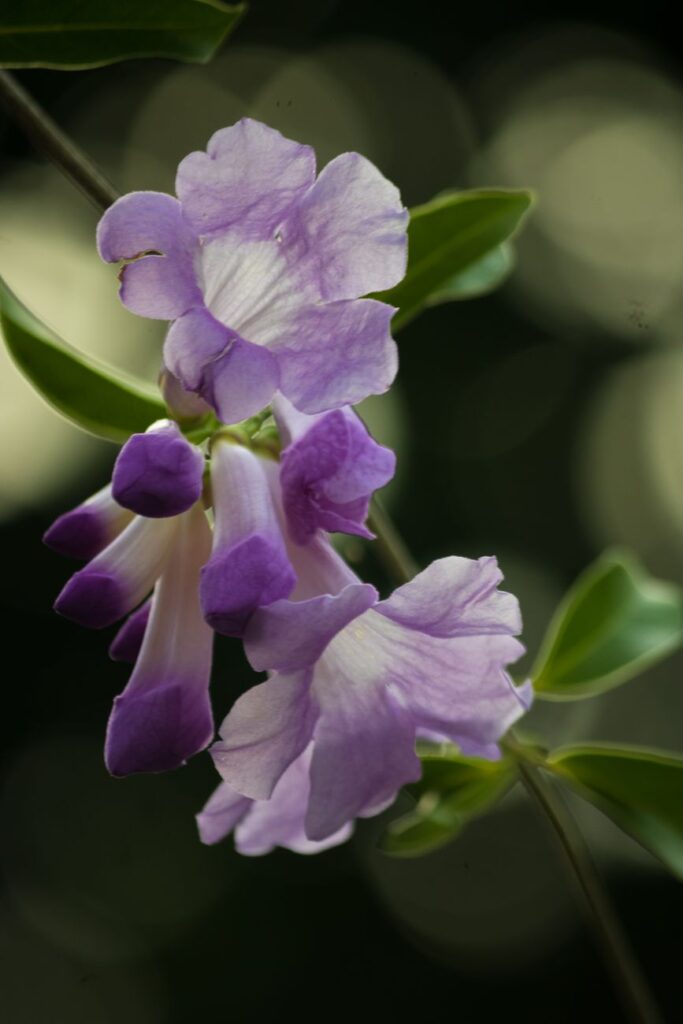
One of the most captivating features of the Garlic Vine is its prolific flowering. Throughout the spring to fall seasons, this plant bursts into a cascade of trumpet-shaped flowers. These blooms typically start as a deep lavender or purple, gradually fading to a lighter lavender, and sometimes even turning almost white before they drop. This colour transition creates a beautiful multi-toned effect on the vine, making it a truly eye-catching purple flowering vine. The flowers often appear in dense clusters, enhancing their visual impact.
Foliage
The leaves of the Garlic Vine are simple, elliptical, and dark green, providing a dense cover that is attractive even when the plant is not in bloom. However, the most distinctive characteristic of its foliage is the strong, unmistakable aroma of garlic that is released when the leaves are crushed. This unique feature is where the plant gets its common name and is a major reason for its popularity as a medicinal vine and culinary herb substitute.
Fragrance
As mentioned, the leaves emit a pungent garlic-like scent when bruised or crushed. This natural fragrance is not only interesting but also serves a practical purpose, which we’ll explore further in the benefits section.
Decorative Value
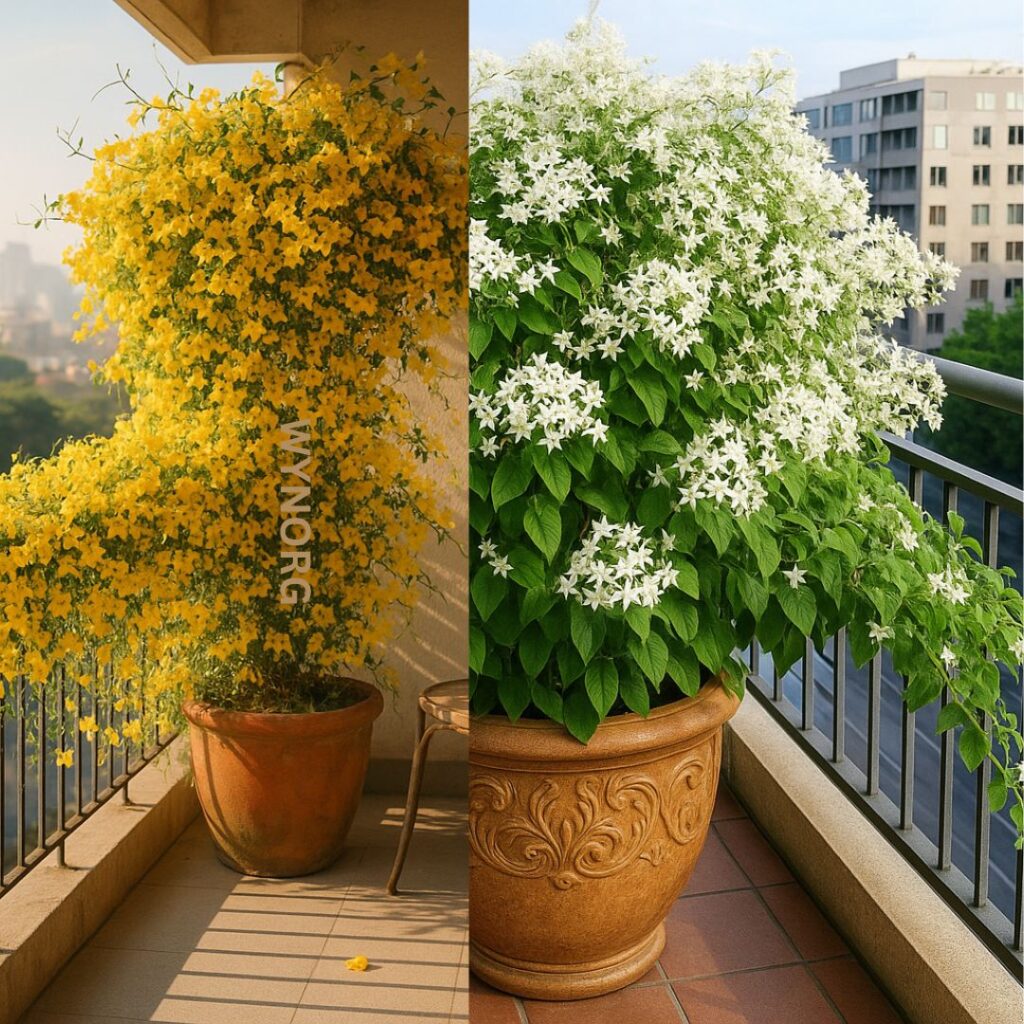
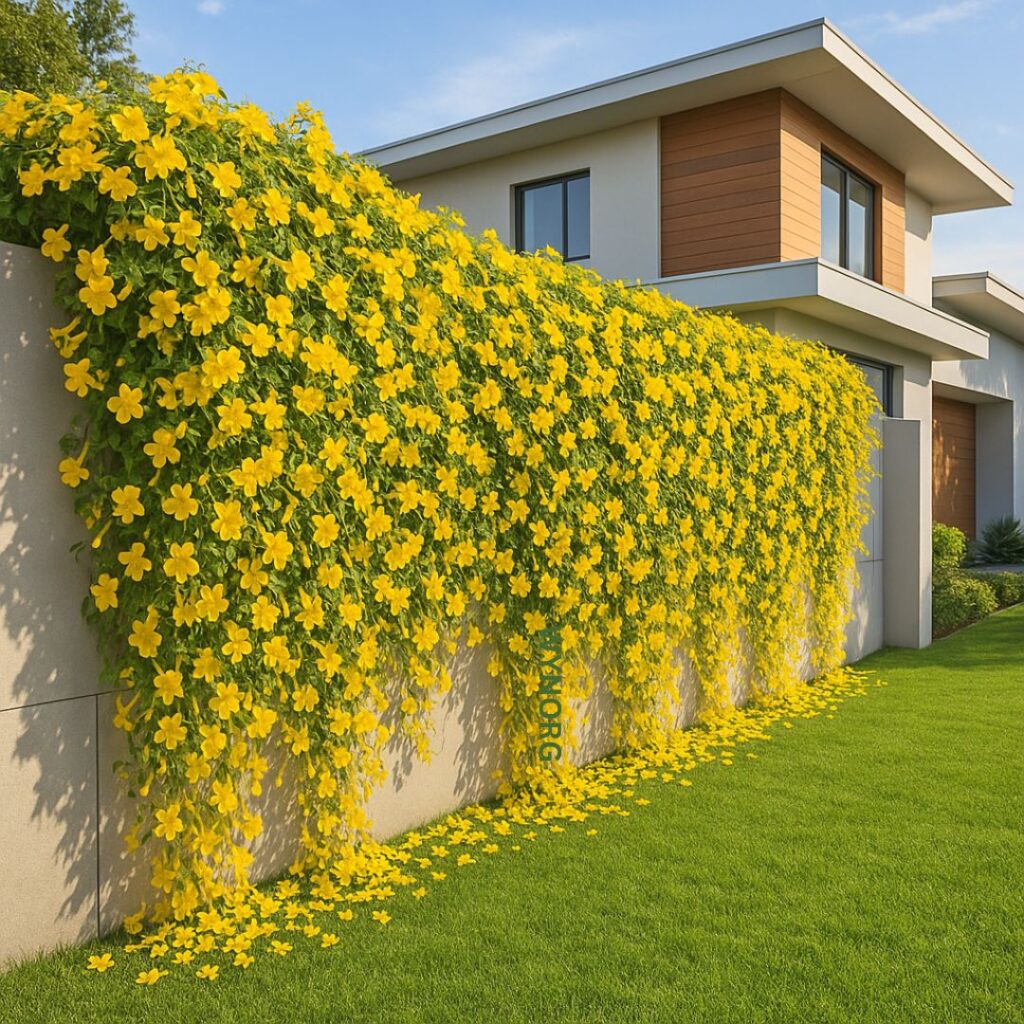
Given its vigorous climbing habit and beautiful flowers, the Garlic Vine is an excellent choice for decorative purposes. It can be trained to cover pergolas, arbours, fences, trellises, or even old walls, creating a stunning floral canopy. Its dense foliage and vibrant blooms add a touch of tropical elegance to any landscape or balcony garden.
Growing Requirements
To ensure your Garlic Vine thrives and produces an abundance of its beautiful flowers, understanding its basic growing requirements is key. Thankfully, it’s a relatively undemanding plant.
Light
For the best flowering display, the Garlic Vine requires full sun. This means at least 6-8 hours of direct sunlight per day. While it can tolerate partial shade, too little sun will result in sparse flowering and a less vigorous plant. In the intense Indian summer, morning sun with some afternoon shade can also work well, though full sun is generally preferred.
Water
The Garlic Vine prefers moderate watering. It likes consistently moist soil but absolutely hates waterlogging. During the hot Indian summer months, you might need to water it two to three times a week, ensuring the topsoil dries out slightly between waterings. In winter, reduce the frequency significantly, watering only when the soil feels dry to the touch. Always check the soil moisture before watering to avoid over or under-watering.
Temperature
Being a tropical plant, Mansoa alliacea thrives in warm temperatures typical of most parts of India. It prefers temperatures between 20°C and 35°C. While it can tolerate brief dips in temperature, prolonged exposure to cold (below 10°C) can cause stress, leading to yellowing leaves or even dieback in severe cases. In regions experiencing cooler winters, consider providing some protection.
Humidity
The Garlic Vine generally appreciates moderate to high humidity, which is often naturally present in many Indian climates. No special measures are usually needed to maintain humidity levels for this plant.
Soil
A well-draining, fertile soil is crucial for the healthy growth of the Garlic Vine. It adapts to a range of soil types but performs best in loamy soil rich in organic matter. Good drainage is paramount to prevent root rot, a common problem for many plants.
Potting Mix
If growing in a pot, choose a high-quality potting mix that offers good drainage and aeration. A mix specifically formulated for flowering plants or a general-purpose potting mix amended with some compost and perlite will work well. Ensure the pot has drainage holes.
Fertilizer
Feed your Garlic Vine during its active growing and flowering season (spring to fall). Use a balanced liquid fertilizer or a slow-release granular fertilizer once every 4-6 weeks. A fertilizer higher in phosphorus can encourage more abundant flowering. Reduce or stop fertilizing during the dormant winter months.
How to Care for This Plant
Caring for your Garlic Vine is a rewarding experience, especially when you see it burst into a profusion of lavender blooms. Here’s a step-by-step guide to keep your vine healthy and happy:
- Support Structure: As a vigorous climber, your Garlic Vine will need a sturdy support structure to grow on. This could be a trellis, an arbour, a fence, or even strong wires against a wall. Guide its young tendrils onto the support initially, and it will soon begin to twine on its own.
- Pruning: Regular pruning is essential for maintaining the shape, size, and vigour of your Garlic Vine, and to encourage more flowers. The best time to prune is after a flowering flush, typically in late fall or early winter. Remove any dead, damaged, or diseased branches. You can also prune to control its spread or to promote bushier growth. Hard pruning can be done every few years to rejuvenate an older plant.
- Watering Schedule: Stick to a moderate watering schedule. Feel the top inch or two of soil; if it’s dry, it’s time to water. Adjust frequency based on the season and local climate – more in summer, less in winter.
- Fertilization: Apply fertilizer during the growing season as described above. Always water the plant thoroughly before and after applying fertilizer to prevent root burn.
- Pest and Disease Check: While generally robust, always keep an eye out for any signs of pests or diseases. Early detection makes treatment much easier.
- Repotting (for potted plants): If growing in a container, the Garlic Vine will eventually become root-bound. Repot it into a slightly larger pot with fresh potting mix every 1-2 years, ideally in early spring before new growth begins.
- Winter Care: In colder parts of India, where temperatures might drop significantly, consider providing some winter protection. This could involve mulching the base of the plant heavily or, for potted plants, moving them to a more sheltered location.
Common Problems and Solutions
While the Garlic Vine is generally easy to care for, like all plants, it can face a few common issues. Here’s how to identify and address them:
- Yellow Leaves: This is a common symptom with several potential causes.
- Cold Stress: In colder regions, leaves may turn yellow and drop if temperatures are too low. Provide winter protection or move potted plants to a sheltered spot.
- Overwatering: Excessive watering can lead to root rot, which manifests as yellowing leaves. Ensure good drainage and allow the soil to dry out slightly between waterings.
- Nutrient Deficiency: A lack of essential nutrients, particularly nitrogen, can cause yellowing. Apply a balanced fertilizer during the growing season.
- Pests: The Garlic Vine’s leaves act as a natural pest repellent due to their scent, which deters many insects. However, it can still occasionally be affected by common garden pests like aphids, mealybugs, or spider mites.
- Solution: For minor infestations, a strong spray of water can dislodge pests. For more persistent issues, use neem oil spray, a natural and effective organic pesticide, especially for medicinal plants India.
- Fungal Diseases: These are usually a result of poor air circulation and excessive humidity, often combined with overwatering.
- Solution: Ensure adequate spacing for good air circulation, prune for better light penetration, and water at the base of the plant to keep foliage dry. In severe cases, use an appropriate fungicide.
- Root Rot: This is almost always caused by consistently waterlogged soil.
- Solution: Improve drainage by amending heavy soil with organic matter or perlite. Ensure pots have drainage holes. Water only when the soil has dried out to some extent.
- Poor Flowering: If your Garlic Vine isn’t blooming as profusely as you’d like, consider these factors:
- Lack of Sunlight: The most common reason for minimal flowering in shade. Move the plant to a spot with full sun.
- Insufficient Nutrients: A lack of phosphorus can hinder flowering. Use a fertilizer with a higher phosphorus content during the blooming season.
- Incorrect Pruning: Pruning at the wrong time (e.g., just before the flowering season) can remove flower buds. Prune after the main flowering flush.
- Slow Growth: This can be due to poor soil, insufficient light, lack of nutrients, or improper watering.
- Solution: Review all growing requirements and adjust as needed. Ensure fertile soil, adequate sunlight, and a consistent watering and fertilizing regimen.
Benefits
The Garlic Vine is not just a beautiful purple flowering vine; it’s a powerhouse of benefits that make it an invaluable asset to any garden, especially in Indian conditions.
- Home Decoration: Its stunning lavender flowers and lush foliage make it an ideal choice for enhancing the aesthetic appeal of your home and garden. It’s perfect for covering unattractive walls, creating a vibrant focal point, or adding a touch of romance to pergolas and arbours.
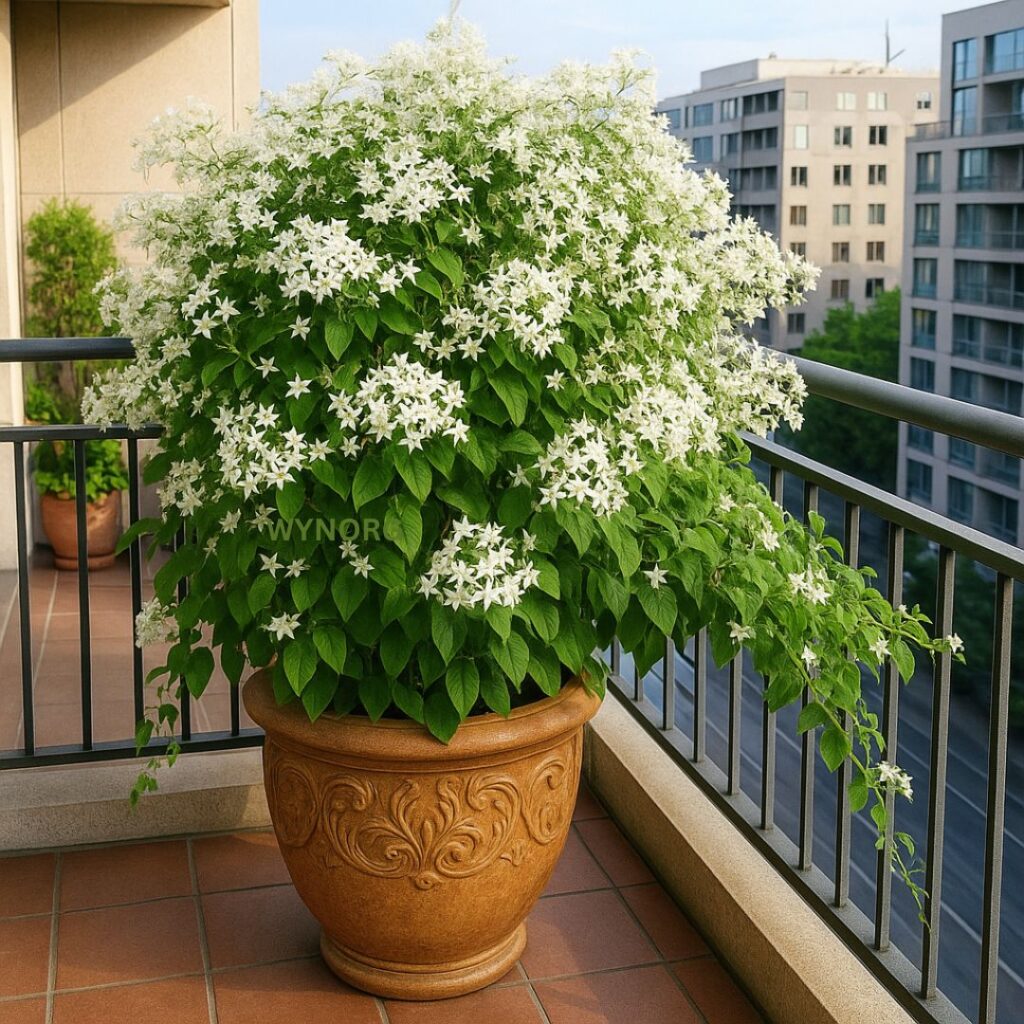
- Balcony Gardening: For those with limited space, the Garlic Vine can be successfully grown in large containers on balconies, provided it receives sufficient sunlight and a sturdy support to climb.
- Landscaping: In larger gardens, it serves as an excellent landscaping element, adding vertical interest and a burst of colour to garden beds, along pathways, or as a living screen.
- Pollinator Friendly: The beautiful trumpet-shaped flowers are a magnet for various pollinators, including bees and butterflies. By planting a Garlic Vine, you’re not only beautifying your garden but also supporting local ecosystems and biodiversity, which is crucial for overall garden health.
- Natural Pest Repellent: This is one of its most celebrated practical benefits. The strong garlic scent released by the leaves acts as a natural pest repellent for many common garden insects. This makes it an excellent companion plant for vegetable gardens, where it can help protect crops without the need for chemical pesticides, aligning with organic gardening practices. Many gardeners plant it near vegetables to keep unwanted critters away. It is believed to repel mosquitoes and other nuisance insects.
- Garlic Substitute for Cooking: The leaves of the Garlic Vine can be used as a mild garlic substitute in cooking. They impart a subtle garlic flavour to dishes, making them a unique ingredient for those who enjoy experimenting with fresh, aromatic leaves from their garden.
- Aromatic Leaves: Beyond culinary use, the pleasant, earthy garlic aroma of the leaves can be enjoyed by simply crushing them, adding a unique sensory experience to your garden. This makes it one of the interesting medicinal plants India has to offer, even if primarily used as an aromatic herb.
Frequently Asked Questions
Can I eat the leaves of the Garlic Vine?
Yes, the leaves of the Garlic Vine can be eaten. They are commonly used as a natural and mild garlic substitute in various dishes, particularly in regions where the plant is native or cultivated. Just crush them and add to your favourite recipes.
Does the Garlic Vine repel mosquitoes?
Yes, the strong garlic-like scent emitted by the leaves of the Garlic Vine is known to repel various insects, including mosquitoes. Planting it near your patio or seating areas can help deter these pests naturally.
How often should I water my Garlic Vine?
During the hot Indian summer months, you should generally water your Garlic Vine twice weekly. However, always check the soil moisture first; ensure the top inch or two of soil has dried out before watering again. In cooler months, reduce watering frequency considerably.
Final Thoughts
The Garlic Vine is a truly exceptional plant, offering a delightful blend of ornamental beauty, intriguing fragrance, and practical benefits. Its ease of cultivation, coupled with its ability to deter pests and serve as a culinary herb, makes it a valuable addition to any Indian garden. Whether you’re a seasoned gardener looking for a unique climber or a beginner seeking an undemanding yet rewarding plant, the Garlic Vine is sure to bring joy and vibrancy to your outdoor space.
Embracing the world of plants is a journey of discovery and connection with nature. We hope this guide has inspired you to welcome the magnificent Garlic Vine into your garden. Plantrea is the online plant platform from Wynorg, helping plant lovers across India discover quality plants, practical growing advice, and trusted nursery sourcing. Explore more plant guides on Plantrea to enrich your gardening knowledge and find your next green companion.
Image by: Gokul Mohan
https://www.pexels.com/@gokul-mohan-3043412