Wall Creeper Plant – Self-Clinging Vine for Walls | Wynorg Nursery
There’s something truly captivating about a lush green wall, transforming a plain facade into a living tapestry. In Indian homes and gardens, the Wall Creeper (Parthenocissus himalayana) is a beloved choice for achieving this very effect. This remarkable plant effortlessly adorns external walls, pillars, and boundary walls, offering a natural charm and a touch of green elegance. Its ability to cling without external support makes it a favorite among gardeners looking for a low-maintenance yet high-impact vertical garden solution.
Whether you’re a seasoned gardener or just starting your green journey, understanding the needs of your plants is key to their success. At Plantrea, the online plant platform by Wynorg, a trusted Indian brand known for delivering healthy live plants safely across India, we’re dedicated to bringing you comprehensive plant care knowledge to help your garden thrive. Let’s delve into the world of the Wall Creeper and discover how this incredible plant can elevate your home’s aesthetics.
Botanical Overview
The Wall Creeper, scientifically known as Parthenocissus himalayana, is a fascinating member of the plant kingdom. Understanding its botanical background helps us appreciate its unique characteristics and how to best care for it.
- Botanical Name: Parthenocissus himalayana
- Plant Family: Vitaceae (the grape family). This family is known for its many climbing plants, and the Wall Creeper is no exception.
- Origin: As its name suggests, this particular species is native to the Himalayan region, which speaks to its adaptability to varying conditions, including those found in many parts of India.
- Plant Type: Climber/Vine. It’s specifically a foliage vine, prized more for its lush leaves than its flowers.
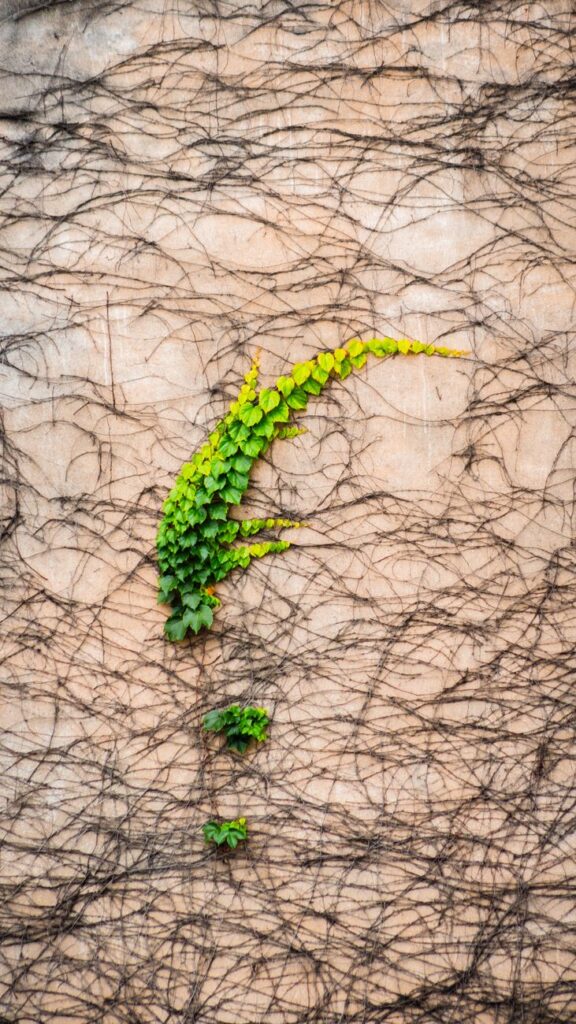
- Growth Habit: Self-clinging. This is perhaps its most distinguishing feature. The Wall Creeper employs special adhesive pads or disc-like structures at the tips of its tendrils, allowing it to firmly attach itself to surfaces without the need for wires, trellises, or other artificial supports. It simply finds its own way up.
Why People Love This Plant
The Wall Creeper isn’t just another vine; it’s a living architectural element that brings numerous benefits and aesthetic appeal to any space. Its unique growth habit and seasonal display make it a popular choice across India.
Appearance
The foliage of the Wall Creeper is its crowning glory. Its leaves are typically lobed, resembling those of a grape vine, and grow densely, creating a thick, verdant cover. Throughout the spring and summer, the plant boasts a vibrant green, bringing a refreshing coolness to walls. What truly sets it apart, however, is its spectacular autumn transformation. Before shedding its leaves for winter, the Wall Creeper’s foliage erupts into brilliant shades of red, orange, and even purple, creating a stunning seasonal display that adds dramatic flair to any building.
Flowers
While primarily grown for its foliage, the Wall Creeper does produce small, inconspicuous green flowers during the summer months. These flowers are not particularly showy and are often hidden by the dense leaves, but they play a vital role in the plant’s life cycle, eventually leading to small, dark berries.
Foliage
Beyond its seasonal colour change, the dense foliage of the Wall Creeper provides an unparalleled green cover. It softens harsh architectural lines, adds texture to plain surfaces, and creates a sense of natural integration between buildings and their surroundings. The sheer volume of leaves makes it an excellent choice for achieving a full, vibrant green wall.
Fragrance
The Wall Creeper is not known for any significant fragrance. Its appeal lies firmly in its visual impact rather than its scent.
Decorative Value
The decorative value of the Wall Creeper is immense. It transforms drab walls into living works of art. Imagine a sun-drenched facade covered in a rich green during summer, then bursting into fiery reds and oranges in autumn – it’s a dynamic, ever-changing spectacle. For vertical gardens, it’s a dream come true, offering natural coverage without the need for complex support structures. It’s perfect for external walls, garden sheds, boundary walls, and even large pillars, adding a touch of rustic elegance and natural beauty.
Growing Requirements
To ensure your Wall Creeper thrives and provides years of beauty, understanding its basic growing requirements is essential. This self-clinging climber is relatively easy to care for, making it suitable for beginners and busy gardeners alike.
Light
The Wall Creeper prefers partial sun. This means it appreciates a few hours of direct sunlight each day, ideally morning sun, but benefits from some shade during the intense afternoon heat, especially in the hotter parts of India. While it can tolerate full sun, too much intense, unfiltered afternoon sun can sometimes scorch the leaves, especially when the plant is young. In shadier locations, it will still grow, but its growth might be less vigorous, and the autumn colour display may not be as vibrant.
Water
Moderate watering is key for the Wall Creeper. During its first year after planting, regular watering is crucial to help the plant establish a strong root system. Keep the soil consistently moist but not waterlogged. Once established, the Wall Creeper becomes quite tolerant of brief dry periods. However, during long dry spells, especially in Indian summers, it’s wise to water deeply a couple of times a week. Always check the soil moisture before watering; the top few inches should feel dry to the touch.
Temperature
Given its Himalayan origins, Parthenocissus himalayana is quite hardy. It tolerates a wide range of temperatures, from the warm summers to the cooler winters experienced in many parts of India. It can withstand mild frosts, though in very cold climates, it is deciduous and will lose its leaves in winter. In warmer Indian regions, it might retain its leaves for longer, or for the most part of the year, behaving almost semi-evergreen.
Humidity
This plant is not particularly fussy about humidity levels. It adapts well to the natural humidity variations found across India. High humidity generally doesn’t pose a problem, and it tolerates average to slightly lower humidity without issue.
Soil
The Wall Creeper is quite adaptable when it comes to soil. It thrives in well-draining soil that is moderately fertile. A good garden soil enriched with some organic matter is usually sufficient. Avoid heavy, compacted soils that retain too much water, as this can lead to root problems. A slightly acidic to neutral pH is generally preferred.
Potting Mix
While typically grown directly in the ground to cover large surfaces, if you’re starting a Wall Creeper in a pot before transplanting, use a good quality, well-draining potting mix. A mix designed for outdoor plants, often containing peat, perlite, and compost, would be suitable. Ensure the pot has ample drainage holes.
Fertilizer
The Wall Creeper is not a heavy feeder. For established plants in good garden soil, annual fertilization is often sufficient. A balanced, all-purpose granular fertilizer applied in early spring can promote healthy growth. Alternatively, a layer of well-rotted compost around the base of the plant can provide a slow release of nutrients and improve soil structure. Avoid over-fertilizing, as this can lead to excessive leafy growth at the expense of strength, and can also harm the soil microbes.
How to Care for This Plant
Caring for your Wall Creeper (Parthenocissus himalayana) is relatively straightforward, especially once it’s established. Its self-clinging nature means less fuss than many other climbers, but a few key practices will ensure it flourishes.
1. Planting: When planting, choose a spot where its growth will be welcomed. Dig a hole twice as wide as the root ball and just as deep. Place the plant, backfill with soil, and water thoroughly. If planting against a wall, ensure it’s close enough for the tendrils to reach the surface, but not so close that it’s suffocated.
2. Initial Watering and Establishment: For the first year, regular and consistent watering is paramount. This helps the plant develop a strong, deep root system. Keep the soil consistently moist, especially during dry spells, but never waterlogged. Once established, its water needs will be more moderate, but still monitor during hot, dry Indian summers.
3. Pruning for Control: The Wall Creeper is a vigorous grower, often reaching 30-40 feet in height and spreading rapidly (5-10 feet per year). Pruning is essential to control its spread and maintain its desired shape.
- When to Prune: The best time for major pruning is late winter or early spring, just before new growth begins. Light maintenance pruning can be done throughout the growing season.
- What to Prune: Remove any stems growing into unwanted areas (like windows, gutters, or under roof tiles). Trim back excessive growth to keep the plant contained. Dead, damaged, or diseased branches should also be removed.
- Technique: Use sharp, clean pruning shears. Make cuts just above a leaf node or a side branch to encourage bushier growth in the desired direction.
4. Supporting Initial Growth: While it is a self-clinging climber, sometimes a young Wall Creeper might need a little initial guidance to find the surface you want it to cover. You can gently train a few stems towards the wall or use temporary ties until the adhesive pads begin to take hold.
5. Seasonal Care:
- Summer: Ensure adequate watering during peak heat. Monitor for pests (see common problems).
- Autumn: Enjoy the spectacular foliage colour change. Continue moderate watering until the plant enters dormancy (if applicable to your climate).
- Winter: In colder regions, the plant will lose its leaves. Reduce watering significantly. In warmer, frost-free regions, it might retain some leaves. This is the ideal time for major structural pruning.
- Spring: As new growth emerges, you can apply a balanced fertilizer. Increase watering as temperatures rise.
Common Problems and Solutions
While the Wall Creeper is generally a robust and low-maintenance plant, like all living things, it can encounter a few issues. Being aware of these and knowing how to address them can save you a lot of trouble.
- Can Damage Painted Walls / Lift Loose Plaster: This is an important consideration. While Wall Creeper is generally safe on solid brick and concrete, its strong adhesive pads can cause damage to painted surfaces or lift loose, flaky plaster as it grows and expands.
- Solution: Avoid planting it directly on newly painted walls or walls with loose plaster. If it’s already growing on such a surface, consider pruning it back regularly to prevent it from reaching problem areas, or be prepared for periodic wall maintenance.
- Pests: Although relatively pest-resistant, the dense foliage of the Wall Creeper can sometimes harbour common garden pests, especially if the plant is stressed or in an overly shaded area.
- Common Pests: Aphids, spider mites, and scale insects are the most likely culprits.
- Solution:
- Aphids & Spider Mites: A strong spray of water can dislodge many of them. For more persistent infestations, use neem oil spray, an organic pesticide widely available in India. Apply in the cooler parts of the day.
- Scale Insects: These can be harder to remove. Prune heavily infested stems. For smaller infestations, dab them with an alcohol-soaked cotton swab. Neem oil can also be effective.
- Fungal Diseases: Poor air circulation within dense foliage or prolonged dampness can sometimes lead to fungal issues like powdery mildew.
- Solution: Ensure good air circulation by regular pruning. Water the base of the plant rather than overhead, especially in humid conditions. For existing fungal issues, an organic fungicide or a homemade baking soda solution (1 teaspoon baking soda in 1 litre of water with a few drops of dish soap) can be sprayed.
- Slow Growth or Poor Establishment: If your young Wall Creeper isn’t growing as expected.
- Solution: Check for adequate sunlight (it prefers partial sun). Ensure consistent watering during the first year for root establishment. Verify that the soil is well-draining and not too compacted.
Benefits
Beyond its sheer beauty, the Wall Creeper (Parthenocissus himalayana) offers a range of practical benefits that make it an excellent addition to Indian homes and gardens.
- Home Decoration: It’s an unparalleled choice for enhancing the aesthetic appeal of any building. It transforms plain, uninspiring walls into vibrant, living features, adding a rustic charm and sophisticated touch. Its spectacular autumn colours further elevate its decorative value.
- Vertical Gardening: For those who dream of a vertical garden but lack the space or desire for complex trellises, the Wall Creeper is a perfect solution. As a self-clinging climber, it naturally scales walls, making vertical gardening effortless.
- Natural Wall Cooling: One of its most significant benefits, especially in India’s warm climate, is its ability to naturally cool walls. The dense foliage acts as an insulating layer, absorbing sunlight and reducing the amount of heat that penetrates the building’s exterior. This can lead to a noticeable reduction in indoor temperatures and potentially lower energy consumption for cooling.
- Landscaping: The Wall Creeper is an excellent landscaping choice for covering large, otherwise uninteresting surfaces. It can be used to hide unsightly walls, fences, or garden structures, creating a seamless, green backdrop that integrates well with other plants in your garden design.
- Pollinator Friendly: While its flowers are not showy, they do provide a small source of nectar for local pollinators like bees and other beneficial insects, contributing to the biodiversity of your garden ecosystem.
Frequently Asked Questions
Will it damage brick walls?
The Wall Creeper is generally safe on solid brick walls. Its adhesive pads grip the surface but typically do not cause structural damage to well-maintained brickwork. However, it may lift loose plaster or cause issues on painted surfaces where the paint is already peeling or not firmly adhered.
Is it evergreen?
In colder climates, the Wall Creeper is deciduous, meaning it loses its leaves in autumn and remains bare through winter, putting on a spectacular red display before leaf fall. In warmer Indian climates, it might behave as semi-evergreen, retaining some leaves for a longer period or even year-round if the winter is very mild, but generally, expect some leaf drop.
How fast does it grow?
The Wall Creeper is a very fast-growing vine. Under ideal conditions, it can grow approximately 5-10 feet per year. This rapid growth rate means it can quickly cover large areas, making it an excellent choice for gardeners who want to achieve a lush, green wall relatively quickly. Regular pruning is essential to manage its vigorous spread.
Final Thoughts
The Wall Creeper (Parthenocissus himalayana) is a truly remarkable plant that offers a unique combination of aesthetic appeal and practical benefits. Its self-clinging nature, vibrant foliage, and striking autumn colours make it an ideal choice for enhancing external walls, providing natural cooling, and creating stunning vertical gardens across India. With its easy care requirements and vigorous growth, it’s a rewarding plant for both novice and experienced gardeners.
Embracing the Wall Creeper means inviting a piece of living architecture into your space, one that changes with the seasons and adds undeniable character. For more comprehensive plant guides and to explore a wide variety of healthy live plants perfect for your Indian garden, visit Plantrea. Plantrea is the online plant platform from Wynorg, helping plant lovers across India discover quality plants, practical growing advice, and trusted nursery sourcing. Happy gardening!
Image by: Bruno Henrique
https://www.pexels.com/@bruno-henrique-1595599448