
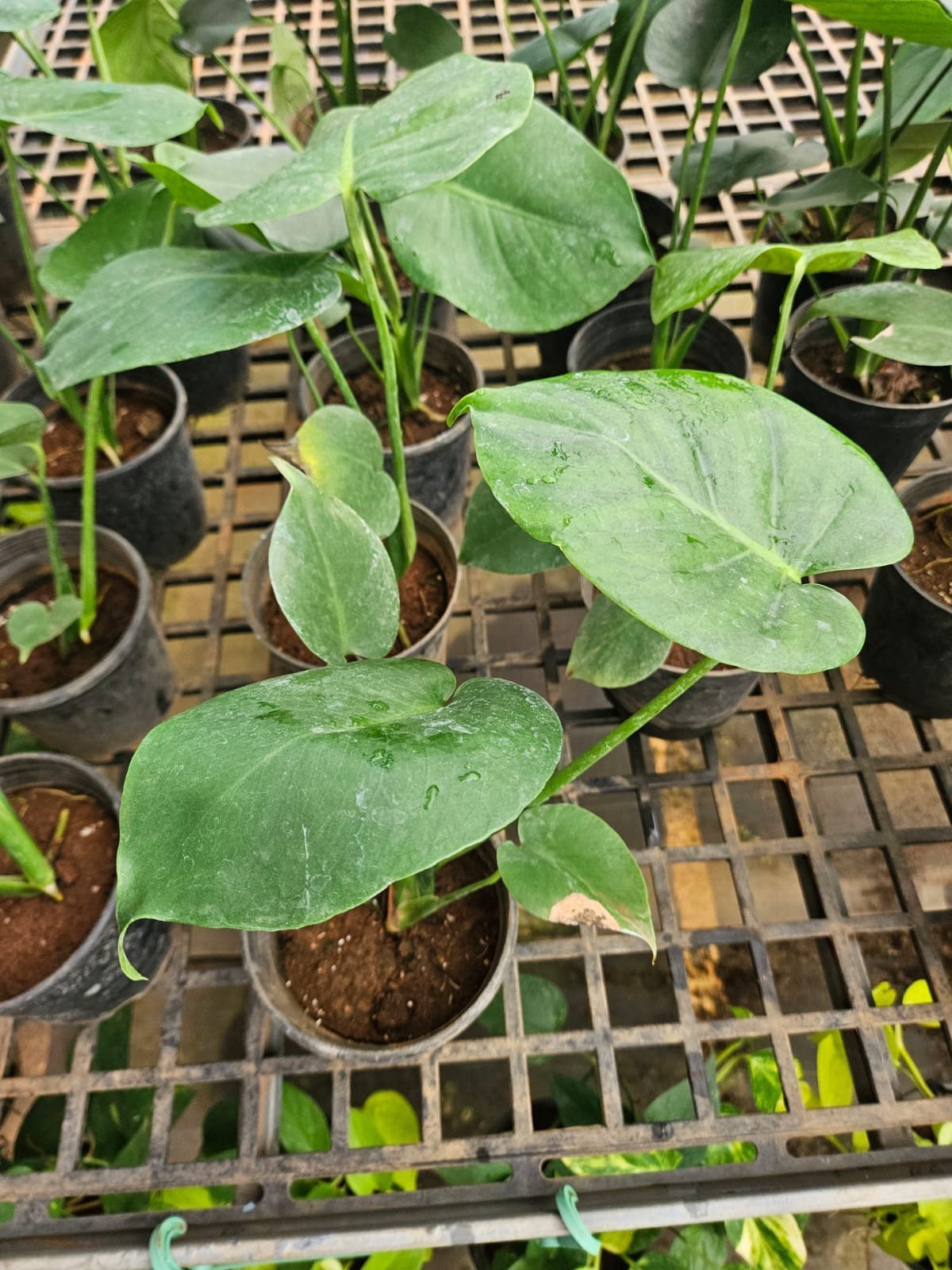
Monstera deliciosa, famously known as the Swiss Cheese Plant, is a magnificent tropical perennial celebrated for its large, glossy, heart-shaped leaves that develop iconic natural splits and holes (fenestrations) as they mature. Native to tropical rainforests, this vining plant brings a lush, exotic elegance, transforming any indoor space into a vibrant green sanctuary.
Benefits:
Highly aesthetic appeal, significant air-purifying capabilities, creates a captivating tropical ambiance, relatively low maintenance once established, and serves as a striking statement piece in home or office decor.
Care Instructions:
Light: Place in bright, indirect sunlight. Direct afternoon sun can scorch the leaves, especially in hot Indian summers. Watering: Water thoroughly when the top 2-3 inches of soil feel dry. Ensure excellent drainage to prevent root rot. Reduce watering during cooler months. Humidity: Thrives in high humidity (50-70%). Regularly mist, use a pebble tray, or place near a humidifier, particularly in dry Indian regions. Soil: Use a well-draining, airy potting mix rich in organic matter, ideal for aroids (e.g., coco peat, perlite, pine bark, compost). Fertilizing: Feed with a balanced liquid fertilizer every 2-4 weeks during the growing season (spring and summer). Reduce or cease feeding in fall and winter. Pruning: Prune to manage size, shape, and to remove any yellowing or damaged leaves. Support: As it grows, provide a moss pole or trellis for its climbing habit. Repotting: Repot every 1-2 years or when the plant becomes root-bound, ideally in spring.
Ideal For:
Living rooms, offices, large bathrooms, plant enthusiasts, those seeking a tropical aesthetic, adding a dramatic statement piece to interior decor, and beginner plant parents looking to expand their collection.
Common Problems:
Yellowing leaves often indicate overwatering or nutrient deficiency. Browning leaf tips/edges are usually a sign of low humidity or underwatering. Lack of fenestrations can be due to insufficient light, immaturity, or nutrient deficiency. Susceptible to common pests like spider mites, mealybugs, and scale insects; inspect regularly. Root rot is a risk with waterlogged soil and poor drainage.


Reviews
There are no reviews yet.