Climbers

image

The Golden Wall: How to Plant and Care for Cat’s Claw Creeper (Macfadyena unguis-cati)

Care for Cat’s Claw There’s something magical about seeing a wall covered in yellow flowers. It’s as if sunlight decided to rest for a while, right in your garden.That’s exactly what the Cat’s Claw Creeper brings — a living curtain of gold that breathes life into plain walls, balconies, and gates. The Cat’s Claw at Wynorg , can turn the the bare compound wall into a glowing wall of flowers. And what’s best? It thrives almost anywhere — from Wayanad to West Bengal, Delhi to Chennai, and even on sun-soaked balconies in bustling cities. If you’ve just received your Cat’s Claw plant, here’s your simple guide to help it settle, grow, and flourish — just like ours. 🌱 Step 1: Unpack, Observe, and Let It Breathe When your plant arrives, it might look a bit tired from the journey. That’s completely normal — imagine traveling hundreds of kilometers in a dark box!Remove it gently from the package and place it in a shaded spot with indirect light for a day or two. Give it a light watering — just enough to moisten the soil, not drench it. If you’re in West Bengal or the eastern region, where humidity stays high, the plant will bounce back fast. You’ll notice new leaves within a week — that’s your sign that it’s ready for planting. 🪴 Step 2: Preparing the Right Home (Soil & Pot) Cat’s Claw isn’t fussy, but it appreciates a good foundation. Think of it as building a house for your plant. For Ground Planting: For Balcony or Pots: Once planted, water it gently. Don’t rush to feed fertilizer yet — let it adjust for the first two weeks. ☀️ Step 3: Sunlight — The Secret Ingredient This plant loves the sun like poets love rain.If you want those golden blooms to cover your wall, give it at least 5 to 6 hours of direct sunlight daily. In semi-shaded balconies, it will still grow, but flowering may be slower. For homes in Delhi NCR or North India, where winters get colder, try placing the pot in the sunniest part of your garden or terrace. Cat’s Claw is a survivor — it may lose a few leaves in winter, but it will return strong in spring. 💧 Step 4: Watering and Feeding For the first two weeks, water daily. This helps the roots settle and form a bond with the soil.After that, 2–3 times a week is enough, depending on your local climate. Once a month, mix in some organic compost or seaweed fertilizer to keep the growth lush and healthy. Avoid chemical fertilizers — Cat’s Claw thrives naturally with minimal care. ✂️ Step 5: Training & Pruning In a few months, you’ll notice long green shoots reaching out in all directions — that’s when the fun begins.Guide those stems gently toward the wall or trellis. You can use soft ties or garden clips to support them initially. Within weeks, the plant’s natural tendrils (which resemble tiny claws — hence the name) will grip onto the wall and climb effortlessly. If you want a neat, full look, trim the ends once in a while. Regular pruning also encourages more branching and flowers. It’s like giving your creeper a little haircut to make it bloom better. 🌼 Step 6: Flowering Time — The Golden Reward Come early summer, Cat’s Claw explodes into color.Dozens of yellow trumpet flowers open every morning, glowing against the green foliage. The wall looks alive — a soft hum of bees and butterflies fill the air. This is the moment when you realize it was all worth it — the careful watering, the support ties, the waiting. The blooms usually last for several weeks, especially if your plant receives good sunlight and isn’t overwatered. 🌿 Step 7: Companions that Compliment Cat’s Claw looks even better when paired with other flowering vines and creepers. Here are some perfect plant combos you can try: Together, these create a living art wall — a cascade of colors, textures, and scents through every season. 💚 Step 8: Common Questions Q: How often should I repot Cat’s Claw?A: Every 2 years, or when roots start circling inside the pot. Q: Does it attract pests?A: Rarely. Still, spraying neem oil once a month keeps it pest-free naturally. Q: Can I grow it indoors?A: Only near a very bright window or balcony with strong sunlight. It’s happier outdoors. 🌸 Step 9: Care Summary Need Requirement Sunlight 5–6 hours of direct sun Watering 2–3 times per week Fertilizer Organic compost monthly Pruning Light trimming every 2 months Bloom Season Summer to early monsoon Suitable For Walls, gates, terraces, balconies 🌻 Final Thoughts Every garden needs one plant that tells a story — the Cat’s Claw is that storyteller. It reminds you how something small and fragile can grow into something spectacular with a little care and sunlight. For gardeners in West Bengal, Delhi NCR, and across India, this is one of the easiest and most rewarding creepers to grow. Once established, it needs very little care but gives you endless beauty in return. If you want to learn more about planting, care, and companion combinations, visit our Blog Section at Plantrea.com 🌿You’ll find detailed guides and real garden stories that help you create your own green paradise. And if you ever get stuck, our team is just a message away — we love helping plant lovers grow. 💚

The Golden Wall: How to Plant and Care for Cat’s Claw Creeper (Macfadyena unguis-cati) Read More »


2

Cat’s Claw Vine: A Golden Carpet for Walls and Gardens

In every home, whether it’s a tiny city balcony or a sprawling village courtyard, there is one common desire—greenery that brings life, beauty, and freshness. Plants are no longer just decorative elements; they are companions that reduce stress, cool our surroundings, and connect us to nature’s rhythm. Among climbers and flowering vines, one plant stands out for its resilience, beauty, and charm: the Cat’s Claw Vine (Macfadyena unguis-cati). This versatile climber, with its claw-like tendrils and dazzling yellow flowers, has been winning the hearts of gardeners across the world. In this blog, let’s explore what makes Cat’s Claw special, how to grow it, and why it’s a perfect choice for both urban apartments and village homes. 🌱 What is Cat’s Claw Vine? Cat’s Claw Vine is a vigorous, evergreen climber native to Central and South America. Its name comes from the tiny claw-like hooks on its tendrils, which help it grip surfaces and climb effortlessly. When in bloom, the plant transforms any dull wall or fence into a golden curtain of trumpet-shaped flowers. What makes Cat’s Claw especially unique is its ability to flower even at a young age. Unlike many vines that take years to mature, Cat’s Claw can surprise you with its bright yellow blossoms in as little as three months, even while still in a grow pot. 🌆 Why Urban Dwellers Love It In cities, space is always a challenge. Most of us can’t afford sprawling gardens, yet we crave greenery. This is where Cat’s Claw becomes the hero. For urban gardeners, it’s an investment in beauty that asks for very little in return. 🏡 Why Villagers Adore It For villagers, gardening often means abundance—bigger courtyards, farm fences, and larger outdoor areas. Cat’s Claw thrives in these conditions too. It’s no wonder many households in rural areas plant it as a living wall or natural gate decoration. 🌼 Flowering – The Golden Reward The most enchanting feature of Cat’s Claw is its flowering. Unlike many climbers that test your patience, Cat’s Claw gives quick results, rewarding even new gardeners. 🌿 How to Grow Cat’s Claw Vine Growing Cat’s Claw is simple, whether you live in a high-rise apartment or a village home with open soil. Planting Sunlight Watering Support Fertilizer Pruning 🌍 Sustainability & Eco-Benefits In a time when concrete jungles dominate, Cat’s Claw offers more than just beauty: Both urban eco-warriors and traditional village gardeners will find it a rewarding companion. 💡 Quick Tips for Success 🌟 Why Choose Cat’s Claw Vine from Plantrea? At Plantrea, we nurture every plant with care so that it thrives once it reaches your home. Our Cat’s Claw Vines are strong, well-rooted, and ready to bloom—even within a few months of planting. Whether you’re a busy professional in an apartment or a homemaker in a village, this plant will bring you joy with minimal effort. 👉 Order Cat’s Claw Vine from Plantrea today and transform your walls into a living golden tapestry.

Cat’s Claw Vine: A Golden Carpet for Walls and Gardens Read More »

2

How to Grow Cat’s Claw Vine: A Complete Guide 🌿

Cat’s Claw Vine (Macfadyena unguis-cati) is a fast-growing, evergreen climber known for its striking yellow, trumpet-shaped flowers and unique claw-like tendrils that cling to walls, fences, and pergolas. If you’re looking for a vibrant creeper that can cover a surface quickly while adding a burst of color, Cat’s Claw Vine is a perfect choice. In this guide, we’ll walk you through everything you need to know about planting, growing, and caring for this beautiful vine. 🌱 Planting Cat’s Claw Vine 1. Choosing the Right Spot 2. Soil Requirements 3. Planting Method 💧 Watering & Feeding 🌼 Flowering Season ✂️ Pruning & Maintenance 🪴 Support & Training 🐞 Pests & Problems 🌿 Uses in Landscaping ✅ Quick Care Tips Final Thoughts Cat’s Claw Vine is a low-maintenance, fast-growing plant that rewards you with stunning yellow blooms and lush greenery. With the right care and pruning, it can turn any ordinary wall or fence into a vibrant living curtain of flowers. If you’d like to add this beauty to your garden, you can shop healthy Cat’s Claw plants at Plantrea, packed with care and shipped safely to your doorstep. 🌿💛

How to Grow Cat’s Claw Vine: A Complete Guide 🌿 Read More »

parijat plant (night jasmine / harsingar) – fragrant flowering plant for home & garden

Your Urban Oasis: A Guide to Creating a Green Sanctuary in the City

City living is vibrant and exciting, but sometimes we all crave a quiet moment surrounded by nature. The good news? You don’t need a sprawling yard to create your own personal retreat. Whether you have a tiny balcony, a petite patio, or just a sunny windowsill, you can cultivate a lush, thriving garden that cools the air, soothes the soul, and brings a burst of life to your urban home. Here’s how to transform your concrete corner into a green paradise. 1. Start With Your Space & Light Before you buy a single plant, play detective for a week. How many hours of direct sun does your space get? 2. Think Vertical: The Urban Gardener’s Secret When square footage is limited, look up! Vertical gardening is the ultimate space-saver and adds a stunning “living wall” effect. 3. Create Your Focal Point Every great garden design has a star player. This is a plant so beautiful it instantly draws the eye and becomes a conversation starter. For us, that plant is the Yesterday, Today, and Tomorrow shrub (Brunfelsia). Its name comes from its mesmerizing flowers that change color from deep purple to lavender to pure white over three days. It’s a living kaleidoscope of color and its fragrance in the evening is absolutely intoxicating. Plant it in a large container as a stunning centerpiece. 4. Add Pops of Color & Life Fill in the gaps around your focal point with plants that provide lasting color and attract pollinators like butterflies and bees. 5. Embrace the Joy of Container Gardening Almost any plant can thrive in a pot if given the right care. Choose containers with good drainage, use a high-quality potting mix, and remember that pots dry out faster than ground soil, so check moisture levels regularly. Ready to Begin Your Journey? Remember, your urban garden is a personal experiment. Start with a plant or two that excites you. Watch them, learn from them, and slowly let your green sanctuary grow. There’s no better feeling than sipping your morning coffee surrounded by the living, breathing world you’ve created. What’s the first plant you’re dreaming of for your space? Share your gardening goals in the comments below! #UrbanGardening #BalconyGarden #CityGarden #VerticalGarden #ContainerGardening #GreenThumb #GardenDesign #PlantsMakePeopleHappy #UrbanOasis

Your Urban Oasis: A Guide to Creating a Green Sanctuary in the City Read More »

manimulla plant (porana paniculata) climbing jasmine | snow creeper

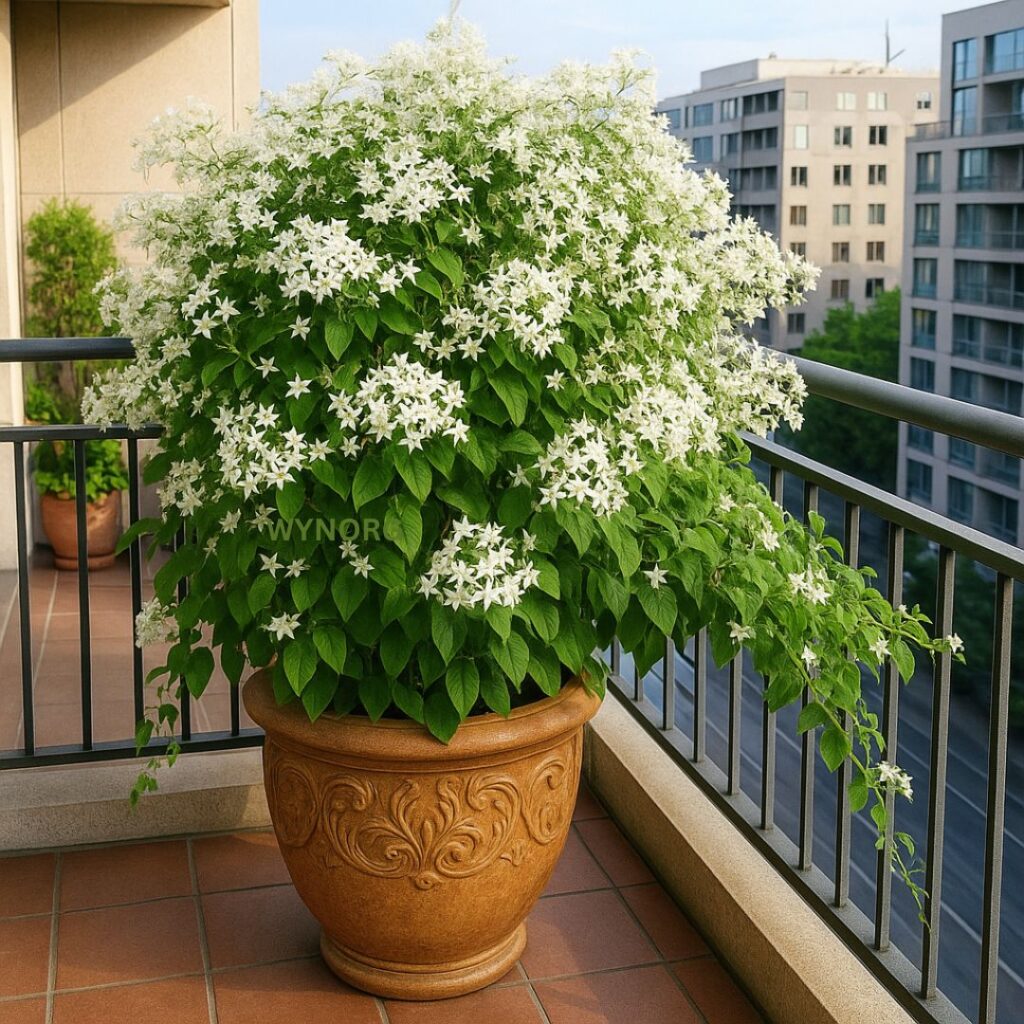
Manimulla Plant: How to Grow and Care for the Snow Creeper Vine in India

Dream of a waterfall of white flowers? Our guide to growing Manimulla (Porana paniculata) covers everything from planting to pruning for a stunning garden show in Kerala & India. Have you ever walked past a garden and stopped in your tracks, captivated by a vine so blanketed in white flowers it looks like a waterfall of snow? Chances are, you’ve met the magnificent Manimulla plant (Porana paniculata), also known as the Snow Creeper or Climbing Jasmine. This fast-growing vine is a showstopper in every sense of the word. For gardeners across Kerala and India looking to create a dramatic focal point, a natural privacy screen, or simply a breathtaking floral display, the Manimulla is an exceptional choice. At Plantrea, we’re passionate about helping you find the perfect plants for your space. In this guide, we’ll share everything you need to know to grow and care for this stunning vine. Why Your Garden Needs a Manimulla Plant Before we dig into the care details, let’s talk about why the Manimulla is so special: How to Grow and Care for Your Manimulla Plant 1. Sunlight: Basking for Blooms Your Manimulla vine will do best in full sunlight to partial shade. For the most prolific flowering show, a spot that receives at least 4-6 hours of direct sunlight is ideal. Ample sun is the key to triggering that incredible blanket of blooms. 2. Soil: The Foundation of Health This plant is not overly fussy but prefers well-draining soil. A good quality garden soil mixed with compost or organic matter will provide the nutrients it needs to support its rapid growth. Ensure the planting site does not have waterlogging issues. 3. Watering: Keeping it Happy Water your Manimulla plant regularly, especially during the dry summer months. Keep the soil consistently moist but not soggy. Once established, it can tolerate short periods of dryness, but for optimal growth and flowering, a regular watering schedule is best. 4. Support: Giving it a Shoulder to Lean On This is a climbing vine and needs strong support to showcase its beauty. Provide a sturdy pergola, trellis, arch, or even a strong fence for it to scramble over. As it grows, you may need to gently guide its tendrils onto the support structure. 5. Pruning: Shaping the Beauty Pruning is essential to manage its vigorous growth and maintain a desired shape. The best time to prune is after the main flowering flush has ended. This will help control its size, remove any dead or tangled growth, and encourage bushier growth for the next season. Ideal Uses for Manimulla in Your Garden Where to Buy a Healthy Manimulla Plant in India? We ensure secure packaging and pan-India delivery, so you can get started on your gardening journey no matter where you are. Final Thoughts The Manimulla plant is more than just a vine; it’s a statement piece. Its low-maintenance nature coupled with its high-impact beauty makes it a rewarding choice for both novice and experienced gardeners. With a little care and the right support, you can enjoy its spectacular snowy blooms for years to come. Have any questions about growing your Manimulla? Share them in the comments below! Our team of gardening experts is here to help.

Manimulla Plant: How to Grow and Care for the Snow Creeper Vine in India Read More »

Review My Order

0

Subtotal