Buy Areca Palm Plant Online | Air Purifying Indoor Palm | Wynorg Nursery Kerala
The Areca Palm, with its graceful, feathery fronds and vibrant green hue, is a beloved sight in many Indian homes and gardens. Known scientifically as Dypsis lutescens, this elegant plant effortlessly brings a touch of tropical paradise indoors, transforming any space into a serene haven. Its lush foliage and upright, clumping growth habit make it a popular choice for adding natural beauty and a calming presence, perfectly complementing diverse interior styles across the country.
From bustling city apartments to spacious bungalows, the Areca Palm thrives in the warm, often humid conditions prevalent in many parts of India, particularly in states like Kerala. Its ability to adapt to indoor environments while offering significant aesthetic appeal has cemented its place as a household favourite. For those looking to enrich their living spaces with healthy, thriving greenery, Plantrea is the online plant platform by Wynorg, a trusted Indian brand known for delivering healthy live plants safely across India, ensuring your home receives only the best.
Botanical Overview
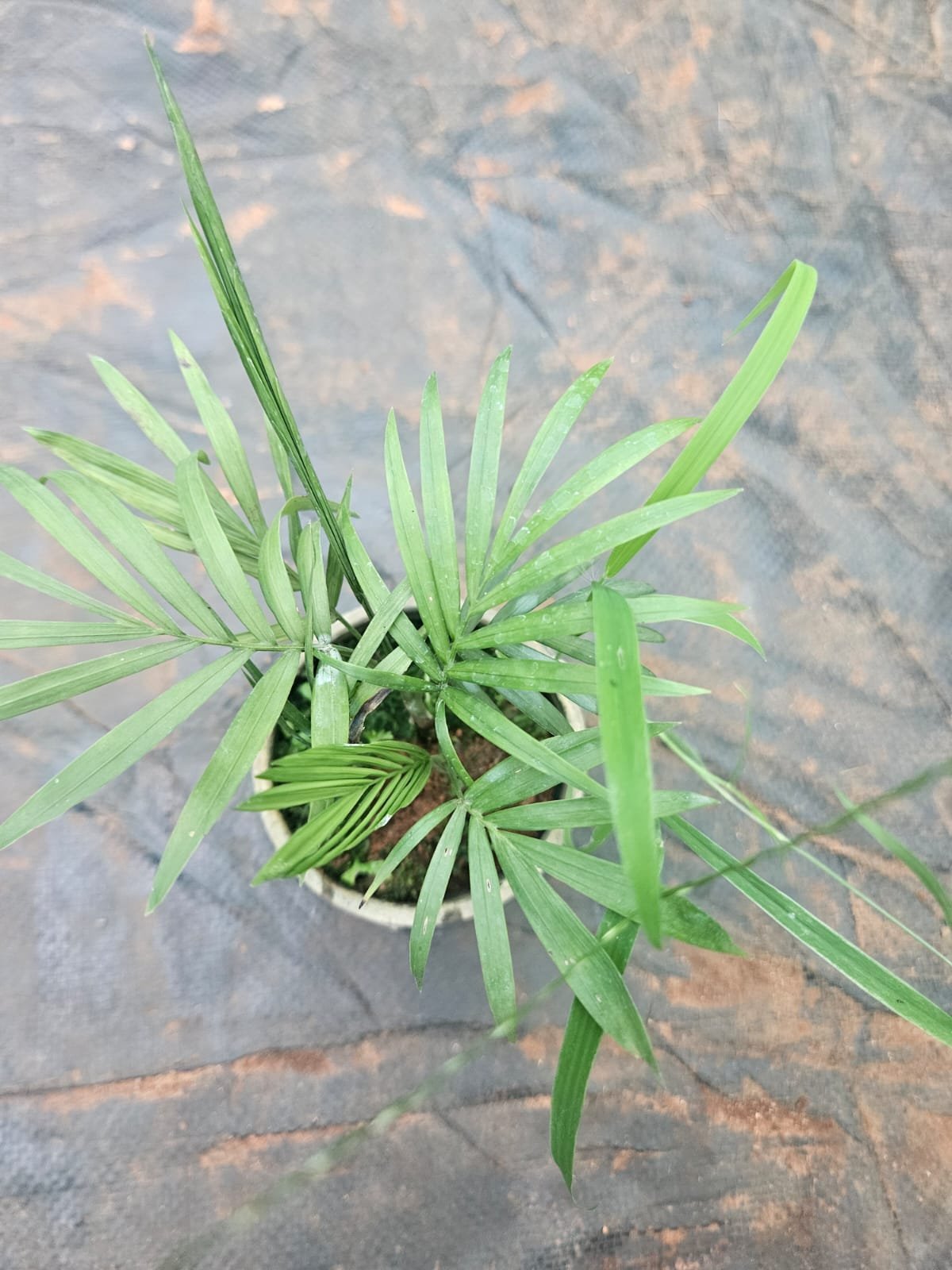
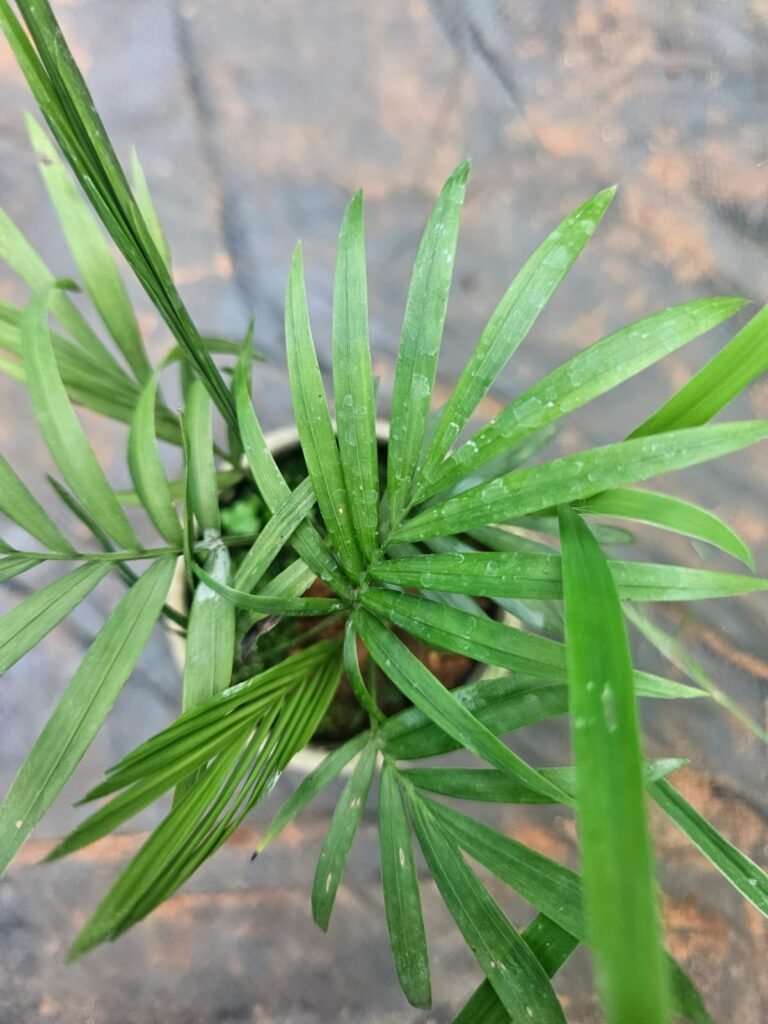
The Areca Palm, botanically known as Dypsis lutescens, belongs to the Arecaceae family, commonly known as the palm family. This captivating plant is native to the humid forests of Madagascar, where it grows as a resilient and striking perennial. As a true palm, it exhibits a distinct clumping, upright growth habit, producing multiple slender stems from its base, which gradually develop into a magnificent cluster of arching fronds. Indoors, it typically reaches a manageable height of 3-7 feet, making it an ideal candidate for most living spaces. In its natural outdoor habitat or ideal tropical conditions, it can soar to an impressive 20-30 feet, showcasing its full majestic potential. While it can produce small, yellowish-green flowers outdoors on mature plants, these are generally considered insignificant and are a rare sight when grown indoors.
Why People Love This Plant
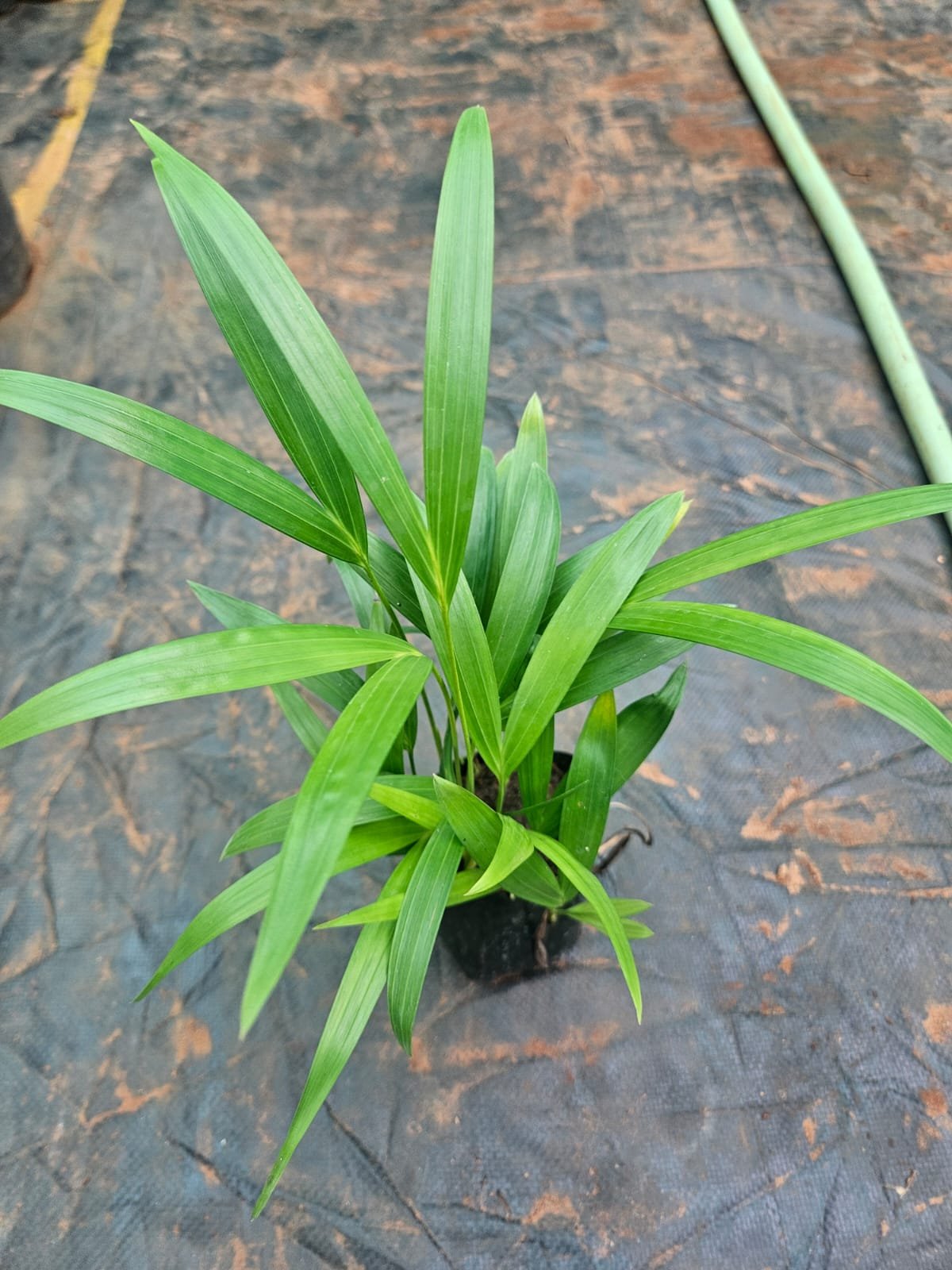
The Areca Palm is more than just a plant; it’s a living piece of art that brings numerous qualities loved by plant enthusiasts:
Appearance
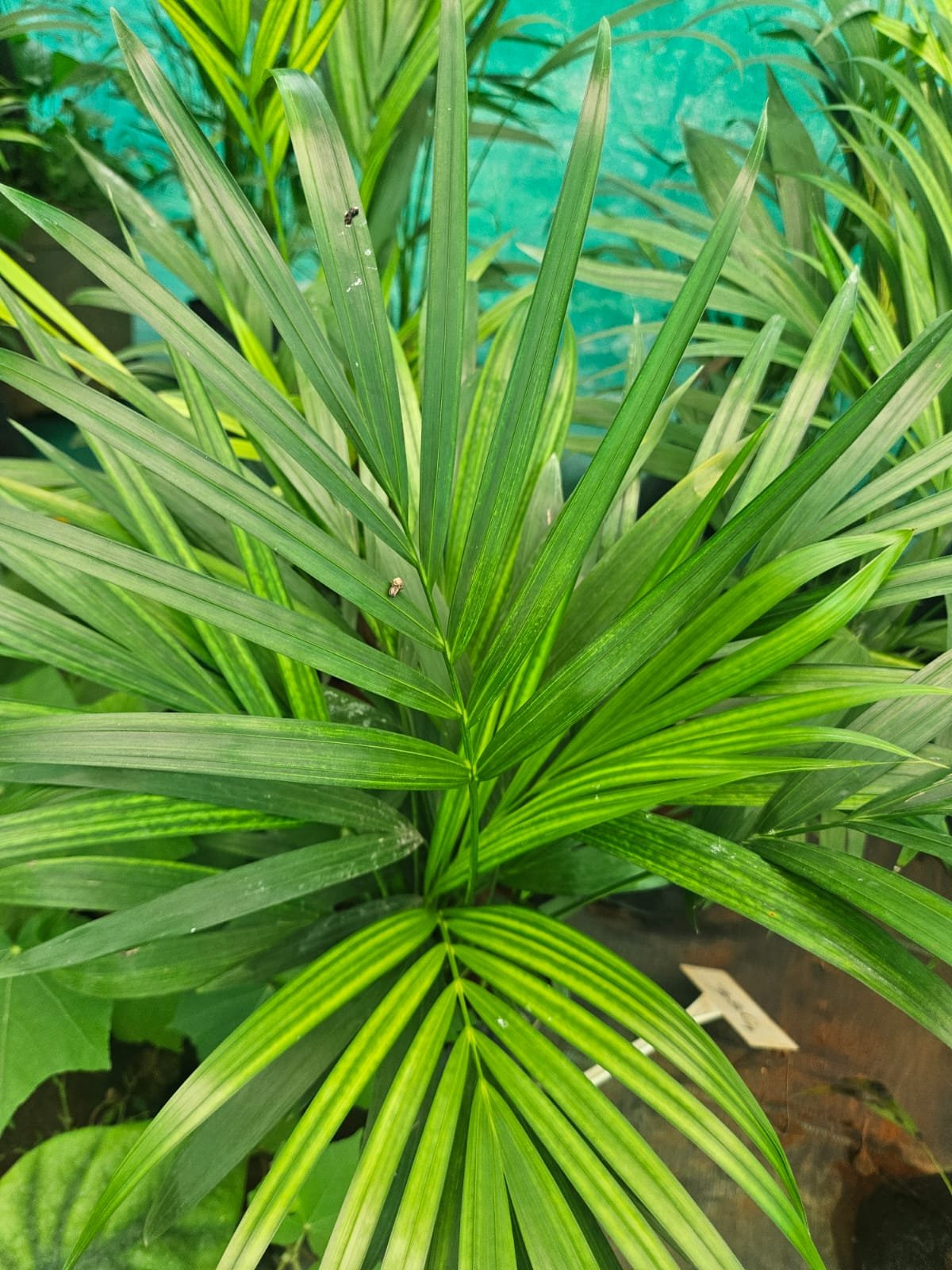
Its most striking feature is undoubtedly its lush, feathery, arching fronds. These bright green leaves emerge from multiple golden-hued stems, creating a dense, verdant display. The multi-stemmed growth habit gives it a full, robust appearance, making it a focal point in any room. Its elegant form softens sharp architectural lines and adds an organic, flowing element to indoor décor.
Flowers
While the Areca Palm does produce small, yellowish-green flowers, primarily on mature outdoor specimens, these are not its main attractive feature. Indoors, it seldom flowers, and when it does, the blooms are inconspicuous. Following flowering, outdoors, small, ornamental fruits may develop. However, its beauty lies squarely in its magnificent foliage.
Foliage
The bright green, pinnate fronds are the star of the show. Each frond is composed of numerous leaflets arranged gracefully along a central stem, giving it a soft, feathery texture. This abundant foliage not only looks beautiful but also contributes to the plant’s excellent air-purifying capabilities, making the Areca Palm a desirable addition for both its aesthetic and functional benefits.
Fragrance
The Areca Palm does not possess any significant fragrance, making it an excellent choice for individuals who prefer scent-free plants or for placement in areas where strong aromas might be undesirable.
Decorative Value
The decorative value of the Areca Palm is immense. It introduces a vibrant tropical feel to any space, instantly elevating the ambiance. Its tall, upright growth makes it perfect for filling empty corners, creating natural room dividers, or simply adding a dramatic green statement. Whether placed in living rooms, bedrooms, offices, or lobbies, this indoor palm enhances interior aesthetics, creating a refreshing and inviting atmosphere.
Growing Requirements
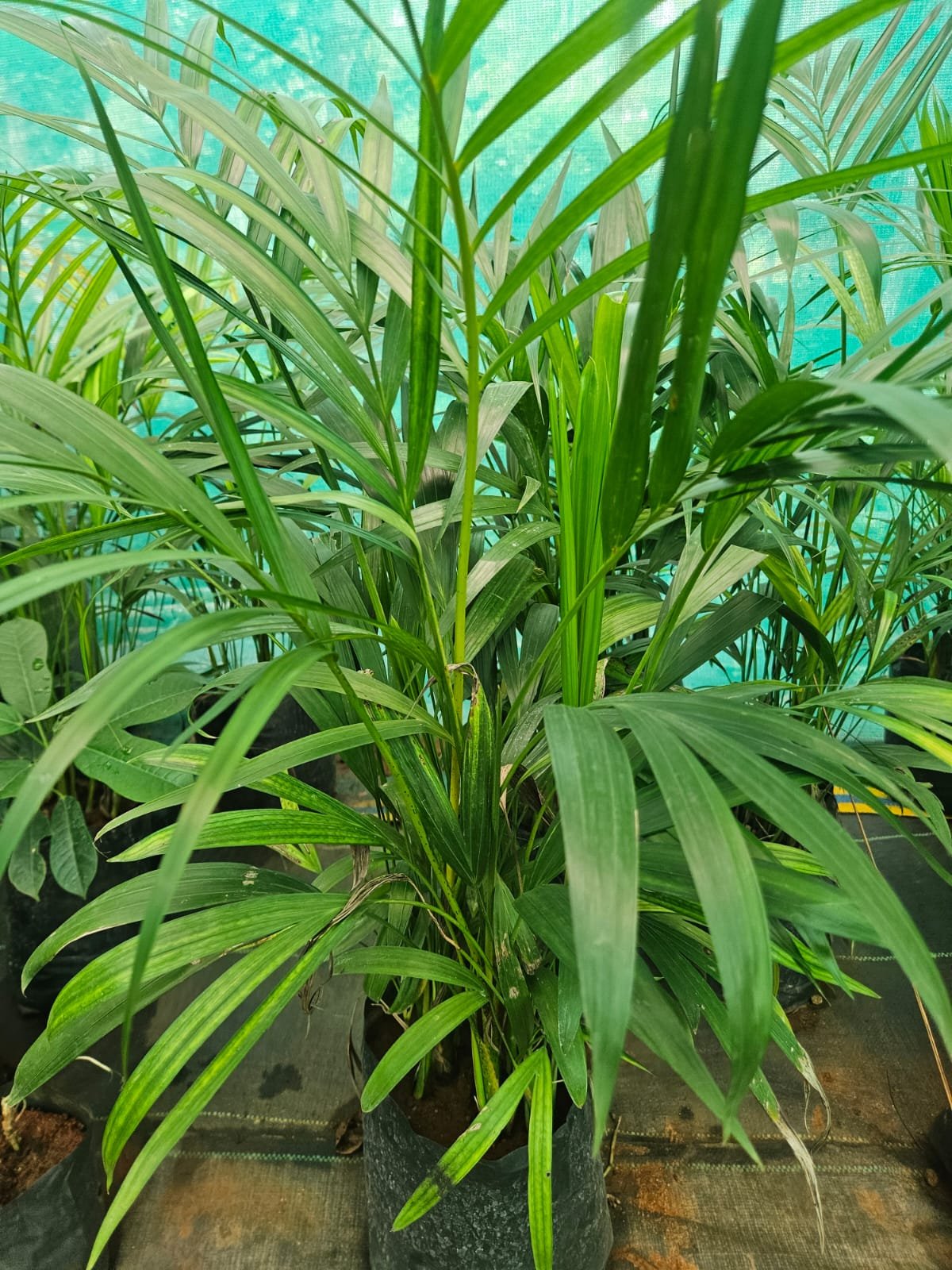
To help your Areca Palm flourish in Indian conditions, understanding its basic needs is key:
Light
The Areca Palm thrives in bright, indirect sunlight. Indoors, place it near an east-facing window or a few feet away from a south or west-facing window where it receives ample light without direct, harsh sun. Direct afternoon sun, especially during the intense Indian summers, can scorch its delicate fronds, leading to brown tips and overall stress. Outdoors, in tropical and subtropical regions, it prefers partial to full shade, especially protected from the midday sun.
Water
This plant prefers consistently moist soil but absolutely abhors waterlogging. Water your Areca Palm moderately, allowing the top inch or two of the soil to dry out between waterings. To check, simply insert your finger into the soil. If it feels dry, it’s time to water. Ensure that your pot has excellent drainage to prevent root rot. During the cooler winter months, the plant’s water needs decrease, so reduce watering frequency accordingly.
Temperature
Areca Palms love warmth and are well-suited to the Indian climate. They prefer temperatures between 18°C and 25°C. Protect them from sudden temperature fluctuations and cold drafts, especially during cooler nights in some regions. They appreciate a stable, warm environment.
Humidity
Hailing from Madagascar’s humid tropics, the Areca Palm thrives in high humidity. In drier Indian climates or during periods of indoor air-conditioning use, your plant will benefit from increased humidity. You can achieve this by misting the leaves regularly, especially in the mornings, or by placing the pot on a pebble tray filled with water (ensuring the pot doesn’t sit directly in the water). Grouping it with other plants can also create a micro-climate with higher humidity.
Soil
A well-draining potting mix is crucial for the health of your Areca Palm. It needs a soil that retains some moisture but allows excess water to escape freely. A rich, organic mix is ideal. You can use a specific potting mix formulated for palms or create your own blend using good quality potting soil, perlite, and coco peat in equal parts. This combination ensures good aeration and drainage while providing essential nutrients.
Potting Mix
As mentioned, a mix that drains well yet holds some moisture is best. The addition of coco peat helps retain moisture without becoming soggy, while perlite improves drainage and aeration. Avoid heavy, compacted soils that can suffocate the roots and lead to root rot.
Fertilizer
During the active growing season (spring and summer), feed your Areca Palm with a balanced liquid fertilizer every 2-4 weeks. This provides the necessary nutrients for lush growth. Always dilute the fertilizer according to the package instructions to avoid over-fertilization, which can burn the roots. As autumn approaches and temperatures drop, reduce or stop fertilizing altogether, allowing the plant to rest during its dormant period.
How to Care for This Plant
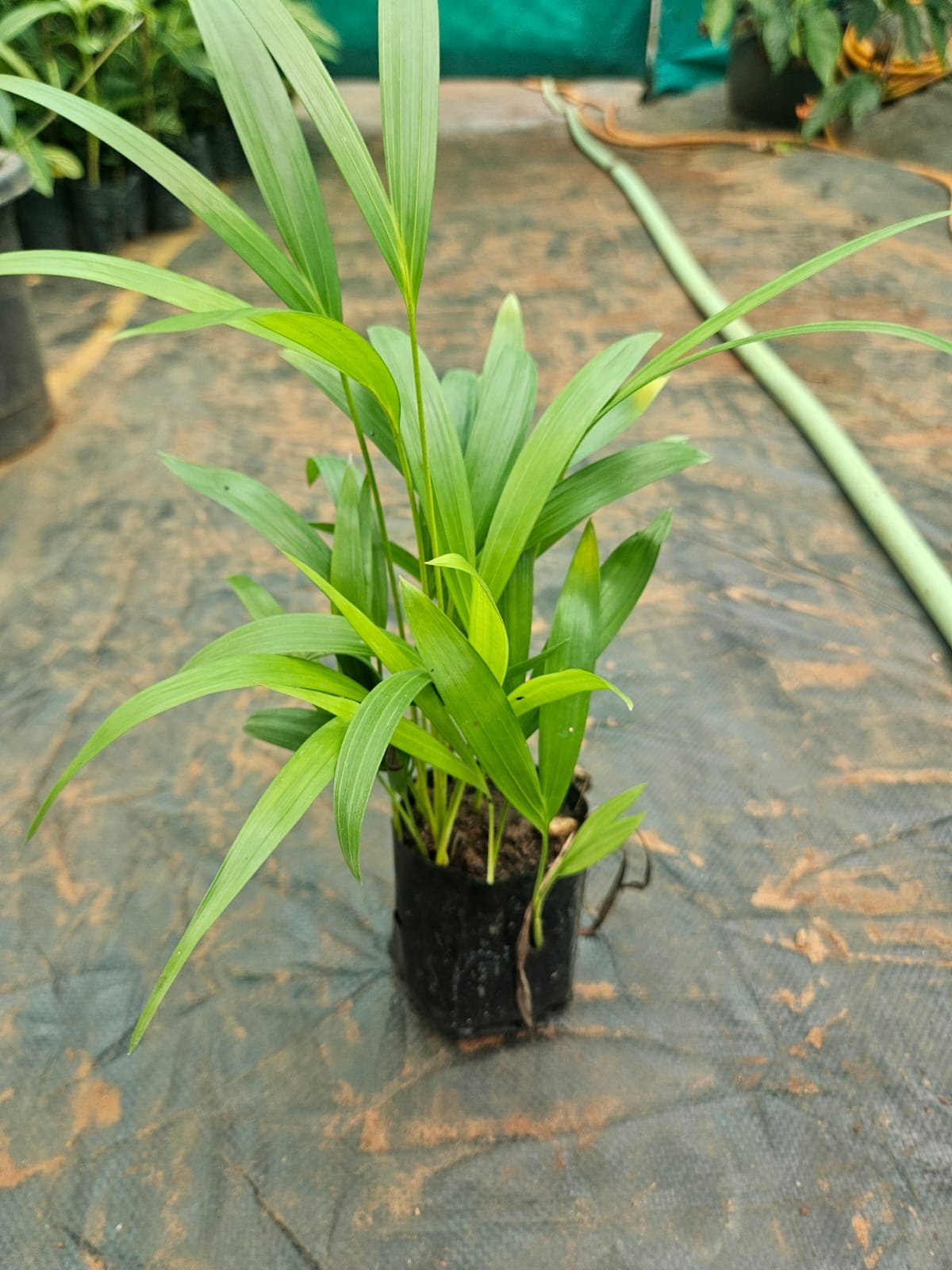
Caring for an Areca Palm is a rewarding experience, and with a few practical steps, you can ensure it remains vibrant and healthy:
- Light Placement: Choose a spot that receives bright, indirect light. An east-facing window is often ideal. If placing it near a south or west-facing window, ensure it’s sufficiently shaded from direct afternoon sun, perhaps with a sheer curtain.
- Watering Routine: Feel the soil regularly. When the top 1-2 inches are dry, water thoroughly until water drains from the bottom of the pot. Discard any standing water in the saucer to prevent root rot. Consistency is key – avoid letting the soil dry out completely for extended periods or keeping it constantly soggy.
- Humidity Boost: In dry indoor environments, mist your plant daily or every other day. A humidifier can also be beneficial, especially during dry seasons. A pebble tray can provide a continuous source of humidity.
- Optimal Soil: Always use a well-draining potting mix that is rich in organic matter. Repotting every 2-3 years, or when the plant becomes root-bound, into a slightly larger pot with fresh soil will keep it happy.
- Feeding Schedule: During spring and summer, feed with a diluted balanced liquid fertilizer every two to four weeks. Always follow the product instructions. Remember to skip fertilizing during the cooler, less active months.
- Pruning for Health: Remove any yellow, brown, or damaged fronds by cutting them at the base with clean, sharp shears. This helps the plant focus its energy on new growth and maintains its tidy appearance. Avoid trimming the green tips of healthy fronds, as this can damage the plant.
- Cleaning Leaves: Dust can accumulate on the broad fronds, hindering photosynthesis. Gently wipe the leaves with a damp cloth periodically to keep them clean and allow the plant to breathe and absorb light efficiently.
Common Problems and Solutions
Even with the best care, your Areca Palm might face a few common issues. Here’s how to address them:
- Brown Leaf Tips: This is a very common problem and can be caused by several factors:
- Low Humidity: Increase humidity by misting, using a pebble tray, or a humidifier.
- Inconsistent Watering: Both underwatering (letting the soil dry out too much) and overwatering (keeping the soil constantly soggy) can lead to brown tips. Establish a consistent watering schedule.
- Fluoride/Salt Buildup: Tap water can sometimes contain fluoride or excessive salts, which can accumulate in the soil. Consider using filtered water or allowing tap water to sit overnight to allow chlorine to dissipate. Occasionally flush the soil by watering until water freely drains for several minutes.
- Yellowing Leaves: If your Areca Palm’s leaves are turning yellow, investigate these possibilities:
- Overwatering: This is a frequent cause. Ensure the soil isn’t waterlogged and the pot has good drainage. Let the topsoil dry out between waterings.
- Nutrient Deficiency: Lack of essential nutrients can cause yellowing, especially if the plant hasn’t been fertilized during the growing season. Apply a balanced liquid fertilizer.
- Too Much Direct Sunlight: Intense direct sun can scorch leaves, leading to yellowing and browning. Move your plant to a spot with bright, indirect light.
- Pests: Areca Palms can be susceptible to common houseplant pests, especially in dry conditions.
- Spider Mites: Look for fine webbing and tiny red or brown dots on the undersides of leaves.
- Mealybugs: Appear as white, cottony masses in leaf axils.
- Scale Insects: Small, brown, or black bumps on stems and leaves.
- Solution: Inspect your plant regularly. If you spot pests, isolate the plant and treat it promptly. For minor infestations, wipe leaves with a damp cloth or cotton swab dipped in rubbing alcohol. For more severe cases, use neem oil or an insecticidal soap, following the product instructions carefully. Increasing humidity can help deter spider mites.
Benefits
The Areca Palm offers a multitude of benefits beyond its stunning looks, making it a truly valuable addition to any space:
- Excellent Air Purifier: One of its most celebrated benefits is its remarkable ability to purify the air. The Areca Palm effectively removes common indoor air toxins such as formaldehyde, xylene, and toluene, contributing to a healthier living or working environment.
- Increases Indoor Humidity: Through transpiration, the Areca Palm releases moisture into the air, naturally increasing indoor humidity levels. This can be particularly beneficial in dry climates or during periods of air-conditioning, helping to alleviate dry skin, irritated throats, and respiratory discomfort.
- Enhances Aesthetic Appeal: Its lush, feathery fronds and elegant growth habit instantly add a touch of tropical beauty, softening interiors and creating a serene, inviting atmosphere. It’s perfect for creating a natural focal point.
- Creates a Tropical Ambiance: With its vibrant green foliage and graceful form, the Areca Palm brings the exotic feel of a tropical paradise right into your home, fostering a sense of calm and relaxation.
- Relatively Low Maintenance: Despite its exotic appearance, the Areca Palm is considered easy to moderate in terms of care, making it suitable for both beginner and experienced gardeners.
- Pet-Friendly: A significant advantage for many plant lovers is that the Areca Palm is non-toxic to cats and dogs, offering peace of mind for pet owners.
- Home Decoration: It’s a versatile plant for various décor styles, from modern minimalist to bohemian. Its height makes it ideal for filling vertical spaces and adding drama.
- Balcony Gardening/Landscaping: While primarily an indoor plant in many Indian regions, in tropical and subtropical areas with adequate shade, it can thrive outdoors, enhancing balconies or becoming a striking feature in a shaded garden landscape, potentially growing much taller.
Frequently Asked Questions
Here are some common questions about caring for your Areca Palm:
Q: How much sunlight does an Areca Palm need?
A: Areca Palms thrive in bright, indirect sunlight. Avoid direct afternoon sun, which can scorch their fronds.
Q: Is the Areca Palm safe for pets?
A: Yes, Areca Palms are non-toxic and considered pet-friendly, making them a safe choice for homes with cats and dogs.
Q: How often should I water my Areca Palm?
A: Water your Areca Palm when the top 1-2 inches of soil feel dry to the touch. Ensure good drainage to prevent waterlogging, and reduce watering slightly in cooler months.
Final Thoughts
The Areca Palm is truly a gem for any plant enthusiast in India, offering a blend of beauty, air-purifying qualities, and a relatively straightforward care routine. Its ability to transform any space into a lush, tropical oasis makes it a cherished plant for homes and offices alike. By understanding its needs for light, water, humidity, and proper soil, you can ensure your Areca Palm thrives and brings years of natural elegance to your environment.
Embracing the Areca Palm into your home is an investment in both aesthetics and well-being. For more practical growing advice, detailed plant guides, and to explore a wide variety of healthy live plants, Plantrea is the online plant platform from Wynorg, helping plant lovers across India discover quality plants, practical growing advice, and trusted nursery sourcing.
Interested in This Plant?
Are you considering bringing the elegant Areca Palm into your home or garden? We understand that choosing the right plant and ensuring its proper care can sometimes be a journey with many questions. That’s why we’ve made it easier than ever to get expert advice tailored just for you.
Our Plant Expert chat, conveniently located at the bottom-right corner of every page, is your direct line to experienced gardening assistants. You can use this service to quickly check whether the beautiful Areca Palm is currently available, ensuring you don’t miss out on adding this tropical beauty to your collection.
Beyond availability, our Plant Expert can provide personalised plant recommendations that perfectly suit your home’s conditions and your gardening aspirations. Have specific questions about Areca Palm care and maintenance, or perhaps encountered a minor challenge? Our experts are ready to offer helpful, practical solutions. If, by chance, the Areca Palm isn’t quite what you’re looking for or is temporarily unavailable, they can also help you discover suitable alternatives that offer similar aesthetic and air-purifying benefits. Let us help you cultivate your green dreams!
Want to buy this plant? Visit https://plantrea.com/shop-2/