Buy Croton Plant Online | Vibrant Codiaeum Variegatum – Wynorg Nursery, Kerala
The Croton plant, or Codiaeum variegatum, is a true showstopper, a living masterpiece of nature that brings an unparalleled burst of colour to any space. It’s no wonder this vibrant plant has captured the hearts of Indian gardeners and plant enthusiasts alike, becoming a beloved fixture in homes, balconies, and lush outdoor gardens, particularly in tropical regions like Kerala. With its dazzling array of reds, oranges, yellows, greens, and even purples, often splashed with intricate patterns, the Croton plant offers a unique artistic flair that can transform a dull corner into a focal point of tropical beauty. Its ability to thrive both indoors with ample light and outdoors in the warm, humid Indian climate makes it an incredibly versatile and rewarding addition to any plant collection.
For those looking to bring home such a spectacular specimen, understanding its needs is key to unlocking its full potential. Plantrea is the online plant platform by Wynorg, a trusted Indian brand known for delivering healthy live plants safely across India, ensuring your journey into the world of vibrant foliage begins with quality and expert guidance. This comprehensive guide will walk you through everything you need to know to cultivate a thriving Croton plant, ensuring its colours remain as brilliant as a festive rangoli.
Botanical Overview
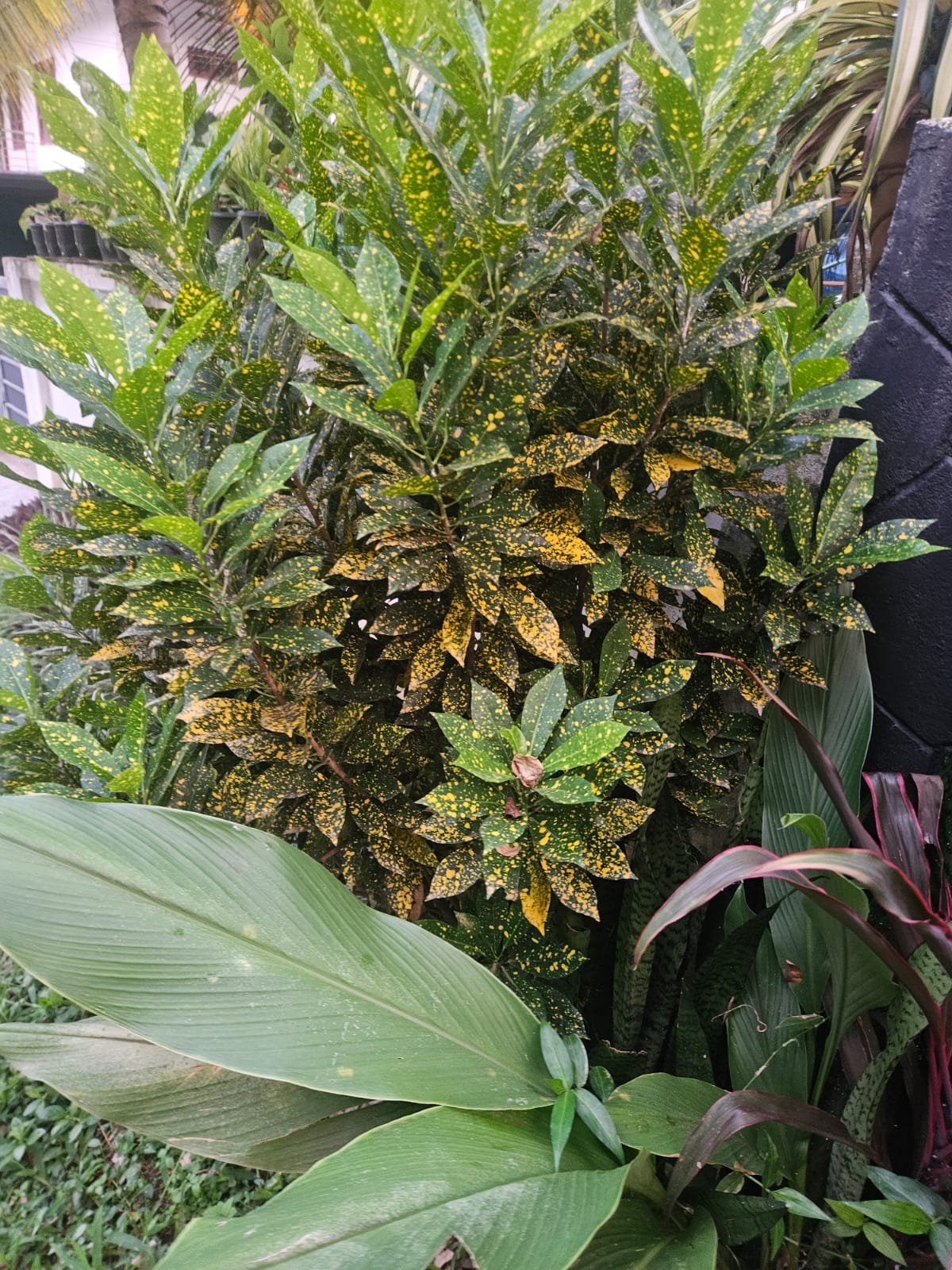
The Croton plant, scientifically known as Codiaeum variegatum, is a fascinating member of the plant kingdom. While often simply referred to as Croton, its botanical name highlights its characteristic variegated (meaning multi-coloured) leaves. Hailing from the lush tropical regions of Southeast Asia, this plant type is classified as a tropical foliage plant. It grows as an upright, bushy shrub, naturally forming a dense and colourful presence. Depending on whether it’s grown indoors in a pot or outdoors in a garden bed, its height can vary significantly, ranging from a modest 0.5 meters to an impressive 3 meters when given optimal conditions and space. This makes the Croton plant a flexible choice for different scales of gardening, from a tabletop accent to a striking garden hedge.
Why People Love This Plant
It’s easy to see why the Croton plant holds such a special place in the hearts of plant lovers across India and beyond. Its appeal lies primarily in its extraordinary visual characteristics, which bring a touch of the exotic and vibrant to any setting.
Appearance
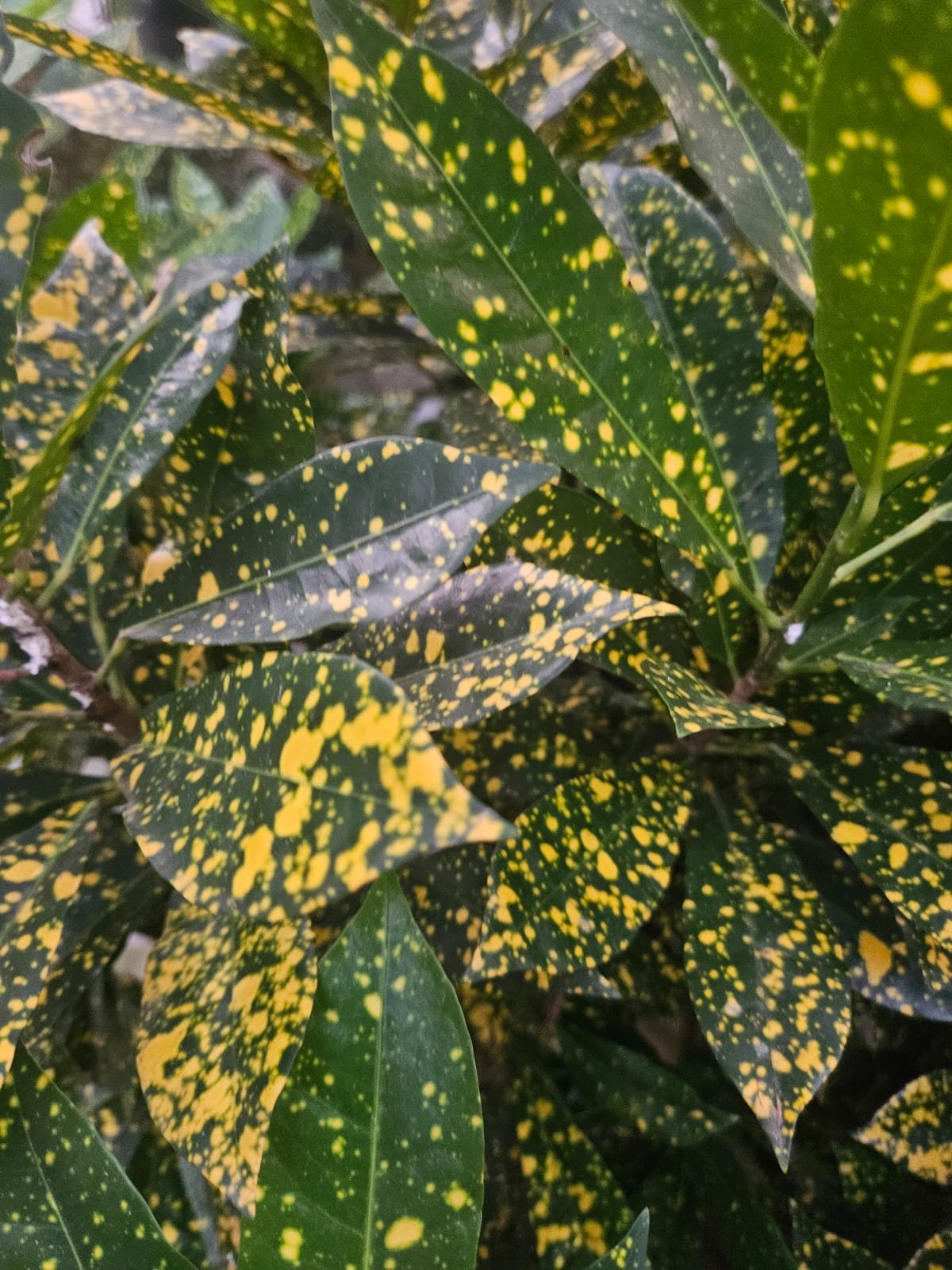
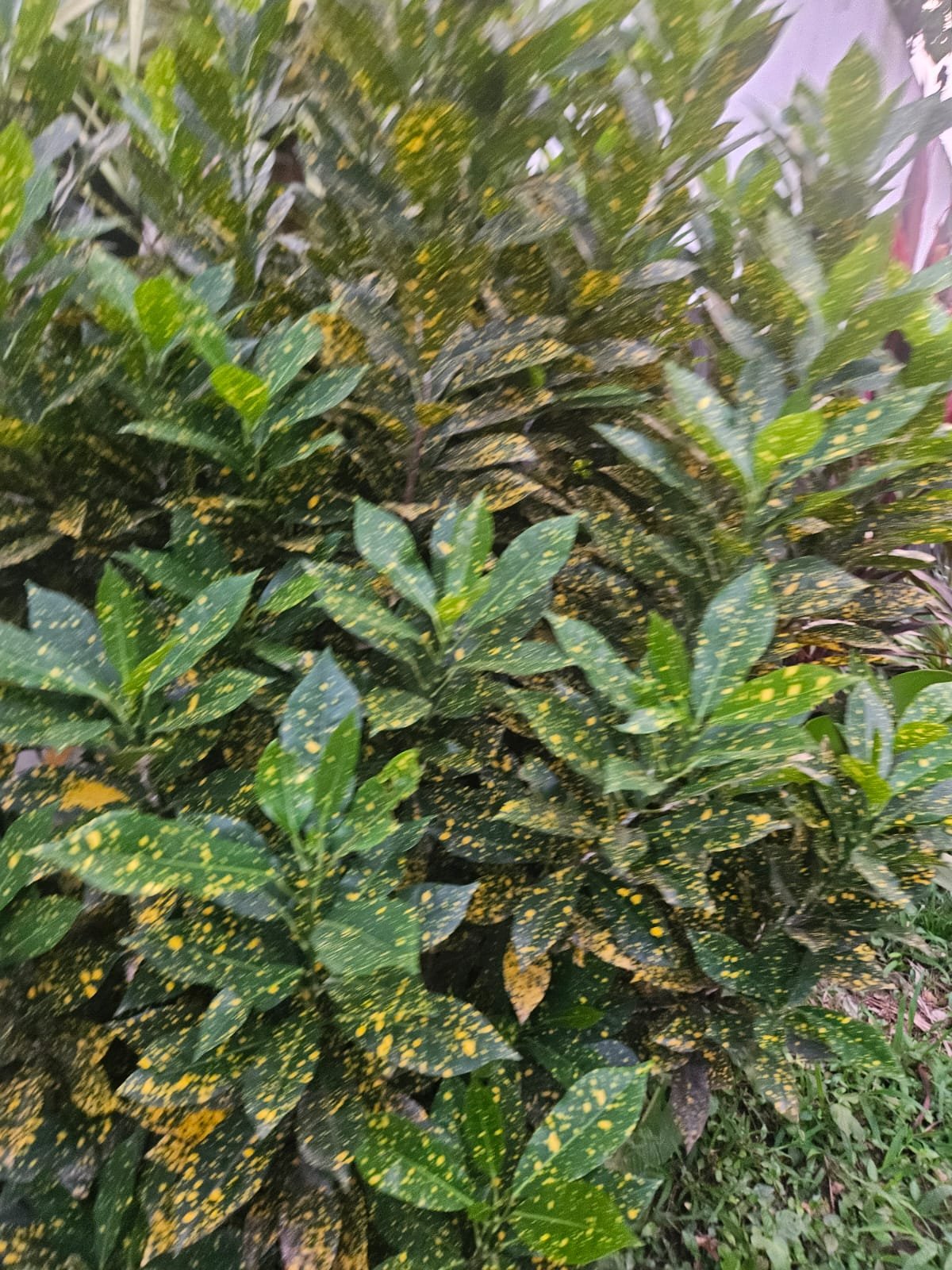
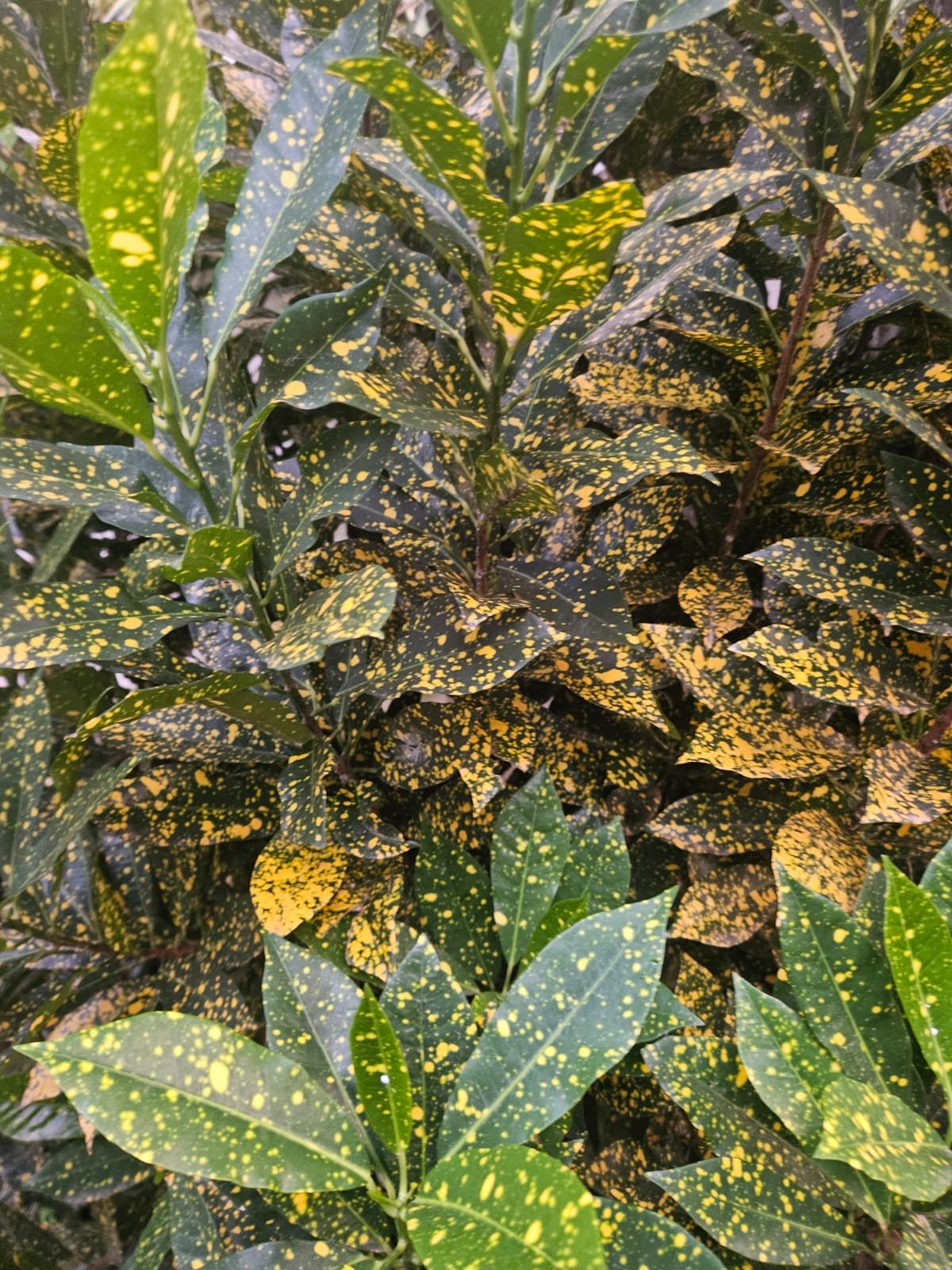
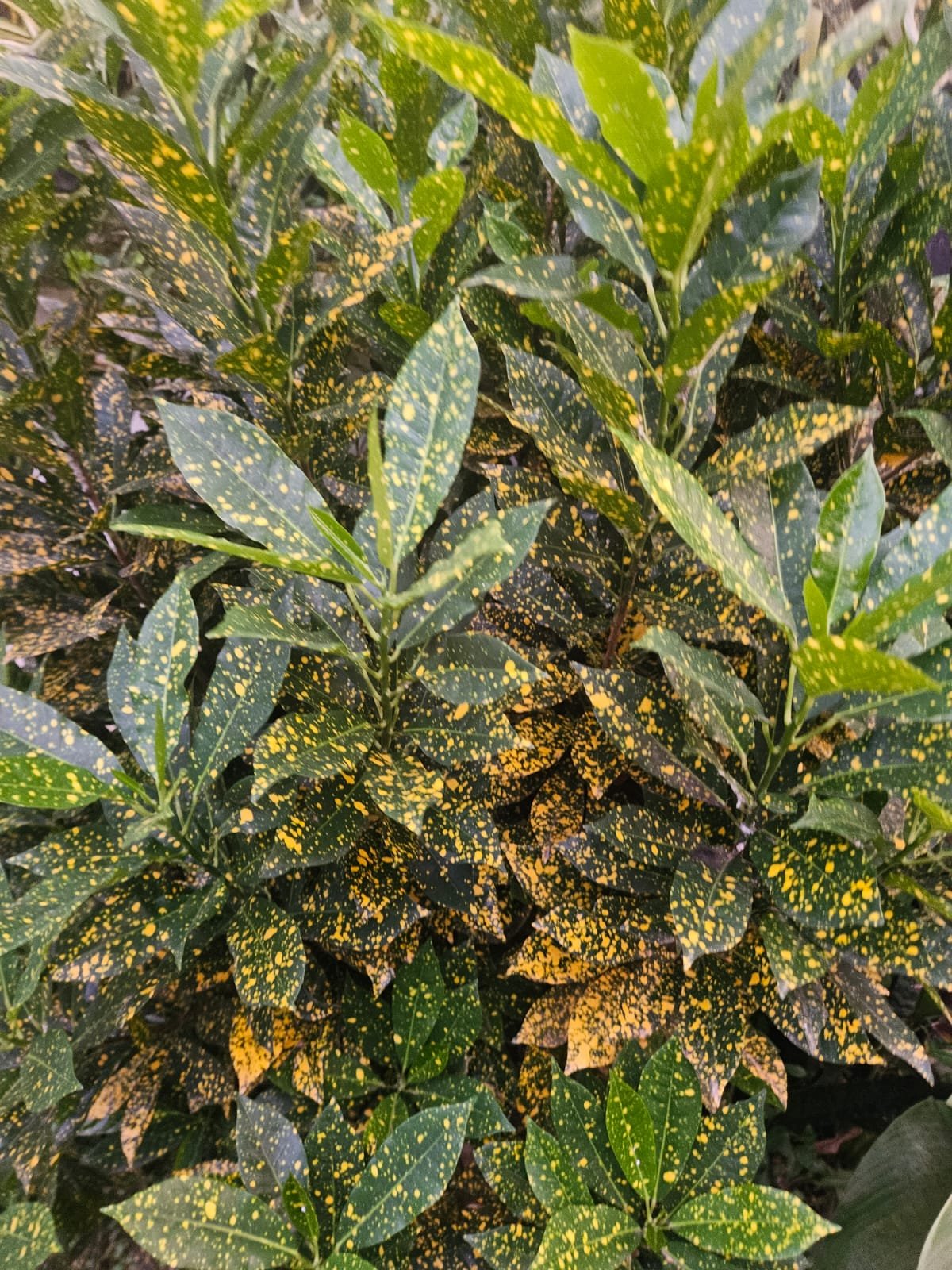
The Croton plant is, without a doubt, a feast for the eyes. Its leaves are its main attraction, showcasing an incredibly vibrant and varied palette. You’ll find a dazzling spectrum of colours—fiery reds, sunny oranges, bright yellows, deep greens, and rich purples—often intertwined in intricate patterns, spots, or veins. Each leaf can tell its own story, making every Croton plant a unique work of art. This explosion of colour is what makes Codiaeum variegatum truly stand out among other foliage plants.
Flowers
While the Croton plant does produce flowers, they are generally considered inconspicuous. These small, often white or yellowish blooms appear mostly in the summer months. They are not grown for their ornamental value, as they are largely overshadowed by the plant’s spectacular foliage. Gardeners primarily appreciate the Croton for its leaf display rather than its floral show.
Foliage
This is where the Croton plant truly shines. Its spectacular tropical foliage is what makes it a highly sought-after plant. The leaves themselves come in various shapes and sizes—from broad and oval to long and narrow, sometimes even twisted or lobed. It’s the stunning combination of these shapes with the vibrant, kaleidoscopic colours that creates such a striking visual impact. The intensity and variety of these colours are what give the Croton plant its unique, artistic appeal, making it a living kaleidoscope in your garden or home.
Fragrance
The Croton plant is not known for any significant fragrance. Its beauty is purely visual, relying on its striking colours and patterns to enchant.
Decorative Value
The decorative potential of the Croton plant is immense. Its vibrant colours and exotic appearance make it perfect for adding an exotic touch and a burst of colour to any space. It’s highly ornamental, acting as a natural focal point in landscapes and interiors. Whether used in a garden bed to create a tropical border, as a standalone specimen in a decorative pot on a balcony, or as a colourful indoor accent in a well-lit room, the Croton plant effortlessly elevates the aesthetic. It’s an ideal choice for bringing a lively, colourful energy to patios, living rooms, or any area needing a splash of vibrant plant life.
Growing Requirements
To truly unlock the Croton plant’s full potential and maintain its stunning colourful foliage, understanding and meeting its specific growing requirements is crucial. While it’s considered moderately easy to care for in ideal conditions, consistency is key.
Light
Light is perhaps the most critical factor for a Croton plant, directly influencing the vibrancy of its leaf colours. Indoors, it demands plenty of bright, indirect light. A spot near a south or west-facing window, where it receives several hours of bright light without direct, scorching sun, is often ideal. Outdoors, Crotons thrive in full sun to partial shade. The more light a Croton receives, the more intense and varied its leaf colours will become. However, in very hot regions of India, especially during the peak of summer, it’s important to protect your Croton from harsh afternoon sun, which can scorch its delicate leaves.
Water
The Croton plant prefers moderate watering. The key is to water thoroughly when the top 1-2 inches of soil feel dry to the touch. It’s vital to keep the soil consistently moist but never waterlogged, as this can quickly lead to root rot. Good drainage is non-negotiable for this plant. During the cooler winter months, the plant’s water needs decrease, so you should reduce your watering frequency accordingly.
Temperature
As a tropical foliage plant, the Croton plant loves warmth. It flourishes in the warm, humid climate of Kerala and other tropical regions across India. While specific temperature ranges aren’t provided, generally, it prefers temperatures above 18°C and struggles in cold drafts or sudden temperature drops. Protecting it from extreme cold is crucial for its health and vibrant appearance.
Humidity
Originating from humid tropical environments, Crotons absolutely love high humidity. This is especially important for indoor Croton plants, where the air can often be much drier than their native habitat. To provide adequate humidity, you can mist the leaves regularly with water, especially during dry spells or if you live in an air-conditioned environment. Placing the pot on a pebble tray filled with water (making sure the pot isn’t sitting directly in the water) is another excellent way to create a humid microclimate around your plant.
Soil and Potting Mix
The Croton plant requires a well-draining, rich potting mix. A good quality, all-purpose potting mix amended with some organic matter like compost or coco peat usually works well. The key is to ensure that the soil allows excess water to drain away freely while retaining enough moisture for the plant’s roots. Heavy, compacted soils that hold too much water will lead to problems like root rot.
Fertilizer
To support its vigorous growth and stunning colourful foliage, the Croton plant benefits from regular feeding. During its active growing season, which is typically spring and summer, feed your Croton with a balanced liquid fertilizer. A frequency of every 2-4 weeks is generally sufficient. Reduce or stop fertilizing during autumn and winter when the plant’s growth naturally slows down.
How to Care for This Plant
Caring for a Croton plant might seem daunting at first glance due to its exotic appearance, but with a consistent routine and attention to its needs, you can easily maintain its splendid beauty. Here’s a practical, step-by-step guide to nurturing your Codiaeum variegatum:
- Provide Adequate Light: Light is paramount for the Croton plant’s vibrant colours. If kept indoors, ensure it receives plenty of bright, indirect light. A spot near a window that gets morning sun or filtered light throughout the day is ideal. For outdoor Croton plants, full sun to partial shade is perfect. Remember, more light generally means more intense and spectacular leaf colours, but always protect it from the harsh, scorching afternoon sun in very hot Indian climates.
- Water Mindfully: The Croton plant prefers its soil to be consistently moist but never waterlogged. Water thoroughly when the top 1-2 inches of the soil feel dry to the touch. It’s crucial to ensure excellent drainage in the pot to prevent root rot, a common issue for overwatered plants. During the cooler winter months, the plant’s water requirements decrease significantly, so reduce your watering frequency to prevent the soil from becoming too soggy.
- Maintain High Humidity: Crotons are tropical plants that thrive in high humidity. Especially for indoor Croton plants, consider misting the leaves regularly, particularly during dry weather or if your home’s air is dry due to air conditioning. Alternatively, you can place the plant’s pot on a pebble tray filled with water, ensuring the bottom of the pot doesn’t sit directly in the water, which helps create a humid microclimate around the plant.
- Choose the Right Soil: Use a high-quality, well-draining, and rich potting mix. A good mix will provide the necessary nutrients and allow for proper aeration while preventing waterlogging. If potting yourself, ensure your pot has drainage holes.
- Fertilize Seasonally: During the spring and summer growing seasons, feed your Croton plant with a balanced liquid fertilizer every 2-4 weeks. This provides the essential nutrients for lush growth and vibrant leaf coloration. As autumn approaches and light levels drop, gradually reduce and then cease fertilizing during winter.
- Prune for Shape and Health: Pruning is an important part of Croton plant care. You can prune your Croton to maintain its desired shape, encourage bushier growth, or control its size. Always remove any dead, damaged, or yellowing leaves to keep the plant healthy and aesthetically pleasing. Use clean, sharp shears to make precise cuts.
Common Problems and Solutions
While the Croton plant is relatively easy to grow in ideal conditions, like all plants, it can face a few common challenges. Here’s how to identify and address them:
- Leaf Drop: This is one of the most common and alarming problems for Croton owners. Sudden leaf drop is often triggered by environmental stress.
- Cause: Sudden changes in environment (like moving the plant to a new spot), significant temperature fluctuations (cold drafts), or inconsistent watering (either too much or too little).
- Solution: Try to keep the plant in a stable environment. Ensure consistent watering – not letting it dry out completely nor keeping it waterlogged. Protect it from sudden chills or drafts. With patience, the plant usually recovers once adjusted.
- Fading Leaf Colours: If your vibrant Croton plant starts looking dull and its colours aren’t as intense as they used to be, light is likely the issue.
- Cause: Insufficient light is the primary reason for fading leaf colours. Crotons need plenty of bright light to produce and maintain their stunning pigments.
- Solution: Move your Croton to a brighter location. If indoors, place it closer to a window that receives bright indirect light. If outdoors, ensure it’s getting enough sun, protecting it from the harshest afternoon rays in very hot climates.
- Brown Leaf Edges: This usually points to issues with moisture.
- Cause: Low humidity or underwatering. Dry air causes the leaf edges to dry out and crisp up.
- Solution: Increase humidity around the plant by misting regularly or using a pebble tray. Ensure you are watering consistently and thoroughly when the topsoil is dry, making sure the plant isn’t drying out too much between waterings.
- Spider Mites and Mealybugs: These common houseplant pests can become a problem, especially in dry conditions.
- Cause: Dry air and lack of regular inspection can lead to pest infestations. Spider mites create fine webbing, while mealybugs appear as white, cottony masses.
- Solution: Regularly inspect your plant. Increase humidity to deter spider mites. For both pests, wipe them off with a cotton swab dipped in rubbing alcohol. For more severe infestations, use neem oil spray or an appropriate organic insecticidal soap, following product instructions carefully.
- Root Rot: While not explicitly listed as a “common problem” for Croton, the care instructions strongly emphasize preventing it.
- Cause: Overwatering and poor drainage. If the soil remains soggy for too long, roots suffocate and rot.
- Solution: Ensure your pot has adequate drainage holes and use a well-draining potting mix. Allow the topsoil to dry out between waterings. If root rot is suspected (wilting, yellowing leaves despite moist soil), carefully remove the plant, prune away any mushy, black roots, and repot in fresh, well-draining soil.
Benefits
Beyond its striking good looks, the Croton plant offers several benefits that make it an excellent choice for various settings:
- Highly Ornamental: This is the Croton plant’s crowning glory. Its incredibly vibrant and varied leaf colours instantly elevate the aesthetic appeal of any space, making it a natural focal point.
- Adds Vibrant Tropical Colour: For those seeking to infuse their surroundings with a cheerful and exotic vibe, the Croton plant is unparalleled. Its dazzling palette brings a tropical burst of colour that can brighten up even the dullest corners.
- Creates a Focal Point: Whether placed in a prominent position in a living room, at the entrance of a home, or as part of a larger garden display, a well-grown Croton plant naturally draws the eye and becomes a captivating centerpiece.
- Relatively Easy to Grow: While it has specific needs, once these are met, the Croton plant is relatively easy to grow and maintain, especially in ideal tropical conditions. This makes it a rewarding plant for both experienced enthusiasts and beginner gardeners willing to learn.
- Suitable for Garden Beds and Decorative Pots: Its adaptability means it can thrive as part of a lush outdoor tropical garden bed, adding structure and colour, or as a vibrant specimen in decorative pots and containers, perfect for balconies, patios, or indoor displays.
- Moderate Air Purification: According to studies, the Croton plant possesses moderate air-purifying qualities, helping to filter out some common indoor air toxins, contributing to a healthier indoor environment.
Frequently Asked Questions
How much light does a Croton plant need to maintain its vibrant colours?
To maintain its vibrant and spectacular colours, a Croton plant needs plenty of bright light. Outdoors, it thrives in full sun to partial shade, with more light directly leading to more intense leaf colours. Indoors, aim for a spot that receives bright, indirect light for several hours a day. While it loves light, in very hot regions of India, it’s wise to protect your Croton from harsh afternoon sun, which can scorch its leaves.
Why are the leaves on my Croton plant falling off or losing their colour?
Leaf drop in a Croton plant is usually a sign of environmental stress. This can be caused by sudden changes in its environment, such as moving it to a new location, exposure to temperature fluctuations (like cold drafts), or inconsistent watering (either letting it dry out too much or overwatering). If the leaves are losing their vibrant colours and looking dull, the most common reason is insufficient light. Crotons require ample bright light to produce and maintain their stunning pigmentation.
Is the Croton plant (Codiaeum variegatum) safe for homes with pets?
No, the Croton plant (Codiaeum variegatum) is not considered safe for homes with pets. It is toxic if ingested by animals, including cats and dogs. It’s best to keep this plant out of reach of curious pets to prevent any adverse reactions.
Final Thoughts
The Croton plant, with its breathtakingly colourful foliage, remains a perennial favourite for good reason. Its ability to transform any space into a tropical haven, coupled with its relatively straightforward care requirements in suitable climates, makes it an incredibly rewarding plant to grow. From the bustling cities to the serene landscapes of Kerala, the Croton continues to bring joy and a splash of nature’s artistry to countless homes and gardens.
Embracing the vibrant beauty of a Croton plant in your home or garden is an experience that connects you with the marvels of the botanical world. As you cultivate this stunning Codiaeum variegatum, you’ll discover the simple pleasures of tending to a living, breathing work of art. Plantrea is the online plant platform from Wynorg, helping plant lovers across India discover quality plants, practical growing advice, and trusted nursery sourcing, ensuring your plant journey is always supported and successful.
Interested in This Plant?
If the dazzling colours of the Croton plant have captured your imagination, and you’re considering adding this vibrant beauty to your collection, we invite you to connect with our Plant Expert chat. It’s an easy and friendly way to get all your questions answered directly from experienced horticulturists.
Our Plant Expert is available at the bottom-right corner of every page and can help you with a variety of queries about the Croton plant. You can quickly check whether this specific Codiaeum variegatum variety is currently available for purchase. If you’re unsure if a Croton is the perfect fit for your specific home or garden conditions, our experts can provide personalised plant recommendations tailored to your environment.
Whether you have detailed questions about Croton plant care and maintenance, or perhaps you’re looking for suitable alternatives if the Croton isn’t quite right for you, our Plant Expert is here to assist. Consider them your knowledgeable gardening assistant, ready to offer trustworthy advice and help you make informed decisions for your green space.
Want to buy this plant? Visit https://plantrea.com/shop-2/