Buy Laxmi Kamal (Lotus Cactus) – Queen of the Night Plant | Wynorg Nursery
Few plants capture the imagination quite like the Laxmi Kamal, affectionately known as the Lotus Cactus or the enigmatic Queen of the Night. This truly enchanting plant has found a special place in Indian homes and gardens, cherished for its unique beauty and, most notably, its breathtaking nocturnal floral display. Imagine a large, pure white flower, unfolding dramatically under the cover of darkness, filling the air with an intense, sweet fragrance that is nothing short of magical. It’s a spectacle that transforms an ordinary evening into an extraordinary event, making the Laxmi Kamal a beloved member of any plant collection. If you’re looking to bring such a wonder into your home, Plantrea is the online plant platform by Wynorg, a trusted Indian brand known for delivering healthy live plants safely across India. We aim to help you cultivate these living treasures with confidence and joy.
The allure of the Laxmi Kamal isn’t just in its fleeting blossoms; its distinctive flattened, leaf-like stems also contribute to its exotic appeal, creating a conversation piece even when not in flower. It’s a plant that promises a blend of aesthetic charm and a sensory experience unlike any other. Whether you are a seasoned plant enthusiast or just beginning your green journey, caring for a Laxmi Kamal can be a deeply rewarding experience, culminating in those unforgettable nights when its magnificent flowers unfurl.
Botanical Overview
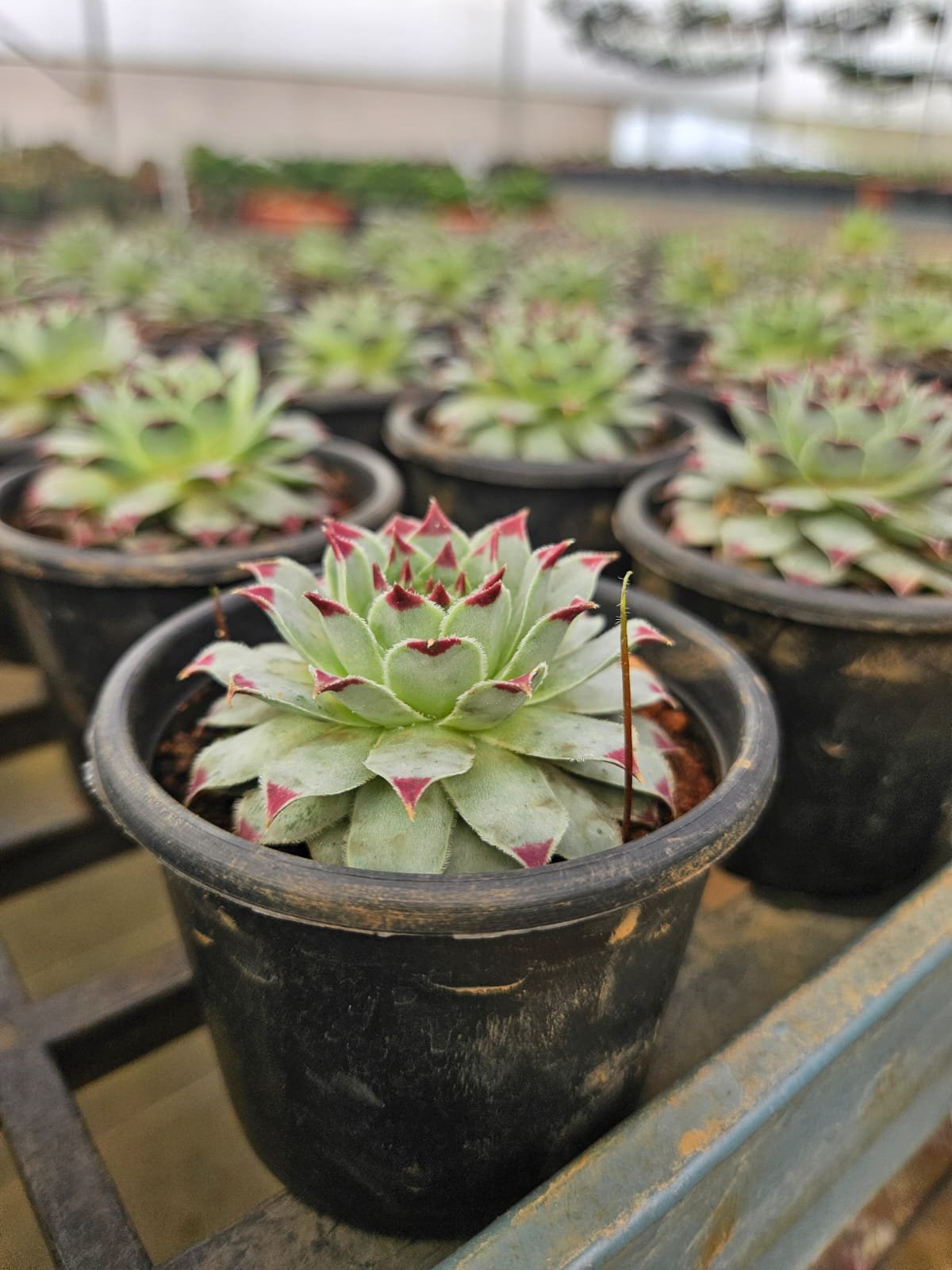
The Laxmi Kamal plant carries the botanical name Epiphyllum oxypetalum, placing it firmly within the fascinating plant family of Cacti & Succulents. More specifically, it belongs to the sub-category of Epiphytic Cacti. Unlike their desert-dwelling cousins, epiphytic cacti like the Laxmi Kamal naturally grow on other plants, such as trees, in their native tropical habitats, rather than in the soil. They are not parasitic but use the host for support, drawing moisture and nutrients from the air and accumulating organic debris.
While the exact origin pinpoints various tropical regions, *Epiphyllum oxypetalum* is native to the rainforests of Central and South America. Its growth habit is that of a trailing or climbing epiphyte. This means its unique, flattened stems can either gracefully cascade downwards, making it perfect for hanging baskets, or be trained to climb upwards with the aid of a support structure. Impressively, these stems can trail up to 2-3 meters in length, creating a lush, green curtain. As an indoor plant, it offers a dramatic focal point, and in shaded outdoor areas, it brings a touch of the tropics. The most anticipated event is its flowering season, which typically occurs from late spring to late summer, specifically from May to September in many Indian climates, when its spectacular white flowers make their grand nocturnal appearance.
Why People Love This Plant
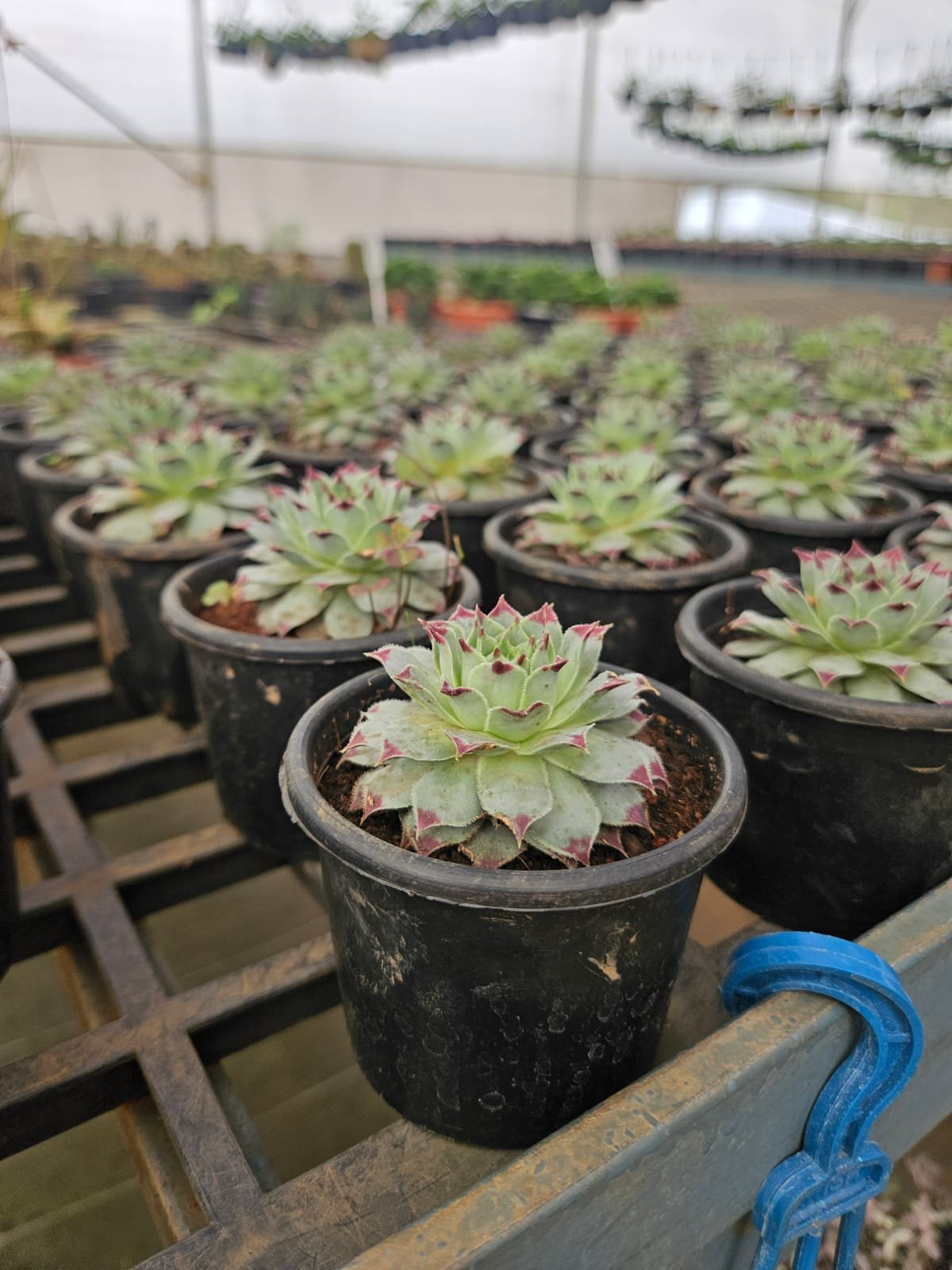
The undeniable charm of the Laxmi Kamal plant stems from a unique combination of its visual appeal, an unforgettable fragrance, and the sheer drama of its flowering cycle. It’s a plant that truly engages all the senses, making it a favourite among plant lovers across India.
Appearance
Unlike traditional cacti, the Laxmi Kamal boasts flattened, leaf-like stems that are vibrant green and somewhat succulent. These unique stems, often mistakenly called leaves, give the plant a distinctive, sculptural quality. They can grow quite long, trailing elegantly or climbing if given support, adding a lush, tropical feel to any space. The overall form of the plant is graceful and exotic, making it a compelling decorative element even when not in bloom.
Flowers
The flowers are undoubtedly the crowning glory of the Laxmi Kamal. These large, spectacular blooms are a pristine pure white, radiating an ethereal glow in the moonlight. What makes them truly special is their nocturnal nature; they famously unfurl only at night, typically opening after sunset and closing by dawn. This brief but stunning performance creates a sense of anticipation and wonder, making each blooming night a truly memorable event. For many, witnessing the Laxmi Kamal’s flowers is a moment of pure magic, a rare spectacle of nature’s artistry.
Foliage
While the term “foliage” might not strictly apply as its flattened stems are not true leaves, these green, fleshy structures are highly decorative. They are the backbone of the plant’s unique aesthetic, providing a rich, green backdrop that highlights the spectacular white blooms when they appear. The unusual form of these stems contributes significantly to the plant’s exotic and architectural appeal, setting it apart from more common houseplants.
Fragrance
The fragrance of the Laxmi Kamal is legendary and a major reason for its immense popularity. When the white flowers open at night, they release an incredibly intense and sweet perfume that can fill an entire room or garden area. This strong, captivating scent is often described as heady and intoxicating, adding another layer to the plant’s allure. It’s an olfactory experience that complements the visual spectacle, making the Queen of the Night a truly multi-sensory delight.
Decorative Value
With its unique flattened stems and spectacular, fragrant nocturnal blooms, the Laxmi Kamal plant offers immense decorative value. It’s perfect for indoor decor, whether placed in a bright living room where its trailing stems can cascade from a high shelf or grown in a hanging basket. For shaded balconies or patios in India, it adds an exotic touch and an unforgettable fragrance to evening gatherings. Its distinct appearance makes it a captivating addition for any plant enthusiast or collector looking for something truly special and dramatic for their home or garden.
Growing Requirements
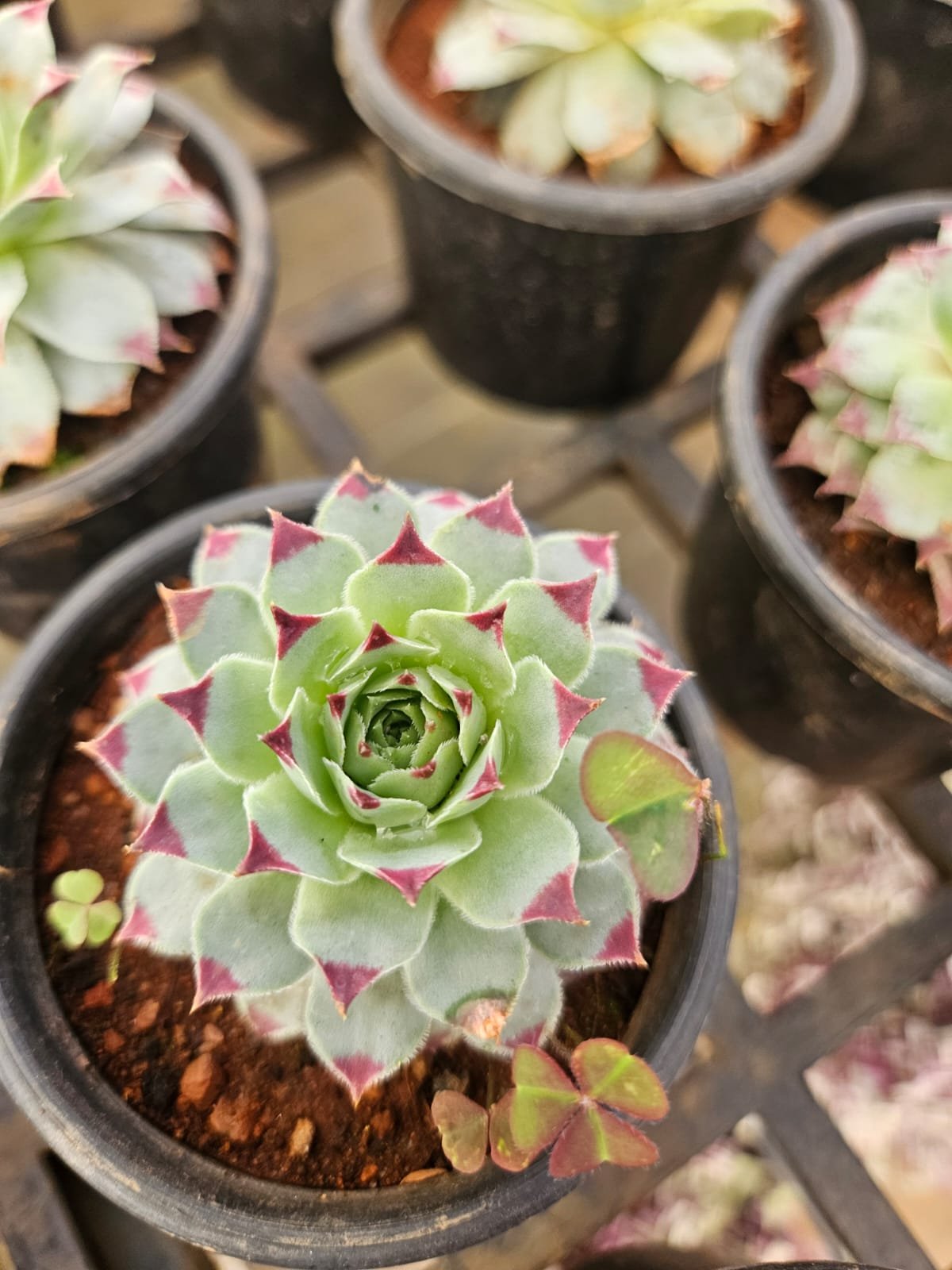
To truly thrive and reward you with its magnificent blooms, the Laxmi Kamal plant has specific growing requirements. Understanding these will help you provide the ideal environment for your Lotus Cactus.
Light
The Laxmi Kamal prefers bright indirect light. As an epiphytic cactus from tropical understories, it naturally grows beneath the canopy of larger trees, receiving dappled sunlight rather than harsh, direct rays. In an Indian home, this means placing it near an east-facing window where it gets gentle morning sun, or a north-facing window for consistent bright light. If placed outdoors, ensure it is in a shaded balcony or patio area. Direct scorching sun, especially during the intense Indian summer, can burn its delicate stems, leading to discolouration and stress.
Water
Moderate watering is key for the Laxmi Kamal. The general rule is to water thoroughly when the top 1-2 inches of soil feel dry to the touch. It’s crucial to allow excess water to drain completely from the pot to prevent waterlogging. During the active growing season (spring and summer), this might mean watering once a week or every ten days, depending on your local climate and humidity. However, during cooler, dormant months (late autumn and winter), significantly reduce the frequency of watering. Always check the soil moisture before watering to avoid overwatering, which is a common problem.
Temperature
The Laxmi Kamal thrives in warm, tropical to subtropical temperatures. It’s well-suited to the Indian climate for most of the year. However, it is important to protect it from extreme cold. While it can tolerate slightly cooler temperatures for short periods, prolonged exposure to temperatures below 10°C can cause damage. If you live in an area with chilly winters, bring your outdoor Laxmi Kamal indoors or provide adequate frost protection.
Humidity
As an epiphytic cactus native to humid rainforests, the Laxmi Kamal appreciates moderate to high humidity. While it can adapt to average household humidity, it will flourish in more humid conditions. In drier Indian climates, especially during summer, you can increase humidity around your Lotus Cactus by misting its stems occasionally or placing its pot on a pebble tray filled with water. Ensure good air circulation to prevent fungal issues.
Soil / Potting Mix
A well-draining, rich potting mix is essential for the Laxmi Kamal plant. Given its epiphytic nature, it needs a mix that retains some moisture but never stays soggy. An orchid or succulent mix enriched with organic matter works wonderfully. You can create your own by mixing regular potting soil with perlite, orchid bark, and a bit of coco coir or compost. This combination provides the necessary aeration, drainage, and nutrients that the roots of the Queen of the Night require.
Fertilizer
During its active growing season (spring and summer), the Laxmi Kamal benefits from regular feeding. Use a balanced liquid fertilizer every 2-4 weeks. A fertilizer with an NPK ratio like 10-10-10 or slightly higher in phosphorus to encourage blooming is ideal. Always dilute the fertilizer to half strength to avoid burning the roots. Stop fertilizing during the cooler, dormant months when the plant’s growth naturally slows down.
How to Care for This Plant
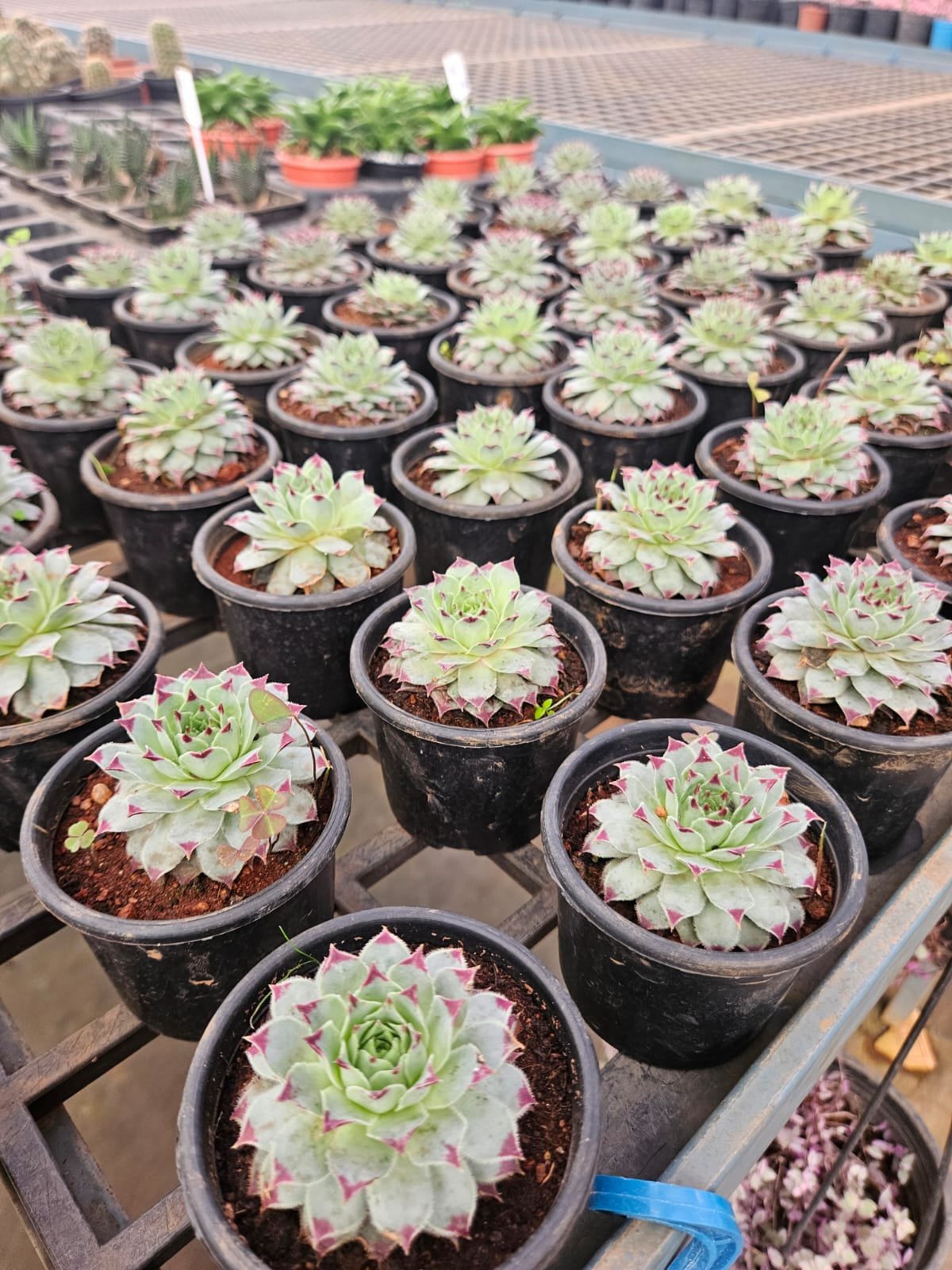
Caring for your Laxmi Kamal plant might seem daunting given its dramatic blooms, but with a few simple steps, you can ensure it thrives and graces your home with its spectacular flowers. Here’s a practical guide:
- Light Placement: Position your Laxmi Kamal in a spot where it receives bright, indirect sunlight. A shaded balcony, a patio with overhead cover, or an indoor location near an east or north-facing window is ideal. Ensure it is protected from the harsh midday and afternoon sun, especially during the peak Indian summer.
- Watering Routine: Always check the top 1-2 inches of the potting mix before watering. If it feels dry, water thoroughly until water drains from the bottom of the pot. Discard any standing water in the saucer. Reduce watering significantly in cooler months when the plant is less active. Err on the side of underwatering rather than overwatering.
- Humidity Boost: While not strictly necessary, providing a humid environment can encourage healthier growth for your Lotus Cactus. Regular misting of the stems or placing the pot on a pebble tray filled with water (making sure the pot itself isn’t sitting in water) can be beneficial, especially in dry climates.
- Feeding Schedule: During spring and summer, feed your Laxmi Kamal plant every 2-4 weeks with a diluted balanced liquid fertilizer. This provides the necessary nutrients for vigorous stem growth and flower production. Remember to cease fertilizing during its dormant period in autumn and winter.
- Support and Pruning: As a trailing or climbing epiphyte, decide if you want your Laxmi Kamal to cascade or climb. If climbing, provide a sturdy support structure like a trellis or moss pole. For a bushier plant, you can prune back overly long or leggy stems. Pruning can also help maintain shape and encourage new growth.
- Repotting: The Laxmi Kamal generally prefers to be slightly pot-bound, which can even encourage more blooms. Repot only when necessary, typically every 2-3 years, or when the plant has outgrown its current pot. Choose a pot that is only slightly larger than the previous one and use a fresh, well-draining potting mix.
- Winter Care: Protect your Queen of the Night from extreme cold. If grown outdoors, move it indoors to a sheltered spot when temperatures drop significantly. Ensure it still receives bright indirect light during winter, even if indoors.
Common Problems and Solutions
Even with the best care, your Laxmi Kamal plant might encounter a few challenges. Here are some common problems and their solutions to help you keep your Lotus Cactus healthy and vibrant:
- Yellow Leaves/Stems: Often a clear sign of overwatering or root rot.
- Solution: Reduce watering frequency and ensure the potting mix is well-draining. Check the roots for rot (mushy, dark roots); if found, prune affected roots and repot into fresh, well-draining soil.
- Lack of Blooming: If your Laxmi Kamal isn’t flowering, several factors could be at play.
- Solution: Ensure it receives sufficient bright indirect light. Immature plants may not flower; give them time. Provide a balanced fertilizer during the growing season. Ensure a period of cooler, drier conditions in winter can also help stimulate flowering.
- Pests (Mealybugs & Scale Insects): These sap-sucking pests can weaken the plant.
- Solution: Inspect your plant regularly. For small infestations, dab pests with a cotton swab dipped in rubbing alcohol. For larger issues, use neem oil spray or an insecticidal soap, following product instructions carefully.
- Slow Growth: If your plant seems to be growing very slowly or looks stunted.
- Solution: Check if it’s getting enough bright indirect light. Ensure it’s receiving adequate nutrients through regular fertilization during the growing season. Confirm the potting mix is appropriate and not compacted.
- Soft, Mushy Stems: Another symptom often linked to overwatering and root rot.
- Solution: Similar to yellowing leaves, improve drainage and adjust your watering schedule. Affected stems might need to be removed to prevent spread.
Benefits
Beyond its striking beauty, the Laxmi Kamal plant offers several benefits that make it a truly rewarding addition to any home or garden.
Spectacular Nocturnal Blooms
The most celebrated benefit is undoubtedly its breathtaking nocturnal flowers. These large, pure white blooms are a rare sight, unfolding dramatically only at night and closing by morning. This unique characteristic makes it an exclusive showstopper, offering a private, magical spectacle that truly brightens up the night.
Intense Sweet Fragrance
Accompanying its visual charm is an intoxicatingly sweet and strong fragrance that fills the air when the flowers open. This rich perfume creates an ambiance of serenity and luxury, making your home or balcony garden a delightful place to unwind after a long day. It’s a sensory experience that lingers long after the flowers have closed.
Unique Aesthetic
Even without its flowers, the Laxmi Kamal stands out with its flattened, leaf-like stems. These give the plant an exotic and sculptural quality, adding a unique texture and form to your plant collection. Whether trailing from a hanging basket or climbing a support, its distinctive appearance contributes significantly to home decoration.
Relatively Low Maintenance
Despite its dramatic floral show, the Queen of the Night is surprisingly low maintenance. Once its basic needs for light, water, and soil are met, it doesn’t demand constant attention. This makes it an ideal plant for both seasoned enthusiasts and those new to gardening, offering maximum impact for minimal effort.
Pet-Friendly
For homes with furry friends, the Laxmi Kamal is a wonderful choice as it is non-toxic to pets. This provides peace of mind, allowing you to enjoy its beauty and fragrance without worrying about your beloved cats or dogs.
Ideal for Shaded Balconies and Patios
Its requirement for bright indirect light makes the Laxmi Kamal perfect for shaded balconies or patios in Indian climates. It thrives in these conditions, bringing a touch of tropical elegance and an unforgettable fragrance to outdoor living spaces.
Frequently Asked Questions
When does Laxmi Kamal typically bloom?
The Laxmi Kamal, or Queen of the Night, typically blooms from late spring to late summer. In many parts of India, this means you can expect its magnificent white flowers to unfurl nocturnally between May and September, depending on local climate conditions and plant maturity.
How often should I water my Lotus Cactus (Laxmi Kamal)?
You should water your Lotus Cactus moderately. The best practice is to water thoroughly when the top 1-2 inches of the potting mix feel dry to the touch. Always ensure proper drainage. During the cooler, dormant months, significantly reduce the frequency of watering to prevent root rot.
Is the Laxmi Kamal plant suitable for indoor growing in India?
Yes, the Laxmi Kamal plant is perfectly suitable for indoor growing in India. It thrives indoors when provided with bright indirect light, such as near an east or north-facing window. Its unique aesthetic and fragrant nocturnal blooms make it an enchanting addition to any indoor space, as long as it’s protected from direct harsh sunlight and extreme cold.
Final Thoughts
The Laxmi Kamal, or Lotus Cactus, is more than just a plant; it’s an experience. Its enchanting nocturnal blooms, coupled with an intense sweet fragrance and distinctive appearance, make it a treasured gem in any plant collection. By understanding its specific needs for bright indirect light, moderate watering, and a well-draining potting mix, you can cultivate this Queen of the Night and witness its spectacular beauty firsthand. Its relatively low maintenance demands and pet-friendly nature only add to its appeal, making it a wonderful choice for plant enthusiasts across India.
Bringing the magic of the Laxmi Kamal into your home is an invitation to connect with nature’s most dramatic artistry. With the practical advice shared here, you are well-equipped to nurture this extraordinary plant and enjoy its unforgettable display. Plantrea is the online plant platform from Wynorg, helping plant lovers across India discover quality plants, practical growing advice, and trusted nursery sourcing. We are committed to supporting your gardening journey, ensuring you have access to the knowledge and plants you need to create your own green haven.
Interested in This Plant?
The Laxmi Kamal is truly a plant that captivates with its unique beauty and enchanting nocturnal blooms. If you’ve been inspired by the magic of the Lotus Cactus and are eager to add this Queen of the Night to your collection, we invite you to explore further.
Our Plant Expert chat, conveniently located at the bottom-right corner of every page, is your direct line to personalized gardening assistance. You can use this helpful feature to check whether the beautiful Laxmi Kamal plant is currently available, ensuring you don’t miss out on its mesmerizing charm. Our experts are also on hand to provide personalized plant recommendations tailored to your specific home or garden conditions, helping you find the perfect botanical companions.
Beyond availability and recommendations, the Plant Expert is a fantastic resource for all your plant care questions. Whether you need tips on coaxing more blooms from your Laxmi Kamal or advice on general maintenance, our experienced gardening assistant is there to help. And should the Laxmi Kamal plant not be available at the moment, our Plant Expert can even help you discover suitable alternatives that offer similar beauty or fragrance, ensuring your gardening dreams continue to blossom.
Want to buy this plant? Visit https://plantrea.com/shop-2/