Katheki Longan: A Comprehensive Growing Guide for Indian Gardens
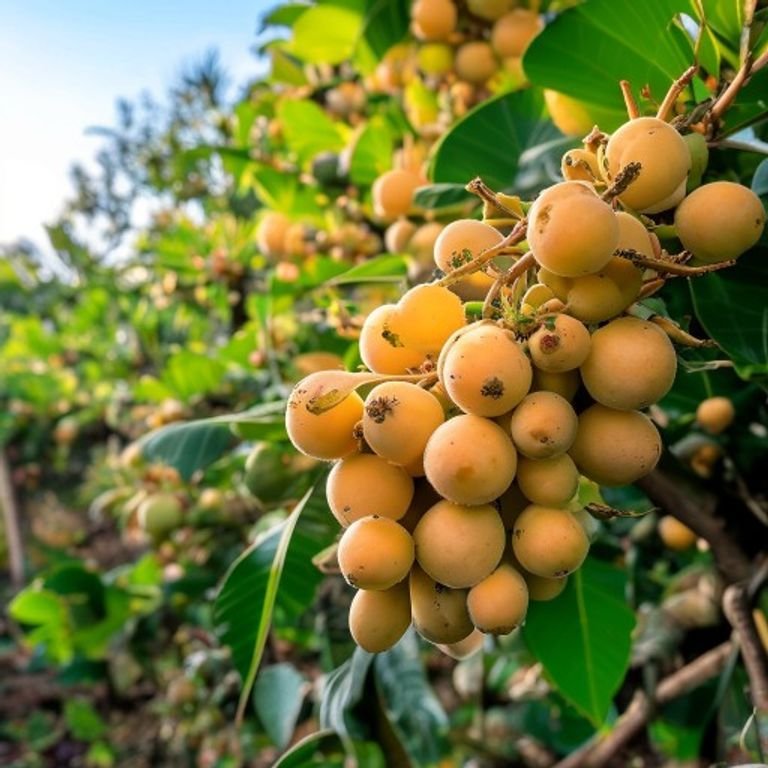
There’s a special joy in growing your own fruit, and the Katheki longan tree brings an abundance of that joy to Indian homes and gardens. Known for its sweet, succulent fruit often called ‘dragon’s eye’ due to its appearance when shelled, the Katheki longan is a delightful addition for any fruit tree enthusiast. Its lush foliage and bountiful harvests make it a cherished plant, providing not just delicious fruit but also a touch of tropical beauty to your surroundings. Whether you have a spacious garden or a large balcony, understanding the needs of this wonderful tree can lead to years of sweet rewards. Plantrea is the online plant platform by Wynorg, a trusted Indian brand known for delivering healthy live plants safely across India, and we’re here to help you cultivate a thriving Katheki longan.
The Katheki longan is more than just a fruit tree; it’s a piece of nature that connects us to the simple pleasures of homegrown produce. Its relatively low maintenance once established, combined with its attractive appearance, makes it a popular choice for gardeners across various Indian climatic zones, especially those with warmer temperatures. Let’s delve into what makes the Katheki longan such a beloved plant and how you can ensure it flourishes under your care.
Botanical Overview
The Katheki longan is a cultivar of the species Dimocarpus longan, belonging to the Sapindaceae family, which also includes other popular tropical fruits like lychee and rambutan. This botanical family is renowned for its delicious, often sweet and juicy fruits.
- Botanical Name: Dimocarpus longan (Katheki cultivar)
- Plant Family: Sapindaceae
- Origin: Native to Southeast Asia, particularly China, India, and Sri Lanka.
- Plant Type: Evergreen fruit tree.
- Growth Habit: The Katheki longan typically grows into a medium to large-sized tree with a dense, rounded canopy. It’s a relatively slow-growing tree in its early years but gains vigor with maturity.
Why People Love This Plant
The charm of the Katheki longan extends beyond its delectable fruit. Gardeners and fruit lovers cherish this tree for several compelling reasons:
Appearance
Katheki longan trees are quite attractive. They boast dense, evergreen foliage with shiny, leathery leaves that are dark green on the upper surface and slightly paler underneath. The leaves are pinnate, meaning they are composed of multiple leaflets arranged along a central stem. This lush canopy provides excellent shade and a tropical aesthetic to any garden or landscape.
Flowers
The flowers of the Katheki longan are small, yellowish-white, and inconspicuous, but they appear in large, upright panicles (flower clusters) at the ends of the branches. While not visually showy, these flowers are incredibly important as they lead to the tree’s coveted fruit. They are mildly fragrant and attract a variety of pollinators, essential for a good fruit set.
Foliage
The vibrant, evergreen foliage of the Katheki longan ensures that your garden remains green and lively throughout the year. New flushes of leaves often emerge with a reddish or bronze tint before maturing to a deep green, adding dynamic visual interest.
Fragrance
While the leaves themselves are not particularly fragrant, the clusters of small flowers emit a subtle, sweet aroma during the flowering season, which is appealing to bees and other pollinators.
Decorative Value
Beyond its fruit-bearing capacity, a well-grown Katheki longan tree makes an excellent ornamental specimen. Its symmetrical canopy and evergreen nature are perfect for adding structure and year-round greenery to large gardens, farmhouses, or as a shade tree in parks. In its younger stages, it can also be a striking potted plant for patios before needing to be transplanted into the ground.
Growing Requirements
To ensure your Katheki longan tree thrives and yields abundant fruit, understanding its specific growing requirements is crucial. Here’s what you need to know:
Light
Katheki longan trees are sun-loving plants. They require a minimum of 6-8 hours of direct sunlight per day to grow vigorously and produce fruit. Plant your Katheki longan in a location that receives full sun exposure throughout the day. In areas with extremely intense afternoon sun, some very light, dappled shade during the hottest part of the day might be beneficial for very young plants, but mature trees prefer full sun.
Water
Consistent watering is vital for the Katheki longan, especially during its establishment phase and while fruiting. Young trees need regular, deep watering to develop a strong root system. Once established, the tree is somewhat drought-tolerant but will perform best with regular irrigation, particularly during dry spells and when flowers and fruits are developing. Overwatering can lead to root rot, so ensure the soil drains well. Check the top 2-3 inches of soil; if it feels dry, it’s time to water.
Temperature
Being a tropical fruit tree, the Katheki longan thrives in warm, humid climates. Ideal temperatures range from 20°C to 35°C. It is sensitive to frost and prolonged cold temperatures, which can damage the foliage and even kill young trees. In colder regions of India, protection during winter months might be necessary for young plants, or it may need to be grown in a greenhouse.
Humidity
Moderate to high humidity is preferred by the Katheki longan, typical of its native tropical environment. Indian climates, especially coastal and southern regions, generally provide suitable humidity levels. Dry air can sometimes stress the plant, but this is rarely an issue in most parts of India.
Soil
The Katheki longan prefers well-draining, fertile soil. It can adapt to a range of soil types, from sandy loams to heavier clays, as long as they offer good drainage. Waterlogged soil is detrimental. A slightly acidic to neutral pH (6.0-7.0) is generally ideal for optimal nutrient uptake.
Potting Mix
If you’re growing a young Katheki longan in a pot, use a high-quality, well-draining potting mix. A good blend would include coco peat, perlite, vermiculite, and some compost or well-rotted manure to provide nutrients. Ensure the pot has ample drainage holes to prevent water accumulation at the bottom.
Fertilizer
Regular fertilization is essential for healthy growth and prolific fruiting of the Katheki longan. For young trees, apply a balanced granular fertilizer (e.g., 8-8-8 or 10-10-10 NPK) every 2-3 months during the growing season. As the tree matures and begins to fruit, switch to a fertilizer higher in phosphorus and potassium (e.g., 6-8-10 NPK) to promote flowering and fruit development. Organic options like well-rotted cow dung manure or compost can also be incorporated annually, especially before the flowering season. Always follow the manufacturer’s instructions for application rates.
How to Care for This Plant
Caring for your Katheki longan tree involves a few key practices that will ensure its health and productivity:
- Planting: When planting a young Katheki longan, dig a hole that is twice as wide and just as deep as the root ball. Carefully remove the plant from its nursery pot, loosen any circling roots, and place it in the hole so that the top of the root ball is level with the surrounding soil. Backfill with soil, gently tamp down to remove air pockets, and water thoroughly.
- Watering Schedule: Establish a consistent watering schedule. Young Katheki longan trees might need watering every 2-3 days in hot, dry weather. Mature trees can tolerate longer periods between waterings but will benefit from deep watering once a week or every two weeks during dry seasons. Reduce watering during the cooler, dormant months.
- Pruning: Pruning is crucial for shaping the Katheki longan tree, encouraging branching, and improving fruit production.
- Formative Pruning: In the early years, prune to establish a strong central leader and 3-5 well-spaced scaffold branches. Remove any weak or crossing branches.
- Maintenance Pruning: Annually after harvesting, remove dead, diseased, or damaged branches. Thin out the canopy to improve air circulation and light penetration, which can boost fruit quality and reduce disease risk.
- Rejuvenation Pruning: For older, less productive trees, some heavier pruning can stimulate new growth and improve fruit set.
- Pest and Disease Management: Regularly inspect your Katheki longan for signs of pests or diseases. Early detection makes treatment easier. Use organic pest control methods like neem oil spray or insecticidal soap for common pests. Ensure good air circulation and avoid overwatering to prevent fungal issues.
- Harvesting: Katheki longan fruits are typically ready for harvest between June and August in India, though this can vary by region and cultivar. Fruits ripen about 120-150 days after flowering. They are ready when their skin turns light brown, and they feel slightly soft to the touch. The sweetness also indicates ripeness. Harvest by cutting entire fruit clusters to avoid damaging individual fruits or the tree.
- Seasonal Care:
- Summer: Ensure adequate watering during hot, dry spells. Mulch around the base of the tree to retain soil moisture.
- Monsoon: Monitor drainage to prevent waterlogging. Ensure good air circulation.
- Winter: Protect young Katheki longan trees from frost if you are in a cooler region. Reduce watering as the tree’s metabolic activity slows down.
Common Problems and Solutions
Even with the best care, your Katheki longan might encounter some issues. Here are common problems and how to address them:
- Yellow Leaves:
- Cause: Often due to nutrient deficiency (especially iron or zinc), overwatering (leading to root rot), or underwatering.
- Solution: Check soil moisture; adjust watering. Apply a balanced fertilizer or a micronutrient supplement if deficiency is suspected. Ensure good drainage.
- Pests:
- Cause: Common pests include aphids, mealybugs, scale insects, and fruit flies.
- Solution: For aphids and mealybugs, use a strong jet of water, insecticidal soap, or neem oil. For fruit flies, use fruit fly traps or cover developing fruits with mesh bags. Regular inspection helps in early detection.
- Fungal Diseases:
- Cause: Powdery mildew, anthracnose, or other fungal spots, often exacerbated by high humidity and poor air circulation.
- Solution: Prune to improve air circulation. Remove and destroy affected leaves. Apply appropriate organic fungicides if necessary.
- Root Rot:
- Cause: Primarily caused by consistently waterlogged soil due to overwatering or poor drainage.
- Solution: Improve soil drainage. Reduce watering frequency. If in a pot, repot with fresh, well-draining soil and ensure drainage holes are clear.
- Poor Flowering/Fruiting:
- Cause: Insufficient sunlight, nutrient imbalance, lack of proper pruning, or unsuitable climate (too cold).
- Solution: Ensure full sun exposure. Fertilize with a phosphorus and potassium-rich formula before flowering. Prune correctly to encourage fruit wood.
- Slow Growth:
- Cause: Inadequate light, poor soil nutrition, insufficient watering, or compacted soil.
- Solution: Provide ample sunlight. Improve soil fertility with compost and balanced fertilizer. Ensure consistent watering and good soil aeration.
- Leaf Drop:
- Cause: A sign of stress, often due to sudden environmental changes, severe over/underwatering, or extreme temperatures (especially cold).
- Solution: Identify and rectify the stressor. Ensure consistent care and stable environmental conditions for your Katheki longan.
Benefits
The Katheki longan tree offers a multitude of benefits, making it a valuable addition to any Indian garden:
- Home Decoration & Landscaping: With its dense, evergreen canopy, the Katheki longan provides excellent shade and a lush, tropical aesthetic. It can be a beautiful focal point in a large garden or used in group plantings for an orchard effect.
- Edible Fruit: The primary benefit is its delicious, sweet, and juicy fruit. Katheki longan fruits are highly prized for their unique flavour and can be eaten fresh, dried, or used in desserts and beverages.
- Economic Value: For those with sufficient space, growing Katheki longan can also have economic benefits, as the fruit is popular in local markets.
- Pollinator Friendly: The small, fragrant flowers attract bees and other beneficial insects, contributing to local biodiversity and supporting the ecosystem.
Frequently Asked Questions
How long does Katheki longan take to fruit?
Katheki longan trees grown from seed can take 5-7 years or even longer to bear fruit. However, grafted trees, which are more commonly available from nurseries, typically begin to produce fruit much sooner, often within 2-3 years after planting, given optimal growing conditions.
What is the best way to prune a Katheki longan tree?
The best time to prune a Katheki longan tree is right after harvesting the fruit. Focus on removing dead, diseased, or crossing branches. You should also thin out the canopy to allow for better light penetration and air circulation, which helps improve fruit quality and reduce the risk of fungal diseases. For young trees, prune to establish a strong scaffold structure.
Can I grow Katheki longan in a pot?
Yes, you can grow a young Katheki longan tree in a large pot for a few years, especially if you have limited space like a balcony or patio. Choose a very large pot (at least 20-25 gallons or larger for a mature plant, which will still be smaller than if planted in ground) with excellent drainage. You will need to repot it into increasingly larger containers as it grows, or eventually transplant it into the ground if space permits. Potted Katheki longan trees will require more frequent watering and feeding than those in the ground.
Final Thoughts
Growing a Katheki longan tree is a rewarding endeavor that brings both beauty and delicious fruit to your garden. With the right care, including ample sunlight, consistent watering, and thoughtful pruning, your Katheki longan can thrive in the Indian climate, providing you with bountiful harvests for years to come. It’s a plant that connects you to nature, offering the simple pleasure of picking fresh fruit right from your own tree.
As you embark on your journey with the Katheki longan or explore other horticultural passions, remember that Plantrea is the online plant platform from Wynorg, helping plant lovers across India discover quality plants, practical growing advice, and trusted nursery sourcing. We are committed to fostering your love for gardening and ensuring you have all the resources you need for a flourishing green space.
Interested in This Plant?
If the fascinating world of the Katheki longan has captivated your imagination, and you’re considering adding this delightful fruit tree to your collection, we’re here to help! Our Plant Expert chat, conveniently located at the bottom-right corner of every page, is your direct line to experienced gardening advice.
You can use the Plant Expert to quickly check whether the Katheki longan is currently available for purchase through Plantrea. Our experts can also provide you with personalised plant recommendations tailored to your specific home or garden conditions, ensuring you choose the perfect plants for your space. Have more questions about Katheki longan care, pruning techniques, or pest management? Our Plant Expert is ready to answer all your queries.
And if, by any chance, the Katheki longan isn’t quite right for your needs or is temporarily unavailable, our Plant Expert can help you discover suitable alternatives that offer similar benefits and aesthetic appeal. Think of them as your friendly, knowledgeable gardening assistant, dedicated to helping you achieve your green thumb dreams.
Want to buy this plant? Visit https://plantrea.com/shop-2/