Moringa Tree – Nutrient-Dense Drumstick Plant | Wynorg Nursery
The Moringa tree, often affectionately known as the Drumstick tree, holds a special place in Indian homes and gardens. Revered not just for its ease of cultivation but also for its incredible nutritional profile, this fast-growing tree is a true gift of nature. From its tender leaves used in curries and dals to its elongated, flavourful pods, every part of the Moringa tree offers a wealth of health benefits and culinary versatility. It’s a staple in many Indian kitchens, cherished for both its medicinal properties and its role in delicious traditional dishes. For those looking to grow their own superfoods, the Moringa tree is an undeniable favourite.
At Plantrea, the online plant platform by Wynorg, a trusted Indian brand known for delivering healthy live plants safely across India, we understand the enduring appeal of such valuable plants. Our mission is to connect plant enthusiasts with robust, well-nurtured saplings and provide all the knowledge needed to help them thrive in your home and garden. The Moringa tree is a prime example of a plant that truly gives back, offering continuous harvests of highly nutritious food with minimal effort, making it a perfect addition to any Indian garden, big or small.
Botanical Overview
The Moringa tree, scientifically known as Moringa oleifera, belongs to the family Moringaceae. Originating from the Indian subcontinent, it is a deciduous tree widely cultivated in tropical and subtropical regions around the world. As an outdoor plant, it exhibits a rapid, upright growth habit, quickly establishing itself in suitable conditions. Moringa trees can reach impressive heights, typically growing between 15 to 30 feet, though they are often pruned to a more manageable size for easier harvesting. Its resilience and adaptability make it a popular choice for diverse landscapes.
Why People Love This Plant
Appearance
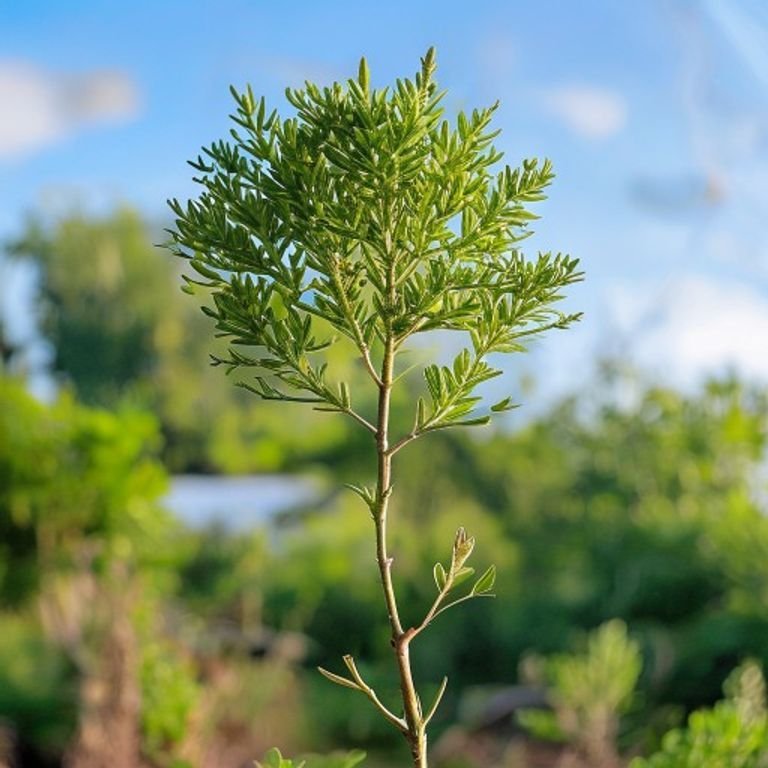
The Moringa tree is characterized by its graceful, open canopy and delicate, fern-like leaves. Its overall appearance is quite pleasing, making it a practical yet attractive addition to a garden space. Even though it’s primarily known for its utility, its light foliage and slender branches create a pleasant visual texture.
Flowers
Moringa produces small, creamy-white flowers that emerge in clusters, often year-round in tropical climates like India. While not overtly showy, these flowers are delicately scented and an important part of the tree’s life cycle, eventually developing into the prized drumstick pods. They are also edible and can be a delightful addition to salads or cooked dishes.
Foliage
The true star of the Moringa tree, its foliage, consists of small, oval-shaped leaflets arranged pinnately. These vibrant green leaves are not just aesthetically pleasing but are incredibly nutrient-dense, packed with vitamins, minerals, and antioxidants. They are harvested frequently for culinary and medicinal purposes, providing a continuous supply of fresh, healthy greens.
Decorative Value
While often grown for its edible parts, the Moringa tree’s fast growth and relatively compact nature (when pruned) allow it to serve as a quick privacy screen or a lovely backdrop in a kitchen garden. Its light, airy appearance prevents it from overwhelming smaller spaces, and its continuous production of leaves and pods adds a dynamic element to the garden.
Growing Requirements
The Moringa oleifera is incredibly adaptable and forgiving, making it an ideal drumstick tree for beginners. Understanding its basic needs will ensure a healthy and productive plant.
Light
Moringa thrives in full sun, requiring at least 6-8 hours of direct sunlight daily. In the Indian climate, ensure it receives ample sunlight for robust growth and abundant yield. While it can tolerate some partial shade, growth and production will be significantly reduced.
Water
Once established, the Moringa tree is remarkably drought-tolerant, thanks to its extensive root system. During its initial growth phase (first 1-2 years), water regularly to help it establish. After that, deep watering once a week during dry periods is usually sufficient. Overwatering can lead to root rot, so ensure good drainage.
Temperature
As a tropical plant, Moringa loves warm temperatures and thrives in the Indian climate. It prefers temperatures between 25°C to 35°C but can tolerate higher heat. It is not frost-tolerant, so protect young plants from cold snaps if grown in cooler regions.
Humidity
Moringa is not particularly fussy about humidity and adapts well to the varying humidity levels found across India. Average to high humidity is generally fine, but good air circulation is always beneficial.
Soil
This superfood tree is not particular about soil types and can grow in almost any well-draining soil. However, it performs best in well-drained, sandy loamy soils with a pH between 6.0 and 7.5. Avoid heavy clay soils that retain too much water, as this can lead to root issues.
Potting Mix
If growing a young Moringa oleifera in a pot, use a good quality, well-draining potting mix. A mixture of garden soil, coco peat, and perlite or sand in equal parts works well. Ensure the pot has ample drainage holes. As the plant grows, it will need to be transplanted to the ground or a very large container due to its potential height.
Fertilizer
Moringa is not a heavy feeder, especially once established in nutrient-rich soil. However, for continuous harvesting of leaves and pods, a balanced organic fertilizer applied once every 2-3 months during the growing season can be beneficial. Compost or well-rotted farmyard manure worked into the soil around the base of the tree is an excellent way to provide nutrients naturally.
How to Care for This Plant
Caring for your Moringa, or drumstick tree, is straightforward, making it an excellent choice for a productive kitchen garden. Here’s a practical guide:
- Planting: Choose a sunny spot with well-draining soil. Dig a pit large enough to accommodate the root ball. Plant the sapling at the same depth it was in its nursery pot.
- Initial Watering: Water thoroughly after planting to settle the soil around the roots. For the first few months, ensure regular watering to help the plant establish a strong root system.
- Pruning for Management: Moringa is a fast-growing plant and can quickly reach towering heights. Regular pruning is crucial, especially for an edible plant, to maintain a manageable height (typically 6-10 feet) for easy harvesting of leaves and drumsticks. Prune back branches after flowering or pod production. You can also prune off the top growth once the tree reaches about 3-4 feet to encourage a bushier habit, which makes harvesting even easier.
- Harvesting Leaves: You can start harvesting Moringa leaves once the plant is about 1-2 feet tall. Simply pluck the young, tender leaves as needed. Regular harvesting encourages new growth.
- Harvesting Drumsticks: Drumsticks (pods) usually appear 6-8 months after planting. Harvest them when they are young and tender, before they become tough and fibrous. They should snap easily.
- Weed Control: Keep the area around the base of the tree free of weeds, especially when the plant is young, to prevent competition for nutrients and water.
- Pest and Disease Monitoring: While relatively resistant, always keep an eye out for any signs of pests or diseases. Early detection makes treatment easier.
Common Problems and Solutions
While the Moringa tree is generally hardy, some issues can arise. Here’s how to address them:
- Yellow Leaves: This often indicates overwatering or nutrient deficiency. Check soil moisture and ensure good drainage. If the soil is dry, it could be underwatering. Apply a balanced organic fertilizer if nutrient deficiency is suspected.
- Pests: Termites are a common issue for Moringa, especially in drier regions. Inspect the base of the trunk for termite mounds or tunnels. Use organic termiticides or consult a local expert for severe infestations. Other occasional pests might include aphids or caterpillars; neem oil spray is an effective organic solution.
- Fungal Diseases: Rare but can occur in overly wet or humid conditions without good air circulation. Ensure proper spacing and drainage. Prune to improve airflow within the canopy. Remove affected parts immediately.
- Root Rot: The most common problem caused by waterlogging. Prevent this by planting in well-draining soil and avoiding overwatering. Once established, Moringa prefers drier conditions.
- Poor Flowering: Insufficient sunlight is a primary cause. Ensure your Moringa oleifera receives full sun. Nutrient deficiencies can also play a role; a balanced organic feed might help.
- Slow Growth: Often due to insufficient sunlight, poor soil, or lack of water during establishment. Address these basic needs, and your fast-growing Moringa tree should pick up pace.
- Leaf Drop: While Moringa is deciduous and naturally sheds leaves in colder or very dry conditions, sudden leaf drop might indicate extreme stress from drought, waterlogging, or sudden temperature changes.
- Can Become Weedy: Moringa seeds sprout readily. To prevent it from becoming weedy in your garden, collect pods before they fully mature and burst open, or remove volunteer seedlings if you don’t want them. Regular pruning also helps manage seed production.
Benefits
The Moringa tree is truly a powerhouse of nutrition and versatility, earning it the title of a “superfood tree.”
- Edible Drumsticks and Leaves: Both the pods (drumsticks) and the leaves are highly prized in Indian cuisine. Drumsticks are used in sambar, curries, and stews, while the leaves are excellent in stir-fries, dals, and traditional greens preparations.
- Highly Nutritious: Moringa leaves are incredibly rich in vitamins A, C, E, and K, as well as calcium, potassium, iron, and protein. They contain a complete range of essential amino acids and numerous antioxidants, making them one of the most nutrient-dense plants available.
- Fast Growing: Its rapid growth rate means you can start harvesting leaves within months of planting, providing a quick and continuous supply of fresh, healthy produce.
- Drought Tolerant: Once established, the Moringa tree is remarkably drought-resistant, making it a sustainable choice for many Indian regions, even those with limited water resources.
- Kitchen Gardening: Perfect for any kitchen garden, big or small, offering a continuous supply of fresh ingredients.
- Nutritional Gardens: An essential plant for those focusing on nutrient-rich food production for health and well-being.
- Balcony Gardening (with care): While it prefers the ground, a young Moringa can be grown in a large container on a sunny balcony, though regular pruning will be essential to manage its size.
Frequently Asked Questions
Here are some common questions about growing and using your Moringa tree:
FAQ 1: How long until drumsticks?
You can typically expect your Moringa tree to start producing drumsticks (pods) within 6-8 months of planting, provided it’s in a sunny location and cared for well.
FAQ 2: Can I eat Moringa leaves raw?
Yes, Moringa leaves are perfectly safe and highly nutritious to eat raw. You can add them to salads, smoothies, or sandwiches. They have a slightly pungent, peppery taste that mellows when cooked.
FAQ 3: How can I use Moringa for nutrition?
Beyond eating the fresh leaves and drumsticks, a popular method is to dry the leaves and grind them into a powder. This Moringa leaf powder can then be added to smoothies, soups, stews, or even sprinkled over meals as a nutritional supplement, retaining much of its beneficial content.
Final Thoughts
The Moringa tree truly stands out as an exceptional plant for any Indian home or garden. Its resilience, rapid growth, and unparalleled nutritional value make it a smart and sustainable choice for anyone looking to incorporate more wholesome, home-grown food into their diet. From its versatile leaves to its delicious drumsticks, the benefits are endless, and the care is surprisingly simple. Embracing the Moringa tree is not just about growing a plant; it’s about cultivating health and self-sufficiency in your own backyard.
Plantrea is the online plant platform from Wynorg, helping plant lovers across India discover quality plants, practical growing advice, and trusted nursery sourcing. We are committed to fostering a love for plants and empowering gardeners with the knowledge they need to succeed.
Interested in This Plant?
The Moringa tree is an incredible addition to any garden, offering a wealth of nutritional benefits and ease of care. If you’re considering adding this superfood tree to your home or have more specific questions about its cultivation in your local conditions, our Plant Expert chat is here to help.
Our knowledgeable Plant Expert is ready to assist you. You can use the chat to quickly check if the Moringa tree is currently available for purchase through Plantrea. You can also get personalised plant recommendations tailored to your specific home or garden environment, ensuring the Moringa or any other plant thrives with you.
Don’t hesitate to ask any questions you might have about Moringa tree care and maintenance – from pruning techniques to pest prevention. If for any reason the Moringa isn’t quite right for your space, or if it’s currently unavailable, our Plant Expert can also help you discover suitable alternatives that offer similar benefits or growing characteristics. Just look for the chat icon at the bottom-right corner of your screen.
Want to buy this plant? Visit https://plantrea.com/shop-2/