Variegated Natal Plum Care Guide: Grow Beautiful Carissa macrocarpa ‘Variegata’ in India
The Variegated Natal Plum, with its striking foliage and fragrant blooms, is a true gem for Indian homes and gardens. Its resilience, combined with its ornamental beauty, makes it a popular choice among plant enthusiasts, whether they are just starting their green journey or have years of gardening experience. This beautiful shrub brings a touch of the exotic with its glossy, leathery leaves edged in creamy white, making it a focal point wherever it’s placed. It’s not just a feast for the eyes; the sweet scent of its star-shaped flowers adds a delightful fragrance to the air, and for those patient enough, it offers edible fruits (when ripe!).
Caring for the Variegated Natal Plum is a rewarding experience, as it thrives with relatively little fuss once established. If you’re looking for detailed, practical advice to help your Variegated Natal Plum flourish, you’ve come to the right place. Plantrea is the online plant platform by Wynorg, a trusted Indian brand known for delivering healthy live plants safely across India. We believe every gardener deserves success, and this guide is designed to provide you with all the essential knowledge to grow a magnificent Variegated Natal Plum.
Botanical Overview
The Variegated Natal Plum is a cultivar of the species *Carissa macrocarpa*. Let’s delve into its botanical details:
- Botanical Name: *Carissa macrocarpa ‘Variegata’*
- Plant Family: Apocynaceae (Dogbane family), which also includes popular plants like Oleander and Frangipani.
- Origin: The parent species, *Carissa macrocarpa*, is native to the coastal regions of Southern Africa, particularly the KwaZulu-Natal province, hence the “Natal” in its common name.
- Plant Type: This is an evergreen, woody shrub.
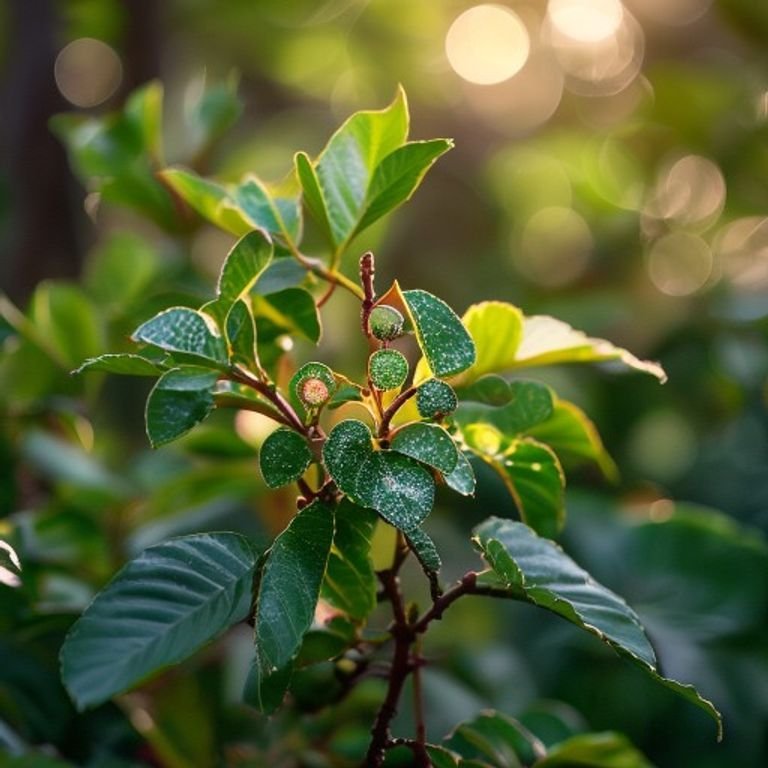
- Growth Habit: It typically exhibits a dense, bushy, and somewhat sprawling growth habit. The ‘Variegata’ cultivar tends to grow a bit slower than the non-variegated form but still forms a substantial shrub. It has stout, Y-shaped thorns, so handle with care!
Why People Love This Plant
There are numerous reasons why the Variegated Natal Plum (*Carissa macrocarpa ‘Variegata’*) has captured the hearts of gardeners across India:
Appearance
The most striking feature is undoubtedly its variegated foliage. The thick, leathery, oval leaves are a vibrant green, beautifully edged with creamy white or light yellow margins. This variegation provides year-round visual interest, making it stand out even when not in bloom or fruit. Its dense growth habit also allows it to be shaped into attractive hedges or kept as a beautiful specimen plant.
Flowers
Throughout much of the year, particularly from spring to autumn in warm Indian climates, the Variegated Natal Plum produces charming, star-shaped white flowers. These delicate blooms emerge singly or in small clusters at the leaf axils, creating a lovely contrast against the variegated foliage.
Foliage
As mentioned, the variegated foliage is a major draw. The glossy sheen of the leaves adds to its ornamental appeal, reflecting sunlight beautifully. The evergreen nature ensures that your garden or balcony enjoys continuous colour and texture.
Fragrance
The flowers, while simple in appearance, possess a delightful and sweet, jasmine-like fragrance. This perfume is most noticeable in the evenings, adding an enchanting sensory dimension to your outdoor spaces, attracting beneficial pollinators like bees.
Decorative Value
With its vibrant variegated leaves, pristine white flowers, and often reddish, plum-like fruits, the Variegated Natal Plum offers immense decorative value. It’s perfect for creating a focal point in a garden bed, enhancing a balcony, or even as an attractive barrier plant due to its thorny nature.
Growing Requirements
To ensure your Variegated Natal Plum thrives in Indian conditions, pay attention to these essential growing requirements:
- Light: This plant prefers full sun to partial shade. In India’s intense summer heat, a spot that receives morning sun and some afternoon shade is ideal to prevent leaf scorch, especially for younger plants or those in pots. While it can tolerate more shade, too little light might reduce flowering and fruit production, and the variegation may become less pronounced.
- Water: The Variegated Natal Plum is relatively drought-tolerant once established, making it suitable for Indian gardens. However, regular watering is crucial, especially during dry spells and for young plants. Allow the topsoil to dry out slightly between waterings. Overwatering can lead to root rot, so ensure good drainage. In hot summers, you might need to water every 2-3 days, while in cooler months, once a week or less might suffice.
- Temperature: It prefers warm temperatures and is well-suited to the tropical and subtropical climates of India. It can tolerate temperatures down to around 5-7°C, but prolonged exposure to frost can damage or kill the plant. In colder regions, it’s best grown in a pot that can be moved indoors during winter.
- Humidity: This plant is quite adaptable to varying humidity levels and thrives in the moderate to high humidity often found in many parts of India. No special humidity requirements are usually needed.
- Soil: The Variegated Natal Plum is not too fussy about soil type, but it absolutely requires well-draining soil. It can grow in sandy, loamy, or clay soils, as long as drainage is excellent. A slightly acidic to neutral pH (6.0-7.5) is ideal.
- Potting Mix: If growing in pots, use a high-quality potting mix that drains well. A good mix would be a blend of garden soil, coco peat, and perlite or coarse sand to improve drainage and aeration. Ensure the pot has drainage holes.
- Fertilizer: Feed your Variegated Natal Plum during its active growing season (spring and monsoon). A balanced slow-release granular fertilizer or a liquid feed diluted to half strength every 4-6 weeks can be beneficial. Avoid over-fertilizing, which can burn the roots. Reduce or stop fertilizing during the cooler, dormant months.
How to Care for This Plant
Caring for your Variegated Natal Plum is straightforward once you understand its needs:
- Planting: Choose a location with adequate sunlight and well-draining soil. Dig a hole twice as wide as the root ball and just as deep. Carefully remove the plant from its nursery pot, loosen any circling roots, and place it in the hole so that the top of the root ball is level with the surrounding soil. Backfill with soil, gently firming it around the base, and water thoroughly.
- Watering Schedule: Establish a consistent watering routine. Check the soil moisture by sticking your finger about an inch or two deep. If it feels dry, it’s time to water. Reduce watering in cooler months.
- Pruning: Pruning is essential for maintaining the shape, size, and health of your Variegated Natal Plum. You can prune to encourage bushier growth, remove dead or damaged branches, or to shape it as a hedge or topiary. The best time for major pruning is after flowering or in early spring before new growth begins. Always wear gloves due to the thorns and milky sap (which can be an irritant).
- Pest and Disease Monitoring: Regularly inspect your plant for any signs of pests or diseases. Early detection makes treatment much easier.
- Repotting: If growing in a pot, your Variegated Natal Plum will eventually outgrow its container. Repot every 2-3 years into a slightly larger pot with fresh potting mix. The best time for repotting is during spring.
- Protection from Frost: While many parts of India don’t experience severe frost, if you live in a region that does, protect your outdoor plants by covering them with burlap or frost cloth. Potted plants should be moved to a sheltered location or indoors.
Common Problems and Solutions
Even with the best *Variegated Natal Plum care*, you might encounter a few issues. Here are some common problems and their solutions:
- Yellow Leaves: This is often a sign of overwatering or nutrient deficiency.
- Solution: Check your watering schedule; ensure the soil dries out between waterings and that drainage is good. If watering is correct, consider a balanced fertilizer application.
- Pests: Common pests include scale insects, mealybugs, and spider mites.
- Solution: For minor infestations, wipe affected areas with a cloth dipped in neem oil solution or insecticidal soap. For severe cases, an appropriate organic pesticide can be used. Regular inspection helps catch them early.
- Fungal Diseases: Fungal spots can appear, especially in humid conditions with poor air circulation.
- Solution: Improve air circulation around the plant. Remove affected leaves and dispose of them. In persistent cases, a fungicide may be necessary. Ensure you are not overwatering.
- Root Rot: Characterized by wilting and yellowing leaves despite adequate watering, and soft, mushy roots.
- Solution: This is almost always due to overwatering and poor drainage. Improve drainage, reduce watering frequency, and ensure your pot has sufficient drainage holes. In severe cases, the plant might need to be repotted into fresh, well-draining soil after trimming away rotted roots.
- Poor Flowering: If your Variegated Natal Plum isn’t flowering as much as expected.
- Solution: Ensure it’s getting enough sunlight (at least 6 hours of direct sun). Lack of nutrients can also be a cause, so a bloom-boosting fertilizer (higher in phosphorus) might help.
- Slow Growth:
- Solution: Check for adequate sunlight, proper watering, and regular fertilization during the growing season. Ensure the plant isn’t pot-bound if it’s in a container.
- Leaf Drop: A sudden change in environmental conditions (like temperature fluctuations or transplant shock), or extreme underwatering/overwatering can cause leaf drop.
- Solution: Review your care routine. Ensure consistent watering and avoid drastic changes in location.
Benefits
The Variegated Natal Plum offers a range of benefits for your home and garden:
- Home Decoration: Its beautiful variegated foliage and fragrant white flowers make it an excellent ornamental plant. It can be grown as a specimen plant, a privacy screen, or even pruned into various shapes for formal gardens.
- Balcony Gardening: For those with limited space, this shrub can be successfully grown in large pots on balconies, bringing colour and fragrance to urban dwellings. Regular pruning will help maintain its size for containers.
- Landscaping: Ideal for hedges, borders, or as a foundational plant in a tropical or drought-tolerant landscape. Its thorns also make it a good security barrier.
- Pollinator Friendly: The sweet-scented flowers attract bees, butterflies, and other beneficial pollinators to your garden, contributing to local biodiversity.
- Edible Fruit: The ripe, red fruits are edible and have a cranberry-like flavour, often used in jams, jellies, and pies. However, it’s crucial to ensure the fruit is fully ripe, as unripe fruit and other parts of the plant contain a milky sap that can be irritating or toxic if ingested.
Frequently Asked Questions
How often should I water my Variegated Natal Plum in India?
In most parts of India, especially during the hot summer months, you should check the soil every 2-3 days. Water thoroughly when the top 1-2 inches of soil feel dry to the touch. During the cooler winter months, reduce watering to once a week or even less, allowing the soil to dry out more completely between waterings. Always ensure good drainage to prevent root rot.
Are the fruits of Variegated Natal Plum edible?
Yes, the fruits of the Variegated Natal Plum (*Carissa macrocarpa ‘Variegata’*) are edible, but ONLY when fully ripe. Ripe fruits are typically a deep red colour and soft to the touch. They have a tart, cranberry-like flavour. Unripe fruits and other parts of the plant contain a milky white sap that is considered toxic and can cause gastrointestinal upset if ingested, so caution is advised, especially around children and pets.
What kind of soil is best for Variegated Natal Plum?
The Variegated Natal Plum prefers well-draining soil. It can adapt to a variety of soil types, including sandy, loamy, or clayey soils, as long as they do not retain excessive moisture. The most important factor is excellent drainage. A soil pH between 6.0 and 7.5 (slightly acidic to neutral) is ideal. If planting in a pot, use a good quality potting mix amended with perlite or coarse sand to enhance drainage.
Final Thoughts
The Variegated Natal Plum (*Carissa macrocarpa ‘Variegata’*) is an exceptional choice for Indian gardeners seeking a beautiful, resilient, and relatively low-maintenance shrub. Its year-round appeal, with stunning variegated leaves, fragrant white flowers, and occasional edible fruits, makes it a valuable addition to any garden, balcony, or landscape. By providing it with ample sunlight, well-draining soil, and consistent care, you’ll be rewarded with a vibrant and healthy plant that brings joy and beauty to your surroundings.
Embrace the journey of nurturing this magnificent plant, and don’t hesitate to observe its responses to your care. With the right approach, your Variegated Natal Plum will thrive and become a cherished part of your green space. Plantrea is the online plant platform from Wynorg, helping plant lovers across India discover quality plants, practical growing advice, and trusted nursery sourcing. We’re here to support your gardening passion every step of the way.
Interested in This Plant?
If the striking beauty and unique qualities of the Variegated Natal Plum have captured your interest, you might be eager to bring one home or learn even more tailored advice for your specific growing conditions. We understand that every garden is unique, and sometimes a little personalized guidance can make all the difference.
Our Plant Expert chat, located at the bottom-right corner of every page on Plantrea.com, is designed to be your trusted gardening assistant. Feel free to use this helpful tool to check whether the Variegated Natal Plum is currently available for delivery to your location. You can also get personalised plant recommendations based on your home or garden’s specific environment, ensuring you choose the perfect plant to thrive.
Have more questions about Variegated Natal Plum care and maintenance, or perhaps encountered a specific challenge? Our Plant Expert is ready to assist. You can also discover suitable alternatives if this particular plant isn’t available or if you’re exploring similar options for your green space. We’re here to help you cultivate a beautiful and flourishing garden with confidence.
Want to buy this plant? Visit https://plantrea.com/shop-2/