The Ultimate Guide to Miracle Fruit Plant Care in India | Plantrea
Imagine biting into a lemon that tastes like a sweet orange, or enjoying vinegar as if it were apple juice. This magical experience is brought to you by the fascinating Miracle Fruit plant, a unique botanical marvel that has captivated gardeners and food enthusiasts alike. Known for its ability to temporarily transform sour and acidic tastes into wonderfully sweet ones, the Miracle Fruit is a delightful addition to any Indian home or garden, offering both ornamental beauty and an unforgettable culinary experience. Its compact size and relatively easy care make it a popular choice for balconies, patios, and even indoor spaces, bringing a touch of wonder to everyday life. Plantrea is the online plant platform by Wynorg, a trusted Indian brand known for delivering healthy live plants safely across India, and we’re here to guide you through growing this extraordinary plant.
Growing the Miracle Fruit plant, or Synsepalum dulcificum, is a rewarding journey. While it requires specific conditions, understanding its needs can lead to a lush, fruit-bearing plant that will be a conversation starter and a source of endless delight. From its glossy green leaves to its tiny red berries, every aspect of this plant holds a charm that makes it an excellent choice for plant lovers seeking something truly unique.
Botanical Overview
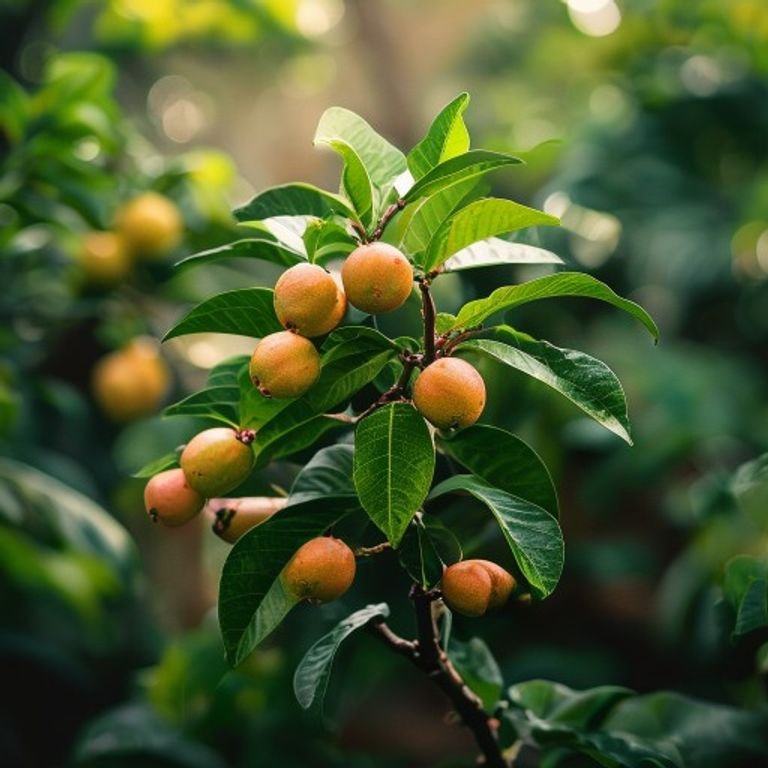
The Miracle Fruit, scientifically known as Synsepalum dulcificum, belongs to the Sapotaceae family, a group of plants often found in tropical and subtropical regions. Originating from West Africa, particularly Ghana, Nigeria, and Congo, this intriguing plant is a slow-growing, evergreen shrub. In its native habitat, it can reach heights of up to 5 meters, but in cultivation, especially when grown in pots, it typically remains a compact and manageable shrub, usually between 1 to 2 meters tall. Its growth habit is dense and bushy, making it an attractive ornamental plant even when not in fruit.
Why People Love This Plant
Appearance
The Miracle Fruit plant is admired for its aesthetic appeal, featuring dark green, glossy, elongated leaves that provide a lush backdrop. The plant maintains a neat, bushy appearance, making it an attractive specimen even when not laden with its signature berries. It’s an understated beauty that adds a touch of tropical elegance to any setting.
Flowers
Its flowers are small, inconspicuous, and white, often blending in with the foliage. While not overtly showy, these delicate blooms signal the promise of the unique fruit to come. They appear intermittently throughout the year under ideal conditions, adding a subtle charm to the plant.
Foliage
The foliage is one of the plant’s strong points. The leaves are rich green, somewhat leathery, and have a beautiful sheen. This evergreen foliage ensures the plant remains attractive year-round, contributing to a vibrant green space in your home or garden.
Fragrance
The Miracle Fruit plant is not known for any significant fragrance from its flowers or leaves. Its allure lies almost entirely in the extraordinary properties of its berries rather than aromatic qualities.
Decorative Value
Beyond its unique fruit, the Miracle Fruit plant serves as an excellent decorative element. Its compact size, attractive evergreen foliage, and the intermittent appearance of bright red berries make it perfect for container gardening on balconies, patios, or as a striking indoor plant. It offers a touch of lush greenery and an interesting talking point for guests.
Growing Requirements
To successfully cultivate the Miracle Fruit plant and enjoy its unique berries, understanding its specific growing requirements is key. While it appreciates warmth, it has particular needs regarding light, water, and soil acidity.
Light
The Miracle Fruit thrives in partial shade to full sun. In the intense Indian sun, especially during the afternoon, it’s best to provide some dappled light or afternoon shade to protect its leaves from scorching. A spot that receives morning sun and afternoon shade is often ideal, particularly in regions with harsh summers. If growing indoors, place it near a bright window where it receives indirect light.
Water
Consistent moisture is crucial for the Miracle Fruit plant. The soil should be kept evenly moist but never waterlogged, as this can quickly lead to root rot. Water thoroughly when the top inch of the soil feels dry to the touch. During warmer months, you might need to water more frequently, while in cooler periods, reduce the frequency. Ensure your pots have excellent drainage holes.
Temperature
Being a tropical plant, the Miracle Fruit prefers warm temperatures, ideally between 20°C to 30°C. It is sensitive to cold and should be protected from temperatures below 10°C. In most parts of India, this plant can thrive outdoors year-round, but in colder northern regions, consider bringing it indoors or providing frost protection during winter months.
Humidity
High humidity levels mimic its natural rainforest habitat and are highly beneficial for the Miracle Fruit. In drier climates, especially indoors, you can increase humidity by misting the leaves regularly, placing the pot on a pebble tray filled with water, or using a humidifier. Grouping plants together can also create a microclimate with higher humidity.
Soil
One of the most critical factors for the Miracle Fruit plant is acidic soil. It performs best in a pH range of 4.5 to 5.5. Alkaline soils can lead to nutrient deficiencies, particularly iron chlorosis, where leaves turn yellow while veins remain green. Regular soil testing and amendments might be necessary if your garden soil is naturally alkaline.
Potting Mix
For container growing, a well-draining, acidic potting mix is essential. A good blend typically includes a high proportion of peat moss or coco coir for acidity and moisture retention, mixed with perlite or coarse sand for excellent drainage. Avoid standard garden soil as it often isn’t acidic enough and can compact easily in pots.
Fertilizer
Feed your Miracle Fruit plant with a balanced, slow-release fertilizer formulated for acid-loving plants. Apply during the growing season (spring and summer) every 2-3 months. Alternatively, use a liquid feed at half strength more frequently. Avoid over-fertilizing, as this can burn the roots. Organic options like well-rotted compost or leaf mold can also enrich the soil and maintain acidity.
How to Care for This Plant
Beyond the basic requirements, specific care practices will help your Miracle Fruit plant flourish and produce abundant berries.
Watering: Establish a consistent watering routine. Check the soil moisture daily or every other day by sticking your finger about an inch into the soil. Water thoroughly until it drains from the bottom of the pot. Never let the pot sit in standing water. Reduce watering frequency slightly during the cooler, dormant months.
Pruning: The Miracle Fruit plant generally doesn’t require heavy pruning. Light pruning can be done to maintain a desirable shape, remove any dead or diseased branches, and encourage bushier growth. Prune after the fruiting season or in early spring before new growth begins.
Repotting: As a slow-growing plant, the Miracle Fruit doesn’t need frequent repotting. Repot every 2-3 years, or when you notice the plant becoming root-bound (roots circling the pot). Always choose a pot that is only one size larger than the current one to avoid overwatering issues, and refresh the potting mix with a fresh, acidic blend.
Pollination: Miracle Fruit plants are self-fertile, meaning a single plant can produce fruit. However, gently shaking the plant or using a small brush to transfer pollen between flowers can often improve fruit set and yield. This is especially helpful if growing indoors where natural pollinators are absent.
Seasonal Care: In India’s varied climate, protect your plant from extreme conditions. During intense summer heatwaves, provide extra shade and ensure consistent moisture. In areas that experience cooler winters, move potted plants indoors or to a sheltered location to protect them from cold drafts and frost. Ensure good air circulation to prevent fungal issues in humid monsoon conditions.
Common Problems and Solutions
- Yellow Leaves (Chlorosis): Often a sign of iron deficiency caused by alkaline soil pH. Test your soil pH. Amend with peat moss, sulfur, or use an acidic fertilizer. Ensure proper drainage to prevent nutrient lockout from waterlogging.
- Pests: Mealybugs and scale insects can sometimes infest Miracle Fruit plants. Inspect your plant regularly, especially under leaves and in stem crevices. Treat with neem oil spray or insecticidal soap. For severe infestations, consult a local nursery for stronger organic solutions.
- Fungal Diseases (e.g., Root Rot): Primarily caused by overwatering and poor drainage. Ensure your potting mix is well-draining and pots have adequate drainage holes. Allow the top soil to dry slightly between waterings. If root rot is severe, repot into fresh, dry potting mix after trimming affected roots.
- Poor Fruiting: This can be due to insufficient light, lack of pollination, or nutrient imbalance. Ensure the plant receives adequate indirect light. Consider manual pollination. Check soil pH and nutrient levels, fertilizing as appropriate for acid-loving plants.
- Slow Growth: Often a result of incorrect soil pH, nutrient deficiency, or inadequate light. Review your care routine, ensuring all growing requirements are met, particularly soil acidity and regular feeding.
- Leaf Drop: Sudden environmental changes, such as drastic temperature shifts, overwatering, or underwatering, can cause leaf drop. Try to provide stable conditions and consistent care.
Benefits
Home Decoration
With its lush, evergreen foliage and compact growth habit, the Miracle Fruit plant makes an attractive addition to any home interior or outdoor living space. It brings a touch of tropical greenery and elegance, enhancing the aesthetic appeal of your surroundings.
Balcony Gardening
Its manageable size makes the Miracle Fruit plant an ideal candidate for balcony and patio gardening. It thrives in containers, allowing urban gardeners to enjoy its unique properties even with limited space.
Culinary Novelty
The primary benefit and reason for its widespread fascination is its unique taste-altering property. Eating a Miracle Fruit berry makes sour foods taste sweet for about 30 minutes to an hour. This provides a fun, engaging, and unique culinary experience for entertaining guests or simply exploring new flavor profiles at home.
Frequently Asked Questions
How long does it take for a Miracle Fruit plant to bear fruit?
A Miracle Fruit plant typically starts bearing fruit within 2 to 3 years from seed, or much sooner if grown from cuttings or a more mature plant. With proper care and optimal growing conditions, it can produce berries almost year-round in tropical climates.
Can Miracle Fruit plants be grown indoors in India?
Yes, Miracle Fruit plants can be successfully grown indoors in India, especially in regions with cooler winters or for those who wish to protect the plant from harsh outdoor elements. Ensure it receives ample bright, indirect light, consistent humidity, and protection from drafts. Supplementing with grow lights can be beneficial during shorter daylight hours.
What kind of soil is best for Miracle Fruit?
The best soil for Miracle Fruit is an acidic, well-draining potting mix. A pH level between 4.5 and 5.5 is crucial. A mix primarily composed of peat moss or coco coir, blended with perlite or pine bark for drainage, works very well. Avoid garden soil if it’s alkaline, and ensure good aeration to prevent root rot.
Final Thoughts
The Miracle Fruit plant is much more than just a novelty; it’s a living wonder that brings a unique blend of ornamental beauty and an extraordinary culinary experience to your home. With a little understanding of its specific needs, particularly concerning acidic soil, consistent moisture, and appropriate light, you can successfully cultivate this fascinating shrub in India. Whether you’re an experienced gardener or just starting, the journey of growing a Miracle Fruit is sure to be rewarding, culminating in those tiny, magical berries that transform taste.
We hope this comprehensive guide inspires you to embark on your Miracle Fruit growing adventure. Plantrea is the online plant platform from Wynorg, helping plant lovers across India discover quality plants, practical growing advice, and trusted nursery sourcing. We are committed to empowering you with the knowledge and resources to create thriving green spaces.
Interested in This Plant?
The Miracle Fruit plant is truly one-of-a-kind, and we understand you might have more specific questions about bringing this unique berry-producer into your home or garden. Our Plant Expert chat is readily available at the bottom-right corner of every page on Plantrea.com to help you further.
Whether you’re curious about the current availability of the Miracle Fruit plant, need personalised recommendations tailored to your specific Indian climate and gardening space, or have detailed questions about its care and maintenance, our Plant Expert is here to assist. Think of them as your personal gardening assistant, ready to share tailored advice and insights.
Don’t hesitate to reach out! If for any reason the Miracle Fruit plant isn’t quite right for your setup or is currently unavailable, our Plant Expert can also help you discover suitable alternative plants that offer similar appeal or meet your specific gardening needs.
Want to buy this plant? Visit https://plantrea.com/shop-2/