Master Reed Avocado Care: Your Ultimate Guide to Thriving Trees in India
The Reed avocado is a true gem among avocado varieties, celebrated for its exceptionally large, round fruit and rich, creamy flavour. For Indian homeowners and garden enthusiasts, cultivating a Reed avocado tree can be a rewarding experience, offering not just delicious fruit but also a beautiful, evergreen addition to the landscape. Its upright growth habit and dense canopy make it a focal point in any garden, providing shade and a lush tropical feel. As more and more people discover the joy of growing their own food, the Reed avocado has found its place in Indian homes and farms, cherished for its unique characteristics and culinary versatility. If you’re looking to bring this magnificent tree into your garden, you’re in the right place. Plantrea is the online plant platform by Wynorg, a trusted Indian brand known for delivering healthy live plants safely across India, ensuring you start your avocado journey with the best possible specimens.
Understanding the specific needs of the Reed avocado is key to its success. While it demands a bit of attention, particularly in its younger years, the bountiful harvest of its distinctively large, delicious fruit makes every effort worthwhile. This comprehensive guide will walk you through every aspect of Reed avocado care, tailored for the Indian climate and gardening conditions, helping you cultivate a thriving and fruitful tree.
Botanical Overview
The Reed avocado is a distinguished cultivar of the species Persea americana. It belongs to the Lauraceae family, which also includes other well-known plants like cinnamon and bay laurel. While the origin of the avocado species traces back to South Central Mexico, the ‘Reed’ cultivar was developed in California, USA, in the 1940s by James S. Reed. It is an evergreen fruit tree, known for its upright and somewhat columnar growth habit, setting it apart from the more spreading nature of other avocado varieties. Mature Reed avocado trees can reach impressive heights of 15 to 20 meters if left unpruned, forming a dense, attractive canopy. Its robust nature and unique fruit make it a popular choice for those seeking something special in their edible landscape.
Why People Love This Plant
The Reed avocado holds a special place in the hearts of plant lovers and food enthusiasts alike, primarily due to several outstanding characteristics:
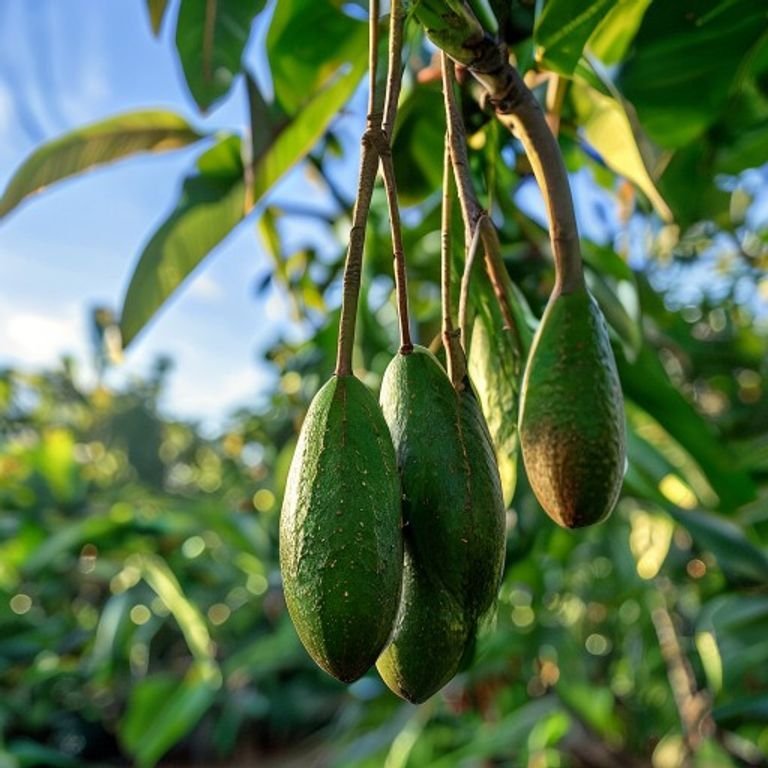
- Appearance: The fruit is truly distinctive – large, perfectly round, and boasting a thick, pebbly, dark green skin that remains green even when ripe. This unique look makes it easily identifiable and adds an element of intrigue to your harvest. The tree itself is beautiful, with leathery, dark green, elliptical leaves that create a lush, tropical aesthetic.
- Foliage: Its evergreen foliage ensures year-round greenery, providing a consistent visual appeal and shade, which is particularly valued in India’s warmer regions. The dense canopy is excellent for creating shaded areas in larger gardens.
- Fruit Quality: Beyond its size, the Reed avocado fruit is celebrated for its exceptional quality. The flesh is creamy, rich, nutty, and almost butter-like, with a high oil content that contributes to its luxurious texture and flavour. It’s often described as having a superior taste compared to some other varieties. The large seed is easy to remove, leaving plenty of delicious pulp.
- Decorative Value: As a stately evergreen tree, the Reed avocado contributes significant decorative value to any landscape. It’s ideal for larger gardens, orchards, or as a shade tree in a spacious yard, enhancing the overall beauty and biodiversity of your outdoor space.
Growing Requirements
To successfully cultivate a healthy Reed avocado tree that yields delicious fruit, understanding its specific growing requirements is crucial:
Light
Reed avocado trees are sun-worshippers. They thrive in full sun, requiring at least 6 to 8 hours of direct sunlight per day to produce a good harvest. In parts of India where the summer sun can be exceptionally harsh, young trees might benefit from some afternoon shade initially, but mature trees prefer maximum sun exposure. Choose a planting site that receives ample sunlight throughout the day.
Water
Consistent and deep watering is vital for Reed avocado trees, especially during dry spells, flowering, and fruit development. They prefer evenly moist soil but are highly susceptible to root rot if waterlogged. Water deeply until water drains from the bottom of the pot or saturates the root zone in the ground. Allow the top few inches of soil to dry out slightly between waterings. Overhead irrigation should be avoided if possible, as it can encourage fungal diseases; drip irrigation or watering at the base of the tree is preferred. Reduce watering slightly during cooler, dormant periods.
Temperature
Reed avocados prefer warm, tropical to subtropical climates. They thrive in temperatures between 20°C and 30°C. While mature trees can tolerate brief dips to around 0°C, they are sensitive to frost, which can severely damage young trees and reduce fruit production. In regions with cooler winters, providing protection for young trees is essential. Hot, dry winds can also stress the tree, so a sheltered location is beneficial.
Humidity
Moderate to high humidity is beneficial for Reed avocado trees, mimicking their native tropical environment. In very dry climates, a consistent watering schedule and mulching can help maintain localized humidity around the tree. Grouping with other plants can also slightly increase ambient humidity.
Soil
Well-draining, fertile, and slightly acidic to neutral soil (pH 6.0-7.0) is ideal for Reed avocado trees. They do not tolerate heavy, clayey soils that retain too much moisture, as this leads to root rot. If your soil is heavy, amend it generously with organic matter like compost, sand, or perlite to improve drainage and aeration.
Potting Mix
For growing Reed avocado in containers (especially young trees), use a high-quality, well-draining potting mix. A blend designed for citrus or general container plants, enriched with perlite or coarse sand to enhance drainage, works well. Ensure the pot has ample drainage holes.
Fertilizer
Reed avocado trees are moderate to heavy feeders. Regular fertilization is necessary to support their growth and fruit production. Use a balanced fertilizer specifically formulated for fruit trees or avocados, rich in nitrogen, phosphorus, and potassium, along with micronutrients like zinc, iron, and manganese. For young trees, fertilize every 4-6 weeks during the growing season. For mature, fruiting trees, apply fertilizer 3-4 times a year, typically in early spring, early summer, late summer, and early autumn. Always follow the manufacturer’s instructions for dosage, and water thoroughly after fertilizing to prevent root burn.
How to Care for This Plant
Providing consistent care will ensure your Reed avocado tree remains healthy and productive:
- Planting: Choose a sheltered location with full sun and excellent drainage. Dig a hole twice as wide as the root ball and just as deep. Gently remove the plant from its nursery pot, being careful not to disturb the roots too much. Place the tree in the hole, ensuring the top of the root ball is level with the soil surface. Backfill with amended soil, gently firming it around the roots. Water thoroughly immediately after planting.
- Watering Schedule: Establish a regular watering routine. Check the soil moisture frequently, especially during warm, dry periods. Young trees require more frequent watering than established ones. Deep watering encourages deep root growth, making the tree more resilient.
- Mulching: Apply a 3-4 inch layer of organic mulch (like wood chips or compost) around the base of the tree, keeping it a few inches away from the trunk. Mulching helps retain soil moisture, suppress weeds, regulate soil temperature, and slowly releases nutrients as it breaks down.
- Pruning: Pruning is essential for shaping the tree, managing its size, promoting air circulation, and removing dead or diseased branches. For young trees, focus on establishing a strong central leader and good branch structure. For mature Reed avocado trees, light pruning after harvest can help maintain a manageable size and encourage new fruiting wood. Remove any suckers that emerge from the rootstock below the graft union.
- Pest and Disease Monitoring: Regularly inspect your tree for any signs of pests or diseases. Early detection allows for prompt treatment and prevents major infestations. Pay attention to the undersides of leaves, new growth, and the fruit.
- Pollination: Reed avocados are Type B avocados, meaning their flowers open as female in the afternoon and as male the following morning. While they can be self-fertile to some extent, planting a Type A avocado variety (like Hass) nearby can significantly improve cross-pollination and fruit set, leading to a much better yield. Bees and other pollinators are crucial for this process.
- Seasonal Care:
- Monsoon (Rainy Season): Ensure excellent drainage to prevent root rot. Monitor for fungal diseases that thrive in high humidity. Reduce supplemental watering if rainfall is adequate.
- Winter (Cooler Season): Protect young trees from cold drafts or frost if temperatures drop significantly. Reduce watering slightly.
- Summer (Hot Season): Increase watering frequency and depth. Ensure the tree is adequately mulched to retain moisture. Provide some afternoon shade for very young trees if the sun is scorching.
Common Problems and Solutions
Even with the best Reed avocado care, problems can arise. Here are some common issues and how to address them:
- Yellow Leaves (Chlorosis):
- Problem: Often indicates a nutrient deficiency, particularly iron or zinc, or sometimes poor drainage leading to root issues.
- Solution: Check soil pH (ideally 6.0-7.0). If pH is too high, micronutrients become unavailable. Apply a chelated iron or zinc supplement. Ensure proper drainage to rule out root rot as a cause.
- Pests:
- Problem: Common pests include mites, thrips, scale insects, and mealybugs. They can cause leaf damage, defoliation, and reduced vigor.
- Solution: Regularly inspect leaves. For minor infestations, use a strong spray of water or insecticidal soap. Neem oil is an excellent organic solution for persistent pests. Introduce beneficial insects if possible.
- Fungal Diseases (e.g., Anthracnose, Root Rot):
- Problem: Anthracnose causes dark, sunken lesions on fruit and leaves. Root rot (Phytophthora) is caused by waterlogged soil and leads to wilting, yellowing leaves, and eventual tree death.
- Solution: For anthracnose, practice good garden hygiene (remove fallen leaves/fruit), ensure good air circulation, and apply appropriate fungicides if severe. For root rot, improve drainage immediately. Avoid overwatering. There are no easy cures for established root rot, so prevention is key.
- Poor Flowering or Fruit Set:
- Problem: Can be due to lack of maturity, insufficient light, improper nutrition, temperature extremes, or inadequate pollination.
- Solution: Ensure the tree is mature enough (typically 3-5 years). Provide full sun and balanced fertilization. Plant a Type A avocado variety nearby (like Hass) to aid cross-pollination. Protect from extreme temperatures during flowering.
- Leaf Drop:
- Problem: Often a sign of stress from overwatering, underwatering, cold temperatures, or transplant shock.
- Solution: Evaluate your watering schedule and environmental conditions. Adjust watering as needed. Protect from cold. Ensure the tree is in well-draining soil.
Benefits
Beyond the simple pleasure of growing your own fruit, the Reed avocado offers several benefits:
- Home Decoration & Landscaping: Its majestic size and lush, evergreen foliage make it an excellent choice for a focal point in large gardens, providing natural beauty and ample shade. It can enhance the aesthetic appeal of any landscape.
- Nutritious Fruit: Reed avocados are packed with healthy monounsaturated fats, vitamins (K, C, B6, E), folate, and potassium. They are a valuable addition to a healthy diet, promoting heart health and overall well-being.
- Economic Value: For those with sufficient space, growing Reed avocado can provide a continuous supply of high-value fruit for personal consumption or even local sale.
- Pollinator Friendly: While not its primary role, the flowers do attract bees and other pollinators, contributing to local biodiversity and supporting the ecosystem.
Frequently Asked Questions
How long does it take for a Reed avocado tree to bear fruit?
Typically, a Reed avocado tree grown from a grafted sapling will begin to bear fruit within 3 to 5 years after planting. Trees grown from seed can take significantly longer, often 7-10 years, and may not produce fruit true to the parent variety. Patience is key, but with proper Reed avocado care, your tree will reward you with delicious fruit.
What are the key differences between Reed and other avocado varieties like Hass?
The most striking difference is the fruit. Reed avocados are large, round, and have thick, pebbly green skin that stays green even when ripe. Hass avocados are typically smaller, pear-shaped, and their skin turns dark purple-black when ripe. Flavour-wise, Reed is often described as having a richer, nuttier, and creamier taste with a higher oil content compared to Hass. Reed trees also tend to have a more upright, columnar growth habit, whereas Hass trees are more spreading. Both are excellent choices, but Reed offers a unique culinary experience.
Can I grow a Reed avocado tree in a pot in India?
While Reed avocado trees can become very large, it is possible to grow a young Reed avocado tree in a large pot or container, especially in its early years. This is a good option for those with limited garden space or in areas with harsh winters, as the pot can be moved. However, for mature fruit production and the tree’s full potential, planting it in the ground is ideal. If growing in a pot, choose the largest possible container (at least 20-25 gallons), ensure excellent drainage, and be diligent with watering and fertilization, as potted plants dry out faster and deplete nutrients more quickly.
Final Thoughts
Cultivating a Reed avocado tree is a truly gratifying experience for any gardener in India. With its distinctive, flavourful fruit and attractive evergreen foliage, it promises to be a cherished addition to your home or farm. By understanding and consistently applying the principles of good Reed avocado care—from providing ample sunlight and water to ensuring well-draining soil and regular nutrition—you can look forward to many years of delicious harvests. Remember, healthy plants are happy plants, and a little attention goes a long way in fostering a thriving Reed avocado tree. Plantrea is the online plant platform from Wynorg, helping plant lovers across India discover quality plants, practical growing advice, and trusted nursery sourcing, ensuring your gardening journey is successful and enjoyable.
Interested in This Plant?
The Reed avocado is a remarkable plant, but every garden and gardener has unique needs. If you’re considering adding a Reed avocado tree to your collection, or perhaps exploring other fruit trees that thrive in India, we’re here to help.
Our Plant Expert chat, located at the bottom-right corner of your screen, is your personal gardening assistant. You can use it to check the current availability of the Reed avocado or any other plant you have your eye on. Our experts can also provide personalised recommendations tailored to your specific home or garden conditions, helping you find the perfect plant companion.
Beyond availability, the Plant Expert is a fantastic resource for all your plant care questions. Whether you need more detailed advice on watering schedules, pest management for your Reed avocado, or want to discover suitable alternatives if this particular variety isn’t the best fit for your space, our experts are ready to assist. It’s like having an experienced gardener right by your side, ready to share knowledge and guide you towards a flourishing green space.
Want to buy this plant? Visit https://plantrea.com/shop-2/