Yellow Hibiscus – Large Sunny Yellow Blooms Daily | Wynorg Nursery
The vibrant Yellow Hibiscus, a true tropical delight, holds a special place in the hearts of Indian gardeners and home decorators alike. Its cheerful, sunny yellow blooms instantly bring a splash of warmth and colour to any space, whether it’s a bustling balcony, a serene garden border, or a welcoming entryway. These striking flowers, often graced with a delicate dark red centre, are a testament to nature’s artistry, brightening our days with their continuous display. It’s no wonder that this beautiful shrub is a perennial favourite for those looking to add an exotic yet easy-to-care-for plant to their collection.
For plant enthusiasts across India, finding reliable information and healthy plants is key to a successful gardening journey. Plantrea is the online plant platform by Wynorg, a trusted Indian brand known for delivering healthy live plants safely across India, ensuring that your gardening dreams can truly blossom from the comfort of your home.
Botanical Overview
The Yellow Hibiscus, scientifically known as Hibiscus rosa-sinensis ‘Yellow’, is a popular cultivar of the classic China Rose. It belongs to the Malvaceae family, a large and diverse group that includes many other beautiful flowering plants. Native to tropical East Asia, this particular variety has been cultivated for its stunning yellow blossoms, making it a beloved addition to gardens worldwide, especially in warmer climates like India.
As a shrub, the Yellow Hibiscus typically exhibits an upright growth habit, reaching a mature height of approximately 3 to 6 feet (around 1 to 2 metres) when grown in ideal conditions. Its robust nature allows it to flourish in various settings, from garden beds to large containers. While each individual flower of the Yellow Hibiscus lasts only a single day, the plant’s remarkable ability to produce new blooms continuously, almost year-round in warm climates, ensures a constant spectacle of colour.
Why People Love This Plant
Appearance
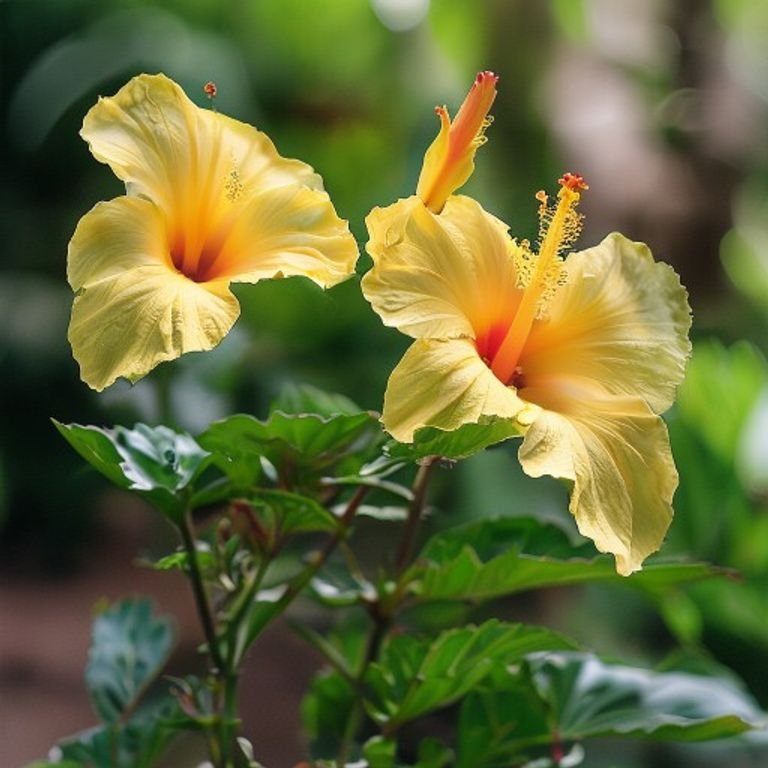
The primary allure of the Yellow Hibiscus lies in its magnificent flowers. Each bloom is a large, trumpet-shaped marvel, often spanning 4 to 6 inches across. The petals unfold in a radiant shade of sunny yellow, frequently accented with a striking dark red or maroon eye at the very centre. This captivating contrast makes the Yellow Hibiscus a focal point wherever it’s grown. The glossy, dark green foliage provides a perfect backdrop, making the bright yellow flowers pop even more vividly against the verdant leaves.
Flowers
One of the most appealing characteristics of the Yellow Hibiscus is its prolific flowering. While individual blooms are ephemeral, gracing us for just a single day, the plant compensates by producing a seemingly endless succession of new flowers. In the warm and humid conditions prevalent across much of India, you can often expect new yellow hibiscus blooms to unfurl daily, creating a continuous display of sunshine throughout the year. This constant burst of colour is incredibly rewarding for any gardener.
Foliage
Beyond its stunning flowers, the Yellow Hibiscus boasts attractive foliage. Its leaves are typically a rich, deep green, often glossy, providing a lush and healthy appearance to the shrub even when it’s not in full bloom. The dense leaf growth makes it an excellent choice for creating natural screens or adding textural interest to your garden.
Fragrance
Unlike some other flowering plants, the Yellow Hibiscus is not particularly known for its fragrance. Its beauty lies predominantly in its visual impact and vibrant colour, which more than makes up for the lack of scent.
Decorative Value
The decorative potential of the Yellow Hibiscus is immense. Its striking yellow blooms make it an exceptional choice for garden borders, adding a bright and cheerful touch. It can also be effectively used as an informal hedge, providing privacy and a beautiful floral display. For those with limited garden space, the Yellow Hibiscus thrives remarkably well in containers, allowing you to adorn balconies, patios, and even sunny indoor spots with its charm. Moreover, these cheerful yellow flowering shrubs are known to attract butterflies, adding another layer of living beauty and vibrancy to your garden space.
Growing Requirements
Understanding the specific needs of your Yellow Hibiscus is crucial for its vigorous growth and abundant flowering. Here’s what this beautiful yellow flowering shrub requires to thrive in Indian conditions:
Light
The Yellow Hibiscus is a true sun-lover. To produce its characteristic large, sunny yellow blooms daily, it absolutely requires full sun. This means at least 6 to 8 hours of direct sunlight each day. In tropical and subtropical regions of India, where sunlight is abundant, finding such a spot is usually straightforward. If grown in too much shade, the plant will become leggy and produce very few flowers, if any.
Water
This hibiscus plant prefers moderate watering. The key is consistency. The soil should be kept consistently moist but never waterlogged. Allow the top inch or two of soil to dry out slightly between waterings. In hot Indian summers, you might need to water daily, especially if your Yellow Hibiscus is in a pot. During cooler months, reduce the frequency. Always ensure good drainage to prevent root issues.
Temperature
Being a tropical plant, the Yellow Hibiscus thrives in warm temperatures, ideally between 18°C and 32°C. It is well-suited to the climate of most parts of India. It does not tolerate frost and will suffer in temperatures below 10°C, potentially shedding leaves or dying back.
Humidity
The Yellow Hibiscus appreciates high humidity, which is naturally available in many parts of India, especially during monsoon and in coastal regions. If you are growing it indoors or in a particularly dry climate, occasional misting can be beneficial, though outdoor plants usually manage well with ambient humidity.
Soil
A well-draining, fertile soil is essential for a healthy hibiscus plant. It prefers a slightly acidic to neutral pH (6.0-7.0). Good garden soil amended with organic matter like compost will provide the necessary nutrients and drainage. Heavy clay soils that retain too much water should be avoided or significantly amended.
Potting Mix
For container-grown Yellow Hibiscus, a high-quality potting mix designed for flowering plants or a general-purpose mix amended with perlite or coarse sand for extra drainage works best. Ensure the pot has ample drainage holes. A slightly acidic mix will further promote robust growth and flowering.
Fertilizer
To sustain its continuous blooming, the Yellow Hibiscus is a heavy feeder. During its active growing and flowering season (which is most of the year in India), fertilize weekly with a balanced liquid fertilizer or one specifically formulated for flowering plants, which typically has a higher phosphorus and potassium content. A slow-release granular fertilizer can also be used, following package instructions. Reduce feeding slightly during cooler, less active periods.
How to Care for This Plant
Caring for your Yellow Hibiscus is a rewarding experience, especially when you see its glorious yellow blooms unfurling day after day. Here’s a practical, step-by-step guide to ensure your plant thrives:
- Consistent Watering: As mentioned, moderation is key. Check the soil moisture daily, especially in pots. Water deeply until water drains from the bottom of the pot, then allow the top inch or two of soil to dry before watering again. Avoid erratic watering, which can stress the plant.
- Regular Feeding: Fertilize regularly during the growing season (which is almost year-round in India’s warm climate). Use a fertilizer high in phosphorus and potassium to encourage more of those stunning yellow flowers. Follow the product’s dosage instructions carefully, as over-fertilizing can harm the plant.
- Pruning for Bushiness and Blooms: Pruning is vital for maintaining the shape of your Yellow Hibiscus and encouraging abundant flowering. The best time to prune is in early spring, or after a major flush of flowers. Remove any dead, diseased, or crossing branches. You can also pinch back growing tips to promote bushier growth and more flower buds. For a more compact plant, you can prune back up to one-third of the plant’s size.
- Pest and Disease Monitoring: Regularly inspect your plant’s leaves (top and bottom) and stems for any signs of pests or diseases. Early detection makes treatment much easier.
- Repotting: If your Yellow Hibiscus is in a container, it will eventually outgrow its pot. Repot it every 1-2 years into a slightly larger pot with fresh potting mix. The best time for repotting is during spring.
- Mulching: For garden beds, applying a layer of organic mulch around the base of the plant can help retain soil moisture, regulate soil temperature, and suppress weeds. Keep the mulch a few inches away from the stem to prevent rot.
- Protect from Extreme Cold: While most of India is warm, if you are in a region that experiences occasional cold snaps, protect your Yellow Hibiscus. Move potted plants indoors or to a sheltered location, and cover garden plants with a frost cloth if necessary.
Common Problems and Solutions
Even with the best care, Yellow Hibiscus plants can sometimes face issues. Here are some common problems and their solutions:
- Yellow Leaves:
- Cause: Most commonly, overwatering or poor drainage. It can also be a sign of nutrient deficiency (especially iron or nitrogen) or pest infestation.
- Solution: Check soil moisture. If it’s soggy, reduce watering frequency and ensure good drainage. If watering is correct, consider a balanced fertilizer. Inspect for pests.
- Pests: Aphids and Mealybugs:
- Cause: These common sap-sucking insects are attracted to new growth and flower buds.
- Solution: For light infestations, spray with a strong stream of water. For heavier infestations, use neem oil spray or an insecticidal soap, ensuring complete coverage, especially under leaves. Repeat applications may be necessary.
- Fungal Diseases (e.g., Root Rot):
- Cause: Overwatering, consistently wet soil, or poor air circulation can lead to fungal issues, particularly root rot.
- Solution: Ensure excellent drainage. For root rot, carefully remove the plant, trim off mushy roots, and repot in fresh, well-draining soil. Improve air circulation around the plant.
- Poor Flowering:
- Cause: Insufficient sunlight (the most common reason), lack of fertilizer, or incorrect pruning.
- Solution: Move the plant to a spot with at least 6-8 hours of direct sun. Fertilize regularly with a high-phosphorus fertilizer. Ensure you are not pruning off new flower buds unnecessarily.
- Slow Growth:
- Cause: Nutrient deficiency, compacted soil, inadequate light, or root bound in a pot.
- Solution: Fertilize regularly. Loosen soil or repot if root-bound. Ensure adequate sunlight.
- Leaf Drop:
- Cause: Often a sign of stress due to sudden changes in environmental conditions, such as temperature fluctuations, inconsistent watering, or transplant shock. Severe pest infestations can also cause leaf drop.
- Solution: Provide consistent care. Avoid drastic changes in location. Check for and treat pests.
Benefits
Beyond its striking beauty, the Yellow Hibiscus offers several appealing benefits that make it a cherished plant in Indian homes and gardens:
- Home Decoration: The large, sunny yellow flowers are incredibly cheerful and can instantly brighten any indoor or outdoor living space, making it a fantastic choice for home decoration.
- Balcony Gardening: Its ability to thrive in containers makes the Yellow Hibiscus an ideal plant for balcony gardening, bringing vibrant colour to urban homes.
- Landscaping: As a robust yellow flowering shrub, it excels in garden borders, as an attractive hedge, or as a standalone specimen plant, enhancing the overall aesthetics of any landscape design.
- Pollinator Friendly: The bright, open blooms are a magnet for butterflies, adding a dynamic and lively element to your garden while supporting local pollinator populations.
- Edible Flowers: Interestingly, the flowers of Hibiscus rosa-sinensis, including this yellow variety, are edible. They are often used in salads, as a garnish, or to make herbal teas, offering a mild, tart flavour and a vibrant colour to culinary creations.
Frequently Asked Questions
How often does it flower?
The Yellow Hibiscus is a prolific bloomer. In warm weather and ideal conditions, it produces new flowers daily, almost year-round. While each individual bloom lasts only for a single day, the continuous succession ensures you always have a vibrant display.
Can I make tea from yellow hibiscus?
Yes, you can make tea from the flowers of any Hibiscus rosa-sinensis variety, including the yellow hibiscus. The petals can be steeped in hot water to create a refreshing and visually appealing herbal tea.
Is it the same as red hibiscus?
Yes, the Yellow Hibiscus is the same species, Hibiscus rosa-sinensis, as the common red hibiscus. It is simply a different colour variety or cultivar within the same species, offering the same growth habits and care requirements but with distinct yellow blooms.
Final Thoughts
The Yellow Hibiscus is more than just a beautiful flowering shrub; it’s a symbol of tropical warmth and enduring cheer. Its easy care, continuous display of stunning yellow flowers, and versatility make it an indispensable addition to any Indian garden or balcony. Whether you’re a seasoned gardener or just starting your green journey, this vibrant hibiscus plant promises to reward you with its radiant charm and prolific blooms.
Embracing the joy of gardening is made simpler with access to reliable information and quality plants. Plantrea is the online plant platform from Wynorg, helping plant lovers across India discover quality plants, practical growing advice, and trusted nursery sourcing. May your Yellow Hibiscus bring endless sunshine to your home!
Interested in This Plant?
Has the radiant Yellow Hibiscus captured your imagination? If you’re considering adding this beautiful yellow flowering shrub to your home or garden, we understand you might have more specific questions or need personalised advice. That’s where our Plant Expert chat comes in handy!
Located conveniently at the bottom-right corner of every page on Plantrea.com, our Plant Expert is an experienced gardening assistant ready to help you. You can use this chat service to quickly check whether the Yellow Hibiscus is currently available for purchase, ensuring you don’t miss out on its sunny charm.
Beyond availability, our Plant Expert can offer you personalised plant recommendations tailored to your specific home or garden conditions. You can also ask any lingering questions about the Yellow Hibiscus’s care and maintenance, or even discover suitable alternative plants if this particular variety is unavailable at the moment. Think of it as having a friendly, knowledgeable gardener by your side, ready to guide you on your plant journey!
Want to buy this plant? Visit https://plantrea.com/shop-2/