Growing Seedfree Guava (Layer): A Comprehensive Guide for Indian Gardens
The humble guava, or ‘Amrood’ as it’s lovingly known in India, holds a special place in our hearts and gardens. Its sweet, fragrant fruit is a cherished treat, and the plant itself brings a touch of tropical lushness to any space. Among the many varieties, the Seedfree Guava (Layer) is gaining immense popularity, offering all the delightful flavour without the hassle of seeds. This makes it a fantastic choice for home gardeners across the country who want to enjoy abundant, easy-to-eat fruit. Whether you’re a seasoned gardener or just starting, this guide will walk you through everything you need to know to cultivate a thriving Seedfree Guava plant. Here at Plantrea, the online plant platform by Wynorg, a trusted Indian brand known for delivering healthy live plants safely across India, we’re dedicated to helping you succeed in your gardening journey.
The joy of plucking your own fresh, seedless guava from your garden is unparalleled. Imagine biting into a juicy, aromatic fruit without worrying about the gritty seeds – it’s a true delight! This guide is designed to empower you with the knowledge and confidence to grow this wonderful plant, ensuring it flourishes in your Indian climate and rewards you with a bounty of delicious fruit.
Botanical Overview
The Seedfree Guava is a delightful cultivar derived from the common guava, *Psidium guajava*. It belongs to the Myrtaceae family, a large group of flowering plants that includes many other well-known fruit trees like eucalyptus and allspice. Originally native to Mexico, Central America, and northern South America, guavas have been cultivated in India for centuries, adapting beautifully to our diverse climatic conditions.
- Botanical Name: *Psidium guajava* (Seedfree Layered Cultivar)
- Plant Family: Myrtaceae
- Origin: Central and South America
- Plant Type: Tropical Evergreen Shrub or Small Tree
- Growth Habit: Typically grows as a multi-stemmed shrub or a small tree, often with a spreading canopy. The “Layer” in its name signifies its propagation method, indicating it was grown from air layering, which often results in quicker fruiting and true-to-type plants.
Why People Love This Plant
The Seedfree Guava holds immense appeal for a variety of reasons, making it a beloved choice for Indian homes and gardens.
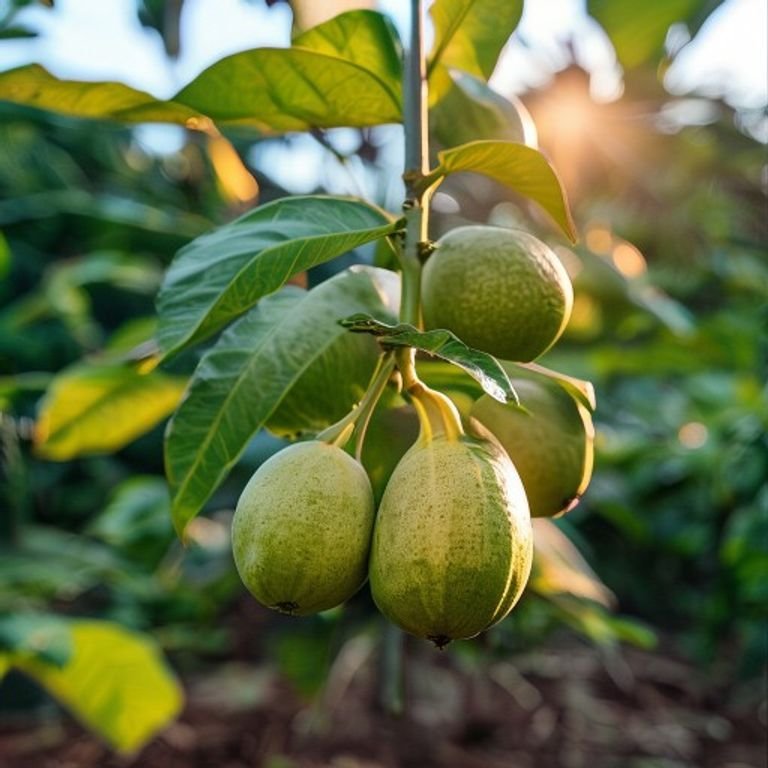
- Appearance: This plant boasts attractive, leathery, dark green leaves that provide a lush backdrop to its developing fruits. The overall structure can be quite ornamental, whether trained as a small tree or maintained as a bushy shrub, adding a tropical touch to any landscape.
- Flowers: Guava plants produce delicate, white flowers with numerous prominent stamens. While the main attraction of a Seedfree Guava is its fruit, the flowers themselves are quite charming, appearing in clusters and offering a subtle beauty. They typically bloom during specific seasons, preceding the fruit set.
- Foliage: The evergreen foliage provides year-round greenery, making it a constant source of visual interest. The leaves are ovate to oblong, often slightly fuzzy when young, and mature to a smooth, deep green.
- Fragrance: While the flowers have a mild, pleasant aroma, it’s the ripe fruit that truly fills the air with its characteristic sweet, musky fragrance. This alluring scent is a strong indicator of its deliciousness and a hallmark of fresh guava.
- Decorative Value: Beyond its delicious fruit, the Seedfree Guava plant itself is quite decorative. Its attractive form, lush foliage, and the colourful developing fruits make it an excellent choice for a garden specimen, a patio plant, or even as part of a mixed border in larger landscapes.
Growing Requirements
To ensure your Seedfree Guava plant thrives and yields abundant fruit, understanding its specific growing requirements is crucial.
- Light: Seedfree Guava plants are sun-lovers. They need at least 6-8 hours of direct sunlight daily to grow vigorously and produce plenty of fruit. Choose a location in your garden or balcony that receives ample sun throughout the day.
- Water: Consistent watering is key, especially during flowering and fruiting periods, and for young plants. Water deeply when the top inch or two of soil feels dry to the touch. Avoid waterlogging, as this can lead to root rot. During the peak summer months in India, you might need to water daily, while in winter, the frequency can be reduced.
- Temperature: Being a tropical plant, Seedfree Guava thrives in warm climates. Ideal temperatures range from 20°C to 30°C. While mature plants can tolerate short periods of cooler temperatures, prolonged exposure to frost can be damaging. Protect young plants during severe winters.
- Humidity: Guavas appreciate moderate to high humidity, typical of many regions in India. They generally do well in our natural atmospheric conditions, especially during the monsoon season.
- Soil: Guavas are quite adaptable but prefer well-draining, fertile soil with a pH between 5.0 and 7.0. A loamy soil rich in organic matter is ideal. Heavy clay soils that retain too much water should be amended with sand and organic compost to improve drainage.
- Potting Mix: If growing in pots, use a high-quality potting mix that drains well. A good mix would contain garden soil, cocopeat, and compost in equal proportions, with some perlite or sand for improved drainage. Ensure the pot has adequate drainage holes.
- Fertilizer: Regular feeding is essential for a healthy and productive Seedfree Guava. During the active growing season (spring and monsoon), apply a balanced granular fertilizer (e.g., 8-8-8 or 10-10-10) or an organic fertilizer like vermicompost or well-rotted cow dung manure every 4-6 weeks. Reduce feeding during the cooler, dormant months. For fruiting, a fertilizer higher in phosphorus and potassium can be beneficial.
How to Care for This Plant
With the right approach, caring for your Seedfree Guava plant can be a rewarding experience. Here’s a step-by-step guide to nurturing your plant:
- Planting: When planting a layered Seedfree Guava, ensure the root ball is gently placed in the prepared hole or pot. Backfill with soil, firming gently around the base. Water thoroughly immediately after planting.
- Watering Schedule: Establish a consistent watering routine. Check the soil moisture regularly. Young plants and those in containers will need more frequent watering. Avoid overhead watering late in the day to prevent fungal issues.
- Pruning for Shape and Production: Pruning is vital for maintaining the shape, size, and productivity of your Seedfree Guava.
- Initial Pruning: For young plants, prune to establish a strong framework. Remove any weak or crossing branches.
- Maintenance Pruning: After fruiting, light pruning can encourage new growth and more flowers. Remove dead, diseased, or damaged branches. Thin out overcrowded areas to improve air circulation.
- Size Control: If growing in a small garden or a pot, regular pruning will help keep the Seedfree Guava plant to a manageable size. Guavas fruit on new growth, so strategic pruning can actually boost yields.
- Fertilization: As mentioned in the growing requirements, feed your Seedfree Guava regularly during the growing season. Incorporate organic matter like compost into the soil annually to enrich it.
- Pest and Disease Monitoring: Regularly inspect your plant for any signs of pests or diseases. Early detection makes treatment much easier.
- Mulching: Apply a layer of organic mulch (like wood chips, straw, or dried leaves) around the base of the plant, keeping it a few inches away from the stem. Mulch helps retain soil moisture, suppress weeds, and regulate soil temperature.
- Protection: While guavas are robust, protect young plants from strong winds or extreme weather. If you experience very cold winters, consider covering the plant or moving potted plants indoors.
Common Problems and Solutions
Even with the best care, Seedfree Guava plants can sometimes face issues. Here are some common problems and their practical solutions:
- Yellow Leaves:
- Cause: Often due to overwatering, underwatering, or nutrient deficiency (especially iron or nitrogen).
- Solution: Check soil moisture before watering. Ensure good drainage. Apply a balanced fertilizer or a specific micronutrient supplement if deficiency is suspected.
- Pests:
- Common Pests: Aphids, mealybugs, scale insects, fruit flies (can be an issue for fruiting plants).
- Solution: For mild infestations, spray with a strong jet of water or neem oil solution. For severe cases, use an appropriate organic or chemical insecticide, following label instructions carefully. Bagging developing fruits can deter fruit flies.
- Fungal Diseases:
- Common Diseases: Anthracnose, wilt.
- Solution: Ensure good air circulation through pruning. Remove and destroy affected parts. Apply an organic fungicide if necessary. Avoid overhead watering in the evenings.
- Root Rot:
- Cause: Primarily caused by consistently waterlogged soil due to overwatering or poor drainage.
- Solution: Improve drainage of the soil or potting mix. Water only when the topsoil is dry. For potted plants, ensure drainage holes are not blocked.
- Poor Fruiting:
- Cause: Insufficient sunlight, inadequate nutrition, improper pruning, or age of the plant.
- Solution: Ensure full sun exposure. Fertilize with a balanced feed, especially one high in phosphorus and potassium during flowering. Prune correctly to encourage new fruiting wood. Seedfree Guava (Layer) plants generally fruit faster than seed-grown ones.
- Slow Growth:
- Cause: Lack of nutrients, insufficient sunlight, or compacted soil.
- Solution: Provide adequate sunlight and a consistent feeding schedule. Improve soil quality by adding organic matter.
- Leaf Drop:
- Cause: Environmental stress such as sudden temperature changes, severe underwatering or overwatering, or pest infestation.
- Solution: Identify and rectify the underlying stress factor. Ensure consistent care.
Benefits
Beyond the sheer pleasure of its fruit, the Seedfree Guava offers numerous benefits for your home and garden:
- Home Decoration: A well-maintained Seedfree Guava plant, with its vibrant green foliage and often attractive fruit, can be a beautiful addition to a sunny patio, a large balcony, or as a focal point in a garden. Its tropical aesthetic brings a refreshing vibe.
- Balcony Gardening: With proper pruning and a large enough container, Seedfree Guava can be successfully grown in pots, making it an excellent choice for balcony gardening in urban settings.
- Landscaping: In larger gardens, it serves as an attractive small fruit tree or a large shrub, providing both ornamental value and delicious produce.
- Pollinator Friendly: The flowers of the guava plant, though subtle, attract bees and other pollinators, contributing to the biodiversity of your garden even if the fruits themselves are seedless.
- Health Benefits: While “Seedfree” means no seeds, the fruit itself retains all the incredible health benefits of regular guava. Guavas are rich in Vitamin C, dietary fiber, and antioxidants, making them a superfood for boosting immunity and aiding digestion.
Frequently Asked Questions
FAQ 1: How long does a Seedfree Guava (Layer) take to fruit?
One of the significant advantages of a Seedfree Guava (Layer) plant is its quicker fruiting time. Since it’s propagated from mature parent plants through air layering, it typically starts producing fruit much sooner than a seed-grown plant. You can often expect your layered Seedfree Guava plant to begin fruiting within 1-2 years of planting, provided it receives optimal care and growing conditions.
FAQ 2: Do Seedfree Guava (Layer) plants require special pruning?
Seedfree Guava plants, like most fruit trees, benefit significantly from regular pruning. While not necessarily “special,” strategic pruning is crucial for maintaining a desirable shape, encouraging new growth (where fruits are borne), and improving air circulation. Focus on removing dead, diseased, or crossing branches. You can also prune to control height and spread, especially if growing in a container. Pruning after harvest is generally recommended to stimulate new fruiting wood.
FAQ 3: Can Seedfree Guava (Layer) be grown in pots on a balcony?
Absolutely! Seedfree Guava (Layer) is an excellent candidate for container gardening, making it ideal for balconies, patios, and rooftop gardens. To grow successfully in a pot, choose a large container (at least 18-24 inches in diameter) with good drainage holes. Use a rich, well-draining potting mix. Regular watering and feeding are critical for potted plants, as they dry out faster and deplete nutrients quicker than plants in the ground. You’ll also need to prune regularly to manage its size and shape, ensuring it remains productive and fits your space.
Final Thoughts
Cultivating a Seedfree Guava (Layer) plant in your Indian garden or balcony is a deeply satisfying endeavour. With its appealing foliage, delightful fragrance, and most importantly, its succulent, seedless fruit, it promises a rewarding experience for any plant enthusiast. By providing ample sunlight, consistent watering, regular feeding, and thoughtful pruning, you’ll be well on your way to enjoying your own homegrown harvest. This guide provides a solid foundation for your success with the Seedfree Guava, empowering you to nurture a healthy and productive plant.
Remember, gardening is a journey of learning and discovery. Embrace the process, observe your plant, and enjoy the delicious rewards. Plantrea is the online plant platform from Wynorg, helping plant lovers across India discover quality plants, practical growing advice, and trusted nursery sourcing. We are here to support you every step of the way in making your green dreams come true.
Interested in This Plant?
Are you captivated by the idea of growing your own delicious Seedfree Guava and enjoying its seedless fruits? We understand the excitement! While this guide offers a wealth of information, you might have specific questions tailored to your unique gardening situation or simply want to know more.
Our Plant Expert chat, conveniently located at the bottom-right corner of every page, is here to help. You can easily reach out to our experienced gardening assistant to check if the Seedfree Guava plant is currently available for purchase. If it’s not, they can also help you find suitable alternatives that would thrive in your home or garden, matching your preferences.
Don’t hesitate to use the Plant Expert to get personalized plant recommendations, ask specific questions about Seedfree Guava care and maintenance, or explore other fantastic plants for your collection. We’re here to make your gardening experience as fruitful and enjoyable as possible!
Want to buy this plant? Visit https://plantrea.com/shop-2/