Growing Pulasan: A Comprehensive Guide to This Sweet Tropical Fruit Tree in India
The Pulasan tree, a close cousin to the rambutan and lychee, is a tropical delight cherished for its exceptionally sweet and juicy fruit. While not as widely known as some other tropical fruits in India, the Pulasan is steadily gaining popularity among gardening enthusiasts and fruit lovers who appreciate its unique flavour and relatively easy-to-peel skin. Its attractive foliage and the vibrant red fruit add a touch of exotic beauty to any garden. If you’re looking to cultivate a unique and rewarding fruit tree, the Pulasan is an excellent choice for the warm Indian climate. Plantrea is the online plant platform by Wynorg, a trusted Indian brand known for delivering healthy live plants safely across India, and we’re here to guide you on your Pulasan growing journey.
Growing Pulasan can be a truly satisfying experience, bringing the taste of the tropics right to your backyard. With the right care and understanding of its needs, you can enjoy abundant harvests of this delicious fruit. This comprehensive guide will equip you with all the knowledge you need to successfully grow and maintain a healthy Pulasan tree, ensuring you get to savour its delightful produce for years to come.
Botanical Overview
The Pulasan tree is a captivating member of the plant kingdom with some interesting botanical facts:
- Botanical Name: Nephelium mutabile
- Plant Family: Sapindaceae (Soapberry family), which also includes other famous tropical fruits like lychee and rambutan.
- Origin: This exquisite fruit tree hails from the warm, humid rainforests of Peninsular Malaysia and Sumatra, where it grows naturally.
- Plant Type: Pulasan is a medium-sized, evergreen tropical fruit tree.
- Growth Habit: It typically grows into an attractive, dense, spreading tree, often reaching heights of 10 to 15 meters (30 to 50 feet) with a well-rounded canopy, providing ample shade.
Why People Love This Plant
The Pulasan tree holds a special place in the hearts of those who discover its charm, and for good reason:
Appearance
The Pulasan tree itself is quite ornamental. Its lush, green foliage provides a beautiful backdrop, and when laden with ripe fruit, it transforms into a stunning spectacle of vibrant reds and oranges. The fruit clusters hang gracefully, making the tree an attractive addition to any landscape.
Flowers
While the flowers of the Pulasan are not as showy as some other ornamental plants, they are delicate and play a crucial role. Small, greenish-white to yellowish blossoms appear in terminal or axillary panicles. These subtle flowers attract pollinators, which are essential for the subsequent development of the prized Pulasan fruit.
Foliage
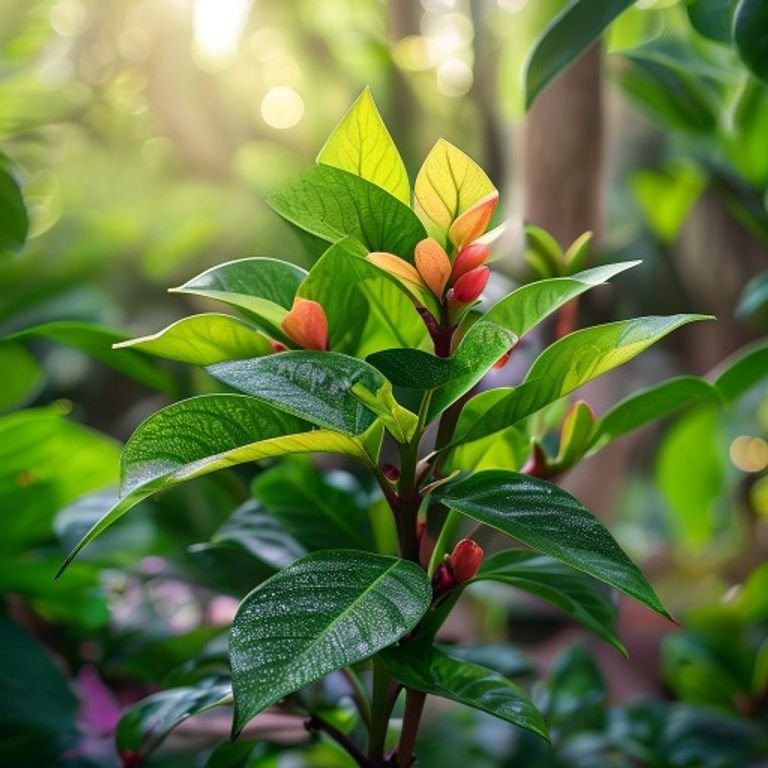
The Pulasan boasts beautiful pinnate leaves, which are typically glossy and dark green. New flushes of growth can sometimes display a reddish tint, adding another layer of visual interest to the tree’s overall appearance. The dense canopy offers welcome shade in hot climates.
Fragrance
The flowers of the Pulasan tree possess a mild, pleasant fragrance that can be appreciated up close. However, the most delightful aroma comes from the ripe Pulasan fruit itself – a sweet, tropical scent that hints at the deliciousness within.
Decorative Value
Beyond its culinary appeal, the Pulasan tree offers significant decorative value. Its dense canopy makes it an excellent shade tree, ideal for larger gardens or open spaces. The vibrant clusters of Pulasan fruit against the dark green leaves create a striking visual contrast, enhancing the aesthetic appeal of any tropical-themed garden or edible landscape.
Growing Requirements
To successfully grow Pulasan, understanding its specific needs is paramount. Providing the right environment will ensure a healthy, productive tree.
Light
Pulasan trees thrive in full sun. They need at least 6-8 hours of direct sunlight per day to grow vigorously and produce abundant fruit. In India, choose a location that receives ample sunlight throughout the day.
Water
Consistent moisture is key for Pulasan, especially during dry spells and the fruiting period. Water regularly, ensuring the soil remains moist but never waterlogged. Young trees require more frequent watering to establish a strong root system. Reduce watering slightly during cooler, dormant periods. Good drainage is critical to prevent root problems.
Temperature
As a tropical tree, Pulasan loves warmth. It flourishes in temperatures ranging from 25°C to 35°C. It is not tolerant of frost or prolonged cold temperatures, which can severely damage or kill the tree. For most parts of peninsular India, the climate is ideal.
Humidity
High humidity is preferred by the Pulasan tree, mirroring its natural rainforest habitat. While not always easy to achieve artificially in a home garden, consistent watering and mulching can help maintain some localized humidity around the tree.
Soil
Pulasan prefers rich, well-draining soil with a slightly acidic to neutral pH (ideally between 5.5 and 6.5). Loamy soil enriched with organic matter provides the best growing medium. Good drainage is absolutely essential to prevent waterlogging, which can lead to root rot.
Potting Mix
If you’re starting with a young Pulasan in a pot, use a high-quality potting mix that offers excellent drainage and good water retention. A blend of garden soil, coco peat, and well-rotted compost in equal parts works well. Ensure the pot has ample drainage holes.
Fertilizer
Young Pulasan trees benefit from a balanced fertilizer to encourage vegetative growth. As the tree matures and begins to flower and fruit, switch to a fertilizer higher in phosphorus and potassium to promote flowering and fruit development. Organic options like well-rotted cow dung manure, compost, and bone meal can also be incorporated. Fertilize every 2-3 months during the growing season, reducing frequency in winter.
How to Care for This Plant
Caring for your Pulasan tree involves a few essential practices to ensure its health and productivity:
- Planting: When planting a Pulasan sapling, dig a hole twice as wide as the root ball and just as deep. Gently remove the plant from its nursery pot, loosen any circling roots, and place it in the hole. Backfill with enriched soil, ensuring the graft union (if applicable) is above the soil line. Water thoroughly.
- Watering Schedule: Water deeply and consistently, especially during dry periods. Check the soil moisture regularly by sticking your finger about an inch or two into the soil. If it feels dry, it’s time to water. Reduce frequency during the monsoon season.
- Mulching: Apply a thick layer of organic mulch (like straw, wood chips, or dried leaves) around the base of the tree, keeping it a few inches away from the trunk. Mulching helps retain soil moisture, suppress weeds, and slowly adds organic matter to the soil.
- Pruning: Prune your Pulasan tree to maintain a good shape, remove dead or diseased branches, and encourage better air circulation and light penetration. The best time for light pruning is after the fruiting season. For heavier structural pruning, consult an expert.
- Pest and Disease Management: Regularly inspect your Pulasan tree for any signs of pests or diseases. Early detection allows for prompt treatment. Use organic pesticides or fungicides as needed.
- Protection from Extreme Weather: While Pulasan loves warmth, very young trees might benefit from some protection during intense summer heatwaves (e.g., partial shade cloth) or unusually cool spells in winter.
- Pollination: Pulasan trees can be dioecious (male and female flowers on separate trees) or hermaphroditic. If you have a single tree that isn’t fruiting, lack of a compatible pollinator might be an issue. Bees and other insects are the primary pollinators.
Common Problems and Solutions
Even with the best care, Pulasan trees can encounter a few common issues. Here’s how to address them:
- Yellow Leaves:
- Problem: Often a sign of nutrient deficiency (especially nitrogen or iron) or overwatering/underwatering.
- Solution: Check soil moisture. If soil is waterlogged, improve drainage. If dry, water more consistently. Apply a balanced fertilizer or an iron supplement if deficiency is suspected.
- Pests:
- Problem: Common pests include mealybugs, scale insects, and sometimes fruit flies (especially on ripe fruit).
- Solution: For mealybugs and scale, manually remove them or spray with neem oil solution or insecticidal soap. For fruit flies, use fruit fly traps or net your ripening fruit.
- Fungal Diseases:
- Problem: Anthracnose can affect leaves and fruit, especially in humid conditions, causing dark spots.
- Solution: Ensure good air circulation through proper pruning. Remove and destroy affected parts. Apply a suitable fungicide as a preventative measure or treatment if severe.
- Root Rot:
- Problem: Caused by consistently waterlogged soil, leading to roots decaying. Symptoms include wilting, yellowing leaves, and stunted growth.
- Solution: Improve soil drainage immediately. Reduce watering frequency. If in a pot, repot into fresh, well-draining soil. This is often fatal if not caught early.
- Poor Flowering/Fruiting:
- Problem: Lack of fruit despite a mature tree can be due to insufficient light, nutrient imbalance, lack of pollination, or unsuitable climate.
- Solution: Ensure full sun exposure. Use a fertilizer high in phosphorus and potassium. Encourage pollinators or consider hand-pollination if necessary. Ensure the climate is consistently warm.
- Slow Growth:
- Problem: Young Pulasan trees can sometimes grow slowly due to poor soil, insufficient nutrients, or inadequate light/water.
- Solution: Provide regular feeding with a balanced fertilizer. Ensure optimal light and water conditions. Improve soil structure with organic matter.
- Leaf Drop:
- Problem: Can be a reaction to stress, such as sudden temperature changes, severe underwatering, or overwatering.
- Solution: Identify and rectify the stressor. Ensure consistent care, particularly regarding watering and stable temperatures.
Benefits
Beyond its beauty, the Pulasan tree offers several compelling benefits:
- Delicious Fruit: The primary benefit is its highly prized, sweet, and juicy fruit. The Pulasan fruit is known for its excellent flavour, often described as a richer, sweeter version of rambutan, with flesh that easily separates from the seed.
- Home Decoration & Landscaping: Its dense, evergreen foliage and attractive form make it an excellent ornamental tree for larger home gardens, providing shade and tropical aesthetics.
- Nutritional Value: Pulasan fruit is a good source of vitamins, particularly Vitamin C, and other essential nutrients, contributing to a healthy diet.
- Pollinator Friendly: The flowers, though subtle, attract various pollinators, including bees, which are vital for the ecosystem and beneficial for other plants in your garden.
Frequently Asked Questions
How long does it take for a Pulasan tree to bear fruit?
Pulasan trees typically begin to bear fruit when they are around 5-7 years old from seed, though grafted trees can fruit earlier, sometimes within 3-4 years. Fruiting also depends heavily on ideal growing conditions, including ample sunlight, proper watering, and suitable temperatures.
Can Pulasan be grown in a pot?
While Pulasan is a tree that can grow quite large, it is possible to grow young Pulasan trees in large pots for several years. You will need a very large container (at least 20-25 gallons for a mature potted specimen) and a well-draining potting mix. Regular watering, feeding, and eventual repotting or root pruning will be necessary to keep it healthy in a confined space. For long-term fruiting, planting in the ground is ideal.
What is the difference between Pulasan and Rambutan?
Pulasan (*Nephelium mutabile*) and Rambutan (*Nephelium lappaceum*) are close relatives, but they have distinct differences. The most noticeable difference is in the fruit’s skin: Pulasan has shorter, blunter, and softer spines or tubercles that are easier to handle, whereas rambutan has longer, hair-like spines. Pulasan fruit is also typically rounder, with flesh that usually separates more easily from the seed, and often boasts a richer, sweeter flavour compared to rambutan.
Final Thoughts
Cultivating the Pulasan tree in your Indian garden offers a wonderful opportunity to enjoy a truly unique and delicious tropical fruit. With its attractive foliage, generous shade, and the promise of sweet, juicy harvests, the Pulasan is a rewarding addition for any gardener willing to provide the tropical conditions it craves. By following the guidelines for light, water, soil, and ongoing care, you can ensure your Pulasan tree thrives and becomes a cherished part of your home orchard.
Embracing the journey of growing Pulasan connects you to the rich diversity of tropical plants and the simple joy of harvesting your own fruit. Plantrea is the online plant platform from Wynorg, helping plant lovers across India discover quality plants, practical growing advice, and trusted nursery sourcing. We hope this guide empowers you to embark on a successful Pulasan growing adventure.
Interested in This Plant?
If the exotic appeal and delicious taste of the Pulasan fruit have captured your imagination, you might be wondering how to get started. Finding the perfect Pulasan sapling for your garden or understanding specific nuances for your local conditions can sometimes be challenging.
Our Plant Expert chat, conveniently located at the bottom-right corner of every page, is here to assist you. This friendly, experienced gardening assistant can help you check whether the Pulasan plant is currently available for purchase through Wynorg, or provide personalised recommendations tailored to your specific home or garden environment.
Don’t hesitate to reach out! Whether you have more questions about Pulasan care and maintenance, need advice on pest prevention, or want to discover suitable alternatives if the Pulasan isn’t quite right for you, our Plant Expert is ready to share valuable insights and practical tips to ensure your gardening success.
Want to buy this plant? Visit https://plantrea.com/shop-2/