Aloe Vera – Healing Gel for Burns & Cuts | Wynorg Nursery
There are few plants as universally recognised and cherished in Indian homes as the humble Aloe Vera. This remarkable succulent isn’t just a beautiful addition to your home or garden; it’s a living first-aid kit, revered for centuries for its incredible healing properties. From soothing minor burns and cuts to nourishing skin and hair, the Aloe Vera plant is a must-have for every household looking for natural remedies and a touch of green. Its ease of care and adaptability make it a favourite among both novice and experienced gardeners across India.
At Plantrea, we understand the deep connection Indians have with their plants. Plantrea is the online plant platform by Wynorg, a trusted Indian brand known for delivering healthy live plants safely across India. We aim to share comprehensive, trustworthy plant knowledge, and the Aloe Vera is a perfect example of a plant that offers so much to its caretakers.
Botanical Overview
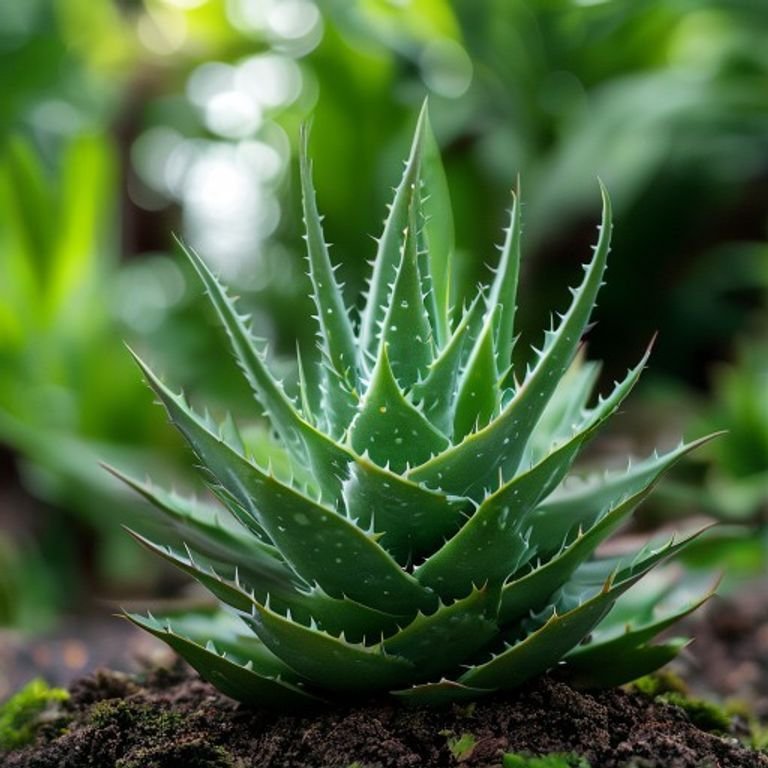
The botanical name for the common medicinal Aloe Vera is Aloe barbadensis miller. It belongs to the Asphodelaceae family, a large group of flowering plants. Originating from the Arabian Peninsula, this resilient plant has adapted to thrive in arid climates, which explains its succulent nature. Aloe Vera is a perennial succulent, meaning it lives for more than two years and stores water in its thick, fleshy leaves. It exhibits an upright growth habit, forming a dense rosette of leaves that can reach a height of 1 to 2 feet, depending on the growing conditions and variety. While primarily grown for its leaves, mature Aloe Vera plants can produce attractive yellow or orange tubular flowers on a tall stalk, typically blooming from winter to spring, adding another layer of charm to this already beloved plant.
Why People Love This Plant
The appeal of the Aloe Vera plant goes far beyond its renowned medicinal properties. It’s a plant that brings both beauty and utility to any space.
- Appearance: The thick, fleshy, spear-shaped leaves of the Aloe Vera form an attractive rosette, often with small, soft teeth along the edges. Its vibrant green colour, sometimes with a subtle reddish tint in direct sun, adds a fresh and natural touch to any decor. It’s an architectural plant that stands out without being overly fussy.
- Flowers: While not its primary feature, when an Aloe Vera plant matures and receives optimal conditions, it can send up a tall stalk bearing beautiful tubular flowers. These typically appear in shades of yellow or orange and can be quite a delightful surprise, attracting occasional pollinators, though the plant itself is not fragrant.
- Foliage: The distinctive foliage is undoubtedly the star of the show. Each leaf is packed with a clear, jelly-like gel that is the source of its famous healing properties. The robust nature of these leaves signifies the plant’s resilience and vitality.
- Fragrance: Aloe Vera plants do not emit any significant fragrance, making them ideal for those sensitive to strong scents, especially when kept indoors.
- Decorative Value: Its striking form makes it an excellent choice for home decoration. Whether placed on a kitchen windowsill, a desk, a patio, or as part of a succulent garden, the Aloe Vera adds a natural, calming presence. Its manageable size makes it perfect for balcony gardening in apartments or smaller outdoor spaces.
Growing Requirements
Caring for an Aloe Vera plant is wonderfully straightforward, making it an excellent choice for beginners. Understanding its basic needs, especially for the Indian climate, will ensure your plant thrives and is always ready when you need its healing gel.
- Light: Aloe Vera loves sunlight. It thrives in full sun, meaning at least six hours of direct sunlight per day. In the intense Indian summer, especially in hotter regions, it’s wise to provide some afternoon shade to prevent leaf scorching. A spot that receives bright morning sun and dappled afternoon light is often ideal for outdoor plants. Indoors, place your Aloe Vera in the brightest spot available, such as a south or west-facing window. If it doesn’t get enough light, the plant can become “leggy,” stretching out in search of light.
- Water: As a succulent, Aloe Vera stores water in its leaves and is highly drought-tolerant. The biggest mistake new growers make is overwatering, which leads to root rot. Water your Aloe Vera sparingly, typically every 2-3 weeks, allowing the soil to dry out completely between waterings. In cooler months or during the monsoon season, you’ll need to water even less frequently. Always check the soil moisture by sticking your finger about an inch or two deep; if it feels damp, wait a few more days.
- Temperature: Aloe Vera prefers warm temperatures, ideally between 18°C and 30°C. These conditions are widely prevalent across most of India. While it can tolerate slightly higher temperatures, extreme heat combined with intense direct sun might cause stress. It’s sensitive to frost, so in colder northern Indian winters where temperatures might drop significantly, bring outdoor potted plants indoors or provide adequate protection.
- Humidity: This plant is not fussy about humidity and does well in the drier air often found indoors or in arid regions. High humidity is generally not an issue as long as the soil drains well and the plant gets good air circulation.
- Soil: Well-drained soil is paramount for Aloe Vera. A standard potting mix is usually too heavy and retains too much moisture. Opt for a specialised cactus or succulent potting mix, or create your own by mixing regular potting soil with perlite, coarse sand, or pumice in equal parts. This ensures excellent drainage and aeration, preventing waterlogging.
- Potting Mix: As mentioned, a quick-draining potting mix is essential. A good mix will allow water to flow freely, preventing the roots from sitting in soggy conditions, which is the leading cause of problems for Aloe Vera.
- Fertilizer: Aloe Vera is a light feeder and doesn’t require frequent fertilisation. If your plant is healthy and growing, you might not need to fertilise it at all. If you wish to give it a boost, use a balanced liquid fertiliser diluted to half strength, once or twice during its active growing season (spring and summer). Avoid fertilising during winter or when the plant is dormant.
How to Care for This Plant
Taking care of your Aloe Vera, this wonderful medicinal plant, is a rewarding experience. Here’s a step-by-step guide to keep it thriving:
- Water Wisely: Always err on the side of underwatering rather than overwatering. Before watering, ensure the top 2-3 inches of soil are completely dry. When you do water, water thoroughly until you see water draining from the bottom of the pot. Discard any excess water collected in the saucer to prevent root rot.
- Provide Adequate Light: Place your Aloe Vera in a location where it receives plenty of bright, indirect sunlight or morning sun. If keeping it outdoors, choose a spot with some protection from the harsh midday sun, especially during peak summer. Indoor plants might benefit from being moved closer to a window during shorter winter days.
- Choose the Right Pot: Always use a pot with drainage holes. Terra cotta pots are excellent as they are porous and help wick away excess moisture, promoting better aeration for the roots. As your Aloe Vera grows, it will produce “pups” or offsets; repotting into a slightly larger pot every 2-3 years, or when it becomes root-bound, will give it room to grow.
- Propagation: Aloe Vera is incredibly easy to propagate from its pups. Gently separate the pups (small plantlets that grow around the base of the mother plant) when they are a few inches tall and have developed a few leaves and roots. Allow the separated pups to ‘callus over’ for a day or two in a dry, shaded place before planting them in their own well-draining pots.
- Pruning and Maintenance: Remove any dead, damaged, or yellowing leaves by cutting them close to the base with a clean, sharp knife. If your plant flowers, you can cut the flower stalk once the bloom fades. This directs the plant’s energy towards leaf growth.
- Seasonal Care: Adjust your watering schedule based on the season. During the active growing seasons of spring and summer, you might water slightly more often. In the cooler, dormant months of winter and during the monsoon, significantly reduce watering as the plant’s water requirements decrease.
Common Problems and Solutions
While Aloe Vera is a resilient plant, a few common issues can arise, mostly due to improper care. Here’s how to identify and address them:
- Yellow Leaves:
- Problem: The most common cause is overwatering. Roots suffocate and begin to rot, leading to yellowing leaves, often starting from the base. Nutrient deficiency or natural aging can also cause yellowing.
- Solution: Reduce watering frequency. Ensure the soil dries out completely between waterings. Check for root rot by gently removing the plant from its pot; if roots are mushy, trim affected parts and repot in fresh, well-draining soil. Consider a light dose of balanced fertiliser if soil nutrient levels are suspected.
- Pests:
- Problem: Aloe Vera is relatively pest-resistant, but mealybugs and scale insects can occasionally infest the plant, particularly in humid or crowded conditions. You might see white, cottony masses (mealybugs) or small, brown bumps (scale) on the leaves.
- Solution: Isolate the plant. For minor infestations, wipe pests off with a cotton swab dipped in rubbing alcohol. For more severe cases, use a neem oil solution spray, ensuring thorough coverage, especially on the undersides of leaves.
- Fungal Diseases (e.g., Root Rot):
- Problem: Almost always a direct consequence of overwatering and poor drainage. Symptoms include mushy stems, wilting, and a foul smell from the soil.
- Solution: Prevention is key – ensure excellent drainage and appropriate watering. If root rot is severe, the plant may not recover. For early stages, unpot, trim away all affected roots and leaves, let the healthy remaining plant callus for a few days, and repot in fresh, dry, well-draining soil.
- Poor Flowering:
- Problem: If your Aloe Vera isn’t flowering, it’s usually due to insufficient light, the plant being too young, or not receiving enough mature nutrients.
- Solution: Ensure your plant gets ample bright light. A mature plant (typically 3-4 years old or more) is more likely to flower. A light feed of phosphorus-rich fertiliser in spring might encourage blooms.
- Slow Growth:
- Problem: Lack of adequate light or insufficient nutrients can lead to slow or stunted growth.
- Solution: Move the plant to a brighter location. Consider a light, balanced liquid feed during the growing season. Ensure proper watering and a good potting mix.
- Leaf Drop or Mushy Leaves:
- Problem: This is a severe sign of overwatering and root rot, or occasionally extreme cold shock.
- Solution: Immediately assess watering practices and soil condition. If it’s root rot, follow the solution above. Protect the plant from cold drafts or temperatures below 5°C.
- Leggy Growth:
- Problem: When an Aloe Vera doesn’t receive enough light, its leaves will stretch out and become elongated, sometimes losing their vibrant colour, as the plant tries to reach for a light source.
- Solution: Move the plant to a location with more bright, direct sunlight. You cannot reverse the legginess of existing leaves, but new growth will be compact and healthy.
- Brown Tips or Reddish Tinge:
- Problem: Brown tips can indicate underwatering, too much intense direct sun (scorching), or sometimes chemical burn from over-fertilisation. A reddish tinge can also indicate sun stress or too much direct sunlight.
- Solution: Adjust watering if the soil is consistently dry. If it’s getting too much harsh sun, provide some afternoon shade. Reduce fertiliser.
Benefits
Beyond its striking good looks and easy-care nature, the Aloe Vera plant is a powerhouse of benefits, making it an indispensable asset in any home or garden.
- Healing Gel for Burns and Cuts: This is arguably the most famous benefit of Aloe Vera, a true ‘burn relief plant.’ The clear, gooey gel found inside its leaves is packed with compounds like polysaccharides and glycoproteins that promote skin healing, reduce inflammation, and offer a soothing, cooling effect. It’s incredibly effective for minor burns, cuts, scrapes, and insect bites.
- Hair and Skin Benefits: The gel is a popular ingredient in many cosmetic products. Applied topically, it can moisturise dry skin, soothe sunburn, reduce acne inflammation, and even promote healthy hair growth and scalp health. Its hydrating properties are excellent for maintaining skin elasticity.
- Easy to Grow: As a hardy succulent, Aloe Vera is one of the easiest plants to grow, even for those new to gardening. Its minimal watering and care requirements make it a perfect low-maintenance medicinal plant for busy households.
- Air Purification: Aloe Vera is known to be an excellent air-purifying plant. It helps remove common household toxins like formaldehyde and benzene from the air, contributing to a healthier indoor environment.
- Home Decoration: With its unique architectural form and vibrant green foliage, Aloe Vera adds a touch of natural elegance to any indoor or outdoor space. It fits seamlessly into modern, minimalist, or traditional Indian decor styles.
- Balcony Gardening: Its compact size and upright growth habit make it an ideal candidate for balcony gardening. Potted Aloe Vera plants can thrive on sunny balconies, providing both aesthetic appeal and readily available medicinal benefits.
- Landscaping: In regions with suitable climates, Aloe Vera can be used effectively in drought-tolerant landscaping. Its ability to thrive in dry conditions makes it a smart choice for water-wise gardens, often used as an accent plant or in rock gardens.
Frequently Asked Questions
How to use Aloe Vera gel for burns?
For minor burns, simply cut a small section of a mature Aloe Vera leaf near the base. Squeeze out the clear gel directly onto the affected area. You can also carefully scoop out the gel with a spoon. Apply the fresh gel directly to the burn for a soothing and healing effect. Repeat several times a day as needed.
How often should I water my Aloe Vera plant?
Aloe Vera is a succulent that thrives on neglect when it comes to watering. You should water it very sparingly, typically once every 2-3 weeks, allowing the soil to dry out completely between waterings. Always check the soil moisture before watering; if it feels damp, wait a few more days. Overwatering is the most common cause of problems for this plant.
Can I eat Aloe Vera gel?
While the gel from *Aloe barbadensis miller* is used topically for its medicinal properties, consuming Aloe Vera gel requires caution. Only specific varieties of Aloe are cultivated for internal consumption, and proper processing is crucial to remove the aloin (a laxative compound) found in the latex layer just beneath the skin of the leaf. It is highly recommended to consult a healthcare expert or nutritionist before ingesting any Aloe Vera gel to ensure it’s safe and suitable for your specific needs.
Final Thoughts
The Aloe Vera plant is truly a marvel of nature, offering a unique blend of beauty, resilience, and profound healing properties. Its ease of care makes it an accessible and rewarding plant for everyone, from seasoned gardeners to those just beginning their green journey. Having an Aloe Vera at home means you always have a natural remedy for life’s little mishaps, alongside a vibrant, air-purifying companion.
We hope this guide empowers you to grow and care for your Aloe Vera with confidence. Plantrea is the online plant platform from Wynorg, helping plant lovers across India discover quality plants, practical growing advice, and trusted nursery sourcing. We are committed to fostering a love for plants and providing the knowledge you need to succeed.
Interested in This Plant?
Perhaps you’re captivated by the healing powers of the Aloe Vera and are considering adding one to your collection, or maybe you have an Aloe Vera already and just have a quick question. Whatever your needs, we’re here to help!
Our Plant Expert chat, located at the bottom-right corner of every page, is your direct line to experienced gardening advice. You can use it to quickly check whether the Aloe Vera plant is currently available at Wynorg, or to get personalised recommendations for other succulents or medicinal plants that would thrive in your home or garden. Feel free to ask any specific questions about Aloe Vera care and maintenance – our experts are ready to assist you.
If by chance the Aloe Vera isn’t quite what you’re looking for, or if it’s temporarily out of stock, our Plant Expert can also help you find suitable alternatives that offer similar benefits or growing requirements. Think of it as your friendly, knowledgeable gardening assistant, always ready to share insights and make your plant journey even more enjoyable.
Want to buy this plant? Visit https://plantrea.com/shop-2/