Spider Plant – Produces Baby Plants, Pet Friendly | Wynorg Nursery
The humble Spider Plant, or Chlorophytum comosum, holds a special place in the hearts of plant enthusiasts across India. Its graceful, arching foliage and the charming “baby” plantlets that dangle from its runners make it an instant favourite for adding a touch of natural beauty to any indoor space. Known for its incredible resilience and air-purifying qualities, this delightful houseplant thrives in various conditions, making it perfect for both seasoned gardeners and those just beginning their green journey. Its ability to produce numerous offspring, often called spiderettes, also offers an easy and rewarding way to expand your plant collection or share the joy of gardening with friends and family.
For those looking to bring home healthy, vibrant plants, Plantrea is the online plant platform by Wynorg, a trusted Indian brand known for delivering healthy live plants safely across India. We believe that caring for a Spider Plant is not just about nurturing a plant; it’s about creating a serene and healthy environment in your home, and this beautiful plant certainly helps achieve that with its easy-going nature.
Botanical Overview
The Spider Plant, scientifically known as Chlorophytum comosum, belongs to the Asparagaceae family. While it has sometimes been classified under Liliaceae or Agavaceae in the past, Asparagaceae is its current accepted family. Native to the tropical and southern regions of Africa, this perennial herbaceous plant is remarkably adaptable and has become a global favourite for indoor cultivation.
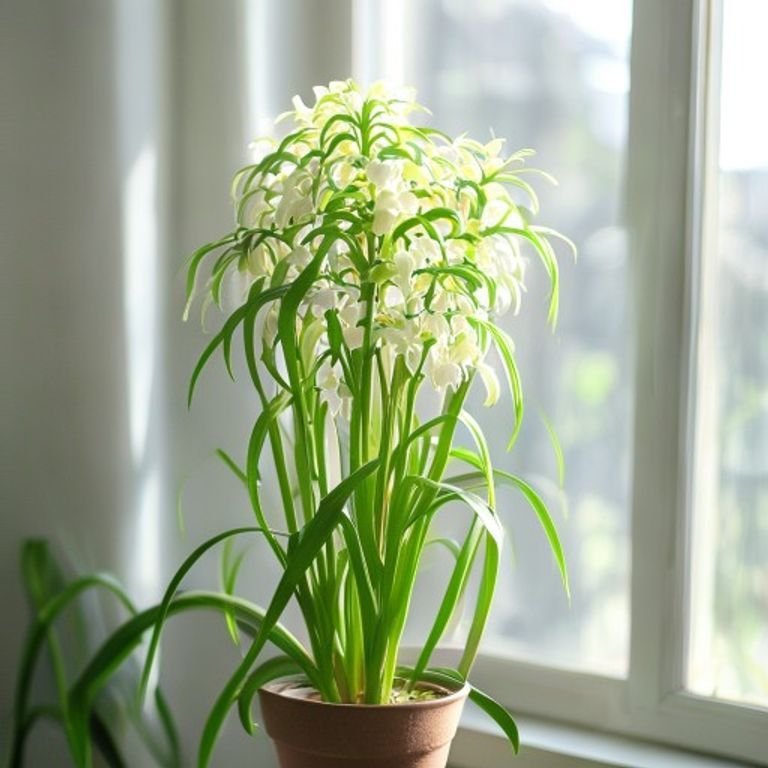
It’s characterized by its distinct growth habit: a central rosette of long, slender, arching leaves from which thin, wiry stems, known as stolons or runners, emerge. These runners eventually produce small white flowers and, most famously, miniature versions of the parent plant, the spiderettes, which can be easily propagated. The most common varieties feature striking variegated foliage, typically green leaves with a cream or white stripe down the center or along the edges, adding to their ornamental appeal.
Why People Love This Plant
The enduring popularity of the Spider Plant is no accident. Several factors contribute to its status as a beloved houseplant:
- Appearance: The most striking feature of the Spider Plant is its elegant, arching foliage. The long, strap-like leaves, often variegated with creamy white or yellow stripes, cascade gracefully, making it a perfect choice for hanging baskets or elevated shelves. This natural drape adds a soft, organic feel to any room.
- Flowers: While not the primary reason for growing a Spider Plant, it does produce small, star-shaped white flowers on its long runners. These delicate blooms are often followed by the development of the adorable “baby” spiderettes.
- Foliage: The lush, vibrant green and often variegated leaves are the plant’s main attraction. They provide a continuous display of natural beauty and are known for their resilience and ability to maintain their fresh appearance with minimal fuss.
- Fragrance: Spider Plants are not known for any significant fragrance, making them an excellent choice for those sensitive to strong scents or who prefer plants that don’t add to the ambient smell of a room.
- Decorative Value: Its natural arching habit and the way its plantlets dangle make the Spider Plant an excellent choice for hanging baskets, adding vertical interest to your decor. It also looks fantastic on high shelves, side tables, or as a vibrant centerpiece in a living room. Its versatility allows it to complement various interior design styles, from modern minimalist to cozy bohemian.
Growing Requirements
One of the reasons the Spider Plant is so cherished is its forgiving nature when it comes to growing conditions. However, providing optimal care will ensure a thriving, beautiful specimen.
- Light: Spider Plants prefer low to bright indirect light. They can tolerate lower light conditions, but their variegation might become less pronounced, and growth can slow down. Avoid direct sunlight, especially the harsh midday sun in India, as it can scorch their delicate leaves, leading to brown tips and faded colour. An east or north-facing window is ideal, or a few feet away from a south or west-facing window.
- Water: Moderate watering is key. Allow the top inch or two of the soil to dry out completely between waterings. Overwatering is a common cause of issues like root rot. In India’s warmer months, you might need to water more frequently, while in cooler periods, less often. Always ensure the pot has drainage holes to prevent waterlogging.
- Temperature: These plants are quite tolerant of a range of temperatures commonly found in Indian homes. They thrive in temperatures between 18°C and 24°C but can withstand slightly cooler or warmer conditions. Protect them from extreme cold drafts in winter and intense heat waves.
- Humidity: Spider Plants are fairly adaptable to average household humidity levels. However, they appreciate higher humidity, especially in dry environments or during peak summer. You can mist them occasionally, place them near a humidifier, or put the pot on a pebble tray filled with water (ensuring the pot doesn’t sit directly in the water).
- Soil: A well-draining, loose potting mix is crucial. Good aeration prevents compaction and root problems.
- Potting Mix: A standard, good quality potting mix enriched with some perlite or coarse sand for extra drainage works perfectly. A mix designed for indoor plants is usually suitable.
- Fertilizer: Feed your Spider Plant with a balanced liquid fertilizer diluted to half strength every 2-4 weeks during its active growing season (spring and summer). Reduce or stop fertilizing during the cooler, dormant months. Too much fertilizer can cause salt buildup and potentially damage the roots, so always follow the product instructions.
How to Care for This Plant
Caring for a Spider Plant is delightfully straightforward, making it an ideal choice for busy individuals or novice gardeners. Here’s a step-by-step guide to keep your plant healthy and happy:
- Watering Wisely: Always check the soil moisture before watering. Stick your finger about an inch or two into the soil. If it feels dry, it’s time to water thoroughly until water drains from the bottom of the pot. Never let the pot sit in standing water. Adjust frequency based on ambient temperature, humidity, and pot size.
- Light Placement: Position your Spider Plant in a spot where it receives plenty of bright, indirect light. An east-facing window is often perfect, offering gentle morning sun. If you notice the variegation fading or the plant becoming leggy, it might need more light. If leaves look scorched, move it further from a window.
- Repotting: Spider Plants don’t mind being slightly root-bound, which can even encourage them to produce more spiderettes. Repot only when necessary, typically every 1-2 years, into a pot one size larger. Do this in spring using fresh potting mix.
- Pruning for Health and Aesthetics: Remove any yellowing, brown, or damaged leaves at their base to maintain the plant’s health and appearance. You can also trim off excessive runners if you don’t wish to propagate the spiderettes. This helps the plant redirect energy to foliage growth.
- Propagating Spiderettes: This is one of the most fun aspects of owning a Spider Plant! Once a spiderette develops roots (or even before), simply snip it from the mother plant’s runner. You can then place it in a glass of water until roots are several inches long, or directly plant it into moist potting soil. Ensure the base of the spiderette is in contact with the soil. They root very easily.
- Cleaning Leaves: Occasionally wipe the leaves gently with a damp cloth to remove dust. This not only keeps the plant looking fresh but also helps it photosynthesize more efficiently.
- Protect from Extremes: In Indian homes, ensure the plant is not directly under an AC vent which can dry it out, or in a spot where it receives intense, scorching afternoon sun through a window.
Common Problems and Solutions
Even though Spider Plants are robust, they can encounter a few common issues. Here’s how to address them:
- Brown Leaf Tips: This is perhaps the most common complaint. It’s often caused by fluoride or chlorine in tap water, low humidity, inconsistent watering, or a buildup of salts from fertilizer.
- Solution: Use filtered, distilled, or rainwater. If not possible, let tap water sit out overnight to allow chlorine to dissipate. Increase humidity around the plant and ensure consistent watering. Flush the soil occasionally by watering thoroughly until water drains out for several minutes to wash away salt buildup.
- Yellow Leaves: Usually an indicator of overwatering, leading to root rot. Can also be due to underwatering, nutrient deficiency, or natural aging of lower leaves.
- Solution: Check soil moisture. If soggy, allow to dry out before next watering. If chronically overwatered, consider repotting into fresh, well-draining soil after inspecting and trimming any rotted roots. Ensure proper feeding during the growing season.
- Pests: Spider Plants are relatively pest-free, but occasionally they can be bothered by spider mites, mealybugs, or aphids, especially in very dry or stressed conditions.
- Solution: Regularly inspect your plant. If pests are found, wipe them off with a damp cloth, or use neem oil spray or insecticidal soap specifically formulated for plants.
- Fungal Diseases (e.g., Root Rot): Almost always caused by persistent overwatering and poorly draining soil.
- Solution: Ensure excellent drainage. Always let the soil dry out between waterings. If root rot is suspected, gently remove the plant from its pot, trim off any soft, mushy, black roots, and repot in fresh, dry potting mix.
- Poor Flowering/No Spiderettes: Often due to insufficient light, a young plant, or a plant that isn’t root-bound enough.
- Solution: Move the plant to a brighter spot with indirect light. Give it time to mature. Sometimes, being slightly root-bound encourages flowering and spiderette production.
- Slow Growth / Leggy Appearance: Usually a sign of insufficient light.
- Solution: Relocate the plant to a brighter area with indirect light. Ensure adequate nutrition during the growing season.
- Leaf Drop: Can be caused by extreme temperature changes, severe underwatering, or overwatering stress.
- Solution: Provide consistent care and stable environmental conditions. Avoid placing the plant in drafts or near heat/AC vents.
Benefits
Beyond their charming appearance, Spider Plants offer a range of practical benefits for your home and garden:
- Home Decoration: With their elegant, arching leaves and dangling spiderettes, they are perfect for hanging baskets, shelves, and tabletops, adding a refreshing touch of green to any room.
- Balcony Gardening: In Indian climates, Spider Plants thrive in shaded or semi-shaded balconies, providing beautiful foliage without requiring direct, harsh sunlight. They add a soft, natural aesthetic to outdoor compact spaces.
- Air Purification: This is one of the most well-known benefits. The Spider Plant is renowned for its ability to filter common indoor air toxins such as formaldehyde, xylene, and carbon monoxide, as highlighted by NASA’s Clean Air Study. This makes it an excellent choice for improving indoor air quality.
- Pet Friendly: A significant advantage for many plant lovers, the Spider Plant is non-toxic to cats and dogs, making it a safe choice for households with furry companions.
- Easy Propagation: The plant’s ability to produce numerous “babies” means you can easily propagate new plants, expand your collection, or share them as gifts, fostering a sense of community among gardeners.
Frequently Asked Questions
How to propagate babies?
Propagating Spider Plant babies (spiderettes) is incredibly easy! Once a spiderette develops small roots while still attached to the mother plant’s runner, or even if it just has a few leaves, you can simply snip the runner a few inches from the baby. Then, you can place the baby in a glass of water, ensuring the base is submerged, until it develops a robust root system (usually 1-2 weeks). Alternatively, you can directly plant the baby into a small pot filled with moist potting soil, gently pressing the base into the soil. Keep the soil consistently moist until new growth indicates it has rooted.
Why are leaf tips brown?
Brown leaf tips on a Spider Plant are a very common issue and are typically caused by several factors. The most frequent culprits are fluoride or chlorine in tap water, low humidity levels in the air, or inconsistent watering habits (either letting the soil get too dry or staying too wet). A buildup of salts from over-fertilizing can also contribute. To remedy this, try using filtered, distilled, or rainwater for your plant. Increasing ambient humidity with misting or a pebble tray can help, as can ensuring you water consistently, allowing the top soil to dry out between waterings.
Is it really pet safe?
Yes, the Spider Plant (Chlorophytum comosum) is indeed considered non-toxic and pet-safe for both cats and dogs. This makes it a fantastic choice for pet owners who want to add greenery to their homes without worrying about their curious companions. While it’s always best to discourage pets from munching on any plant, you can rest assured that a nibble on a Spider Plant won’t cause serious harm.
Final Thoughts
The Spider Plant truly stands out as an exceptional houseplant, combining aesthetic appeal with incredible ease of care and tangible benefits like air purification. Its resilience makes it a joy to grow, and its prolific nature, producing charming “baby” plants, provides endless opportunities for propagation and sharing. Whether you’re a seasoned green thumb or just starting your indoor gardening adventure in India, the Spider Plant offers a rewarding experience, transforming any space into a greener, healthier haven.
Plantrea is the online plant platform from Wynorg, helping plant lovers across India discover quality plants, practical growing advice, and trusted nursery sourcing. We are committed to fostering a love for plants and empowering gardeners with the knowledge they need to cultivate thriving green spaces.
Interested in This Plant?
Curious to add a lovely Spider Plant to your collection, or perhaps you’re looking for the perfect hanging indoor plant for your home? We understand that finding the right plant and ensuring its availability can sometimes be a little tricky. That’s why we’ve made it easier than ever for you to get all the information you need, right at your fingertips.
Our Plant Expert chat, located at the bottom-right corner of every page, is your personal gardening assistant. You can use it to quickly check whether the Spider Plant is currently available in stock. Our expert can also provide you with personalized plant recommendations tailored to your specific home environment and gardening goals, helping you discover other pet friendly plants or easy propagation options.
Don’t hesitate to ask our Plant Expert any questions you have about the Spider Plant’s care and maintenance, or even if you’re looking for suitable alternatives if this particular plant isn’t available right now. We’re here to help you cultivate a thriving green space with confidence and ease.
Want to buy this plant? Visit https://plantrea.com/shop-2/