Growing Bapcai Longan Tree: A Comprehensive Care Guide for Indian Gardens
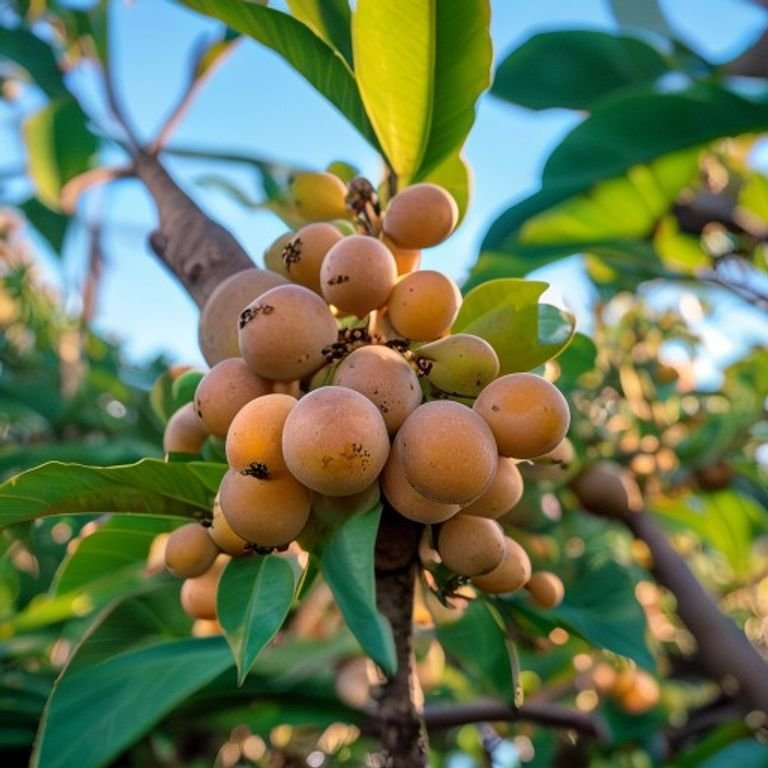
The Bapcai Longan tree, a delightful member of the longan family, has earned a special place in the hearts of Indian gardeners and fruit enthusiasts. Its luscious, sweet fruits, resembling translucent grapes with a single dark seed, are a summer delight, making it a highly sought-after addition to home orchards and large gardens. Beyond its delicious produce, the Bapcai Longan offers lush green foliage and a graceful form, adding ornamental value to any landscape. Many across India are discovering the joy of cultivating this wonderful fruit tree, often finding their perfect specimens through trusted sources. Plantrea is the online plant platform by Wynorg, a trusted Indian brand known for delivering healthy live plants safely across India, helping many bring the beauty and bounty of the Bapcai Longan into their homes.
Botanical Overview
The Bapcai Longan is a commercial variety of the well-known Longan fruit, celebrated globally for its sweet taste.
* Botanical Name: *Dimocarpus longan* (Bapcai is a specific cultivar)
* Plant Family: Sapindaceae (also includes lychee and rambutan)
* Origin: Longan trees originate from Southeast Asia, particularly southern China, Vietnam, and Thailand.
* Plant Type: Perennial, evergreen fruit tree.
* Growth Habit: Typically grows as a medium to large tree with an upright, spreading canopy. Its branches can become quite dense, providing ample shade.
Why People Love This Plant
The Bapcai Longan tree is cherished for several reasons, making it a popular choice for gardeners across India.
Appearance
The tree itself is quite attractive, with a sturdy trunk and a dense canopy of rich, dark green leaves. The new growth often emerges with a reddish tint, adding a touch of contrast. When laden with fruit, the clusters of pale, almost translucent spheres are a sight to behold, hanging gracefully from the branches.
Flowers
Bapcai Longan trees produce small, inconspicuous, yellowish-white flowers that emerge in panicles (large, branched clusters) from the leaf axils or terminals. While not overtly showy, these flowers are delicately fragrant and attract various pollinators, which are crucial for fruit set.
Foliage
The evergreen foliage is glossy and leathery, providing year-round greenery. The leaves are pinnately compound, meaning they consist of multiple leaflets arranged along a central stem, giving the tree a lush and tropical appearance.
Fragrance
The small flowers carry a subtle, sweet fragrance that is particularly noticeable when the tree is in full bloom. The ripe fruits, when opened, also emit a delicate, aromatic scent that is characteristic of Longans.
Decorative Value
Beyond its delicious fruit, the Bapcai Longan tree serves as a magnificent specimen plant in larger gardens. Its dense canopy offers excellent shade, and its tropical aesthetic enhances the beauty of any landscape. Even in its younger stages, it can be grown in large containers, adding an exotic touch to patios or balconies.
Growing Requirements for Bapcai Longan Tree
To successfully cultivate a Bapcai Longan tree in your Indian garden, understanding its specific growing needs is essential.
Light
The Bapcai Longan tree thrives in full sun. It requires at least 6-8 hours of direct sunlight daily to produce abundant flowers and fruit. While young trees can tolerate some partial shade, mature trees demand maximum sun exposure for optimal growth and fruiting.
Water
Consistent and adequate watering is crucial, especially for young trees and during dry spells. Water deeply and regularly, allowing the top few inches of soil to dry out slightly between waterings. Avoid waterlogging, as this can lead to root rot. Mature trees are more drought-tolerant but will benefit from supplemental watering during prolonged dry periods, particularly when flowering and fruiting.
Temperature
Bapcai Longan trees are tropical to subtropical plants. They prefer warm temperatures, ideally between 20°C to 30°C. They can tolerate short periods of cooler temperatures but are sensitive to frost. In regions with harsh winters, protection might be necessary for young trees. They do not thrive in consistently cold climates.
Humidity
Longans appreciate moderate to high humidity, characteristic of many tropical and coastal regions in India. Dry air can sometimes lead to leaf tip burn or reduced fruit set. In very dry areas, misting young plants or placing them near water features can help.
Soil
These trees prefer well-draining soil that is rich in organic matter. They can adapt to a range of soil types, from sandy loams to heavier clays, as long as drainage is excellent. A slightly acidic to neutral pH (6.0 to 7.0) is ideal.
Potting Mix
For container-grown Bapcai Longan trees, use a high-quality potting mix designed for fruit trees or tropical plants. Ensure the mix is free-draining and contains organic components like compost, perlite, or coco coir to improve aeration and moisture retention. A heavy-duty pot with ample drainage holes is essential.
Fertilizer
Regular fertilization is important, especially during the growing season (spring and summer) and when the tree is fruiting. Use a balanced fertilizer (e.g., 8-8-8 or 10-10-10) for young trees. As the tree matures and begins to fruit, switch to a fertilizer higher in potassium (e.g., 6-2-8 or specific fruit tree fertilizer) to promote flowering and fruit development. Organic options like well-rotted compost, cow dung manure, or neem cake can also significantly enrich the soil. Fertilize every 2-3 months during the active growing period.
How to Care for This Plant
Caring for your Bapcai Longan tree involves a few key practices that will ensure its health and productivity.
1. Planting: Choose a sunny location with well-draining soil. Dig a hole twice as wide as the root ball and just as deep. Carefully place the tree, ensuring the top of the root ball is level with the surrounding soil. Backfill with enriched soil, tamp gently, and water thoroughly. For container planting, select a large pot (at least 20-25 inches in diameter for a young tree, upgrading as it grows) with good drainage.
2. Watering Schedule: Establish a consistent watering routine. Young Bapcai Longan trees need more frequent watering, perhaps every 2-3 days in hot weather, until established. Mature trees can be watered once a week or every 10 days, depending on rainfall and soil moisture. Always check the soil moisture before watering.
3. Pruning: Pruning is essential for shaping the tree, promoting air circulation, and encouraging fruit production.
* Young Trees: Focus on establishing a strong central leader and 3-5 well-spaced scaffold branches. Remove any weak, crossing, or downward-growing branches.
* Mature Trees: After harvest, prune to remove dead, diseased, or damaged wood. Thin out dense areas to improve light penetration and air circulation. You can also lightly trim branches to manage height and spread, which makes harvesting easier. Avoid heavy pruning, which can reduce the next season’s fruit yield.
4. Pest and Disease Management: Regularly inspect your Bapcai Longan tree for signs of pests or diseases. Early detection makes treatment easier. Use organic pest control methods whenever possible.
5. Mulching: Apply a 2-4 inch layer of organic mulch (like wood chips, compost, or straw) around the base of the Bapcai Longan tree, keeping it a few inches away from the trunk. Mulching helps retain soil moisture, suppresses weeds, and moderates soil temperature.
6. Support: Young trees might benefit from staking to provide support and ensure straight growth, especially in windy areas. Remove stakes once the trunk is strong enough to stand on its own.
7. Protection: In areas where temperatures might drop significantly, protect young Bapcai Longan trees from frost by covering them with burlap or frost cloth.
Common Problems and Solutions for Bapcai Longan Tree
Even with proper care, your Bapcai Longan tree might face some challenges. Here are common problems and their solutions:
* Yellow Leaves:
* Cause: Overwatering (most common), nutrient deficiency (especially iron or nitrogen), or poor drainage.
* Solution: Check soil moisture; ensure good drainage. Reduce watering frequency. Apply a balanced fertilizer or one specific for micronutrient deficiencies.
* Pests:
* Common Pests: Aphids, mealybugs, scale insects, fruit flies.
* Solution: For aphids and mealybugs, spray with a strong jet of water or neem oil solution. For scale, use horticultural oil. Fruit flies require specific traps or careful orchard sanitation. Regular inspection helps catch infestations early.
* Fungal Diseases:
* Common Diseases: Powdery mildew, anthracnose.
* Solution: Ensure good air circulation through proper pruning. Remove affected parts. Apply organic fungicides if necessary. Prevent by avoiding overhead watering late in the day.
* Root Rot:
* Cause: Primarily caused by consistently waterlogged soil due to overwatering or poor drainage.
* Solution: Improve drainage, reduce watering, and ensure the tree is not planted in a low-lying area where water collects. In severe cases, the tree might need to be replanted in better-draining soil.
* Poor Flowering or Fruit Set:
* Cause: Insufficient sunlight, lack of nutrients (especially phosphorus and potassium), inconsistent watering, or lack of pollinators.
* Solution: Ensure full sun exposure. Apply a fertilizer higher in phosphorus and potassium before flowering. Maintain consistent watering. Encourage pollinators by planting flowering plants nearby.
* Leaf Drop:
* Cause: Environmental stress (sudden temperature changes), severe underwatering or overwatering, or pest infestation.
* Solution: Identify the stressor and rectify it. Ensure consistent care.
Benefits of the Bapcai Longan Tree
Beyond its delightful fruit, the Bapcai Longan tree offers several advantages to the home gardener and environment.
* Home Decoration: A mature Bapcai Longan tree with its lush canopy adds a significant aesthetic appeal to any home garden, providing a tropical ambiance.
* Balcony Gardening: While a full-sized tree is large, young Bapcai Longan trees can be successfully grown in large containers on spacious balconies or patios for several years, offering a taste of tropical gardening.
* Landscaping: As a robust and attractive evergreen tree, it’s an excellent choice for landscaping, providing shade and visual interest year-round.
* Pollinator Friendly: The flowers, though small, are a good source of nectar for bees and other pollinators, contributing to local biodiversity.
* Nutritional Value: The fruit of the Bapcai Longan is rich in Vitamin C, antioxidants, and minerals, making it a healthy and delicious snack.
Frequently Asked Questions
How much sunlight does a Bapcai Longan tree need?
Bapcai Longan trees require full sun exposure, meaning at least 6-8 hours of direct sunlight daily for optimal growth and fruit production. While young trees can tolerate some partial shade, mature trees will thrive best in bright, unshaded locations.
When do Bapcai Longan trees typically bear fruit in India?
In India, Bapcai Longan trees typically flower in spring (around March-April) and the fruits mature and are ready for harvest during the summer months, usually from June to August, depending on the specific variety, climate, and local conditions.
Is the Bapcai Longan tree suitable for container growing?
Yes, young Bapcai Longan trees can be successfully grown in large containers for several years. Choose a pot of at least 20-25 inches in diameter with good drainage. As the tree grows, it will need larger containers or can eventually be transplanted into the ground if space permits. Regular pruning will help manage its size in a pot.
Final Thoughts
Cultivating a Bapcai Longan tree in your Indian garden is a rewarding experience that brings both ornamental beauty and the joy of harvesting your own delicious tropical fruit. With a good understanding of its light, water, and soil requirements, combined with consistent care, your Bapcai Longan tree can thrive and become a prized possession. Remember, patience and observation are key to successful gardening. Plantrea is the online plant platform from Wynorg, helping plant lovers across India discover quality plants, practical growing advice, and trusted nursery sourcing. We are here to support your green journey, every step of the way.
Interested in This Plant?
If the delightful Bapcai Longan tree has captured your imagination, you might have more questions about bringing one into your home or garden. Our friendly Plant Expert chat, available at the bottom-right corner of every page, is here to assist you!
Feel free to use the Plant Expert to check whether the Bapcai Longan tree is currently available. You can also get personalised plant recommendations tailored to your specific home and garden conditions, ensuring you choose the perfect plant for your space.
Got more questions about Bapcai Longan care and maintenance? Our Plant Expert can provide detailed answers and helpful tips. And if, for any reason, the Bapcai Longan isn’t quite right or is unavailable, our expert can help you discover suitable alternatives that will thrive beautifully for you.
Want to buy this plant? Visit https://plantrea.com/shop-2/