Growing Assam Lemon: A Complete Care Guide for Indian Gardens | Plantrea
The Assam Lemon, with its vibrant green foliage, fragrant blossoms, and incredibly juicy, tangy fruits, holds a special place in many Indian homes and gardens. This beloved citrus variety is not just a source of refreshing lemonade and culinary zest but also a symbol of freshness and vitality. Its adaptability and prolific bearing make it a favourite among gardeners, from beginners to seasoned enthusiasts, eager to enjoy homegrown lemons.
Whether you’re dreaming of a sprawling kitchen garden or a compact balcony oasis, the Assam Lemon promises a rewarding journey. At Plantrea, we believe in empowering every plant lover with the right knowledge. Plantrea is the online plant platform by Wynorg, a trusted Indian brand known for delivering healthy live plants safely across India, ensuring your gardening dreams start on a strong foundation.
Botanical Overview
The Assam Lemon is botanically known as Citrus jambhiri. It belongs to the Rutaceae family, which is home to all citrus fruits. While often simply referred to as “Assam Lemon” due to its widespread cultivation and popularity in the Northeastern states of India, particularly Assam, it’s a distinct variety known for its robust growth and large, aromatic fruits. Its origin is believed to be in the Indian subcontinent or Southeast Asia, where citrus fruits have been cultivated for millennia.
This versatile plant is typically an evergreen shrub or a small tree, reaching heights of 2 to 4 meters when mature, though it can be maintained at a smaller size with regular pruning. It exhibits a bushy, spreading growth habit, adorned with glossy, dark green leaves and often thorny branches. The Assam Lemon is a perennial, meaning it lives for many years, providing a continuous harvest under ideal conditions.
Why People Love This Plant
Appearance
The Assam Lemon plant is an attractive addition to any garden. Its dense canopy of deep green, ovate leaves provides a lush backdrop throughout the year. New growth often emerges with a reddish tint, adding a subtle visual interest. The plant itself, even without fruit, contributes a fresh and vibrant feel to the landscape.
Flowers
The delicate flowers of the Assam Lemon are a true delight. Small and typically white, they often have a faint purplish blush on the outside of the petals. More importantly, they are intensely fragrant, releasing a sweet, citrusy scent that can perfume an entire garden, attracting pollinators like bees and butterflies. These blossoms appear intermittently throughout the year in warm climates, leading to staggered fruit production.
Foliage
The foliage is not just ornamental; it also releases a subtle lemon scent when crushed, a common characteristic of many citrus plants. The leaves are typically glossy, leathery, and dark green, signifying a healthy, thriving plant.
Fragrance
Beyond the delightful floral fragrance, the fruits themselves are incredibly aromatic. The zest of an Assam Lemon is highly prized in culinary applications for its rich and complex citrus aroma, distinguishing it from other lemon varieties.
Decorative Value
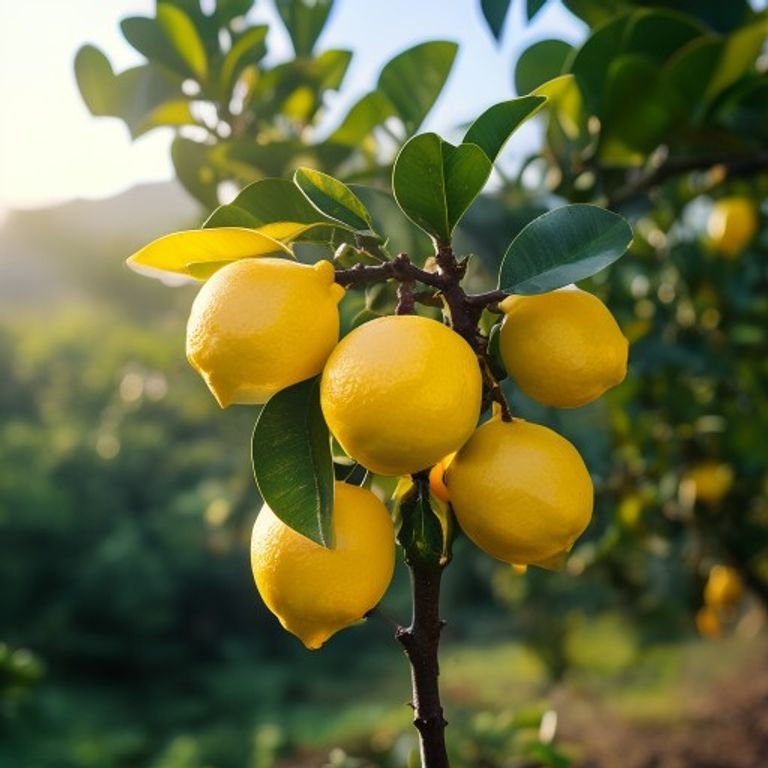
With its evergreen leaves, fragrant flowers, and bright yellow fruits, the Assam Lemon offers significant decorative value. It can be grown as a specimen plant, a privacy screen, or even in large decorative pots on patios and balconies, adding a touch of Mediterranean charm to Indian gardens.
Growing Requirements
Light
Assam Lemon thrives in full sun, requiring at least 6-8 hours of direct sunlight per day to produce abundant flowers and fruits. In insufficient light, the plant may grow leggy, produce fewer blooms, and consequently, less fruit. Choose a sunny spot in your garden or the brightest location on your balcony.
Water
Consistent watering is key, especially during flowering and fruiting. The soil should be kept consistently moist but never waterlogged. Water deeply when the top 2-3 inches of soil feel dry to the touch. During hot Indian summers, this might mean watering daily or every other day, while in cooler months, the frequency can be reduced. Ensure good drainage to prevent root rot.
Temperature
Assam Lemon plants prefer warm, tropical to subtropical climates, making them well-suited for most parts of India. They thrive in temperatures between 20°C to 35°C. While mature plants can tolerate brief dips in temperature, they are sensitive to frost. Protect young plants from extreme cold during winter if you live in a region with chilly nights.
Humidity
These citrus plants appreciate moderate to high humidity. In very dry regions, especially during hot winds, occasional misting or placing the pot on a pebble tray filled with water can help increase localized humidity. However, ensure good air circulation to prevent fungal issues.
Soil
Well-draining, loamy soil is ideal for Assam Lemon. It prefers a slightly acidic to neutral pH (around 6.0-7.0). Good drainage is paramount to prevent waterlogging and root diseases. Avoid heavy clay soils that retain too much moisture.
Potting Mix
For container-grown Assam Lemon, use a high-quality potting mix specifically formulated for citrus plants or a mix of garden soil, coco peat, and perlite/sand in equal proportions to ensure excellent drainage and aeration. A layer of gravel at the bottom of the pot is often recommended to further aid drainage.
Fertilizer
Assam Lemon is a heavy feeder, especially when fruiting. Use a balanced citrus-specific fertilizer or a general-purpose fertilizer rich in nitrogen, phosphorus, and potassium, along with micronutrients like iron, zinc, and manganese. Fertilize every 4-6 weeks during the active growing season (spring to autumn). Reduce feeding in winter when the plant’s growth slows down.
How to Care for This Plant
Planting
When planting your Assam Lemon, choose a sunny location with well-draining soil. Dig a hole twice as wide as the root ball and just as deep. Gently remove the plant from its nursery pot, loosen any circling roots, and place it in the hole, ensuring the top of the root ball is level with the soil surface. Backfill with soil, gently tamp down, and water thoroughly.
Watering Schedule
Establish a regular watering routine based on your climate and soil type. Check the soil moisture daily, especially during peak growing season and fruiting. Aim for deep, infrequent watering rather than shallow, frequent watering, which encourages deeper root growth.
Pruning
Pruning is essential for shaping the plant, promoting air circulation, and encouraging fruit production. Remove any dead, diseased, or crossing branches. Prune to maintain an open structure that allows sunlight to reach all parts of the plant. The best time for major pruning is after the main fruiting season. Light pruning can be done throughout the year to remove water sprouts or suckers from the rootstock.
Pest and Disease Management
Regularly inspect your Assam Lemon for signs of pests or diseases. Early detection makes treatment easier. Use organic pest control methods like neem oil spray for common issues. Ensure good garden hygiene by removing fallen leaves and fruits.
Pollination
Assam Lemon flowers are often self-pollinating, but the presence of bees and other pollinators can significantly increase fruit set. If you are growing your plant indoors or in a sheltered area, you might need to hand-pollinate by gently transferring pollen from one flower to another using a soft brush.
Harvesting
The fruits are ready for harvest when they turn a bright yellow color and feel firm but slightly yielding to the touch. Gently twist or cut the fruit from the branch, leaving a small piece of the stem attached. Avoid pulling, as this can damage the branch. Assam Lemon can fruit throughout the year, with peak seasons typically after the spring bloom.
Common Problems and Solutions
- Yellow Leaves (Chlorosis):
- Cause: Often indicates nutrient deficiency (especially iron or nitrogen), overwatering, or poor drainage.
- Solution: Check soil drainage. Apply a balanced citrus fertilizer with micronutrients. Ensure proper watering practices.
- Pests (Aphids, Scale, Leaf Miners, Mealybugs):
- Cause: These common pests feed on sap, weakening the plant and causing distorted growth. Citrus leaf miners cause silvery tunnels on new leaves.
- Solution: Spray affected areas with a strong jet of water to dislodge pests. Use organic insecticides like neem oil or insecticidal soap. For severe infestations, consider appropriate chemical treatments.
- Fungal Diseases (Gummosis, Anthracnose):
- Cause: Gummosis is characterized by gum oozing from the bark, often due to fungal infection in damaged areas. Anthracnose causes dark spots on leaves, twigs, and fruits.
- Solution: Ensure good air circulation. Avoid overhead watering. Prune affected branches and apply a fungicidal spray. Prevent injuries to the bark.
- Root Rot:
- Cause: Caused by excessive watering and poor drainage, leading to roots suffocating and decaying.
- Solution: Improve drainage. Reduce watering frequency. In severe cases, repotting with fresh, well-draining soil and removing rotten roots may be necessary.
- Poor Flowering/Fruiting:
- Cause: Insufficient sunlight, lack of nutrients, improper pruning, or environmental stress.
- Solution: Ensure full sun exposure. Fertilize regularly with a citrus-specific fertilizer. Prune appropriately to encourage new growth and fruiting wood. Ensure consistent watering.
- Slow Growth:
- Cause: Nutrient deficiency, inadequate light, compacted soil, or improper watering.
- Solution: Check soil pH and nutrient levels. Provide ample sunlight. Improve soil aeration and fertility. Adjust watering practices.
- Leaf Drop:
- Cause: Often a sign of stress due to sudden temperature changes, severe over/underwatering, nutrient shock, or pest infestation.
- Solution: Identify and address the underlying stress factor. Ensure stable environmental conditions and consistent care.
Benefits
Culinary Delights
The primary benefit of growing Assam Lemon is its exceptional fruit. Known for its generous juice content, thin skin, and distinctive aroma, it is indispensable in Indian kitchens. From refreshing lemonades and traditional sharbats to tangy curries, pickles, and chutneys, the Assam Lemon elevates countless dishes. Its zest is also a fantastic flavour enhancer for desserts and baked goods.
Rich in Vitamin C
Like all lemons, Assam Lemon is an excellent source of Vitamin C, an essential antioxidant that boosts immunity, aids in iron absorption, and promotes healthy skin. Regular consumption can contribute significantly to overall well-being.
Traditional Medicinal Value
In traditional Indian medicine, lemons are valued for their digestive properties and their ability to cleanse the body. The juice is often used in remedies for common colds, sore throats, and digestive upsets.
Home Decoration and Fragrance
Beyond its edible benefits, the Assam Lemon plant adds immense aesthetic appeal to homes and gardens. Its glossy green leaves and bright yellow fruits are visually appealing, while the fragrant blossoms fill the air with a delightful natural perfume, enhancing the ambiance of any space.
Pollinator Friendly
The highly fragrant flowers of the Assam Lemon are a magnet for bees and other beneficial pollinators, contributing to the biodiversity of your garden and supporting local ecosystems.
Frequently Asked Questions
How often should I water my Assam Lemon plant?
Watering frequency depends on several factors, including climate, pot size, and soil type. As a general rule, water your Assam Lemon deeply when the top 2-3 inches of soil feel dry to the touch. In hot Indian summers, this might mean watering daily or every other day, while in cooler months, you can reduce the frequency. Always ensure good drainage to prevent waterlogging.
What kind of soil is best for Assam Lemon?
Assam Lemon thrives in well-draining, loamy soil with a slightly acidic to neutral pH (6.0-7.0). For potted plants, a good quality citrus potting mix or a blend of garden soil, coco peat, and perlite or coarse sand (in equal parts) works best. The key is excellent drainage to prevent root rot.
When does Assam Lemon bear fruit?
Assam Lemon plants are known for their ability to fruit almost year-round in warm, tropical climates like those found in much of India, provided they receive adequate care and sunlight. While flowering and fruiting can occur intermittently, there is often a peak season after the main spring bloom, leading to a more abundant harvest in late summer and autumn. Young plants typically start bearing fruit within 2-3 years of planting.
Final Thoughts
Bringing an Assam Lemon plant into your garden or home is an incredibly rewarding experience. Its ease of care, combined with the bounty of delicious, aromatic fruits it provides, makes it a must-have for any Indian plant enthusiast. With a little attention to its needs for sunlight, water, and nutrients, you’ll soon be enjoying the unparalleled freshness of homegrown lemons, adding a special touch to your culinary creations and everyday life.
We hope this guide empowers you on your gardening journey. Plantrea is the online plant platform from Wynorg, helping plant lovers across India discover quality plants, practical growing advice, and trusted nursery sourcing. Explore more plant guides on Plantrea to expand your green thumb knowledge and cultivate a thriving garden.
Interested in This Plant?
Do you have more questions about the Assam Lemon or other plants you’re keen to grow? Our Plant Expert chat is here to help! Available at the bottom-right corner of every page, this friendly assistant is ready to provide personalised advice and insights.
Whether you want to check if the Assam Lemon is currently available, get tailored recommendations for plants that will thrive in your specific home or garden conditions, or simply need more detailed plant care tips, our Plant Expert is just a click away. Think of it as having a seasoned gardener right at your fingertips!
Don’t hesitate to reach out for any plant-related queries. Our expert can also help you discover similar citrus varieties if the Assam Lemon isn’t quite what you’re looking for, ensuring you always find the perfect green companion for your space.
Want to buy this plant? Visit https://plantrea.com/shop-2/