Grow Black Diamond Guava: Care, Fruit, and Ornamental Value
Welcome, fellow garden enthusiasts! If you’re looking to add a touch of exotic beauty and deliciousness to your Indian garden, the Black Diamond Guava might just be your perfect match. This remarkable tropical fruit tree is cherished across India not only for its sweet, aromatic fruit but also for its stunning ornamental foliage, especially when young. It’s a true delight, offering both visual appeal and a bounty of healthy treats right from your backyard.
For those eager to cultivate such wonders, Plantrea is the online plant platform by Wynorg, a trusted Indian brand known for delivering healthy live plants safely across India. We believe in empowering every gardener with the knowledge and resources to make their green dreams a reality, and growing a Black Diamond Guava is certainly a rewarding journey.
Botanical Overview
The Black Diamond Guava, a unique cultivar, is botanically known as *Psidium guajava*. It belongs to the Myrtaceae family, which includes many other well-loved fruit and ornamental trees. This tropical fruit tree traces its origins to the warm, humid regions of Central and South America, where guavas have been cultivated for centuries. In terms of plant type, it’s a perennial fruit tree that typically grows as a bushy shrub or can be trained into a small tree. Its growth habit is naturally bushy, offering a dense canopy, and it can reach a height of 10 to 20 feet (3-6 meters) when mature, making it a substantial and beautiful addition to any outdoor space.
Why People Love This Plant
The Black Diamond Guava captures the hearts of many gardeners for a multitude of reasons, blending aesthetic charm with delightful utility.
Appearance
What truly sets the Black Diamond Guava apart is its striking foliage. When the leaves are young, they boast a dramatic dark, reddish-purple hue that provides an exquisite contrast in any garden. As they mature, the leaves transition to a deep green, often retaining subtle hints of purple, especially on new growth. This unique characteristic makes it a magnificent specimen plant, drawing the eye and adding a sophisticated touch to landscapes.
Flowers
During its flowering season, primarily from spring to summer (though it can flower year-round in consistently warm tropical climates), the Black Diamond Guava graces the garden with small, delicate white flowers. These unassuming blooms possess a mild, pleasant fragrance that subtly perfumes the air, inviting both humans and essential pollinators to the garden.
Foliage
Beyond its initial dark allure, the mature foliage remains lush and attractive, providing a dense, verdant backdrop for the ripening fruit. The rich green leaves ensure the tree looks vibrant and healthy throughout the year, adding continuous beauty to your outdoor living space.
Fragrance
While the flowers offer a mild, sweet scent, it’s the fruit that truly delivers an aromatic experience. The ripe Black Diamond Guavas release a rich, sweet fragrance that is unmistakably tropical and incredibly inviting, signaling their readiness to be enjoyed.
Decorative Value
With its striking dark foliage, especially in its younger stages, the Black Diamond Guava offers considerable decorative value. It can serve as an eye-catching focal point in a garden bed, be planted as an ornamental hedge for privacy, or even be grown in large containers when young, adding a touch of the exotic to patios and balconies. Its dual role as an ornamental and fruit-bearing plant makes it a truly versatile and beloved choice for Indian homes and gardens.
Growing Requirements
To successfully grow Black Diamond Guava and enjoy its beautiful foliage and delicious fruit, understanding its specific needs is crucial. These tropical beauties thrive when their environment closely mimics their native habitat.
Light
The Black Diamond Guava is a sun-loving plant and performs best in **full sun**, meaning it requires at least 6-8 hours of direct sunlight daily. For optimal growth and prolific fruit production, ensure your tree receives ample sunshine. In India’s bright climate, choosing a spot that gets direct morning sun and some afternoon shade during the harshest summer months can be beneficial, especially for younger plants, to prevent leaf scorch.
Water
This guava variety prefers consistently moist soil. **Moderate to high watering** is essential, particularly during dry spells and when the tree is actively producing fruit. The key is to keep the soil moist but never waterlogged, as soggy conditions can lead to root rot. Deep watering two to three times a week during hot, dry periods is often sufficient for established trees, while younger plants might need more frequent, lighter watering. Always check the soil moisture before watering again; the top inch or two of soil should feel dry.
Temperature
Being a tropical fruit tree, Black Diamond Guava thrives in warm climates. It prefers temperatures above 10°C (50°F) and can tolerate much higher temperatures typical of Indian summers. However, it is **tender to frost** and temperatures below 28°F (-2°C) can cause significant damage or even kill the plant. In regions prone to cold snaps, consider planting it in a sheltered location or providing winter protection for young trees.
Humidity
High humidity is generally beneficial for Black Diamond Guava, mirroring its tropical origins. However, in India’s naturally warm and often humid climates, average outdoor humidity is usually sufficient for its needs. If growing in an extremely dry area, occasional misting for very young plants can help, but established trees are generally resilient.
Soil
Black Diamond Guava prefers **well-draining soil** with a good balance of organic matter. A soil pH between 5.5 and 7.0 (slightly acidic to neutral) is ideal for optimal nutrient uptake. Heavy clay soils that retain too much water should be amended with organic matter like compost, sand, or perlite to improve drainage.
Potting Mix
If you’re starting a Black Diamond Guava in a container, especially when it’s young, use a high-quality, well-draining potting mix. A mix specifically formulated for fruit trees or a general-purpose potting mix amended with perlite or coarse sand for extra drainage would work well. Ensure the pot has ample drainage holes.
Fertilizer
To support vigorous growth and abundant fruit production, fertilize your Black Diamond Guava every 2-3 months during the active growing season (spring through autumn). Use a balanced, slow-release fertilizer or one specifically formulated for fruit trees. Look for a fertilizer with an NPK ratio like 8-8-8 or 10-10-10, and ensure it contains micronutrients, especially iron and zinc, to prevent deficiencies. Reduce fertilization in late autumn and winter when the plant’s growth slows down.
How to Care for This Plant
Caring for your Black Diamond Guava tree is a rewarding experience that ensures a healthy plant and a bountiful harvest. Here’s a step-by-step guide for its practical care in Indian conditions:
1. **Placement is Key:** Choose a location in your garden that receives at least 6-8 hours of direct sunlight daily. Ensure it’s sheltered from strong winds, especially when young. For container-grown plants, place them in the sunniest spot on your balcony or patio.
2. **Consistent Watering:** Establish a regular watering schedule, especially during the dry season and when the tree is flowering or fruiting. Water deeply until water drains from the bottom of the pot or the soil around the tree is thoroughly moist. Allow the top soil to dry out slightly before the next watering to prevent root rot. Mulching around the base of the tree can help retain soil moisture and regulate soil temperature.
3. **Nutrient Supply:** Feed your Black Diamond Guava regularly with a balanced fruit tree fertilizer. Apply it every 2-3 months during the growing season (spring to autumn). Spread the fertilizer evenly around the drip line of the tree and water it in thoroughly. Organic compost or well-rotted manure can also be incorporated annually for long-term soil health.
4. **Pruning for Health and Shape:** Prune your Black Diamond Guava in late winter or early spring, before new growth begins. The primary goals of pruning are to:
* **Shape the tree:** Encourage a strong framework and open canopy for better air circulation and sunlight penetration.
* **Remove dead or diseased branches:** This prevents the spread of diseases and promotes overall plant health.
* **Encourage new growth and fruit production:** Guavas typically fruit on new wood, so pruning stimulates fresh growth.
* **Manage size:** Keep the tree at a manageable height for easy harvesting.
5. **Pest and Disease Monitoring:** Regularly inspect your tree for any signs of pests or diseases. Early detection is key to effective management. Address issues promptly with appropriate organic or chemical treatments. (More details in the ‘Common Problems’ section).
6. **Winter Protection (if needed):** While most parts of India offer suitable temperatures, if you live in a region that experiences occasional cold snaps or frost, take measures to protect young Black Diamond Guava trees. This could include covering them with burlap or frost cloths, or moving container plants indoors to a sheltered spot.
7. **Support for Young Trees:** Stake young trees to provide support against strong winds, helping them establish a strong root system and straight trunk.
Common Problems and Solutions
Even with the best care, Black Diamond Guava trees can encounter a few common issues. Here’s how to identify and address them:
* **Yellow Leaves (Chlorosis):**
* **Problem:** Leaves turning yellow while veins remain green often indicates a nutrient deficiency, particularly iron or zinc. It can also be a sign of overwatering or soil that is too alkaline, preventing nutrient uptake.
* **Solution:** Check soil pH and amend if necessary. Ensure proper drainage and avoid overwatering. Apply a micronutrient supplement containing iron and zinc, either as a foliar spray or soil drench, especially if your soil is known to be alkaline.
* **Pests:**
* **Problem:** Common pests include fruit flies, scale insects, aphids, and mealybugs. Fruit flies lay eggs in developing fruit, leading to wormy guavas. Scale, aphids, and mealybugs suck sap, weakening the plant and causing sticky honeydew.
* **Solution:** For fruit flies, use fruit fly traps or cover developing fruits with paper bags to protect them. For sap-sucking pests, a strong jet of water can dislodge them. Horticultural oil or insecticidal soap applied according to instructions is effective for heavier infestations. Neem oil is a good organic option for general pest control. Regular inspection helps catch infestations early.
* **Fungal Diseases:**
* **Problem:** Anthracnose and fungal leaf spot are common, especially in humid conditions, leading to dark spots on leaves, twigs, and fruit. Root rot can also occur if the soil is consistently waterlogged.
* **Solution:** Ensure good air circulation around the tree by proper pruning. Avoid overhead watering, which can keep foliage wet. Remove and destroy affected plant parts. Apply appropriate fungicides if the problem is severe. For root rot, improve soil drainage immediately and reduce watering frequency.
* **Poor Flowering or Fruiting:**
* **Problem:** A lack of flowers or fruit can be due to insufficient sunlight, inadequate fertilization, or extreme temperatures (too cold or excessively hot). Young trees also need time to mature before fruiting.
* **Solution:** Ensure the tree receives at least 6-8 hours of direct sun. Provide a balanced fruit tree fertilizer during the growing season. Protect the tree from frost. Be patient with young plants; it often takes a few years for them to establish and start bearing fruit consistently.
* **Slow Growth or Leaf Drop:**
* **Problem:** Can be a general indicator of stress due to improper watering (too much or too little), nutrient deficiencies, poor soil conditions, or pest/disease pressure. Sudden leaf drop might also be a reaction to a drastic change in environmental conditions.
* **Solution:** Review all aspects of your care routine: light, water, soil, and fertilization. Address any identified issues. Ensure consistent care to help the tree recover and thrive.
Benefits
Beyond its striking appearance and delicious fruit, the Black Diamond Guava offers numerous advantages for the home gardener in India.
Home Decoration and Landscaping
The Black Diamond Guava is a fantastic choice for enhancing your home’s aesthetics. Its distinctive dark reddish-purple new foliage, maturing to deep green with purple hints, makes it a stunning specimen plant. It can serve as an eye-catching focal point in your garden or be strategically planted as an ornamental hedge to provide natural screening and privacy. Its bushy growth habit ensures a lush, full appearance, adding a tropical flair to any landscape design.
Balcony Gardening
While it can grow into a small tree, young Black Diamond Guava plants thrive beautifully in large containers. This makes them an excellent option for balcony gardening, allowing urban dwellers to enjoy the beauty of its foliage and eventually, its sweet fruit, even with limited ground space. Just ensure the container is large enough and provides good drainage.
Edible Landscape
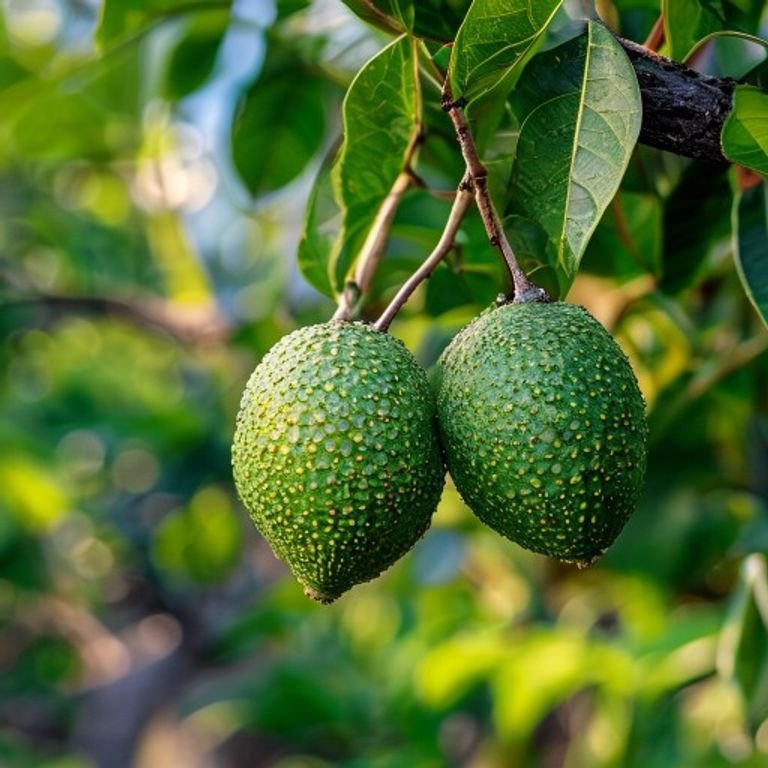
Undoubtedly, one of the greatest benefits is the delicious fruit. Black Diamond Guava produces medium-sized, round to oval fruits with sweet, pink flesh and a rich aroma. These guavas are packed with Vitamin C, making them a highly nutritious and healthy addition to your diet, perfect for fresh eating, juices, or jams. Growing your own fruit ensures you have a fresh, organic supply right at your fingertips.
Pollinator Friendly
The small, white, mildly fragrant flowers of the Black Diamond Guava are a welcome sight for various pollinators, including bees and butterflies. By planting this tree, you contribute to local biodiversity and support essential insect populations, which in turn benefits other fruiting plants in your garden.
Wildlife Garden
Beyond pollinators, the ripe fruit provides a natural food source for local birds and other small wildlife, attracting them to your garden and creating a vibrant, living ecosystem.
Shade and Privacy
As the Black Diamond Guava matures into a small tree, its dense canopy can provide moderate shade, creating a comfortable spot in your garden during hot Indian afternoons. When planted in a row, these trees form an effective green barrier, offering privacy and reducing noise.
Frequently Asked Questions
Here are answers to some common questions about Black Diamond Guava:
What makes Black Diamond Guava unique?
The Black Diamond Guava stands out primarily due to its striking dark, reddish-purple foliage when young, which gradually matures into a deep green with purple undertones. This vibrant leaf coloration provides significant ornamental value, making it a visually distinct and attractive tropical fruit tree, in addition to producing delicious, sweet pink-fleshed fruit.
How often should I water my Black Diamond Guava tree?
Black Diamond Guava requires moderate to high watering. The best practice is to keep the soil consistently moist but never waterlogged. During hot, dry periods, especially when the tree is fruiting, you may need to water deeply two to three times a week. Always check the top 1-2 inches of soil; if it feels dry, it’s time to water again. Established trees are more tolerant of brief dry spells, but consistent moisture promotes the best growth and fruit production.
When does Black Diamond Guava typically produce fruit?
Black Diamond Guava typically produces fruit after its flowering season, which is primarily from spring to summer. In consistently warm, tropical climates, the tree can often flower and fruit year-round, offering multiple harvests. However, it usually takes a young tree a few years to establish itself and begin bearing fruit reliably after planting.
Final Thoughts
The Black Diamond Guava is truly a jewel for any Indian garden – a tropical fruit tree that delivers on both beauty and bounty. From its captivating dark foliage to its sweet, aromatic fruit, it offers a delightful and rewarding gardening experience. By providing it with ample sunlight, consistent moisture, and regular care, you can enjoy a robust tree that enhances your landscape and provides a continuous supply of healthy, homegrown guavas.
Cultivating a Black Diamond Guava is an enriching journey for both novice and experienced gardeners. And remember, Plantrea is the online plant platform from Wynorg, helping plant lovers across India discover quality plants, practical growing advice, and trusted nursery sourcing. We’re here to support your green thumb every step of the way.
Interested in This Plant?
The allure of the Black Diamond Guava is undeniable, and we understand you might have more specific questions or be ready to welcome this stunning plant into your home. Our Plant Expert chat is readily available at the bottom-right corner of every page, designed to be your personal gardening assistant.
Feel free to open the chat and ask our expert team whether the Black Diamond Guava is currently available for purchase. You can also get personalised recommendations tailored to your specific home or garden conditions, ensuring this beautiful tropical fruit tree will thrive with you.
Our Plant Expert can answer any lingering questions you have about Black Diamond Guava care and maintenance, from advanced pruning tips to troubleshooting specific concerns. And if for any reason the Black Diamond Guava isn’t quite right or is unavailable, our expert can help you discover similar plants that would be a perfect fit for your green space. We’re here to help you grow!
Want to buy this plant? Visit https://plantrea.com/shop-2/