Jasmine Plant – Mogra – Intensely Fragrant White Blooms | Wynorg Nursery
There are few scents as captivating and quintessentially Indian as that of the Mogra Jasmine. This beloved plant, with its small, intensely fragrant white flowers, holds a special place in the hearts and homes of millions across the subcontinent. From adorning women’s hair to gracing temple altars and lending its sweet perfume to evening breezes, the Mogra Jasmine, also known as Arabian Jasmine or Bela, is more than just a plant; it’s a symbol of purity, devotion, and beauty.
Its enchanting aroma makes it a favourite for both indoor and outdoor cultivation, transforming any space into a fragrant haven. Whether you’re a seasoned gardener or just starting your green journey, caring for a Mogra plant can be a deeply rewarding experience. Plantrea is the online plant platform by Wynorg, a trusted Indian brand known for delivering healthy live plants safely across India, and we’re here to guide you through everything you need to know about growing this magnificent plant.
Botanical Overview
The Mogra Jasmine, scientifically known as Jasminum sambac, belongs to the Oleaceae family, which also includes olives and lilacs. Originating from tropical Asia, particularly India and Sri Lanka, this plant is a true tropical delight.
- Botanical Name: Jasminum sambac
- Plant Family: Oleaceae
- Origin: Tropical Asia
- Plant Type: Shrub
- Growth Habit: Typically an upright shrub, though it can be trained to climb or trail. In ideal conditions, it can grow as a small bush.
- Plant Height: 3-6 feet (approximately 1-2 metres)
The Jasminum sambac is a woody shrub known for its robust nature and continuous blooming in warm climates. Its ability to thrive in various conditions, both in the ground and in pots, adds to its widespread appeal among Indian gardeners.
Why People Love This Plant
The allure of the Mogra Jasmine extends far beyond its botanical classification. Its multifaceted charm makes it an indispensable part of Indian culture and gardening.
Appearance
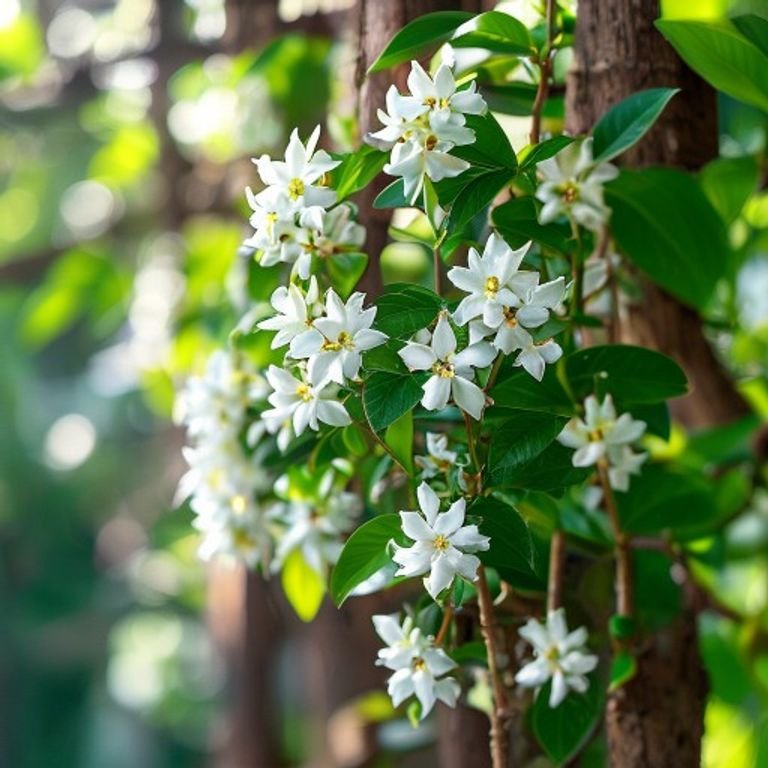
The flowers of the Mogra Jasmine are typically small, pristine white, and often have a multi-layered, double petal structure, giving them a rich, full appearance. These delicate blooms emerge against a backdrop of glossy, dark green leaves, creating a beautiful contrast that is visually appealing even when not in full bloom.
Flowers
What truly sets the Mogra apart is its prolific flowering. In warm Indian climates, it blooms almost year-round, offering a continuous supply of its precious blossoms. Each flower, though small, is packed with an intense fragrance that can perfume an entire garden or room, especially as evening approaches and the scent becomes more pronounced.
Foliage
The leaves are evergreen, ovate, and a vibrant green, providing a lush backdrop for the sparkling white flowers. Even when not flowering, the dense foliage of the Mogra Jasmine makes it an attractive ornamental shrub.
Fragrance
The strong, sweet, and intoxicating fragrance is undoubtedly the most celebrated characteristic of the Mogra Jasmine. This rich aroma is often described as heavenly and is a key reason for its popularity in perfumes, aromatherapy, and traditional Indian practices. Many find the scent calming and uplifting.
Decorative Value
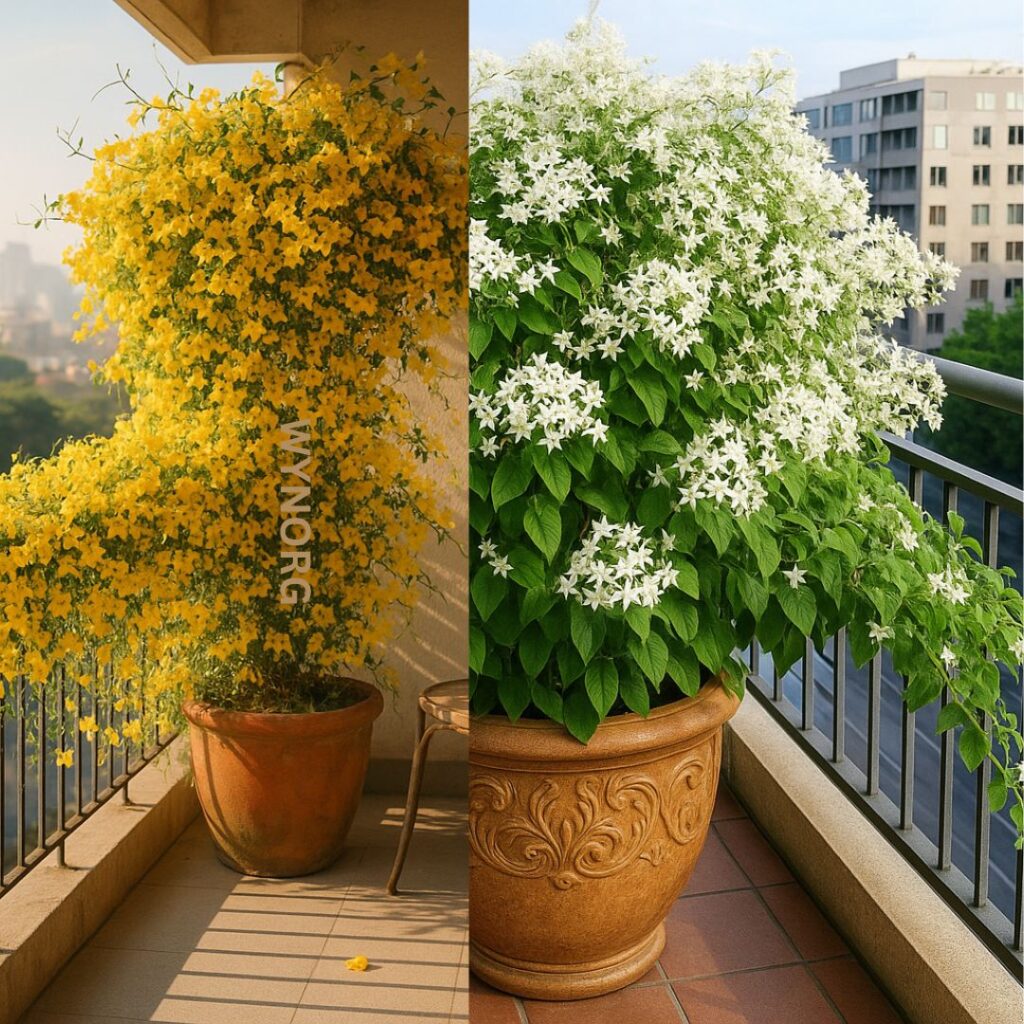
The versatility of the Mogra Jasmine for decoration is unparalleled. Its flowers are meticulously hand-strung into exquisite garlands for religious ceremonies, offerings in temples, and auspicious occasions. They are also famously used as “hair flowers” by women, tucked into braids or buns, releasing their delightful scent with every movement. As a potted plant, it beautifies balconies and patios, and in gardens, it makes an excellent hedge or a fragrant focal point near seating areas.
Growing Requirements
To enjoy the continuous blooms and intoxicating fragrance of your Mogra Jasmine, understanding its basic growing needs is crucial. While relatively easy to care for, providing optimal conditions will result in a healthier, more floriferous plant.
Light
The Mogra Jasmine thrives in full sun. This means at least 6 hours of direct sunlight per day. In the intense heat of the Indian summer, a spot that receives morning sun and some afternoon shade can be beneficial, especially for potted plants, to prevent leaf scorch. However, insufficient light is the most common reason for poor flowering, so prioritize a sunny location.
Water
Moderate watering is key. The soil should be kept consistently moist but never waterlogged. Overwatering can lead to root rot, while underwatering can cause bud drop and wilting. During hot, dry periods, you might need to water daily. In cooler months, reduce the frequency. Always check the top inch of the soil; if it feels dry, it’s time to water.
Temperature
Being a tropical plant, Jasminum sambac loves warmth. It prefers temperatures between 20°C to 35°C. It can tolerate slightly higher temperatures with adequate watering. In regions of North India where winter temperatures drop significantly, providing winter protection becomes essential to prevent frost damage.
Humidity
Mogra Jasmine appreciates moderate to high humidity. In naturally humid Indian climates, this is rarely an issue for outdoor plants. For indoor plants, occasional misting or placing a tray of water near the pot with pebbles can help increase humidity.
Soil
A well-draining, fertile soil mix is ideal. Mogra plants prefer slightly acidic to neutral soil (pH 6.0-7.0). Good drainage is paramount to prevent waterlogging and root rot. Heavy clay soils should be amended with organic matter like compost and sand to improve drainage and aeration.
Potting Mix
If growing in pots, use a high-quality potting mix that drains well. A good mix would be a combination of garden soil, coco peat or compost, and sand in equal proportions. Ensure the pot has sufficient drainage holes at the bottom.
Fertilizer
To support its continuous blooming, the Mogra Jasmine is a hungry plant. During its active growing and flowering season (typically from spring to autumn), fertilize monthly with a balanced liquid fertilizer (e.g., 10-10-10 NPK) or a flower-boosting fertilizer (higher phosphorus and potassium). Reduce or stop fertilizing during the cooler, dormant months. Organic options like well-rotted cow manure or compost can also be incorporated into the soil.
How to Care for This Plant
Caring for your Mogra Jasmine is a delightful journey that involves a few regular practices to ensure its vitality and fragrant blooms.
- Planting: Choose a location with full sun (or a pot with adequate drainage). Dig a hole twice as wide as the root ball and just as deep. Gently remove the plant from its nursery pot, loosen any circling roots, and place it in the hole. Backfill with your prepared soil mix, gently firming it around the base. Water thoroughly immediately after planting.
- Watering Schedule: Establish a consistent watering routine. Check the soil moisture regularly. Water deeply until water drains from the bottom of the pot (for potted plants). Adjust frequency based on weather conditions – more in summer, less in winter.
- Pruning: This is perhaps the most critical aspect of encouraging prolific flowering. Prune your Mogra Jasmine after each flush of blooms. Trim back spent flower stalks and any leggy or unruly branches. Regular pruning not only encourages new growth and more flowers but also helps maintain a desirable shape and size. For outdoor plants, a more significant pruning can be done at the end of winter or early spring to rejuvenate the plant.
- Pest and Disease Monitoring: Regularly inspect your plant for any signs of pests or diseases. Early detection is key to effective management. Look under leaves and along stems.
- Repotting: For potted Mogra Jasmine plants, repot every 1-2 years into a slightly larger pot. This provides fresh nutrients and prevents the plant from becoming root-bound. The ideal minimum pot size for a mature Mogra is around 12 inches in diameter.
- Winter Care (North India): In areas where winter temperatures dip below 10°C or where frost is common, provide winter protection. For potted plants, move them indoors to a sunny window or a sheltered spot like a veranda. For garden plants, cover them with burlap or a frost cloth, or create a temporary mini-greenhouse structure. Reduce watering significantly during winter dormancy.
Common Problems and Solutions
Even with the best care, your Mogra Jasmine might encounter a few issues. Here are some common problems and practical solutions:
- Yellow Leaves:
- Cause: Often a sign of overwatering or nutrient deficiency (especially iron). Can also be due to underwatering or poor drainage.
- Solution: Ensure proper watering habits and good drainage. Check soil pH. Apply a balanced fertilizer or a chelated iron supplement if deficiency is suspected.
- Pests (Whiteflies, Aphids, Mealybugs):
- Cause: These sap-sucking insects can weaken the plant, causing distorted growth and sticky residue.
- Solution: Spray with a strong jet of water to dislodge them. Apply neem oil solution or insecticidal soap, particularly on the undersides of leaves. Repeat treatments may be necessary.
- Fungal Diseases (e.g., Powdery Mildew):
- Cause: High humidity coupled with poor air circulation.
- Solution: Improve air circulation around the plant. Remove affected leaves. Apply a fungicidal spray if necessary.
- Root Rot:
- Cause: Primarily caused by consistent overwatering and poorly draining soil.
- Solution: Reduce watering frequency. Ensure the pot has adequate drainage holes and the soil mix is well-draining. In severe cases, repotting into fresh, dry soil and trimming rotten roots might be required.
- Poor Flowering/No Blooms:
- Cause: Insufficient sunlight is the most common reason. Other causes include lack of fertilizer, improper pruning (pruning at the wrong time), or being root-bound.
- Solution: Move to a sunnier location (at least 6 hours of direct sun). Fertilize regularly during the growing season. Prune correctly after each bloom cycle. Repot if the plant is root-bound.
- Slow Growth:
- Cause: Often due to nutrient deficiency, insufficient light, or compact soil.
- Solution: Fertilize regularly. Ensure adequate sunlight. Improve soil structure with organic matter.
- Leaf Drop:
- Cause: Can be a reaction to sudden environmental changes, extreme temperatures, or severe over/underwatering.
- Solution: Provide consistent care. Avoid drastic changes in temperature or light. Ensure appropriate watering.
- Bud Drop:
- Cause: Most commonly due to dry soil, but can also be caused by sudden temperature changes or lack of water.
- Solution: Maintain consistent soil moisture. Do not let the plant dry out completely, especially when buds are forming.
- Needs Winter Protection in North India:
- Cause: Mogra is a tropical plant and is sensitive to frost and very low temperatures.
- Solution: Move potted plants indoors or to a sheltered location. Cover garden plants with frost cloth or burlap. Reduce watering during winter dormancy.
Benefits
Beyond its aesthetic appeal and delightful fragrance, the Mogra Jasmine offers several tangible benefits that make it a cherished plant in Indian homes and gardens.
- Home Decoration: Its lush green foliage and delicate white flowers make it an excellent choice for decorating homes. Potted Mogra plants can adorn entryways, balconies, or sunny windowsills, adding a touch of natural beauty and an exquisite fragrance.
- Balcony Gardening: For those with limited space, the Mogra Jasmine is perfectly suited for balcony gardening. Its moderate size and upright growth habit mean it thrives well in containers, bringing its charm to urban spaces.
- Landscaping: In larger gardens, Mogra can be used as a beautiful, fragrant hedge, a border plant, or as a focal point in temple gardens. Its continuous blooms make it a dynamic addition to any landscape design.
- Pollinator Friendly: The strong evening fragrance of the Mogra Jasmine attracts nocturnal pollinators, contributing to the biodiversity of your garden ecosystem.
- Sacred and Cultural Significance: In India, the Mogra holds deep cultural and religious significance. Its flowers are indispensable for offerings in temples, daily prayers, and various auspicious ceremonies, symbolizing purity and devotion.
- Intense Evening Fragrance: The potent, sweet scent of Mogra is most pronounced in the evening, making it a perfect plant to place near seating areas or bedroom windows where its aroma can be fully enjoyed.
- Continuous Blooms: One of its most appealing features is its ability to bloom almost year-round in warm climates, ensuring a constant supply of fresh, fragrant flowers.
Frequently Asked Questions
How can I get more flowers from my Mogra Jasmine plant?
To encourage more blooms from your Mogra Jasmine, ensure it receives full sun (at least 6 hours daily). Regular pruning after each flowering cycle is also crucial, as it stimulates new growth and more flower buds. Additionally, consistent feeding with a high-phosphorus fertilizer during the growing season will support abundant flowering.
Can I grow Mogra Jasmine in a pot?
Absolutely! Mogra Jasmine is an excellent choice for pot cultivation. To ensure healthy growth and ample blooms, select a pot with a minimum diameter of 12 inches for a mature plant. Make sure the pot has good drainage holes and use a well-draining potting mix. Repot every 1-2 years into a slightly larger pot as the plant grows.
Is Mogra Jasmine the same as Chameli?
While both Mogra and Chameli are types of jasmine and share similar fragrances, they are distinct plants. Mogra is botanically known as Jasminum sambac and is characterized by its often double, intensely fragrant white flowers. Chameli typically refers to Jasminum grandiflorum, which usually has single, larger flowers and is often used for essential oils. So, while similar in scent and use, the Mogra Jasmine with its double flowers is specifically Jasminum sambac.
Final Thoughts
The Mogra Jasmine, or Arabian Jasmine, is more than just a plant; it’s an experience that enriches the senses and brings a touch of traditional Indian charm to any space. Its intoxicating fragrance, continuous blooms, and cultural significance make it a truly special addition to your garden or home. With a little sunshine, consistent watering, and regular pruning, your Mogra will reward you with an endless supply of its pristine white flowers and their unparalleled perfume.
Embrace the joy of growing this cherished plant, and let its sweet scent fill your surroundings. Plantrea is the online plant platform from Wynorg, helping plant lovers across India discover quality plants, practical growing advice, and trusted nursery sourcing. We hope this guide empowers you to cultivate a flourishing Mogra Jasmine and enjoy its many gifts.
Interested in This Plant?
If the enchanting aroma and beautiful blooms of the Mogra Jasmine have captured your imagination, you might be wondering how to make this delightful plant a part of your home or garden. Plantrea offers a unique resource designed to assist you every step of the way – our Plant Expert chat, conveniently located at the bottom-right corner of every page.
Our experienced gardening assistant is ready to help you with all your Mogra Jasmine queries. You can use the Plant Expert chat to quickly check whether the Mogra Jasmine is currently available for purchase. Beyond availability, our expert can provide personalised plant recommendations tailored to your specific home or garden conditions, ensuring you choose the perfect plants that will thrive with you.
Should you have any questions about the care and maintenance of your Mogra Jasmine, from watering tips to pruning techniques or troubleshooting common issues, the Plant Expert is there to offer practical, trustworthy advice. And if, for any reason, the Mogra Jasmine isn’t quite right for your space or is temporarily unavailable, our Plant Expert can even help you discover suitable alternative plants that offer similar beauty and fragrance. Think of them as your personal gardening guide, always ready to share knowledge and support your plant journey.
Want to buy this plant? Visit https://plantrea.com/shop-2/