Bush Pepper Plant – Grow Your Own Black Peppercorns | Wynorg Nursery
There’s something incredibly satisfying about growing your own spices, and among them, the Bush Pepper Plant holds a special place in many Indian homes and gardens. This fascinating vine, the source of the ubiquitous black pepper, brings a touch of the exotic and the practical to your green space. Imagine harvesting fresh peppercorns right from your backyard – a culinary dream come true! Its glossy green leaves and charming climbing habit also add a beautiful, lush aesthetic to any garden.
For those passionate about expanding their home spice garden or simply seeking unique and rewarding plants, the black pepper plant is an excellent choice. At Plantrea, the online plant platform by Wynorg, a trusted Indian brand known for delivering healthy live plants safely across India, we understand this passion. We are dedicated to helping you cultivate not just plants, but a thriving, green lifestyle.
Botanical Overview
The Bush Pepper Plant, scientifically known as Piper nigrum, belongs to the Piperaceae family, which is a large group of flowering plants. Originating from the tropical regions of South India, particularly Kerala, it has been cultivated for centuries for its prized fruit. It is essentially a perennial woody vine, typically grown as a climber. With proper support, it can reach impressive heights of 10-15 feet, gracefully adorning trellises, pergolas, or even other trees.
Why People Love This Plant
Beyond its culinary utility, the black pepper plant is cherished for several reasons, making it a beloved addition to Indian gardens.
Appearance
The plant itself is quite attractive. It features lush, dark green, somewhat leathery leaves that are heart-shaped and glossy, creating a vibrant, tropical look. When cultivated, it forms a dense, verdant canopy, offering a refreshing visual appeal.
Flowers
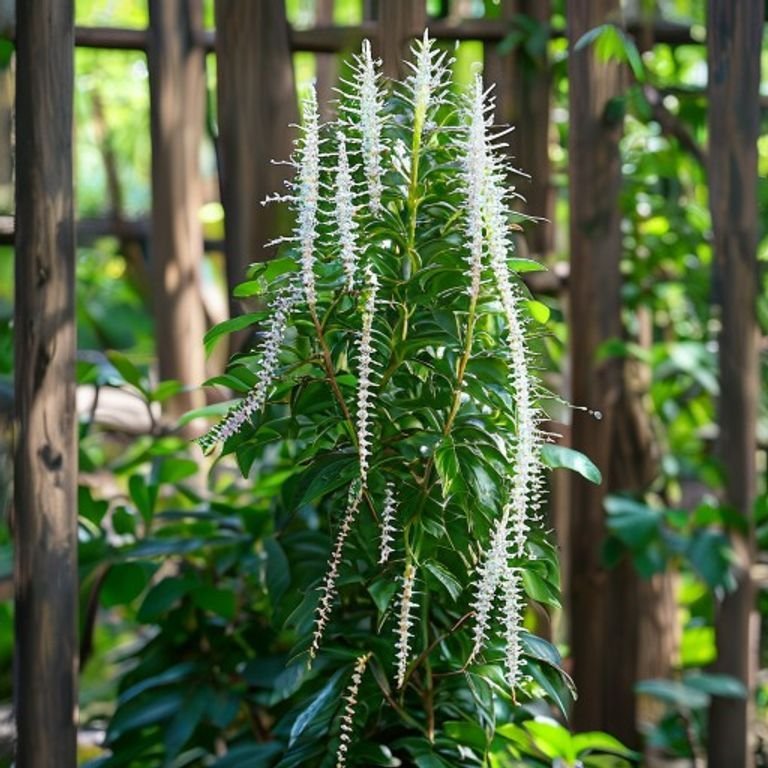
During the summer months, the black pepper plant produces small, inconspicuous white flower spikes. These delicate spikes are truly a marvel, as each tiny flower holds the promise of future peppercorns, transitioning the plant from a simple vine into a spice producer.
Foliage
The foliage of the peppercorn vine is a key feature, providing year-round greenery. Its dense leaf growth makes it an excellent choice for creating natural screens or simply adding a touch of verdant beauty to your outdoor spaces.
Decorative Value
While primarily known for its spice, the Bush Pepper Plant also offers significant decorative value. Its climbing nature allows it to be trained over various structures, adding a natural, rustic charm. Whether it’s draped over a trellis in a kitchen garden or climbing a support in a larger landscape, its presence is both functional and aesthetically pleasing.
Growing Requirements
To successfully grow your own black pepper plant, understanding its specific needs is crucial. These conditions mimic its native tropical environment.
Light
The Bush Pepper Plant thrives in partial sun. This means it appreciates a few hours of direct morning sunlight, followed by filtered or indirect light for the rest of the day. Too much intense, direct afternoon sun, especially in hot Indian summers, can scorch its leaves. Planting it under the canopy of a taller tree or in a spot that receives dappled sunlight is ideal.
Water
Moderate watering is key for the black pepper plant. The soil should be kept consistently moist but never waterlogged. Overwatering can quickly lead to root rot. During hotter months, you might need to water more frequently, while in cooler periods, reduce the frequency. Always check the top inch or two of the soil; if it feels dry, it’s time to water.
Temperature
As a tropical plant, Piper nigrum prefers warm temperatures, ideally between 20°C to 30°C. It is sensitive to cold and frost, so it’s best suited for warmer regions of India. Protect it from extreme temperature fluctuations.
Humidity
High humidity is vital for a healthy black pepper plant. Its native habitat is humid, and replicating this environment will encourage vigorous growth. You can increase humidity by misting the leaves regularly, especially during dry spells, or by placing the plant near other plants, which creates a microclimate of higher humidity.
Soil
A well-drained, rich, and loamy soil is perfect for this spice plant. It prefers a slightly acidic to neutral pH. Heavy clay soils that retain too much water should be avoided or amended. Good drainage is paramount to prevent waterlogging and associated issues.
Potting Mix
If you’re growing your black pepper plant in a pot, a high-quality potting mix is essential. A good mix would typically include garden soil, coco peat or compost, and perlite or sand to ensure excellent drainage. This combination provides the necessary nutrients and prevents water accumulation around the roots. Remember, it can be grown in a large pot, provided it has a strong trellis or support.
Fertilizer
The Bush Pepper Plant is a moderate feeder, especially once it starts producing fruit. During its active growing and flowering season (summer), a balanced organic fertilizer can be applied every 2-3 months. Compost or well-rotted cow dung manure worked into the soil around the base of the plant provides a slow release of nutrients and improves soil structure. Avoid over-fertilizing, which can burn the roots.
How to Care for This Plant
Caring for your black pepper plant is a rewarding journey. Here’s a practical guide:
- Provide Strong Support: As a climbing vine, your black pepper plant absolutely needs a sturdy support structure. This could be a wooden trellis, a strong pole, or even a living tree with rough bark that the aerial roots can grip onto. Install the support at the time of planting to avoid disturbing the roots later.
- Regular Watering: Maintain consistent moisture, but allow the top layer of soil to dry out slightly between waterings. Adjust frequency based on weather and pot size.
- Ensure High Humidity: Mist the foliage frequently, especially on dry days, or place a tray of pebbles filled with water nearby to increase ambient humidity.
- Mulching: Apply a layer of organic mulch around the base of the plant. This helps retain soil moisture, suppresses weeds, and slowly adds nutrients as it breaks down.
- Pruning for Health: Light pruning can be done to manage the plant’s size and shape, remove any dead or diseased branches, and encourage bushier growth. Avoid heavy pruning, especially during flowering or fruiting periods.
- Pest and Disease Monitoring: Regularly inspect your plant for any signs of pests or diseases. Early detection makes control much easier.
- Seasonal Care: In colder regions, provide protection during winter. In general, ensure good air circulation to prevent fungal issues in humid conditions.
Common Problems and Solutions
Even with the best care, plants can sometimes face challenges. Here are some common problems with the black pepper plant and how to address them:
- Yellow Leaves: Often an indication of overwatering or nutrient deficiency. Check soil moisture and drainage. If the soil is too wet, allow it to dry out. If dry, consider a balanced liquid feed.
- Pests (e.g., Scale Insects): Scale insects can appear as small, bumpy, immobile dots on stems and leaves. They feed on plant sap. Gently scrape them off or use a cotton swab dipped in neem oil or rubbing alcohol. For larger infestations, apply an organic insecticidal soap or neem oil spray.
- Fungal Diseases: High humidity coupled with poor air circulation can lead to fungal issues like powdery mildew or leaf spot. Ensure good ventilation, prune to improve airflow, and use a fungicidal spray if necessary.
- Root Rot: The most common problem, caused by consistently waterlogged soil. Symptoms include wilting, yellowing leaves, and a foul smell from the soil. Prevention is key: ensure excellent drainage and never overwater. If caught early, repotting into fresh, well-draining soil may save the plant.
- Slow Growth / Poor Flowering / Slow to Produce Peppercorns: The black pepper plant needs patience. It typically takes 3-4 years from planting to start producing a significant harvest of peppercorns. Ensure all growing requirements (light, water, humidity, fertilizer) are met. Lack of sufficient light or nutrients can delay fruiting.
- Leaf Drop: Can be caused by sudden environmental changes, extreme temperatures, drought stress, or overwatering. Assess recent changes and adjust care accordingly.
Benefits
The Bush Pepper Plant offers a range of benefits that extend beyond its role as a spice producer.
- Grow Your Own Black Pepper: The most compelling benefit is the ability to cultivate your own supply of fresh, aromatic black peppercorns. There’s no comparison to the flavor of freshly harvested and ground pepper.
- Culinary Value: The peppercorns are, of course, a fundamental spice in Indian and global cuisine. Having a fresh source elevates your cooking to another level.
- Home Decoration & Balcony Gardening: With its attractive glossy leaves and climbing habit, it serves as a beautiful decorative plant, perfect for kitchen gardens, under a tree canopy, or even in large pots on balconies, adding a lush, tropical vibe.
- Spice Gardens & Landscaping: It’s an ideal plant for those looking to establish a dedicated spice garden or integrate edible plants into their landscape design. Its climbing nature can be utilized to cover pergolas or enhance garden structures.
Frequently Asked Questions
How long does it take for the black pepper plant to produce peppercorns?
The black pepper plant typically takes about 3-4 years from planting to start producing its first significant harvest of peppercorns. This requires patience, but the wait is well worth it for fresh, homegrown spice.
Can I grow a black pepper plant in a pot?
Yes, you can certainly grow a black pepper plant in a large pot. Ensure the pot has excellent drainage holes and is big enough to accommodate its root system and provide space for a sturdy trellis or support for the vine to climb.
Does the black pepper plant need a tree to climb?
While the Piper nigrum traditionally climbs on support trees in its natural habitat, it doesn’t strictly need a living tree. Any strong, rough-surfaced support structure like a wooden trellis, a stout pole, or a coir pole will work effectively for the vine to grip and climb.
Final Thoughts
Cultivating a Bush Pepper Plant is a truly enriching experience for any gardener, especially those in India seeking to add unique spice plants to their collection. With its elegant climbing form, beautiful foliage, and the incredible reward of homegrown black peppercorns, it’s a plant that offers both beauty and utility.
By providing the right conditions – partial sun, moderate watering, high humidity, and well-draining soil with strong support – you can enjoy the journey of growing this remarkable spice vine. Remember, patience is a virtue, as it takes a few years for the plant to mature and yield its aromatic fruit. As you explore the fascinating world of plants, Plantrea is the online plant platform from Wynorg, helping plant lovers across India discover quality plants, practical growing advice, and trusted nursery sourcing.
Interested in This Plant?
If the idea of growing your own black peppercorns has piqued your interest, or if you have more questions about caring for the Bush Pepper Plant, our Plant Expert chat is here to assist you. Available conveniently at the bottom-right corner of every page on Plantrea.com, this chat service connects you with experienced gardening assistants.
You can use the Plant Expert chat to check whether the Bush Pepper Plant is currently available in stock. Our experts can also provide personalised plant recommendations tailored to your home or garden conditions, helping you find the perfect plants for your space. Don’t hesitate to ask any specific plant care and maintenance questions you might have about this fascinating spice vine.
Furthermore, if the Bush Pepper Plant isn’t quite right for your setup, or if you’re looking for something similar, our Plant Expert can help you discover suitable alternatives. We’re here to make your gardening journey enjoyable and successful, offering friendly advice and support every step of the way.
Want to buy this plant? Visit https://plantrea.com/shop-2/