Abutilon – Flowering Maple with Bell-Shaped Blooms | Wynorg Nursery
Abutilon, often affectionately known as the Flowering Maple, is a plant that effortlessly captures hearts with its vibrant, bell-shaped flowers and attractive, maple-like foliage. It’s a truly versatile plant, gracing both Indian homes and gardens with its continuous blooms and elegant charm. Its popularity stems from its easy-going nature and the sheer beauty it brings, making it a favourite among both novice and seasoned gardeners across the country.
If you’re looking for a plant that delivers year-round cheer, the Abutilon is an excellent choice. Its cheerful orange and yellow flowers dangle like delicate lanterns, creating a stunning visual display. Finding healthy, high-quality plants is crucial for a thriving garden, and this is where Plantrea steps in. Plantrea is the online plant platform by Wynorg, a trusted Indian brand known for delivering healthy live plants safely across India, ensuring your gardening journey starts on the right foot.
Botanical Overview
The botanical name for this delightful plant is Abutilon pictum, though it’s commonly known as the Flowering Maple due to its distinctive leaf shape. It belongs to the Malvaceae family, which also includes other well-known flowering plants like hibiscus and mallow. Native to South America, particularly Brazil, this plant has adapted beautifully to various climates, including the diverse conditions found across India.
Abutilon pictum is a semi-tropical evergreen shrub, meaning it retains its leaves year-round in warmer climates. It exhibits an upright growth habit, typically reaching a height of 4 to 8 feet, though it can be kept smaller with regular pruning. Its most enchanting feature is its almost continuous flowering season, gracing your space with beautiful blooms throughout the year under optimal conditions.
Why People Love This Plant
There are countless reasons why the Abutilon has become such a beloved plant in Indian households and gardens. Its unique characteristics make it a standout choice for adding colour and life to any setting.
Appearance
The Abutilon’s appeal begins with its foliage. The leaves are deeply lobed, resembling those of a maple tree, giving it the common name “Flowering Maple.” Many varieties, especially Abutilon pictum, boast attractive variegation, often with splashes or streaks of creamy yellow or white against a vibrant green background, adding visual interest even when not in bloom.
Flowers
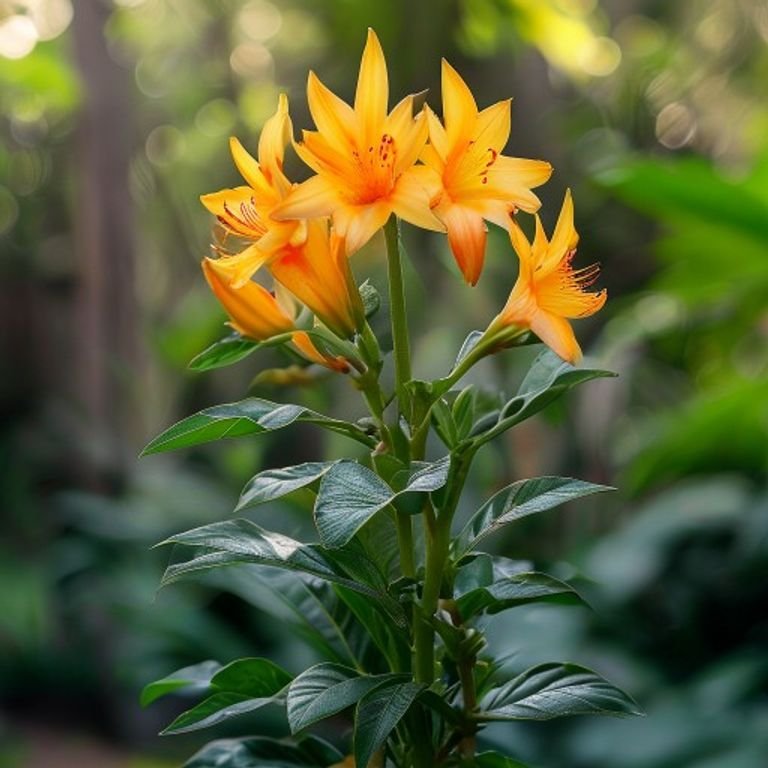
The true stars of the Abutilon are its exquisite flowers. These delicate, bell-shaped blooms hang downwards, giving them a charming, lantern-like appearance. While colours can vary, Abutilon pictum typically showcases stunning shades of orange and yellow, often with prominent veins, creating a mesmerizing effect. What makes them particularly cherished is their prolific and almost continuous flowering, gracing your plant with colour for much of the year.
Foliage
Beyond the flowers, the foliage itself is a major draw. The maple-like leaves, especially the variegated forms, offer a lush, tropical feel. They create a beautiful backdrop for the hanging bells and provide ornamental value even when the plant is not in its full bloom cycle.
Fragrance
While the Abutilon is celebrated for its visual beauty, it’s important to note that its flowers do not possess a significant fragrance. However, their stunning appearance more than compensates for this.
Decorative Value
The Abutilon is incredibly versatile for decorative purposes. Its upright growth habit and vibrant blooms make it ideal for:
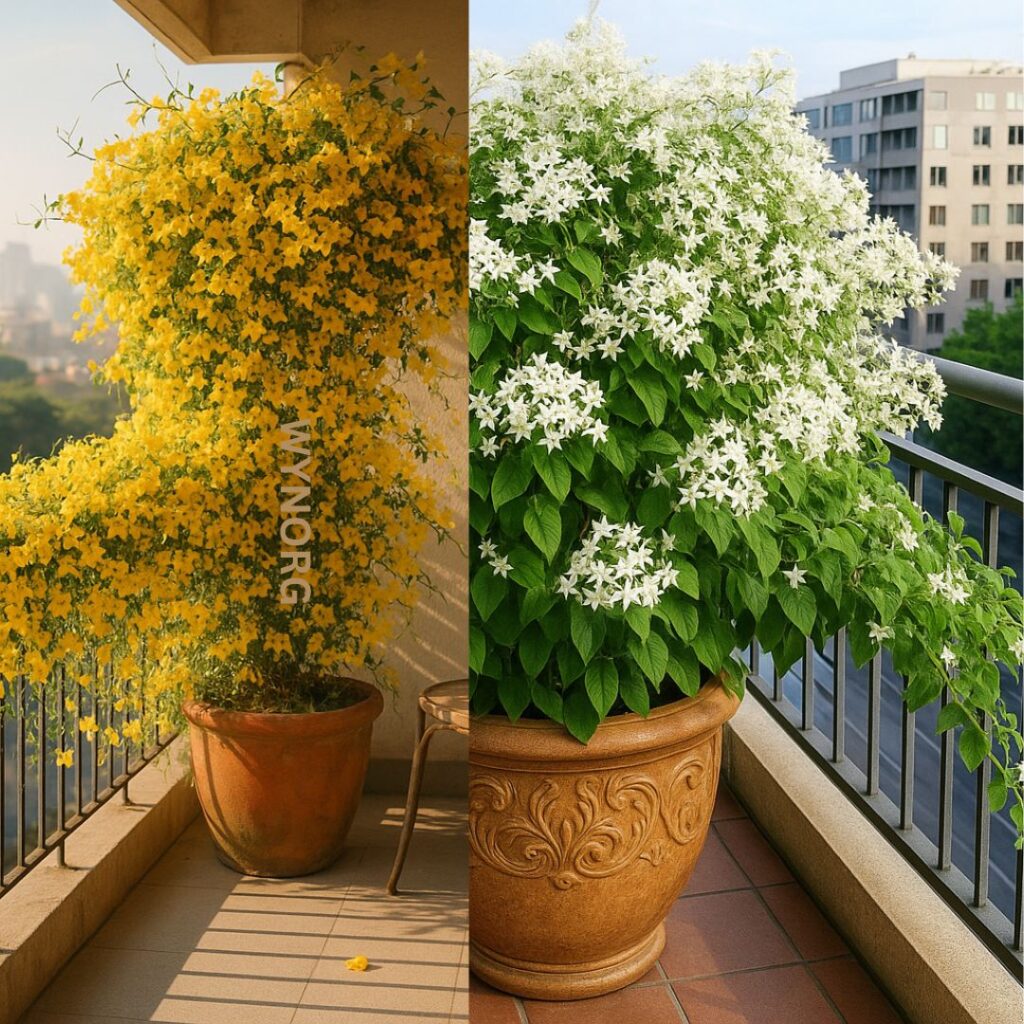
- Balconies: Potted Abutilon plants can transform a simple balcony into a colourful oasis.
- Indoor Bright Window: With sufficient light, it thrives as a striking houseplant, bringing tropical charm indoors.
- Mixed Borders: In gardens, it can be a beautiful addition to mixed borders, providing height and continuous colour.
- Containers: Its manageable size and continuous flowering make it an excellent choice for large decorative pots.
Growing Requirements
Providing the right environment is key to a thriving Abutilon. Thankfully, it’s not a demanding plant, making it perfect for both beginners and experienced gardeners.
Light
Abutilon thrives in full sun to partial shade. In the intense midday sun of hotter Indian regions, a spot that receives morning sun and some afternoon shade is often ideal to prevent leaf scorch, especially for variegated varieties. However, too little light will result in fewer flowers and leggy growth, so ensure it gets at least 4-6 hours of bright light daily.
Water
This plant prefers moderate watering. The soil should be kept consistently moist but never waterlogged. Allow the top inch or two of the soil to dry out slightly before watering again. During hot, dry periods, it may need more frequent watering, while in cooler months or during monsoons, reduce the frequency. Always ensure good drainage to prevent root rot.
Temperature
Abutilon pictum is well-suited to the warm temperatures common in most parts of India. It prefers temperatures between 18°C and 29°C (65°F and 85°F). While it can tolerate slightly cooler temperatures, prolonged exposure to cold can lead to leaf drop. Protect it from severe frost if you live in a region that experiences it, or bring potted plants indoors.
Humidity
Abutilon appreciates average to slightly higher humidity, which is often naturally present in many Indian climates. If grown indoors in a very dry environment, occasional misting can be beneficial, or placing it near a humidifier. However, ensure good air circulation to prevent fungal issues.
Soil
A well-draining soil mix is paramount for Abutilon. It doesn’t tolerate soggy feet, so aim for a soil that retains some moisture but drains excess water freely. A standard garden soil enriched with organic matter works well for outdoor planting.
Potting Mix
For container-grown Abutilon, a good quality potting mix designed for flowering plants or general purpose use is suitable. You can amend it with a handful of perlite or coarse sand to enhance drainage, especially if your mix tends to be heavy. Ensure the pot has drainage holes.
Fertilizer
To support its continuous flowering, Abutilon benefits from regular feeding. Fertilize monthly during its active growing and flowering season (which is almost year-round in ideal conditions). Use a balanced liquid fertilizer or a slow-release granular fertilizer formulated for flowering plants. Follow the product instructions for dilution and application rates to avoid over-fertilization, which can burn the roots.
How to Care for This Plant
Caring for your Abutilon is a rewarding experience. Here’s a practical guide to keep your Flowering Maple thriving:
- Watering Wisely: Always check the soil moisture before watering. Stick your finger about an inch or two into the soil. If it feels dry, it’s time to water. Water thoroughly until you see water draining from the bottom of the pot (for container plants). Reduce watering in winter or during heavy monsoon periods.
- Pruning for Bushiness and Blooms: Regular pinching and pruning are essential for a bushy plant and abundant flowers. Pinch back the tips of young stems to encourage branching. For older plants, prune lightly after a flush of blooms to maintain shape and encourage new growth. You can also give it a more substantial prune in early spring to rejuvenate the plant.
- Deadheading: While not strictly necessary for flowering, removing spent flowers (deadheading) can keep the plant looking tidy and may redirect the plant’s energy into producing more blooms instead of seeds.
- Repotting: If your Abutilon is pot-bound (roots are circling the pot), it’s time to repot. Do this in early spring, moving it to a pot one size larger. Fresh potting mix will provide new nutrients.
- Pest Watch: Regularly inspect your plant for any signs of pests, especially on the undersides of leaves. Early detection makes treatment much easier.
- Support (if needed): While typically upright, taller Abutilon varieties might benefit from a stake or support, especially in windy conditions, to prevent stem breakage.
Common Problems and Solutions
Even with easy-care plants like Abutilon, occasional issues can arise. Here’s how to tackle common problems:
- Yellow Leaves:
- Cause: Often due to overwatering, underwatering, or nutrient deficiency.
- Solution: Check soil moisture. If soggy, reduce watering. If very dry, water thoroughly. Ensure good drainage. If watering is correct, consider a balanced fertilizer to address potential nutrient deficiencies.
- Pests (Whiteflies, Spider Mites):
- Cause: These tiny insects can infest Abutilon, especially in warm, dry conditions or if air circulation is poor.
- Solution: For mild infestations, spray the plant with a strong stream of water. For heavier infestations, use an insecticidal soap or neem oil spray, ensuring to cover both the top and undersides of the leaves. Repeat applications may be necessary.
- Fungal Diseases (e.g., Powdery Mildew):
- Cause: Often occurs in humid conditions with poor air circulation.
- Solution: Improve air circulation around the plant. Remove affected leaves. Apply a fungicide suitable for ornamental plants, following label directions.
- Root Rot:
- Cause: Primarily caused by overwatering and poorly draining soil.
- Solution: If caught early, reduce watering immediately and improve drainage. For severe cases, repotting into fresh, well-draining soil after trimming off any mushy, discoloured roots may be necessary. Always ensure pots have drainage holes.
- Poor Flowering:
- Cause: Insufficient light, lack of nutrients, or infrequent pruning.
- Solution: Move the plant to a brighter location. Ensure regular monthly fertilization with a bloom-boosting fertilizer. Pinch tips regularly to encourage more flower buds.
- Slow Growth:
- Cause: Can be due to inadequate light, lack of nutrients, or a pot that’s too small.
- Solution: Check light exposure and move to a brighter spot if needed. Ensure regular feeding. If the plant is root-bound, consider repotting into a larger container.
- Leaf Drop in Cold:
- Cause: Exposure to consistently low temperatures or sudden cold snaps.
- Solution: If growing outdoors in a region that experiences cold, consider bringing potted Abutilon indoors during winter or providing protection. If grown indoors, keep it away from cold drafts from windows or doors.
Benefits
Beyond its striking beauty, the Abutilon offers several benefits that make it a delightful addition to any space.
- Home Decoration: With its continuous bell flowers and attractive variegated foliage, Abutilon is a fantastic plant for enhancing your home’s aesthetic. It adds a touch of vibrant colour and a tropical feel, whether placed in a bright living room or a sunny entryway.
- Balcony Gardening: Its manageable size and upright growth make it perfect for balcony gardens. It provides height and an abundance of blooms, turning your balcony into a colourful retreat.
- Landscaping: In garden beds and mixed borders, Abutilon serves as a beautiful shrub, offering continuous colour and textural interest. Its fast-growing nature helps fill spaces quickly.
- Pollinator Friendly: The vibrant, open bell-shaped flowers of the Abutilon are attractive to various pollinators, including bees and butterflies. By growing this plant, you’re contributing to the local ecosystem and supporting these vital creatures in your garden.
Frequently Asked Questions
Here are some common questions about caring for Abutilon:
Can I grow Abutilon indoors?
Yes, Abutilon can be grown successfully indoors! It needs a very bright window, ideally one that receives several hours of direct sunlight, such as a south or west-facing window in India. Ensure good air circulation and water moderately.
How often does Abutilon flower?
One of the most appealing features of Abutilon is its almost year-round flowering habit. With good light, consistent watering, and regular feeding, it can produce a continuous display of its beautiful bell-shaped blooms for much of the year, particularly in warm climates.
Is Abutilon fast growing?
Yes, Abutilon is known for its relatively fast growth rate. In ideal conditions, it can grow 2-3 feet per year. This makes it an excellent choice if you’re looking to quickly establish a colourful shrub in your garden or a substantial potted plant on your balcony.
Final Thoughts
The Abutilon, or Flowering Maple, is a truly rewarding plant that brings continuous beauty and a touch of tropical charm to any Indian home or garden. Its vibrant, bell-shaped flowers and attractive foliage make it a standout, and its relatively easy care requirements ensure that even beginner gardeners can enjoy its splendour. By providing adequate sunlight, moderate water, and regular feeding, you’ll be treated to a spectacular display of blooms almost all year long.
Embracing the joy of gardening means having access to reliable information and quality plants. Plantrea is the online plant platform from Wynorg, helping plant lovers across India discover quality plants, practical growing advice, and trusted nursery sourcing. We hope this guide helps you cultivate a thriving Abutilon and enhances your green spaces.
Interested in This Plant?
Curious to add the lovely Abutilon to your collection, or perhaps explore other beautiful plants that thrive in Indian conditions? Our dedicated Plant Expert chat is here to assist you! Located at the bottom-right corner of every page, this helpful resource is your direct line to experienced gardening advice.
You can use the Plant Expert chat to quickly check whether the Abutilon is currently available in stock. Our experts can also provide personalised plant recommendations tailored to your specific home or garden environment, ensuring you choose the perfect plant for your space. Don’t hesitate to ask any questions you have about Abutilon care and maintenance – from watering schedules to pest prevention, we’re here to guide you.
Should the Abutilon not be available, or if you’re simply looking for variety, our Plant Expert can also help you discover suitable alternatives that offer similar charm and benefits. Think of the Plant Expert as your personal gardening assistant, ready to share knowledge and help you cultivate a flourishing green sanctuary.
Want to buy this plant? Visit https://plantrea.com/shop-2/