Hass Avocado Tree: Growing Guide & Essential Care Tips | Plantrea
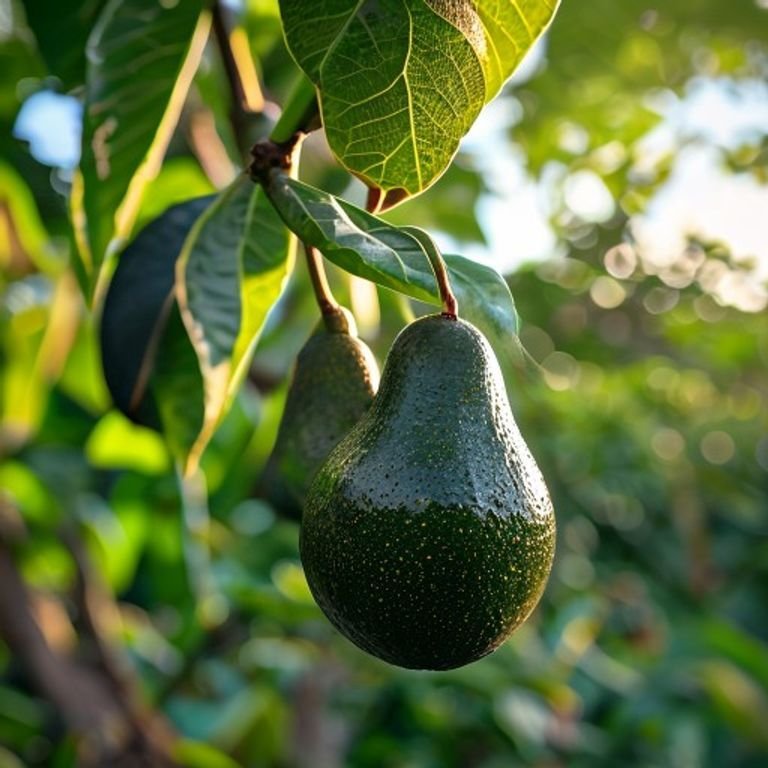
There’s something truly special about the Hass Avocado. Its creamy, rich flesh and distinct flavour have made it a culinary favourite across the globe, and it’s no wonder so many Indian homes and gardens dream of growing their own. Imagine plucking a perfectly ripe avocado from your very own tree – a taste of freshness unparalleled by store-bought options. This beloved fruit tree is not just a source of delicious produce but also an attractive evergreen addition to any landscape, offering shade and a touch of tropical elegance. Plantrea is the online plant platform by Wynorg, a trusted Indian brand known for delivering healthy live plants safely across India, and we’re here to help you cultivate a thriving Hass Avocado tree in your garden.
Known for its robust growth and prolific fruiting, the Hass Avocado has become synonymous with quality and taste. Whether you’re a seasoned gardener or just starting your journey with edible plants, understanding the specific needs of this remarkable tree is key to a bountiful harvest. Join us as we delve into everything you need to know about growing, caring for, and enjoying your very own Hass Avocado tree.
Botanical Overview
The Hass Avocado is botanically known as Persea americana ‘Hass’. It belongs to the Lauraceae family, which also includes other well-known plants like cinnamon and bay laurel. While its ancestral roots trace back to south-central Mexico, the specific ‘Hass’ cultivar was famously developed in California in the 1920s, becoming the dominant avocado variety worldwide due to its excellent flavour and shipping qualities.
This magnificent plant is an evergreen fruit tree, meaning it retains its lush green foliage throughout the year. It exhibits an upright, spreading growth habit, eventually forming a dense canopy that can provide significant shade. Mature Hass Avocado trees can reach an impressive height of 15 to 30 feet (4.5 to 9 meters), making them a prominent feature in any garden or orchard. Its vigorous growth and evergreen nature make it a year-round asset, even when not in fruit.
Why People Love This Plant
The appeal of the Hass Avocado tree extends far beyond its famous fruit. Gardeners and homeowners cherish it for a multitude of reasons:
- Appearance: The tree boasts dense foliage with attractive, oval, leathery, dark green leaves that maintain their vibrancy year-round. This evergreen canopy offers a beautiful, verdant backdrop in any garden setting.
- Flowers: While individually small and inconspicuous, the greenish-yellow flowers appear in large clusters, particularly from late winter to spring, depending on the region. These delicate blooms are a precursor to the cherished Hass avocado fruit.
- Foliage: The lush, dark green foliage provides excellent ornamental value, contributing to a rich, tropical aesthetic in the landscape. It also offers welcome shade during India’s hot summer months.
- Fragrance: The flowers carry a mild fragrance, adding a subtle aromatic quality to the garden during its blooming season.
- Decorative Value: Beyond its fruit, the Hass Avocado tree is a substantial and beautiful specimen. Its spreading habit and evergreen nature make it an ideal choice for landscaping, edible gardens, or as a natural shade provider, enhancing the overall appeal of your outdoor space.
Growing Requirements
To successfully cultivate a healthy and productive Hass Avocado tree in your Indian garden, it’s crucial to meet its specific growing requirements:
- Light: Hass Avocado trees are sun-lovers. They thrive in full sun, meaning they need at least 6-8 hours of direct sunlight daily to produce abundant fruit. Choose a location that receives ample morning sun and some protection from intense afternoon sun in extremely hot regions.
- Water: These trees require moderate to high watering. They prefer consistently moist soil but absolutely detest waterlogging, which can lead to root rot. Deep and regular watering is essential, especially for young trees and during dry spells. In India, adjust your watering schedule according to the monsoon and dry seasons, reducing frequency during heavy rains and increasing it during prolonged dry periods.
- Temperature: Hass Avocado trees prefer mild temperatures, ideally between 60-85°F (15-29°C). They are sensitive to frost, and temperatures below 30°F (-1°C) can cause significant damage. In regions prone to cold snaps, consider planting in a sheltered spot or providing frost protection for young trees.
- Humidity: Moderate humidity is generally preferred by these tropical plants. While they can tolerate drier conditions, consistent moderate humidity promotes healthy foliage growth.
- Soil: Well-draining, loamy soil is paramount for Hass Avocado trees. A slightly acidic to neutral pH (6.0-7.0) is ideal. Poorly draining, heavy clay soils are a recipe for disaster, as they encourage root rot. Amend heavy soils with organic matter like compost, sand, or perlite to improve drainage.
- Potting Mix: If you’re growing a young Hass Avocado tree in a container (especially if you have limited space or are in a colder region), use a high-quality, well-draining potting mix specifically formulated for citrus or avocado trees. Ensure the pot has ample drainage holes.
- Fertilizer: Hass Avocado trees are heavy feeders. For young trees, fertilize every 1-2 months with a balanced avocado or citrus-specific fertilizer. Mature trees benefit from fertilization 3-4 times a year. Look for fertilizers rich in nitrogen, phosphorus, potassium, and crucial micronutrients like zinc and iron, which are vital for healthy leaf development and fruit production. Always follow the manufacturer’s recommendations for dosage.
How to Care for This Plant
Providing proper care for your Hass Avocado tree ensures its longevity and a generous yield of delicious fruit. Here’s a step-by-step practical guide:
- Planting: When planting, dig a hole that is as deep as the root ball and twice as wide. Gently remove the tree from its container, loosen any circling roots, and place it in the hole ensuring the top of the root ball is level with the soil surface. Backfill with amended soil, gently firming it around the roots. Water thoroughly immediately after planting.
- Watering Schedule: Establish a consistent watering routine. Check the soil moisture regularly by sticking your finger about 2-3 inches deep. Water deeply when the top few inches feel dry. Avoid frequent, shallow watering. In dry Indian summers, you might need to water every few days, while during the monsoon, reduce watering significantly or stop altogether if the soil remains moist.
- Fertilization: As mentioned, regular feeding is vital. Spread granular fertilizer evenly around the drip line (the area directly under the outer edge of the tree’s canopy) and water it in well. For liquid fertilizers, follow dilution instructions.
- Pruning: Hass Avocado trees generally require minimal pruning. The primary goals for pruning are to shape the tree, manage its size (especially if space is limited), and remove any dead, diseased, or crossing branches. The best time to prune is usually after harvesting the fruit or in late winter before new growth begins. Avoid heavy pruning, as it can reduce fruit production.
- Pest and Disease Monitoring: Regularly inspect your tree for any signs of pests or diseases. Early detection is key to effective management.
- Frost Protection: If you live in an area prone to occasional mild frost, protect young Hass Avocado trees by covering them with burlap or a blanket overnight. Ensure the cover doesn’t touch the foliage directly. Mulching heavily around the base can also help insulate the roots.
- Mulching: Apply a 2-4 inch layer of organic mulch (like wood chips, compost, or straw) around the base of the tree, keeping it a few inches away from the trunk. Mulching helps retain soil moisture, suppress weeds, and regulate soil temperature.
- Propagation: While Hass Avocado trees can be grown from seed, they won’t produce true-to-type fruit and can take much longer to bear. Commercial and home growers typically propagate Hass Avocado trees through grafting. This ensures that the new tree has the exact genetic characteristics of the parent ‘Hass’ cultivar and often results in earlier fruiting and disease resistance.
Common Problems and Solutions
Even with the best care, Hass Avocado trees can encounter a few common issues. Here’s how to address them:
- Yellow Leaves (Chlorosis):
- Problem: Often indicates nutrient deficiencies, particularly zinc or iron, or sometimes poor soil drainage.
- Solution: Test your soil to confirm nutrient levels. Apply a fertilizer rich in micronutrients like zinc and iron. Ensure proper drainage to prevent root issues which can inhibit nutrient uptake. Adjust soil pH if it’s too alkaline.
- Pests:
- Problem: Avocado thrips, mites, scales, and borers can damage foliage, flowers, and fruit.
- Solution: Regularly inspect your tree. For mild infestations, spray with neem oil or insecticidal soap. For severe cases, consult a local agricultural expert for appropriate organic or chemical treatments. Encourage beneficial insects in your garden.
- Fungal Diseases (e.g., Anthracnose):
- Problem: Anthracnose can cause dark, sunken lesions on fruit, leading to rot. Root rot, caused by Phytophthora cinnamomi, is a major threat.
- Solution: For anthracnose, practice good garden hygiene by removing fallen fruit and leaves. Improve air circulation through selective pruning. Fungicides can be used as a preventive measure. For root rot, the most critical solution is ensuring excellent soil drainage and avoiding overwatering. Once established, root rot is very difficult to cure.
- Root Rot:
- Problem: Caused by overwatering and poorly draining soil, leading to root decay and eventual tree death.
- Solution: This is a serious issue. Prevent it by planting in well-draining soil and practicing careful watering. If detected early, allow the soil to dry out completely between waterings. Consider improving drainage around the tree.
- Poor Flowering/Fruiting:
- Problem: Lack of fruit can be due to insufficient sunlight, improper pollination, nutrient imbalances, or environmental stress (like extreme temperatures).
- Solution: Ensure full sun exposure. While Hass avocados are self-pollinating to some extent, planting another avocado variety nearby (Type A or B) can improve cross-pollination and yield. Provide balanced nutrition with appropriate fertilizers. Protect the tree from harsh weather conditions.
- Slow Growth:
- Problem: Can result from inadequate light, water, nutrients, or poor soil conditions.
- Solution: Review all growing requirements – ensure sufficient sunlight, proper watering, regular fertilization, and suitable soil. Young Hass Avocado trees require consistent care for vigorous establishment.
- Leaf Drop:
- Problem: Often a sign of stress, such as extreme temperature fluctuations, under- or overwatering, or nutrient deficiencies.
- Solution: Identify and rectify the underlying stress factor. Ensure consistent watering, protect from harsh weather, and provide adequate nutrition.
Benefits
The Hass Avocado tree brings a wealth of benefits to your home and garden:
- Delicious, Nutritious Fruit: The primary allure is, of course, the Hass avocado fruit itself. Rich in healthy monounsaturated fats, vitamins (K, C, B6, E), folate, and potassium, it’s a superfood that supports heart health and overall well-being.
- Home Decoration & Landscaping: With its dense, evergreen foliage and substantial size, the tree serves as an attractive ornamental plant. It provides lush greenery year-round, enhancing the aesthetic appeal of your garden.
- Shade Tree: Its spreading growth habit makes it an excellent shade tree, offering a cool retreat during hot Indian summers.
- Balcony Gardening: While a full-sized Hass Avocado tree is large, young plants or specific dwarf varieties can be grown in large containers on balconies or patios, allowing urban dwellers to enjoy the beauty and potential fruit of this plant.
- Pollinator Friendly: The numerous greenish-yellow flowers attract various pollinators, especially bees, contributing to the local ecosystem and supporting biodiversity in your garden.
- Sustainable Produce Source: Growing your own Hass avocado fruit provides a fresh, organic, and sustainable source of produce, reducing reliance on store-bought options.
Frequently Asked Questions
How long does it take for a Hass Avocado tree to produce fruit?
Typically, a grafted Hass Avocado tree will begin to produce fruit within 3-5 years after planting. Trees grown from seed can take much longer, sometimes 7-10 years or more, and may not produce fruit true to the Hass variety. Patience is a virtue when growing an avocado tree, but the reward is certainly worth the wait!
What are the ideal growing conditions for a Hass Avocado tree?
The ideal conditions for a Hass Avocado tree include full sun exposure (at least 6-8 hours daily), well-draining, loamy soil with a slightly acidic to neutral pH (6.0-7.0), consistent moisture without waterlogging, and mild temperatures generally between 60-85°F (15-29°C). They also benefit from moderate humidity and protection from frost.
How often should I water my Hass Avocado tree?
Watering frequency depends on various factors like climate, soil type, and tree size. Generally, Hass Avocado trees need deep and regular watering, especially during dry periods. The best practice is to check the soil moisture by feeling the top 2-3 inches. Water thoroughly when the soil feels dry to the touch, ensuring it is consistently moist but never waterlogged. Young trees typically require more frequent watering than established ones.
Final Thoughts
Growing a Hass Avocado tree is a rewarding endeavour that brings both beauty and delicious bounty to your garden. While it requires attention to its specific needs, particularly concerning soil, water, and sunlight, the joy of harvesting your own creamy, homegrown Hass avocado fruit is truly incomparable. By following the guidelines outlined in this comprehensive guide, you’re well on your way to cultivating a thriving and productive avocado tree that will be the envy of your neighbourhood.
Embracing the journey of growing a Hass Avocado tree can be incredibly enriching. With patience and the right care, you’ll soon be enjoying its delicious fruit right from your garden. Plantrea is the online plant platform from Wynorg, helping plant lovers across India discover quality plants, practical growing advice, and trusted nursery sourcing, and we hope this guide empowers your gardening journey.
Interested in This Plant?
Thinking about adding a Hass Avocado tree to your garden, but have a few more questions? Our Plant Expert chat is here to help! Sometimes, specific local conditions or unique garden layouts can raise new queries, and we understand that every gardener’s journey is different.
Our Plant Expert is like having a seasoned gardener right by your side. You can use the chat, conveniently located at the bottom-right corner of every page, to quickly check if the Hass Avocado tree is currently available for delivery in your area. Beyond availability, our expert can provide personalised plant recommendations tailored to your home and garden’s specific environment. Perhaps you’re wondering about the best spot for a Hass Avocado in your space, or how to best protect it from local pests.
Don’t hesitate to ask any questions you have about plant care and maintenance for your Hass Avocado or any other plant. And if, for any reason, the Hass Avocado isn’t quite right for your conditions or is temporarily unavailable, our Plant Expert can even help you discover suitable alternatives that will flourish beautifully in your Indian garden. We’re here to ensure your gardening experience is as successful and enjoyable as possible.
Want to buy this plant? Visit https://plantrea.com/shop-2/